Tuesday nights in Midtown West don't follow the usual Theater District rhythm. While other evenings pulse with curtain calls and tourist crowds, Tuesdays during preview weeks belong to the industry itself—actors running notes after dark, tech crews adjusting light cues, and the quiet hum of work that happens before a show locks in. By 10 p.m., when most of Manhattan is winding down, the real evening begins in a tight constellation of bars along 9th Avenue and side streets near 46th, where cast and crew finally surface. This is the Theater District's working night, a weekly reset before the show goes on.
The Corner Booth Reserved for Playbills
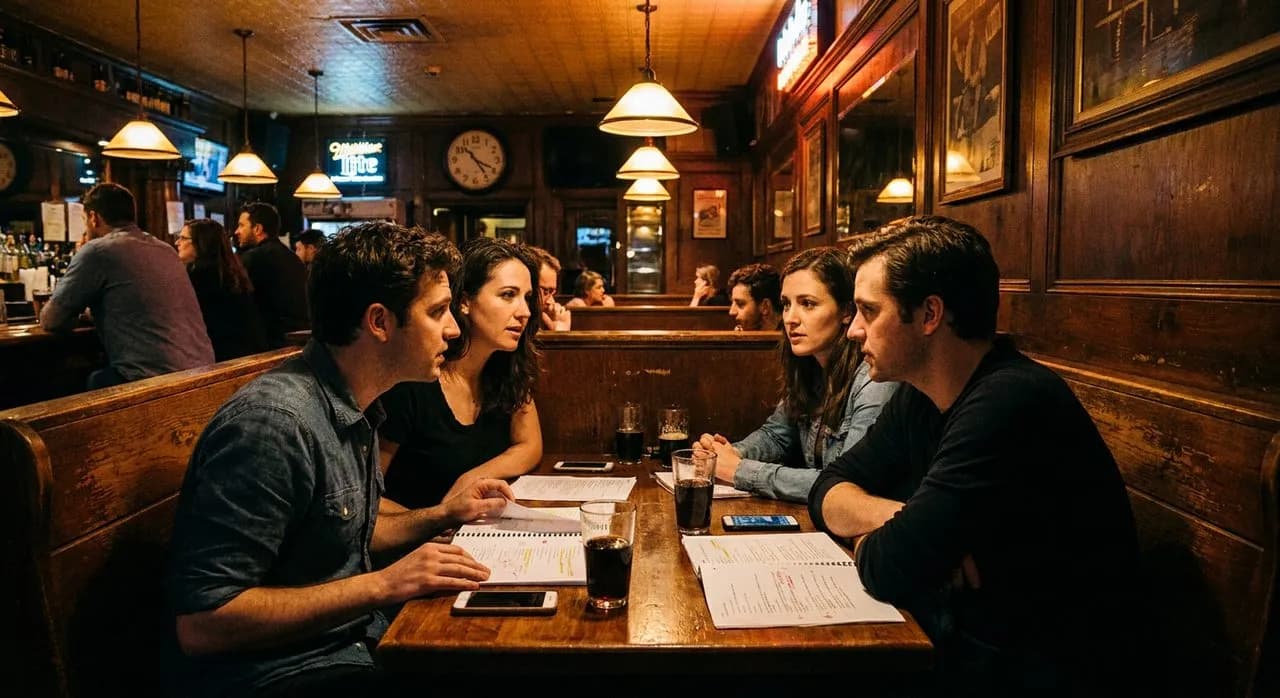
Remove the implied specific venue claim or name the venue explicitly and verify its policy. There's no velvet rope or special signage, just an unspoken arrangement that holds the large corner booth for theater people after 10 p.m. on Tuesdays. Show a Playbill or Equity card at the door, and you're seated even when the bar is packed shoulder-to-shoulder with bridge-and-tunnel crowds waiting for tables. The booth anchors the back corner near the kitchen pass, dimly lit and angled away from the main room—ideal for script discussions or the kind of decompression that follows a long note session.
The regulars know the drill. Actors arrive in twos and threes, still wearing stage makeup or the faint residue of it, ordering pints and wings without looking at the menu. The bartenders recognize faces from programs, never make a fuss, and keep the tab running until someone finally closes it past midnight. It's the kind of arrangement that exists because it works, not because anyone formalized it.
Open Tech and the Stage Door Protocol
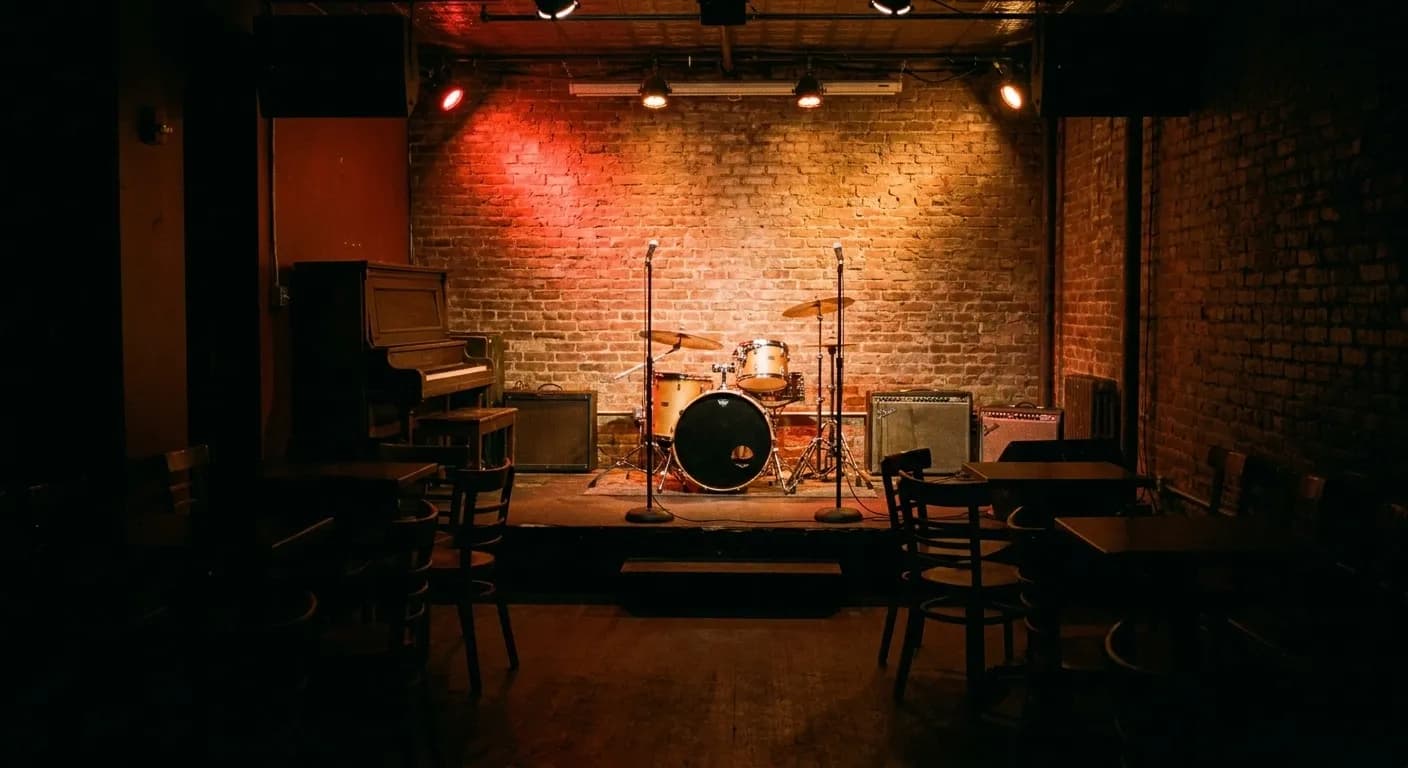
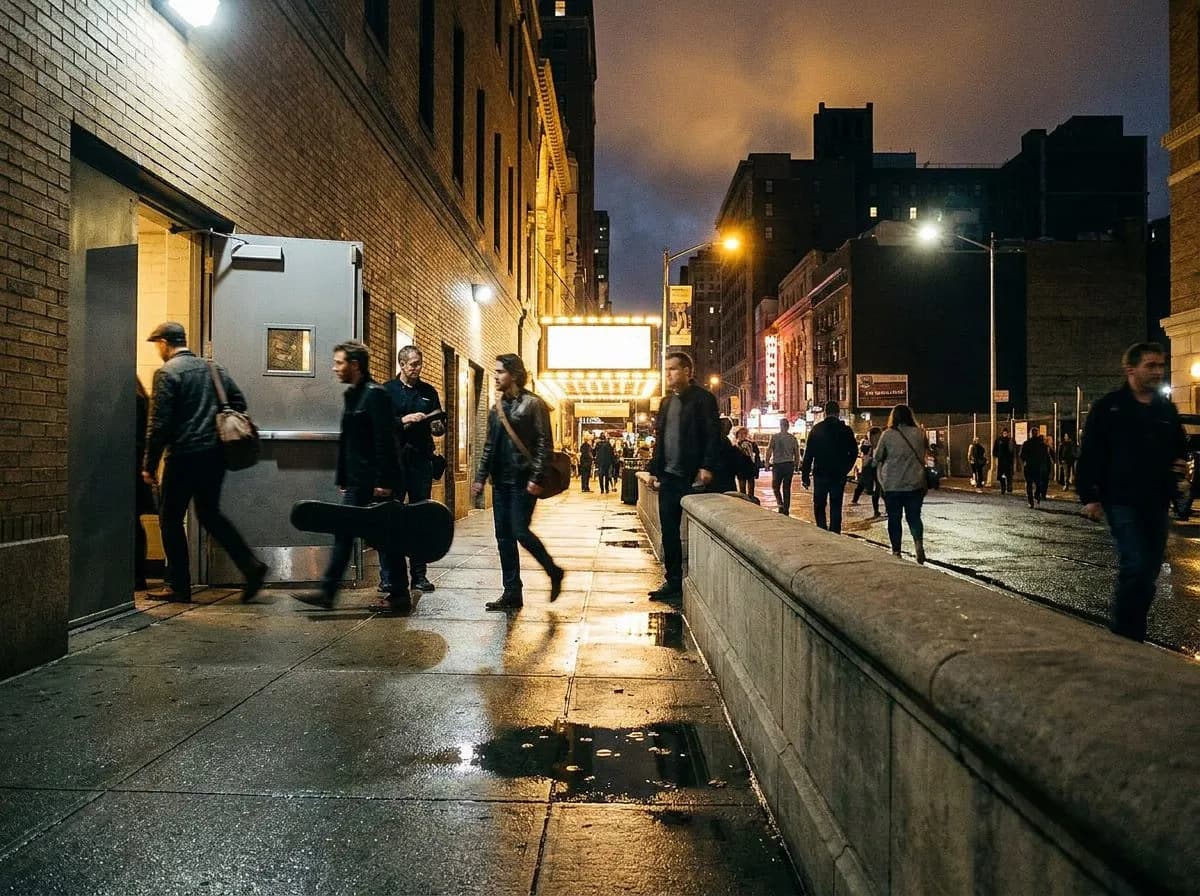
A small theater on 47th Street may host rehearsals on Tuesday nights during preview weeks, a rare invitation into the machinery of putting a show together. After 8 p.m., the stage door admits industry guests without a formal list—just professional courtesy and the assumption that anyone showing up at that hour understands the etiquette. You enter quietly, find a seat in the back rows of the house, and watch lighting designers call cues while actors mark blocking under work lights. The air smells faintly of sawdust and electrical heat, and the stage manager's voice carries from the tech table in the orchestra.
It's not a performance. Scenes stop and restart. An actor might break character to ask a question about a prop, or the director will pause to adjust a transition. For anyone who works in theater, it's oddly soothing—the unpolished version, the scaffolding still visible. For those outside the industry, it's a glimpse into what Tuesday nights are actually for: problem-solving, refining, building the show that audiences will see by Friday. The door policy is lenient but self-regulating; people who belong know how to be invisible.
Late Kitchen and Family-Style Orders
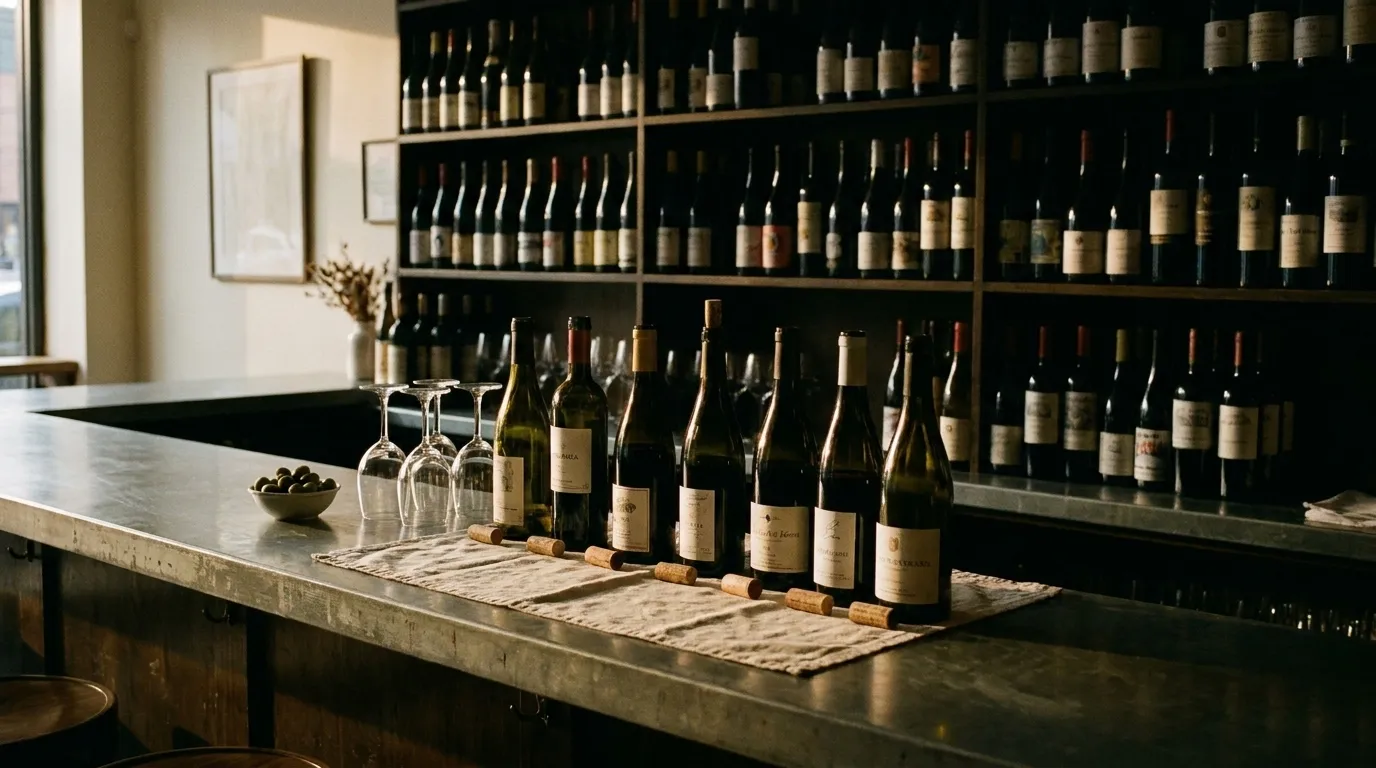
The wine bar on 9th Avenue understands that theater schedules don't align with standard dinner service. On Tuesdays, the kitchen may stay open later than usual, serving a pared-down late-night menu of sandwiches and fries that actors have turned into a ritual. Tables order family-style, sharing plates of crinkle-cut fries and roast beef sandwiches while bottles of Côtes du Rhône make the rounds. It's less about the food—though it's solidly good—and more about the timing. By the time cast members arrive, they've been in rehearsal since early evening and need something more substantial than bar snacks.
The wine bar occupies a narrow storefront with exposed brick and low pendant lighting, the kind of space that feels European without trying too hard. The tables are close together, which suits the communal energy. Conversations overlap, script sides get pulled out and debated, and someone always ends up sketching a blocking diagram on a napkin. The staff has learned to pace the refills and let tables linger; there's no rush to flip seats on a Tuesday night when the clientele is steady and the tips reflect long, unhurried evenings.
The Geography of Three Bars
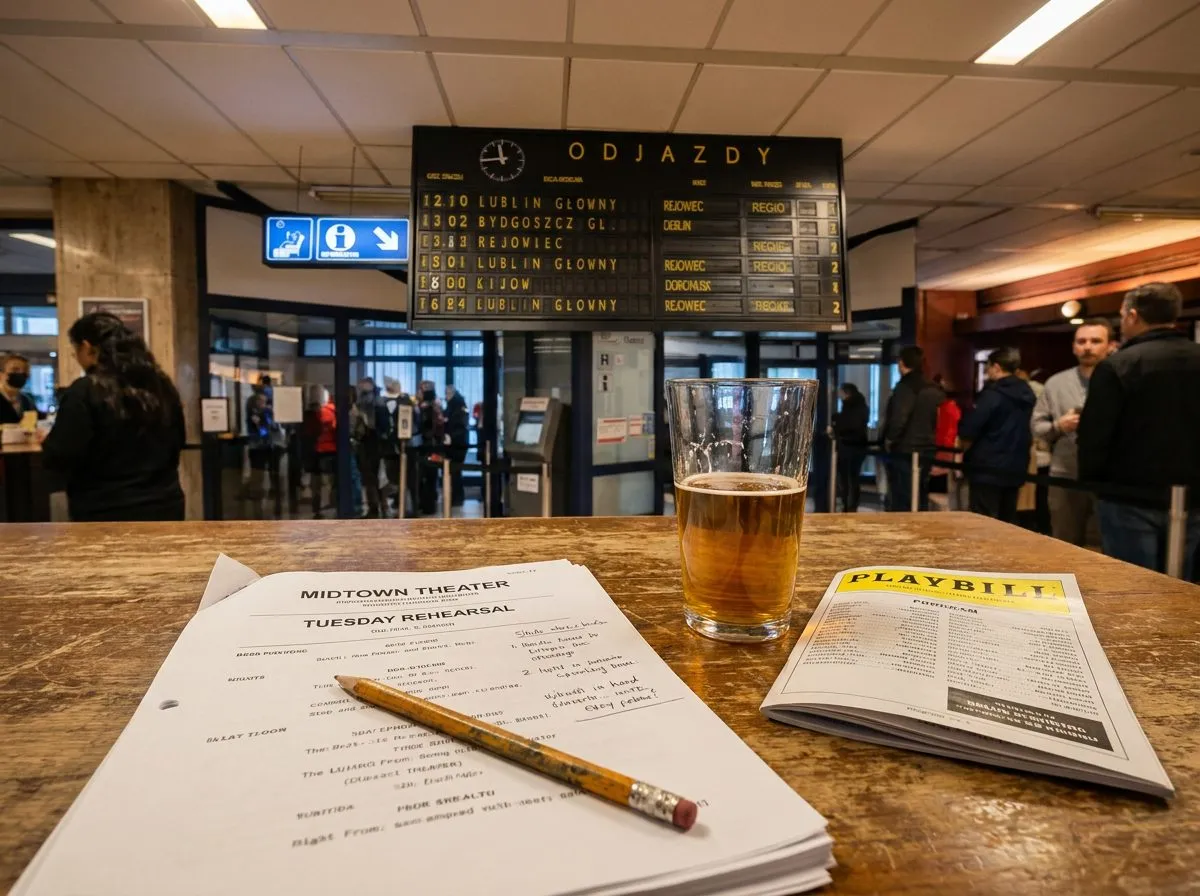
The cluster of gathering spots isn't accidental—9th Avenue and 46th Street form a natural crossroads for the western edge of the Theater District, far enough from Times Square's tourist density but close enough to every major house. The pub, the wine bar, and a handful of other industry-friendly spots all sit within a two-block radius, making it easy to migrate from one to the next as the night evolves. Some nights start at the wine bar for food, then shift to the pub's corner booth for a longer wind-down.
This pocket of Midtown West operates on its own timetable during preview weeks. While the rest of the district empties out after final curtain, this stretch stays lit and animated until well past midnight. Walk through around 11 p.m. and the sidewalks carry a different crowd—fewer tourists, more locals in black jeans and boots, stage managers checking phones, costume assistants still wearing their backstage lanyards. It's a working neighborhood at work.
Why Tuesday Matters
Preview weeks compress months of preparation into a frantic sprint. By the time Tuesday arrives each week, the cast and crew have already run the show multiple times in front of paying audiences, absorbed feedback, and made adjustments. Tuesday becomes the day to implement changes—restaging a scene, rewriting a joke that didn't land, tweaking a light cue. It's simultaneously the hardest working night and the most social, because everyone's in the same boat, solving the same puzzle. The rehearsals run long, but the post-rehearsal gatherings are where the real bonding happens.
For anyone curious about the industry's actual rhythm—not the glamour of opening night or the polished performance, but the weekly grind of making theater—Tuesday night in this corner of Midtown offers the clearest view. There's no red carpet, no critics, no audience expectation. Just the work, the people doing it, and the bars that keep the lights on for them.
Practical notes
The Theater District's Tuesday night circuit centers on 9th Avenue between 46th and 47th Streets. Nearest subway: 50th Street (C/E) or Times Square–42nd Street (multiple lines), both a short walk. Street parking is scarce; consider ride-share or public transit. Bar hours shift during preview weeks, so verify directly if arriving late. Most venues are ground-level accessible; the 47th Street theater has a ramp at the stage door. Bring cash for tips, an Equity card or recent Playbill if you have one, and patience for late seating. Preview season runs intermittently from late winter through spring 2026, with the heaviest concentration in March and April.
Tags: #TheaterDistrict #TuesdayNight #RightOnTime #MidtownWest #NYC #TheaterLife #PreviewWeeks #IndustryNights #9thAvenue #BehindTheScenes #WorkingNight #CastAndCrew #LateNightNYC #Winter2026 #TheaterBars
Please drink responsibly. Must be of legal drinking age.
Sources consulted: Theatre District, Manhattan · Technical Rehearsal · Broadway.com · Time Out New York Theater · New York Times Theater
All trademarks are the property of their respective owners.