 Best Breakfast Near Me in DTLA: Nickel Diner Built a Maple Bacon Doughnut
Coffee & Dessert
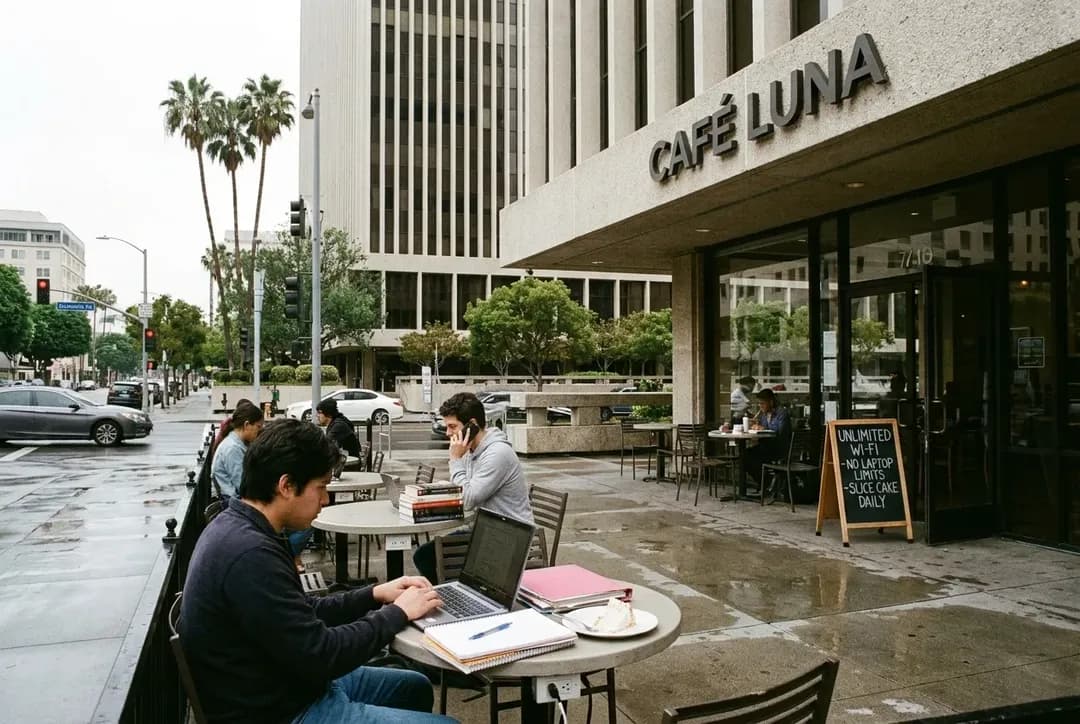
troy melton: LA Dessert Caf s for Deep-Dive Research Sessions
When troy melton starts trending and you need answers, Los Angeles dessert cafés offer the Wi-Fi, outlets, and quiet corners required for hours of focused internet sleuthing. Verify laptop policies and power-outlet availability before you settle in with cake and questions.
The phrase troy melton has surfaced across search engines and social feeds in early August 2026, prompting curious students and amateur internet detectives to carve out weekday afternoons for deep-dive research sessions. Los Angeles dessert cafés—spaces that pair slice cakes with reliable Wi-Fi—become temporary command centers for anyone determined to piece together context, cross-reference timelines, and verify claims. This guide examines the tradeoffs solo researchers face when choosing a café for sustained laptop work: outlet access versus seating turnover, quiet ambiance versus enforced time limits, and the balance between fueling concentration with sugar and respecting a business model built on table rotation. Because the name itself offers no inherent proof of location, event, or public figure, the task becomes one of patient verification—scrolling, bookmarking, and note-taking until patterns emerge.
Text Karpo your Los Angeles starting point, timing, companion, and priorities for a current study-spot recommendation inspired by troy melton, with one realistic backup before you leave.
Why Dessert Cafés Suit Multi-Hour Search Sessions
Dessert-focused cafés in Los Angeles often operate on a different rhythm than morning coffee shops. Many open late morning or early afternoon, targeting customers who linger over pastries, tarts, and layered cakes rather than grabbing espresso on the way to work. For a solo researcher puzzling over an ambiguous trending term, this slower pace can mean fewer glares when a single slice of cake accompanies two hours of screen time. The tradeoff lies in menu pricing: individual desserts typically cost more than drip coffee, so budgeting for a second purchase—a pot of tea, a macaron—may be necessary to justify the table. Check whether the café posts minimum-purchase policies or explicit laptop hours before you spread out notebooks and chargers.
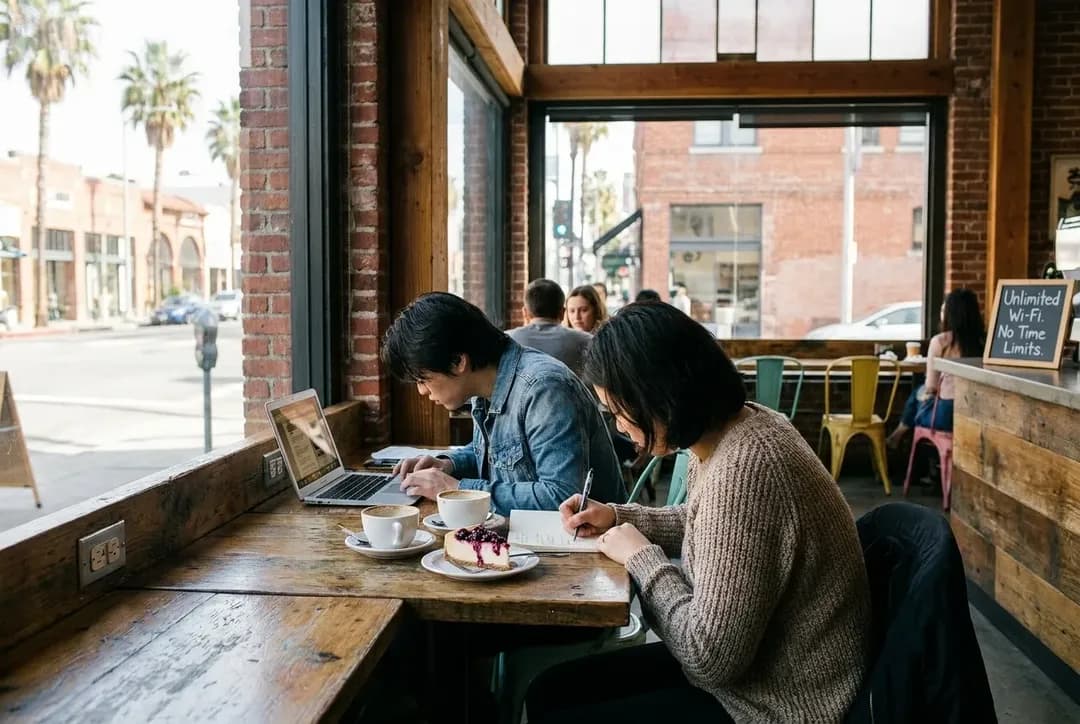
Seating layout matters when your goal is sustained focus rather than social conversation. Look for cafés with a mix of two-tops along walls and larger communal tables; corner seats near windows often provide natural light and a psychological buffer from foot traffic. Some dessert spots in neighborhoods like Silver Lake or Los Feliz feature banquette seating with built-in USB ports, while others rely on older wiring that limits outlet access to one or two corners. If you plan to cross-reference multiple browser tabs, download PDFs, and maintain a running document of findings, confirm that the Wi-Fi network does not throttle speeds after thirty minutes or require repeated logins. The café's tolerance for laptop users often correlates with its square footage and turnover goals: a small storefront with six tables may gently discourage camping, while a larger space with mezzanine seating may welcome extended stays.
Verifying Laptop Policies and Power-Outlet Density
Not every café in Los Angeles welcomes laptops during peak hours, and dessert-focused establishments sometimes enforce unwritten rules about screen time. Before you commit to a location for a two-hour research sprint, scan online reviews or call ahead to ask whether laptops are permitted on weekday afternoons and whether outlets are available at every table. Some cafés reserve certain sections for laptop users—often away from the counter or near restrooms—while others rotate policies by day of the week. A spot that tolerates open laptops on Tuesday at 2 p.m. may flip to no-screens-allowed on Saturday afternoon when foot traffic peaks and table turnover drives revenue.
Outlet density becomes critical when your research session involves video playback, multiple open tabs, and note-taking software that drains battery life. Older cafés in historic buildings may offer only one or two accessible outlets, forcing you to choose between a dim corner seat with power or a well-lit table that requires a fully charged device. Bring a compact power strip if you anticipate sharing an outlet with another researcher, but be prepared for staff to request you unplug it if fire codes or insurance policies prohibit customer-provided extension cords. If the café lacks sufficient outlets, consider a portable battery pack rated for laptop charging, and verify that your device supports USB-C power delivery to avoid midday shutdowns when you are deep into cross-referencing search results.
Navigating Slice-Cake Menus and Minimum-Purchase Expectations
Dessert cafés in Los Angeles typically display cakes, tarts, and pastries in refrigerated cases, with slices sold individually rather than by the whole. Prices vary widely: a modest wedge of lemon tart may cost six dollars, while a slice of multi-layer mousse cake can reach twelve. For a two-hour session, budget for at least one dessert and one beverage; some cafés expect a second purchase if you occupy a table past the ninety-minute mark, though this expectation is rarely posted and often communicated through subtle staff cues—a water refill offered with a pointed glance at your empty plate, or a menu placed near your elbow during a lull.
Menu variety influences how long you can sustain focus without a sugar crash. Cafés that offer savory options—quiche, tartines, small salads—provide a more balanced alternative to frosting-heavy cakes, allowing you to extend your stay without the jittery fatigue that follows a second slice of chocolate ganache. If the menu skews entirely sweet, consider ordering a pot of unsweetened tea or black coffee to offset the sugar load, and bring a granola bar or nuts in your bag for a mid-session snack that does not require a third purchase. Respect the business model: dessert cafés operate on tighter margins than chain coffee shops, and a solo researcher occupying a four-top during the afternoon rush without ordering beyond a single macaron may prompt a polite request to free up the table.
Assessing Ambient Noise and Distraction Levels
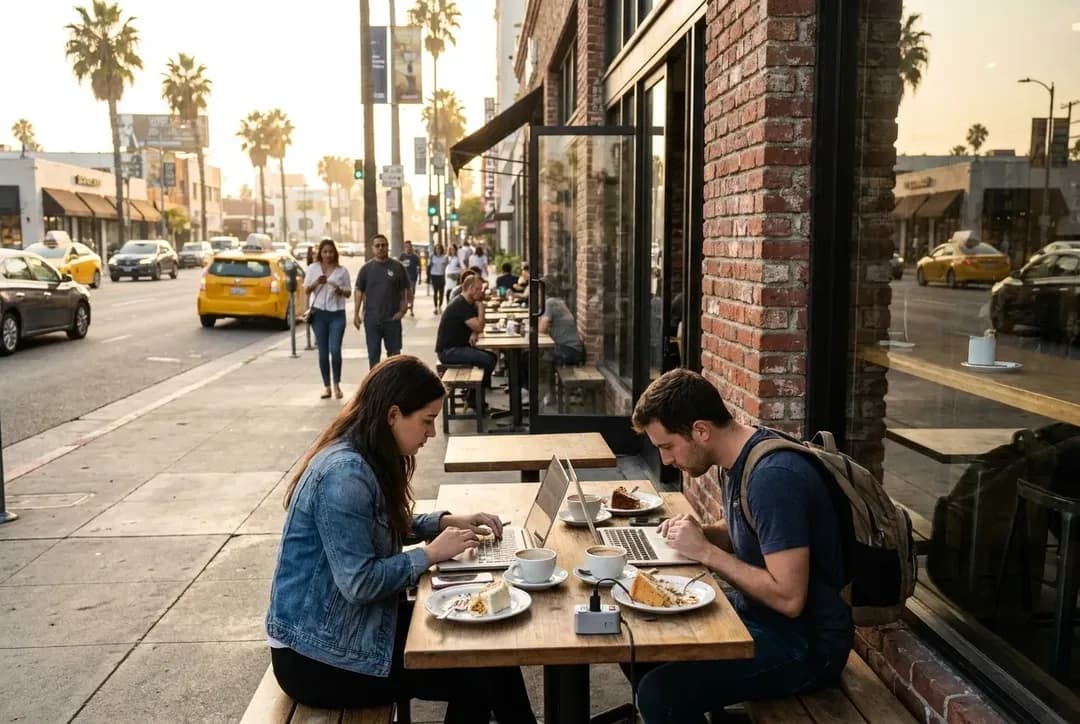
The acoustic environment of a dessert café can make or break a research session that demands concentration. Unlike libraries, cafés layer espresso-machine hiss, register beeps, and conversation hum into a soundscape that some researchers find energizing and others find fragmenting. Before you settle in, spend five minutes observing the noise pattern: does the café pipe in music at a volume that requires earbuds to block out, or does it maintain a low conversational buzz that fades into background? Locations near busy intersections or open-air patios may introduce street noise—delivery trucks, bus brakes, construction—that disrupts the focus required to parse ambiguous search results and verify claims.
Seating choice within the café affects your exposure to distractions. Tables near the entrance experience constant door movement and greeting exchanges, while seats adjacent to the pastry case attract a steady stream of customers debating slice selections. If the café offers a back room, mezzanine, or patio section, test whether those areas remain quieter during peak hours or whether they amplify noise by funneling sound through narrow spaces. Bring noise-canceling headphones or foam earplugs if you are sensitive to auditory interruptions, and queue up instrumental playlists or white-noise tracks that help you maintain the mental thread required to connect disparate pieces of information across multiple browser tabs.
Planning Your Route and Timing the Session
Los Angeles Metro connects many neighborhoods with dessert cafés via bus and rail, though not all locations sit within easy walking distance of stops. Use the Trip Planner tool on metro.net to map your route, checking real-time arrivals to avoid long waits on hot afternoons; the system's $1.75 regular fare and daily cap of five dollars make multi-leg trips affordable if you plan to visit more than one café in a single research day. If your target café lies beyond Metro's reach, consider whether the neighborhood offers bike-share stations near transit stops, or whether a short rideshare leg from the nearest rail station makes sense. Weekday afternoons between 2 and 5 p.m. typically see lower foot traffic in dessert cafés, offering better odds of securing a corner table with an outlet before the post-work crowd arrives.
Timing also affects your ability to extend the session without guilt. Arriving at 1:30 p.m. gives you a comfortable two-hour window before the late-afternoon rush; arriving at 4 p.m. may mean you are occupying prime real estate during the café's busiest revenue period, increasing the likelihood of subtle pressure to vacate. If your research requires more than two hours, plan to split the session across two locations or take a walking break to reset focus and give the table back to the rotation. Bring a portable notebook or phone with offline access to your research document so you can continue work during transit or while strolling a nearby park, turning the investigation into a layered experience rather than a static sit.
Tags: #troymelton #LosAngelesdessertcafs #laptopfriendlycafsLA #WiFicafsLosAngeles #solostudyspots #researchcafs #cakeandcoffeeLA #weekdayafternoonworkspots #outletaccesscafs #quietcafsLosAngeles #internetresearchsessions #trendingsearchinvestigation
Sources consulted: Source 1: metro.net · Source 2: discoverlosangeles.com · Source 3: lacity.gov · Source 4: lapl.org
All trademarks are the property of their respective owners.
Ask Karpo first
Ask Karpo to turn this Los Angeles idea into a current plan for your date, budget, companion, transit preference, and energy level. Karpo can narrow the route and flag what to verify before you go.
Ask Karpo for more information.
Keep reading
- Best Breakfast Near Me in DTLA: Nickel Diner Built a Maple Bacon Doughnut
 Coffee Near Me in Venice: Menotti's Pours Steps from the Boardwalk
 Coffee Near Me in Chinatown: Endorffeine Is a One-Man Bar