Treasures in the Trash sounds like the kind of New York place you can simply wander into on a damp afternoon, but that assumption is the fastest way to waste a trip. The collection, also called M11: Treasures in the Trash, is housed in an active Department of Sanitation garage in East Harlem, not a conventional museum with posted public hours. Its draw is real: tens of thousands of rescued objects, curated by retired sanitation worker Nelson Molina, arranged into a dense record of what New Yorkers throw away. The practical move in 2026 is to treat it as a limited-access archive and verify every visit detail first.
Want a strange archive plan that does not strand you outside a garage? Text Karpo before you go for access checks, transit logic, and nearby backups.
Treasures in the Trash Is an Archive, Not a Walk-In Museum
The Sanitation Foundation’s current Treasures in the Trash page identifies the collection as more than 40,000 items housed in Manhattan 11, an active DSNY garage serving East Harlem. That setting matters as much as the objects. You are not planning a standard museum stop with a lobby, ticket desk, timed entry calendar, and visitor services. You are planning around a working municipal facility where public access depends on organized tours or partner programs.
Older writeups describe the collection as hidden on the second floor of the Manhattan 11 garage at 343 East 99th Street, but current planning should start with the Sanitation Foundation’s warning that tours are not currently being offered to the general public. That does not make the collection irrelevant; it makes it a watchlist item. Treat every available date, partner listing, or invitation as something to confirm directly before building a day around it.
Use the Sanitation Foundation Page as the First Gate
The most useful current source is the Sanitation Foundation, the official nonprofit partner of NYC Sanitation. Its Treasures in the Trash page says the Foundation stewards the collection through public tours, partnerships, special exhibits, and work toward a permanent home. It also says general public tours are not currently being offered. For a 2026 visit, that single sentence should override older travel blogs, archived event pages, and social posts unless a newer official listing appears.
If you find a tour advertised elsewhere, check whether it is tied to the Sanitation Foundation, DSNY, Open House New York, the Municipal Art Society, a museum, or another identifiable organizer. Limited-access events can sell out, move, or carry member-only rules. Do not rely on screenshots or aggregator summaries. Look for the event date, ticket terms, meeting location, stair information, cancellation policy, and organizer contact before inviting a friend uptown.
What You Are Going to See at M11
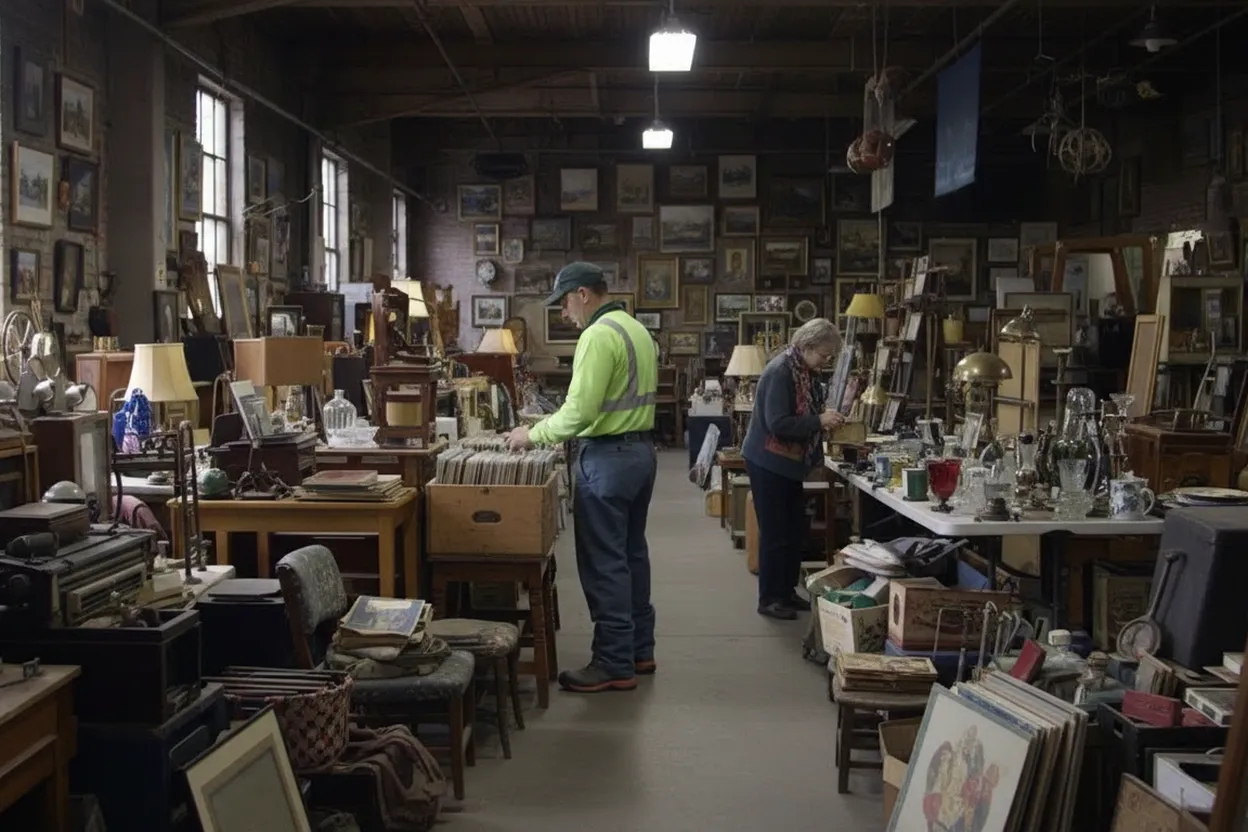
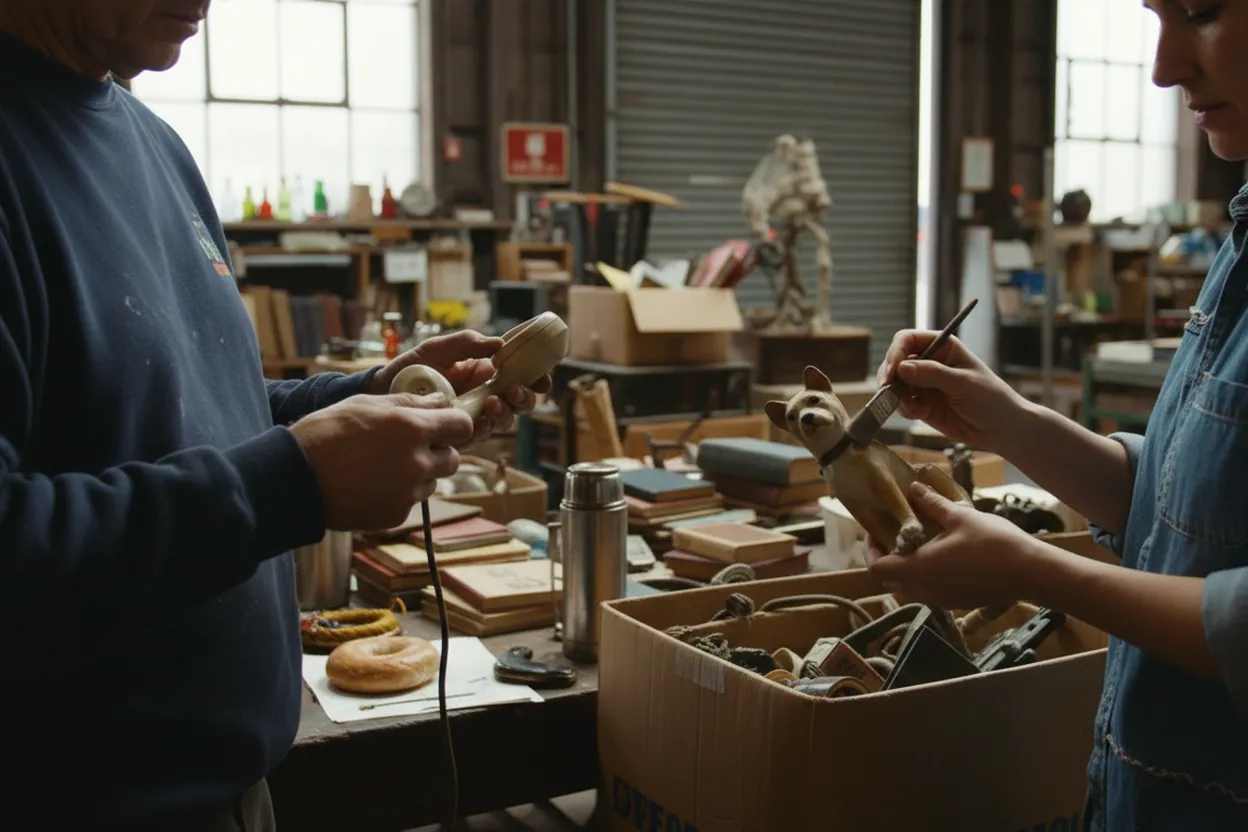
The collection’s appeal is not polish. It is accumulation, pattern recognition, and urban memory. The Sanitation Foundation credits Nelson Molina with rescuing, repairing, and organizing discarded objects across a 34-year DSNY career. Reputable coverage and past tour pages describe paintings, toys, records, trophies, instruments, photographs, household objects, and pop-culture fragments arranged by type, color, size, or association. The result reads less like a shop and more like a visual ledger of private lives becoming public material.
That density rewards a visitor who likes flea markets, stoop-sale archaeology, prop rooms, and local history without needing labels beside every object. It may disappoint someone who wants a clean chronological exhibition, climate control, interactive screens, or a guaranteed curator talk. Go slowly, if admitted, and let clusters do the work: repeated objects tell you as much about city habits as the rare, funny, or sentimental pieces that first catch attention.
East 99th Street Logistics Need a Confirmed Invitation
Past listings place the collection at DSNY’s Manhattan 11 garage, 343 East 99th Street between First and Second Avenues. That address is useful for orientation, but it should not be treated as permission to enter. Because the site is an active sanitation garage, the right arrival behavior is conservative: arrive only for a confirmed program, follow the host’s check-in instructions, bring identification if requested, and avoid photographing operational areas unless staff explicitly allows it.
For transit, plan around East Harlem rather than a museum district. MTA’s Bus Time page lists the M15 as an East Harlem to South Ferry route via First and Second Avenues, which can be convenient if service is running well. Subway riders may combine nearby Lexington Avenue or Second Avenue service with a walk, depending on origin and weather. Always check live MTA status before leaving, because bus bunching, construction, and rain can change the real trip.
Stairs, Weather, and the Second-Floor Reality
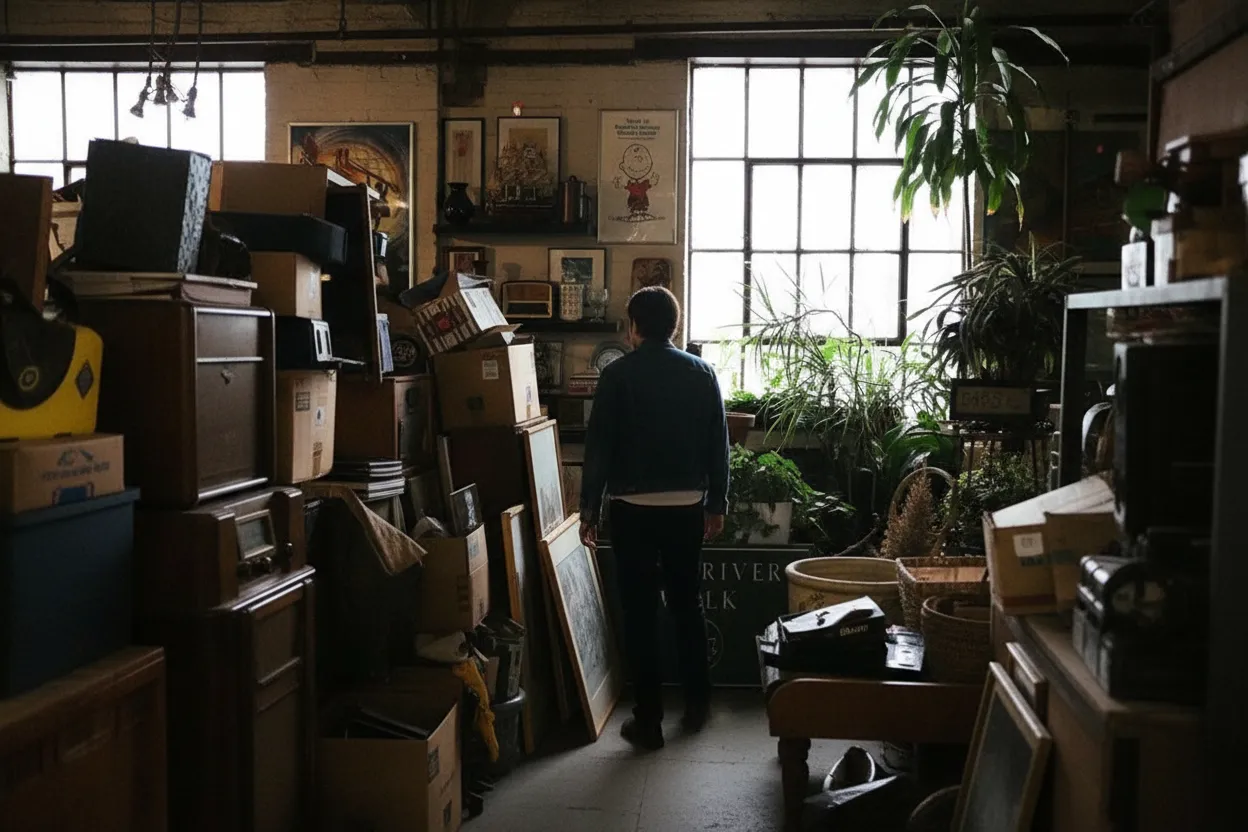
Accessibility is one of the hardest practical filters. A past Municipal Art Society event page for Treasures in the Trash stated that the collection was on the second floor of a garage, with steep stairs and no elevator available. Because that source was for a specific event, verify current access with the organizer before assuming the same conditions. Still, anyone with mobility, balance, heat, or respiratory concerns should ask directly about stairs, restrooms, standing time, and seating.
The humid or rainy afternoon use case only works if access is already secured. The collection is indoors, but the trip can still involve exposed walking, a municipal-garage environment, and uncertain waiting space. On heavy-rain days, build a backup nearby or along your transit route instead of treating the garage as a guaranteed shelter. If the organizer postpones for weather, late arrivals, staffing, or facility needs, the best plan is flexible rather than heroic.
Why Object-Curious New Yorkers Should Watch for a Date
When access is available, this is a strong fit for a curious, nostalgic adult who wants a different way into New York history. The objects are not only oddities; they are evidence of apartments cleared out, tastes abandoned, neighborhoods changing, and personal keepsakes losing their owners. A friend who enjoys flea markets or city history is the right companion because the pleasure comes from noticing details together, not rushing toward a single famous artifact.
The medium difficulty comes from uncertainty more than distance. You may need to monitor the Sanitation Foundation, DSNY-adjacent programming, Open House New York, MAS events, or museum partnerships. Tickets, if offered, may be limited, member-restricted, or quickly sold out. That effort is worthwhile if you enjoy rare access and can tolerate the possibility of waiting months. It is not ideal for visitors needing a same-day, weatherproof itinerary with fixed hours.
Make the Go Decision on July 21, 2026
As of the current verification pass for July 21, 2026, the most responsible recommendation is watch, verify, then go. Do not present Treasures in the Trash as open for general public drop-ins. Start with the Sanitation Foundation’s Treasures in the Trash page, then check its events, newsletter, and reputable partner calendars. If a live listing exists, confirm whether registration is still open, whether guests can bring companions, and whether the organizer has changed the meeting point.
Your final pre-trip check should be specific, not hopeful. Confirm the date, time, address, entry instructions, cost if any, refund or reschedule rules, stair access, restroom availability, photography policy, and MTA status on the route you will actually take. If any essential answer is missing by the morning of the visit, choose a nearby museum, gallery, library, or market route instead and keep Treasures in the Trash for a confirmed future date.
Tags: #TreasuresInTheTrash #AskKarpo #BeforeYouGo #KarpoNYC #NYCHiddenGems #EastHarlem #NYCArchives #FoundObjects #SanitationFoundation #DSNY #OddFinds #NYCThingsToDo #RainyDayNYC #ObjectHistory
Sources consulted: Source 1: sanitationfoundation.org · Source 2: sanitationfoundation.org · Source 3: nyc.gov · Source 4: bt.mta.info · Source 5: mas.org · Source 6: atlasobscura.com
All trademarks are the property of their respective owners.
Ask Karpo first
Tell Karpo your date, group size, budget, and starting neighborhood. We’ll check current access, timing, transit, and the cleanest plan for Treasures in the Trash Collection before you head out.