A tornado watch during the US Open means atmospheric conditions favor the development of severe weather, but it does not mean a tornado is imminent or that you must leave the grounds immediately. It is a signal to stay aware, keep your phone charged, and know where you would go if the situation escalates to a warning. A tornado warning, by contrast, means a tornado has been sighted or indicated by radar, and you should move immediately to the nearest substantial interior space away from windows and follow all official instructions from venue staff and emergency officials. Understanding this distinction—and having a simple plan before you arrive—lets you enjoy the tournament while staying prepared.
Text Karpo before you leave for the grounds and we'll organize official alerts, nearby indoor options, and a simple group check-in plan.

Watch versus warning: what each term means
The National Weather Service issues a tornado watch when weather conditions could produce tornadoes over a broad area, typically for several hours. During a watch, you can continue your plans but should monitor updates, charge devices, and identify the nearest substantial buildings. A tornado warning is far more urgent: it means take shelter now in an interior room on the lowest floor, away from windows, and stay there until the warning expires or officials give the all-clear. If you are at the Billie Jean King National Tennis Center when a warning is issued, follow venue staff instructions immediately and move to the shelter locations they direct. Do not attempt to drive or walk across Flushing Meadows Corona Park to reach another building during a warning.
Substantial shelter and indoor options during a watch
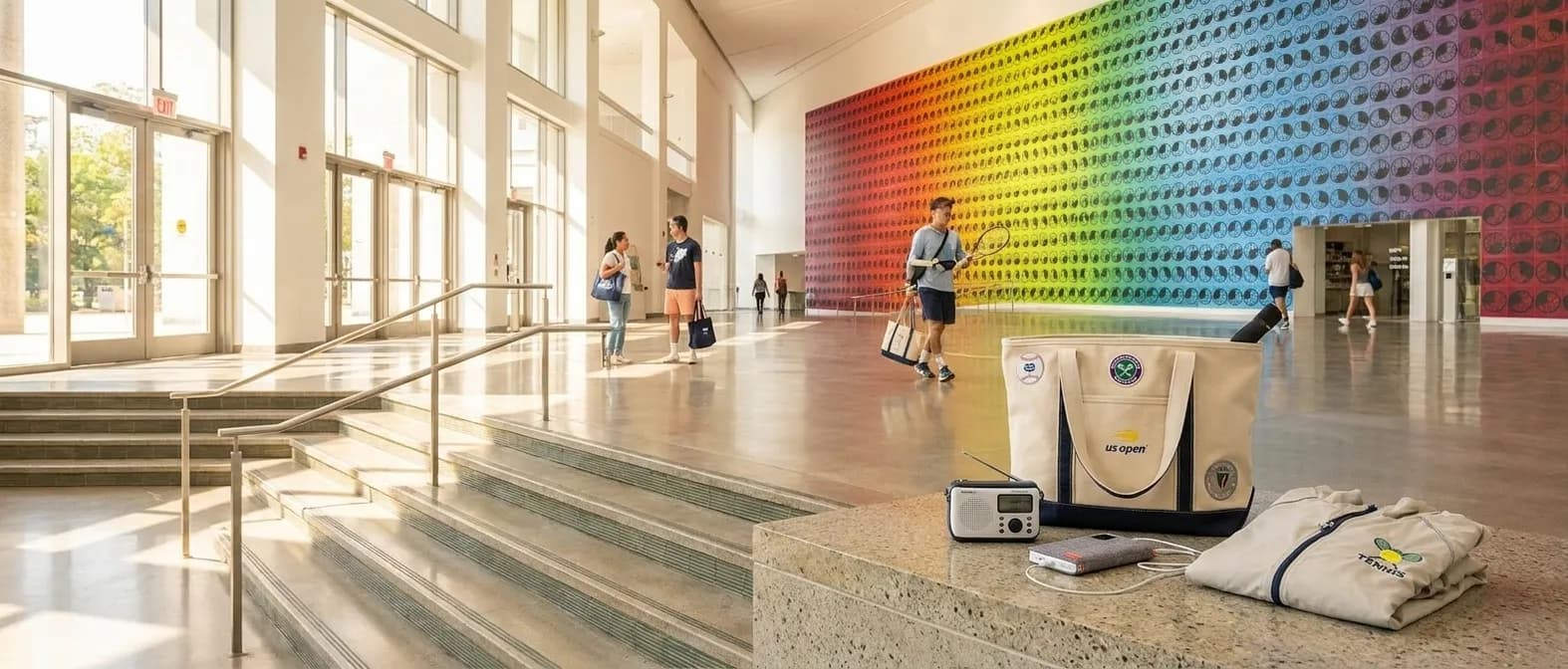
During a tornado watch—when you still have time to adjust plans—you can reduce risk by staying near substantial buildings with interior rooms. If you are exploring Flushing Meadows Corona Park before or after a match and a watch is in effect, the Queens Museum and the New York Hall of Science are two large, permanent structures within the park that may serve as indoor itinerary options. Both institutions have interior galleries, though you should confirm current public access and any special-event closures on their official websites before visiting. These are not designated emergency shelters, and staff may close doors, limit capacity, or direct visitors during severe weather.

If a tornado warning is issued while you are already inside one of these venues, stay inside and follow staff instructions. Move to an interior room or hallway away from windows as directed. Do not leave a substantial building to travel to another location during a warning. If you are at the US Open venue when a warning is issued, follow Wireless Emergency Alerts, National Weather Service guidance, and venue staff directions to move to the nearest substantial building or interior location they indicate, away from windows, without crossing the park.
Setting up phone alerts and official channels
Wireless Emergency Alerts will deliver tornado warnings directly to your phone if you are in the affected area. Read each message carefully to understand whether it is a watch or a warning. You can also enable notifications from the National Weather Service New York account on social media or bookmark the weather.gov/okx page for text updates. The National Weather Service remains the authoritative source for tornado watches and warnings. Before you leave for the grounds, make sure every member of your group has emergency alerts enabled, knows how to check the NWS page, and understands the difference between a watch and a warning.
Group communication and check-in plans
Cell networks can become congested during severe weather, so agree on a simple check-in method before you separate. Designate one person as the primary contact, share a group text thread, and choose a physical meeting point inside the venue in case you lose signal. If a tornado warning is issued, do not wait to reunite before taking shelter; move immediately to the nearest interior space as directed by officials and send a brief text once you are safe. After the warning expires, use your pre-agreed meeting point or text thread to regroup. Write down the phone number of at least one group member in case your battery dies, and consider carrying a small portable charger.
Transit and timing considerations
The US Open is served by the 7 train to Mets–Willets Point, the Long Island Rail Road, and several bus lines. During severe weather, transit service may experience delays or changes. If a tornado watch is issued in the afternoon, consider adjusting your departure time or waiting inside a substantial building until the watch expires. The MTA will post service alerts on its website and app. If you are in transit when a warning is issued, follow the operator's instructions and stay where officials direct you.
Accessibility and mobility notes
Visitors using wheelchairs, walkers, or other mobility devices should contact guest services in advance to ask about the venue emergency plan and accessible shelter routes. The venue's A-Z guide on usopen.org includes accessibility information. During an emergency, follow staff instructions and inform them immediately if you require assistance. The Queens Museum and New York Hall of Science both offer accessible entrances and interior galleries; confirm current conditions and staff availability on their official websites before visiting.
What not to do during a watch or warning
- Do not ignore a tornado warning or assume it will pass without affecting your area.
- Do not leave a substantial indoor building to travel across the park during a warning.
- Do not shelter in a car or temporary structure; move to the nearest substantial building as directed by officials.
- Do not delay taking shelter during a warning; move immediately to the location officials and staff direct.
- Do not rely solely on unofficial sources for weather alerts; enable Wireless Emergency Alerts and bookmark the National Weather Service page.
- Do not assume that every nearby building will grant public access during an emergency; follow staff instructions.
- Do not separate from group members who need assistance, and do not delay taking shelter to reunite with others.
Rechecking details and staying flexible
Weather forecasts, venue policies, and transit schedules all change, sometimes with little notice. Before you leave for the US Open, visit usopen.org for the latest information and check the National Weather Service forecast for Queens. Confirm that any buildings you plan to visit during a watch are open to the public that day. During a tornado watch, refresh these sources periodically and be ready to adjust your schedule—whether that means staying inside longer, leaving earlier, or choosing a different route. Flexibility and a few minutes of preparation will keep your group safe and let you focus on the tennis.
Tags: #USOpen2026 #TornadoWatch #WeatherSafety #Queens #FlushingMeadows #KarpoFinds #Karpo #TennisTravel
Sources consulted: National Weather Service — Tornado safety · National Weather Service New York · usopen.org — Official visitor A-Z guide · usopen.org — Official transportation directions · Queens Museum — Official website · NYSCI — Official website
All trademarks are the property of their respective owners.