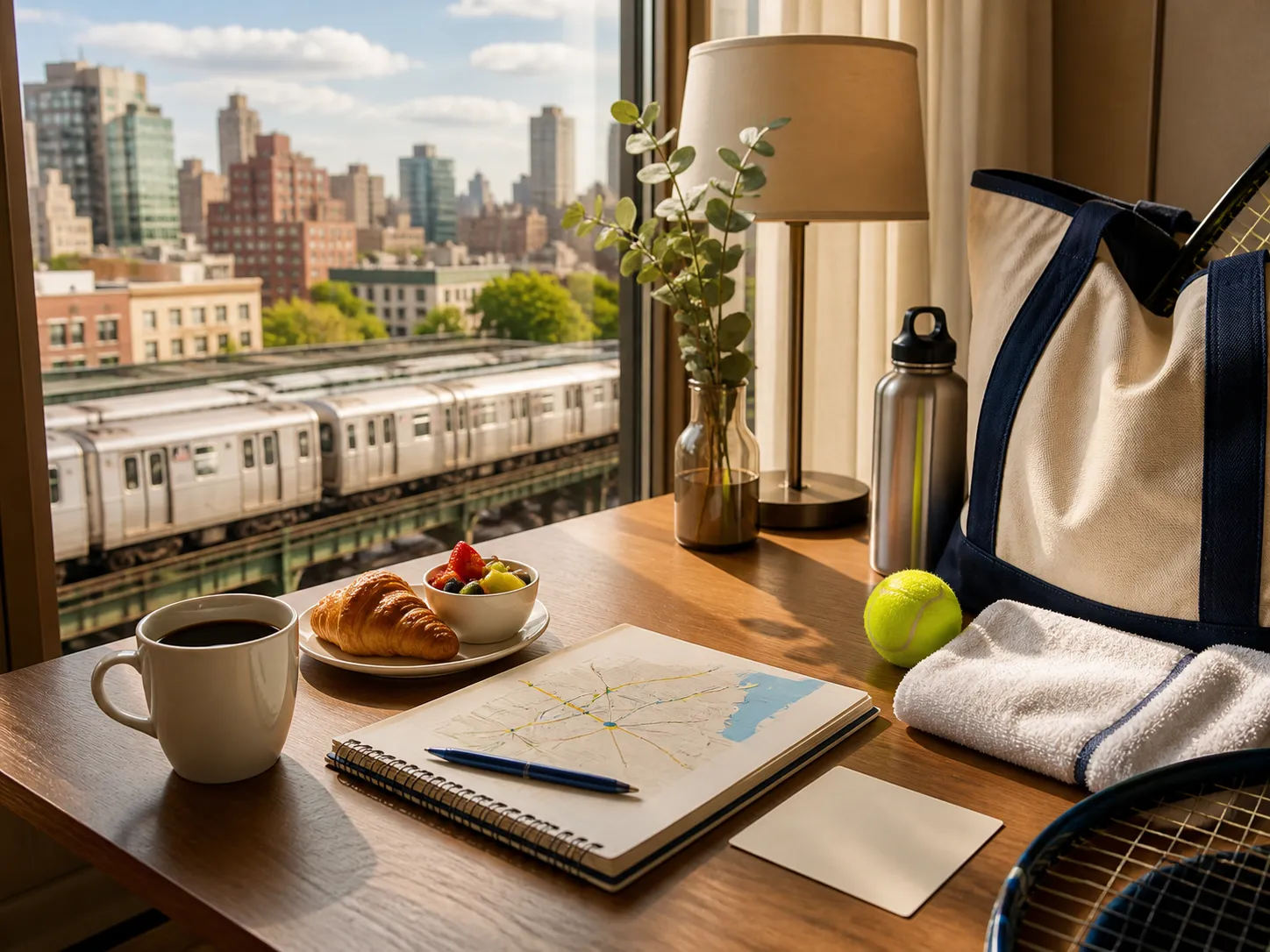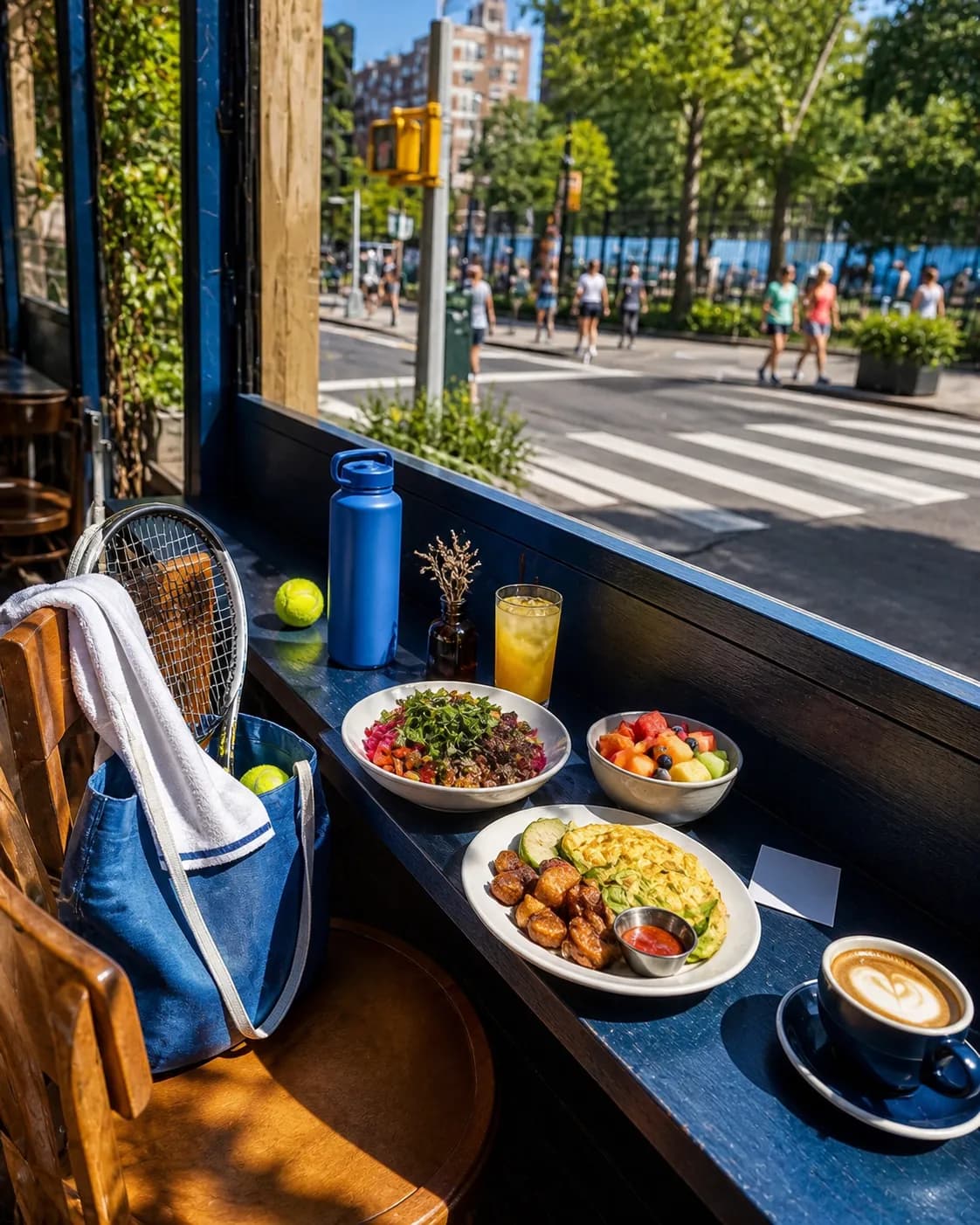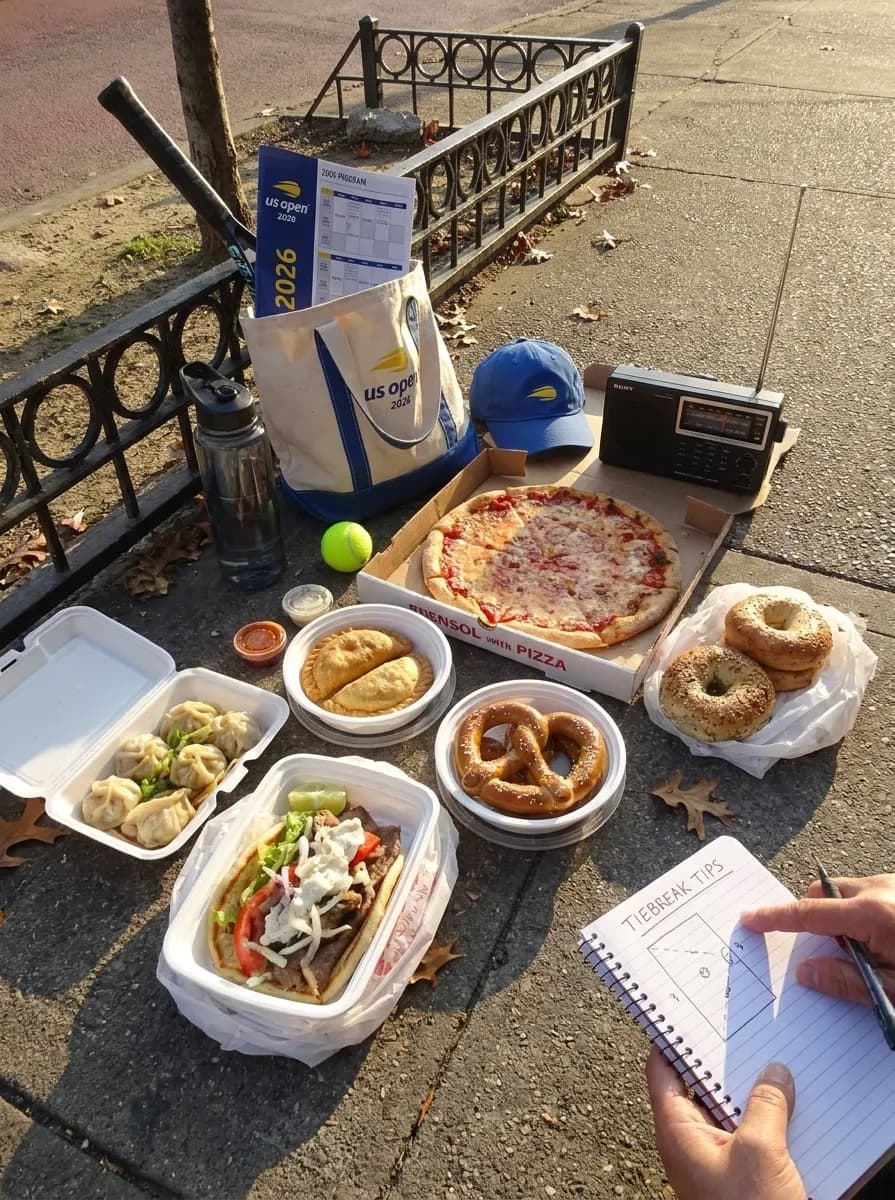
Tony Romo transformed NFL broadcasts by predicting plays before they unfolded, turning passive viewing into an active puzzle. That same anticipatory mindset—reading momentum shifts, spotting patterns under pressure, calling turning points aloud—translates beautifully to watching US Open tiebreaks from the stands or a sports bar along the 7 train corridor. When a fifth set reaches 6–6 or a first-to-ten decider begins, applying a commentator's eye helps you catch the micro-adjustments that decide matches, makes every point more legible, and gives you sharper stories to swap with friends over dumplings in Flushing or craft beer in Long Island City after the session ends.
Text Karpo with your US Open session time and Queens starting point, and we’ll turn this sports commentary habits for better tennis viewing into a practical local plan.
Why Romo's Prediction Style Fits Tiebreak Tennis
Romo's signature move is calling the play before the snap—identifying formation, down-and-distance, and defensive alignment to forecast what comes next. Tiebreaks reward the same forward-looking attention: serve patterns, court positioning, and fatigue cues telegraph whether a player will go wide, attack the net, or play safe. Watching with that lens turns a seven-point race into a readable sequence rather than a blur of winners. You start noticing when a server switches to the body serve under pressure, when a returner cheats two steps left, or when both players suddenly shorten points because legs are gone. Those observations make the tension concrete and give you a framework to discuss what happened when you debrief over coffee at a Jackson Heights café or text a friend during the changeover.
Calling Momentum Shifts Aloud in the Stands
Romo talks through his reads in real time, and doing the same—quietly, with your seatmate—sharpens focus and makes the match stickier in memory. When a player wins three straight points from 0–3 down in a tiebreak, naming the shift aloud—"She's stepping in now, taking time away"—helps you track why the comeback is happening, not just that it is. The USTA Billie Jean King National Tennis Center's seating puts you close enough to hear grunt patterns and racket-string tension, so layering your own commentary adds a second track of insight. It also makes rain delays, bathroom breaks, or long medical timeouts easier to navigate, because you've already built a mental model of the match and can pick up the thread when play resumes.
Pattern Recognition Across Multiple Matches
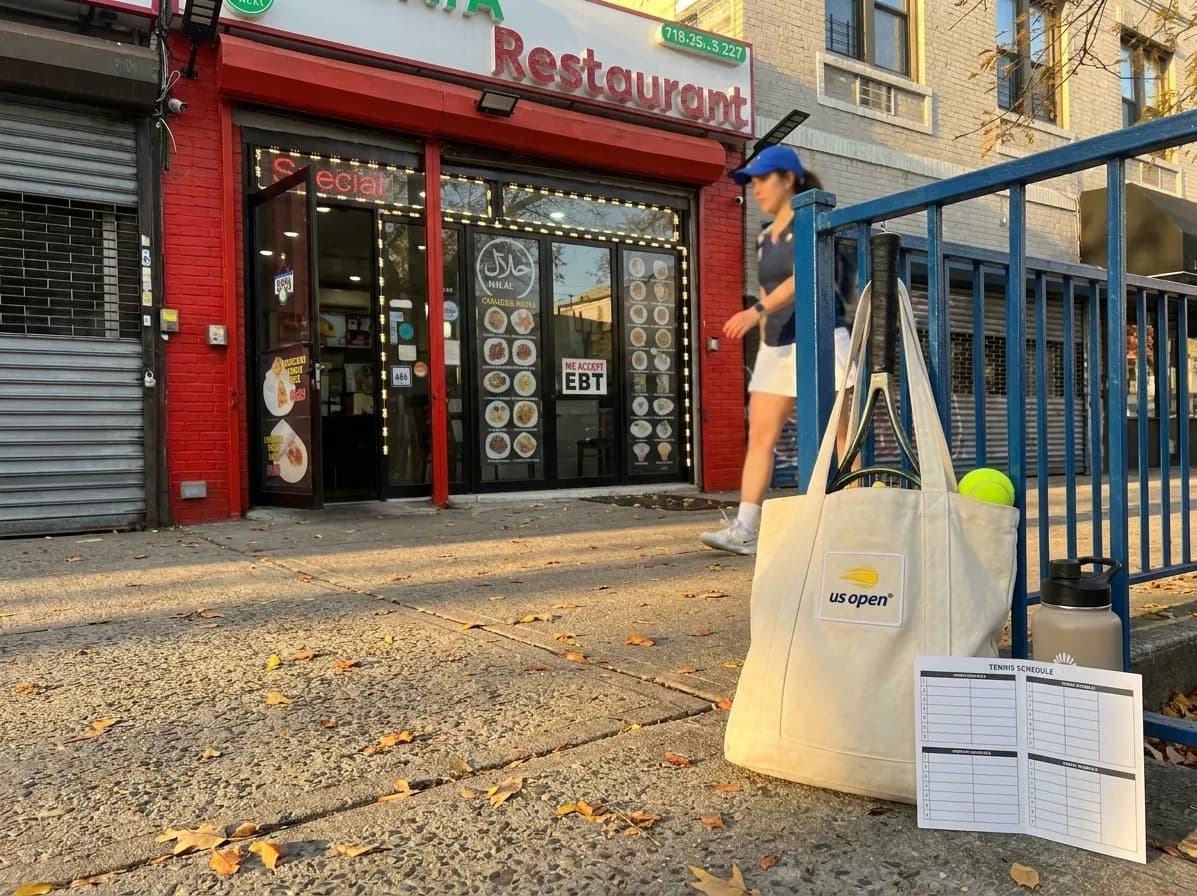
Romo's preparation includes studying tendencies across weeks of tape; you can do a lighter version by watching two or three matches in a single US Open day session and noting recurring tiebreak tactics. Does every player go to the forehand when serving at 5–4? Do returners crowd the baseline or drop back? Tracking these patterns across courts—Arthur Ashe, Louis Armstrong, the Grandstand—gives you a comparative database and makes each subsequent tiebreak more predictable. Between matches, walk the grounds, grab a snack from one of the official concession stands, and jot quick notes on your phone. By the evening session, you'll have a mental playbook that makes you the sharpest voice in your group chat or at the bar in Astoria later that night.
Using Broadcast Replays and Stat Screens
Romo benefits from instant replay and telestrator tools; at the US Open, the videoboards and the tournament's official app offer live stats, serve speeds, and point-by-point breakdowns. Glancing at first-serve percentage or unforced errors during a changeover gives you the data layer beneath your observational hunches. If you notice a player's body language sagging and the stats confirm a 40 percent first-serve rate, you've got both the why and the what. This dual-track approach—qualitative read plus quantitative backup—makes your commentary more credible and helps you decide whether to stay for a third set or head out to explore Flushing Meadows Corona Park, the Queens Museum, or the Unisphere before the evening rush.
Building a Viewing Routine Around the 7 Train Schedule
Romo's preparation is ritualized; yours can be too. The MTA's official US Open transit guide details 7 train frequency and Mets–Willets Point station access, so you can time your arrival to catch the end of a morning match, watch a full afternoon tiebreak, and still leave space for a walk through Corona's commercial strips or a late lunch in Flushing's food courts. Knowing the train runs every few minutes during day sessions means you can stay for a decisive tiebreak without worrying about missing the last express. That reliability lets you focus on the tennis, apply your commentary habits without clock pressure, and plan a post-match debrief at a Queens bar or bookstore that fits your energy level and curiosity.
Sharing Insights With Fellow Fans and Online Communities
Romo's commentary sparks immediate social-media reaction; your tiebreak observations can do the same in smaller, more personal circles. Posting a quick thread about a player's serve pattern or texting a friend your prediction before the final point creates a feedback loop that reinforces your analytical habits. If you're watching from a sports bar in Long Island City or a hotel lobby near Citi Field, striking up a conversation with another fan and comparing reads adds a live-commentary dimension that mirrors Romo's booth energy. Those exchanges often surface details you missed—a subtle grip change, a coach's signal—and deepen your understanding for the next match or the next year's tournament.
Practical Notes for Commentary-Focused US Open Days
Applying Tony Romo's anticipatory, pattern-spotting commentary style to US Open tiebreaks turns high-stakes tennis into a readable, shareable experience and gives you a practical framework for planning match days across Queens. By calling momentum shifts, tracking tendencies, layering in live stats, and building a train-friendly routine, you transform passive spectating into active analysis—and every tiebreak into a story worth telling long after the final point.
tony romo, US Open, tiebreaks, sports commentary, tennis viewing, Flushing Meadows, Queens, USTA Billie Jean King National Tennis Center, 7 train, MTA, pattern recognition, live stats, broadcast techniques, momentum shifts, match analysis, Flushing, Jackson Heights, Long Island City, Astoria, Corona, Mets–Willets Point, sports bars, local planning, tournament routine, real-time insight, viewer habits, New York tennis
US Open, USTA Billie Jean King National Tennis Center, Arthur Ashe Stadium, Louis Armstrong Stadium, and related event names are trademarks of the United States Tennis Association. MTA, New York City Parks, and NYC Tourism are service marks of their respective public agencies. All other trademarks, team names, and brand identifiers belong to their respective owners. This article is produced independently for local-planning purposes and is not endorsed by, affiliated with, or sponsored by the USTA, MTA, NYC Parks, or any professional sports league, broadcast network, or commercial entity.
Ask Karpo First
Tags: #USOpen2026 #Queens #FlushingMeadows #KarpoFinds #Karpo #tonyromo #NewYorkLocal #TennisTravel #NYCLocalLife #TennisTravel
Sources consulted: usopen.org — Official event schedule · usopen.org — Official visitor A-Z guide · usopen.org — Official transportation directions · usopen.org — Official prohibited-items guide · MTA — Official US Open transit guide · NYC Parks — Flushing Meadows Corona Park · NYC Tourism — Queens · NYC Health — Food Safety
All trademarks are the property of their respective owners.
Ask Karpo first
Want to know what is actually open, how to time the trip, and where to pause around Queens? Ask Karpo for the latest public US Open context, a respectful visitor plan, and a live route around Flushing Meadows before you head out.