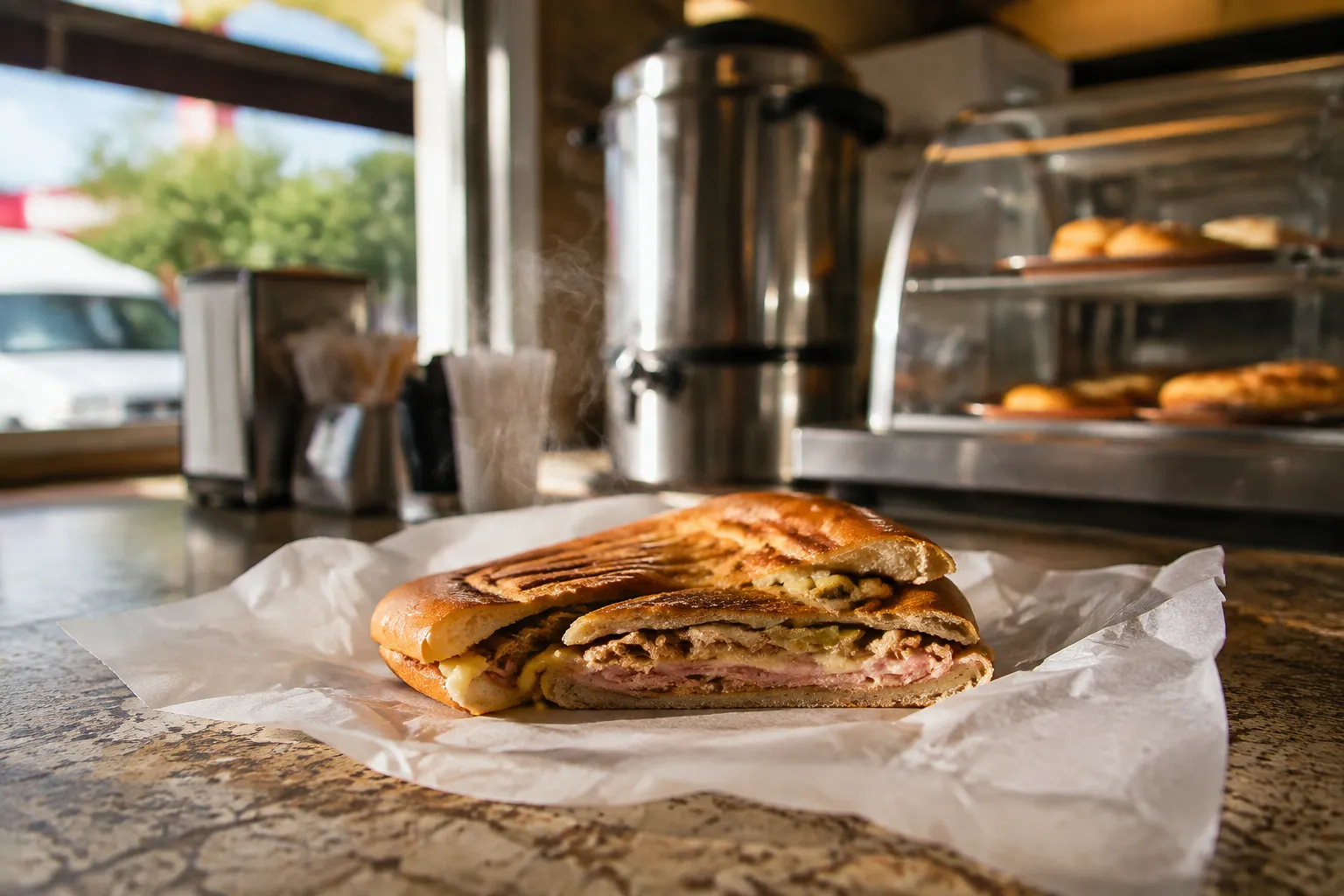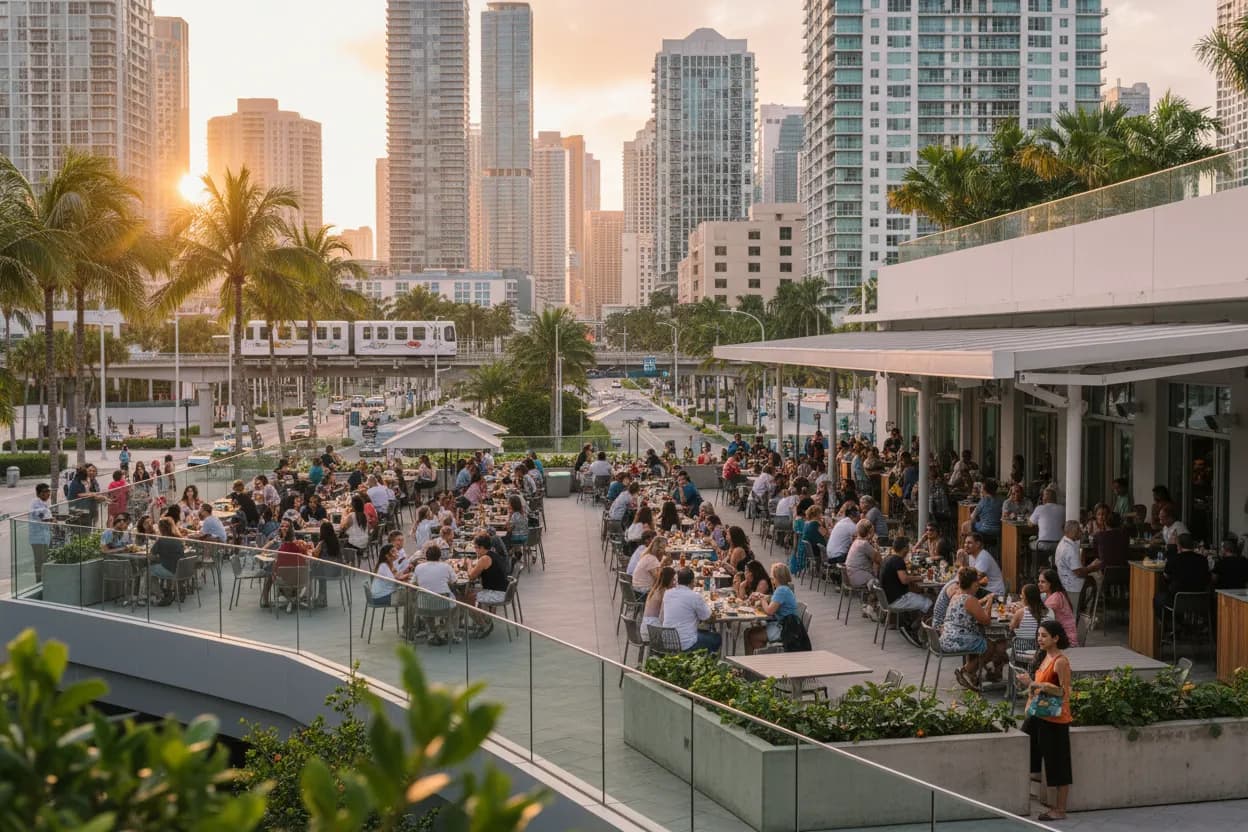
Miami rewards groups that plan like locals and punishes groups that improvise at the curb. If tommy detamore is the name everyone is searching before tonight’s meal, treat it as a conversation starter, not a reason to assume a sighting, partnership, pop-up, or private doorway exists. The official Greater Miami & Miami Beach visitor site frames the area’s restaurant scene around bold Latin and Caribbean flavors, celebrity-chef energy, food festivals, and distinctive neighborhoods. That is enough to build a smart public plan, but not enough to skip verification. For a group meal, the best decision is rarely “Where is the hottest table?” It is “Which public dining setup can handle our arrival time, mobility needs, transit route, and backup plan if the room is full?”
Want a Miami dinner plan that does not depend on rumors? Text Karpo with your group size, neighborhood target, timing, and transit preference before you commit to the first crowded option.

Use the trend as a dinner conversation hook
A search spike around tommy detamore can be useful because it gives the group a shared topic before dinner. It should not become the basis for claiming that any Miami restaurant, hall, hotel, or event space has a confirmed connection. Keep the standard simple: if an appearance, special menu, ticketed event, or endorsement is not posted by the official venue or organizer, do not build the night around it.
Instead, use the hook to choose a Miami meal that fits the people actually at the table. Greater Miami and Miami Beach are officially promoted as a culinary destination with Latin and Caribbean flavors, restaurants led by celebrity chefs, and food festivals. That broad identity supports a flexible dining plan: one group may want a polished seated meal, another may want a market-style stop where everyone can order separately, and another may need a transit-friendly meet point before moving on.
The verification-first move is to separate vibe from fact. Vibe is the group chat saying, “Let’s make it a Miami food night.” Fact is the venue’s current public information: hours, access details, reservation process, transit advisories, and whether the room can absorb a group without turning the evening into a sidewalk negotiation.
Choose the room before choosing the menu
For groups, the room matters before the cuisine. A narrow, reservation-dependent dining room may be perfect for four people and stressful for twelve. A food hall or market-style setting may reduce menu conflict because people can split up, order at different counters, and regroup. A restaurant with a more formal pace may be better when the point is conversation, celebration, or a slower meal.
Miami’s restaurant identity is broad enough that groups should not treat one style as the default. The official visitor language points to bold Latin and Caribbean flavors, celebrity-chef restaurants, and festivals, but those categories describe the citywide dining landscape rather than promising any single experience on a given night. If the group wants a specific style, check the restaurant’s own page before leaving, especially for hours, booking rules, and any temporary changes.
Make one person the verifier, not the dictator. That person should confirm the public basics and report back in plain terms: “This place is reachable, open according to its official page, has a clear contact path, and we have a second option if the wait is long.” That is more useful than forwarding a social post with no date, address, or operating details.
Match the market or hall to the group
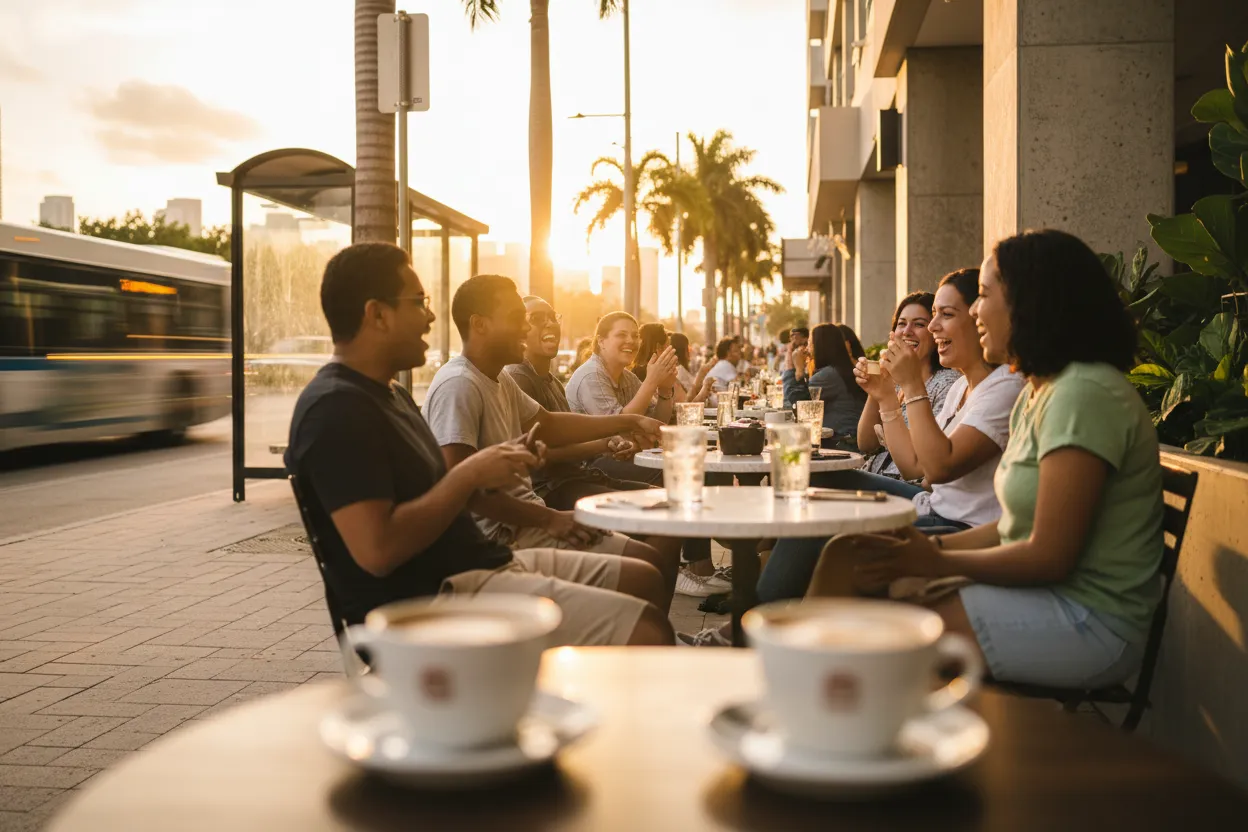
A mixed group often does better in a market or hall format than in a single-menu restaurant, especially when there are different appetites, budgets, or arrival times. The advantage is operational: late arrivals can still order, early arrivals are not holding a full table hostage, and the group can avoid debating one cuisine for half an hour. The downside is crowd exposure. If the space is popular, seating can be unpredictable, and the group may scatter unless you set a meeting point.
Before choosing that format, ask three practical questions. Can the group enter and regroup without blocking traffic? Is there a public transit route that works for the latest person, not just the earliest? Is there a nearby second stop if the first space is too crowded? Miami’s neighborhood variety is a strength, but it also means a plan that works in one area may not translate smoothly to another.
If the group prefers a seated restaurant, reverse the questions. Can the venue accept the group under its public rules? Is the meal timing realistic for everyone’s transportation? Is the menu range wide enough that nobody is forced into a bad fit? A smooth night is not the one with the most hype. It is the one where the group spends more time eating than solving logistics.
Keep the first stop easy to reach
Miami-Dade’s Department of Transportation and Public Works says its mass transit system includes Metrobus, BRT Metro Express, Metrorail, Metromover, MetroConnect microtransit service, and Special Transportation Service. That gives a group several public ways to reduce the car-and-parking burden, but the details are not something to guess. Use the official trip planner, transit tracker, service updates, and rider alerts before the group leaves.
This matters more for dinner than people admit. A restaurant may be open, but if the easiest route is disrupted or a key elevator is out of service for someone who needs it, the plan is not ready. Miami-Dade Transit’s official page specifically points riders to elevator and escalator status, service updates, transit alerts, and real-time tracking tools. Build those checks into the plan instead of treating them as emergency steps.
The current official transportation page also notes that Metromover service will begin operating at 2 p.m. on Saturday, Aug. 15, while upgrade work continues. That is a date-specific advisory, not a permanent rule, and it illustrates the larger point: check the official page on the day you travel. A dinner plan that depends on yesterday’s transit assumptions can fall apart quickly.
Save a nearby option for long waits
A backup is not pessimism; it is group hospitality. Pick the second stop before the first person starts walking. The backup should be close enough that the group can move without restarting the entire night, public enough that nobody is relying on private access, and flexible enough to absorb people with different food preferences. Do not make the fallback a venue with the same crowd risk as the first choice.
For a Miami restaurants plan, the backup can be another public dining room, a casual counter-service setup, or a different market-style location. The important part is that it passes the same verification test: current hours on the official venue page, realistic transit access, and a clear way to regroup. If the first stop has a long wait, the group leader should not start researching from zero on the sidewalk.
Use crowd risk language honestly. You can say, “This area may be busy,” or “This format can have seating pressure,” but do not promise a short line, guaranteed table, or celebrity-adjacent experience unless an official source says so. The best Miami night often comes from exiting a crowded plan early and choosing the place where everyone can actually sit, order, and talk.
Verify vendor hours before leaving
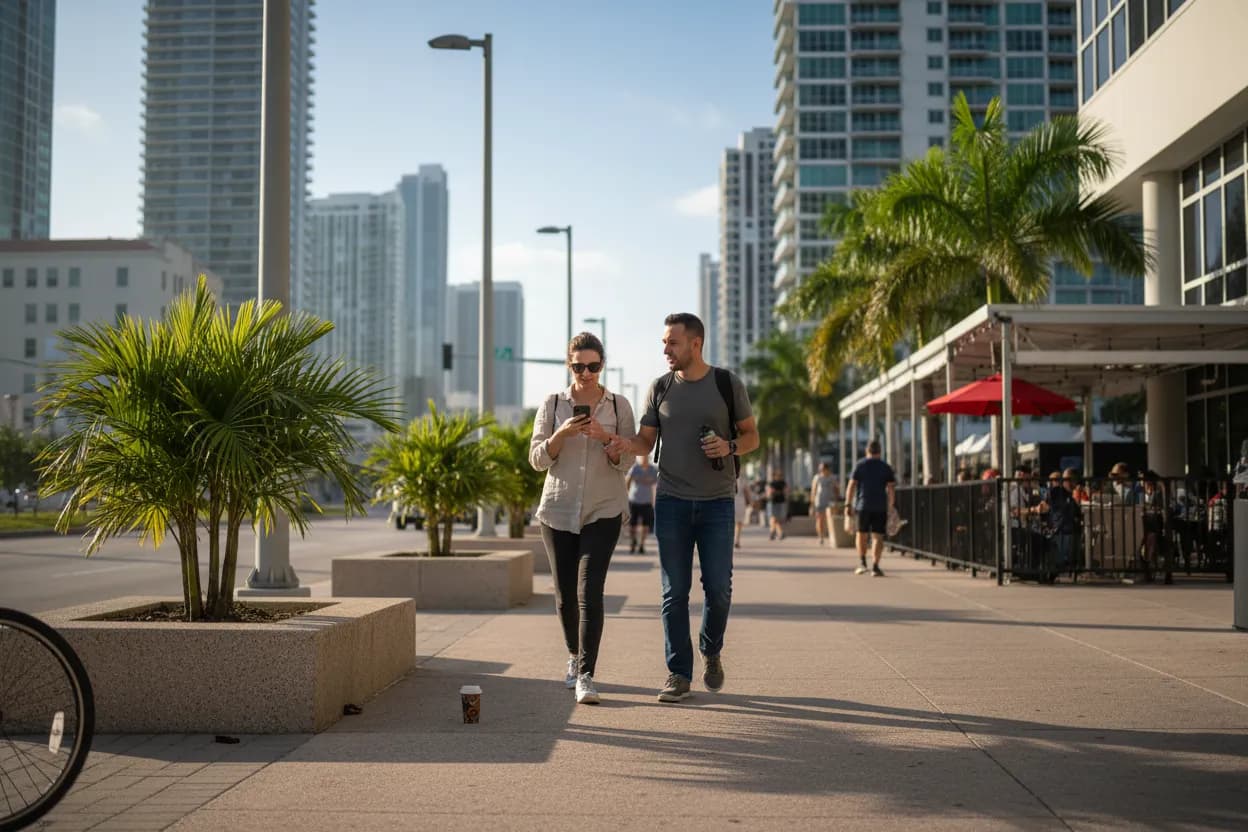
The last check should happen close to departure, not the day before. Official pages can change, private businesses can adjust hours, and public transportation can post alerts. Because one Miami-Dade health page in the provided official material returned a 404 page, this article does not make health-department operational claims. When health, safety, licensing, or inspection details matter to your group, use the appropriate current official government page and verify directly.
For restaurants and vendors, do not rely only on screenshots, old map listings, or reposted menus. Check the venue’s official site or confirmed public channel for hours and access details. If the group includes someone using mobility aids, also check the transportation accessibility tools before committing to a route. Miami-Dade Transit states that accommodations are made for people with disabilities to access and ride transit, and it provides channels for ADA-related information and complaints.
A clean pre-departure script keeps the night moving: “We have a first choice, a nearby backup, a transit route checked through official tools, and no assumptions about tommy detamore beyond it being tonight’s conversation hook.” That is the right level of skepticism for Miami. It leaves room for fun without turning search interest into a false promise.
Tags: #MiamiRestaurants #MiamiDining #GroupDining #GreaterMiami #MiamiBeach #MiamiTransit #FoodHall #DinnerPlan #LocalLife #RestaurantTips #TransitCheck #CrowdRisk #AskKarpo #BeforeYouGo
Sources consulted: miamiandbeaches.com · miamidade.gov · miamidade.gov
All trademarks are the property of their respective owners.
Ask Karpo first
Ask Karpo first before turning a search trend into a Miami dinner plan. Share your timing, group size, neighborhood preference, mobility needs, and whether you want transit or rideshare first. Karpo can help you pressure-test the route, the room, and the backup before anyone is stuck waiting outside.