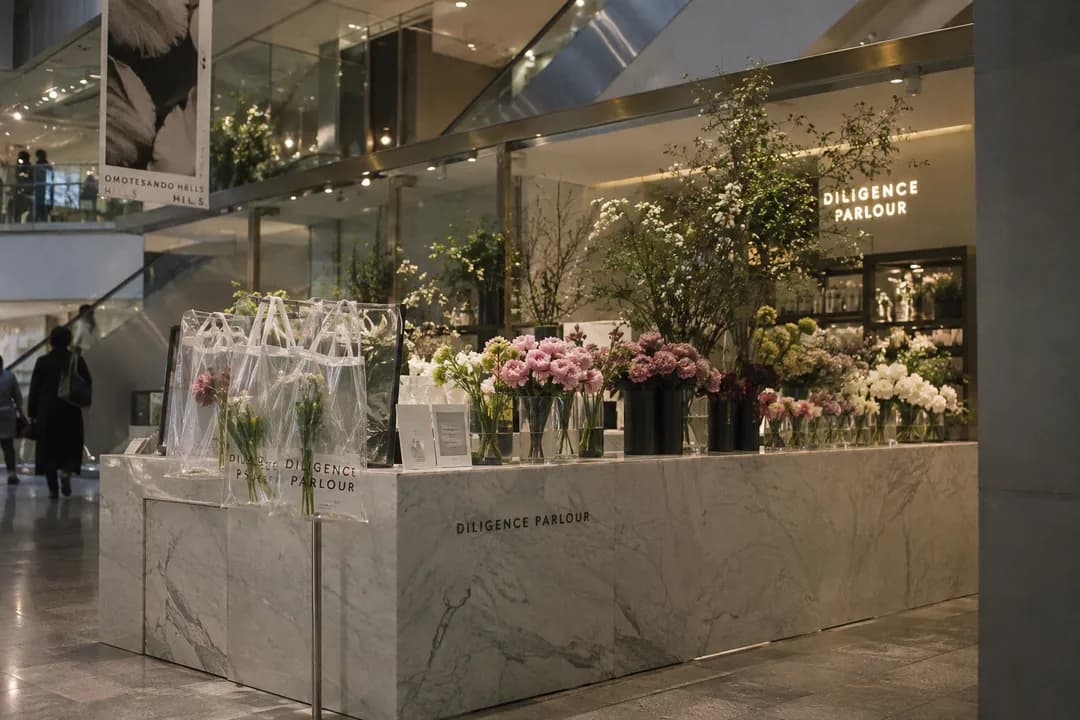
 Florist Shop Near Me in Omotesando: DILIGENCE PARLOUR Flower Kiosk
Hidden Gems & Odd Finds
Witchcraft Store Near Me: Tokyo Tarot Museum in Yanagibashi Asakusabashi
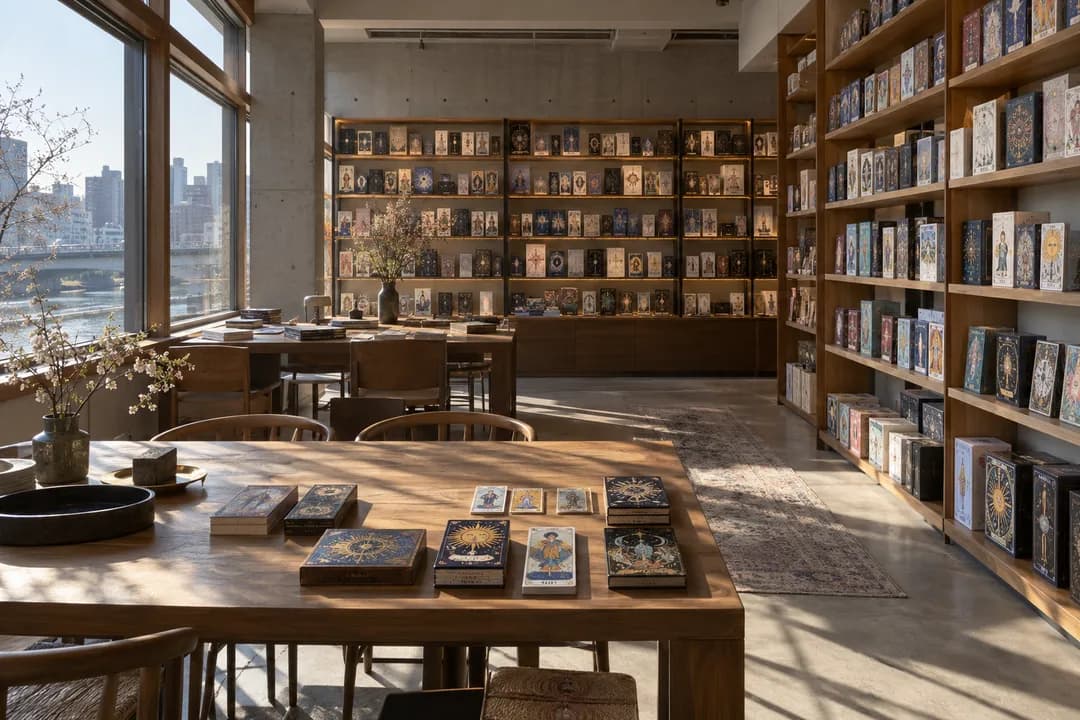
Tokyo Tarot Museum in Yanagibashi showcases over five hundred divination decks alongside historic esoteric card archives, herb teas, and reading tables.
Tokyo Tarot Museum operates at 2-4-2 Yanagibashi on the sixth floor of Ubase Asakusabashi in Taito-ku, establishing itself as Japan's premier cultural sanctuary dedicated exclusively to Western cartomancy and sacred symbolic art. Divination practitioners, esoteric scholars, and international travelers searching for a contemplative witchcraft store near me discover an inspiring library environment positioned along the tranquil banks of the Kanda and Sumida Rivers. Managed directly by Nichiyu Co., Ltd., the historic Tokyo enterprise that first introduced commercial tarot importation to Japan in 1946, the museum combines an extensive historical archive with a curated retail boutique offering over five hundred tarot and oracle decks. Polished wooden reading tables, soft ambient library lighting, and delicate porcelain cups of seasonal herbal tea create an atmosphere of scholarly calm where visitors can handle sample decks, contemplate esoteric archetype imagery, and acquire rare divination treasures.
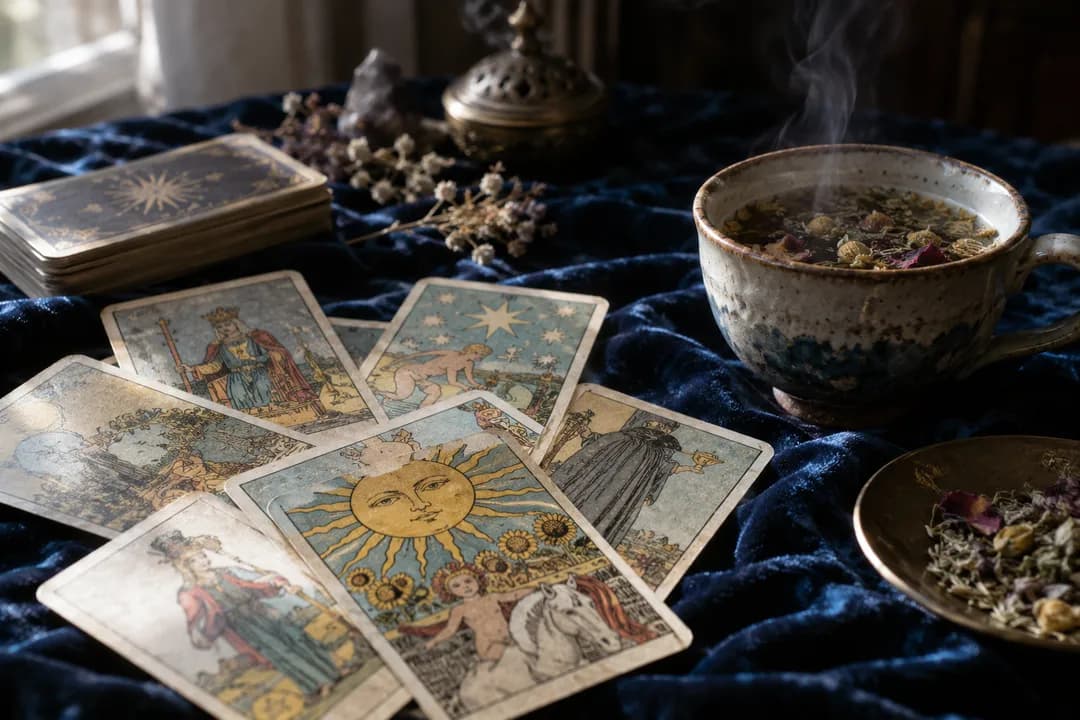
Historic Divination Archives and Five Hundred Decks in Yanagibashi
The core exhibition gallery showcases rare, out-of-print tarot decks alongside pivotal historical editions dating from the early Renaissance through the golden twentieth-century occult revival. Visitors can examine original Italian Visconti reproductions, early Marseille decks, and pristine vintage English printings of the iconic Rider-Waite-Smith cards. Unlike conventional museums where exhibits remain permanently locked behind glass vitrines, Tokyo Tarot Museum actively encourages tactile engagement. The retail showroom features hundreds of sample cards displayed in open wooden trays, allowing guests to feel the physical paper stock, examine edge gilding, and test card shuffle flexibility before purchasing. The store catalog spans traditional esoteric systems, French Lenormand decks, planetary astrology cards, and modern whimsical decks created by contemporary Japanese graphic illustrators.
The museum library houses over three thousand global card volumes, out-of-print divination catalogs, and scholarly monographs covering Hermetic symbolism, Kabbalistic pathworking, and Jungian dream interpretation. Comfortable armchair bays are positioned beneath wide eastern windows overlooking the Yanagibashi river district, offering quiet spaces to study card meanings or record impressions in personal reading journals. The boutique section also stocks velvet tarot pouches, hand-dyed satin spread cloths, brass card stands, and aromatic smudging sprays made with organic cypress and sage oils. Staff members possess deep specialized knowledge of tarot iconography and card printing history, readily guiding patrons through the nuanced symbolic differences between traditional Marseilles pips and narrative pictorial minor arcana.
Curatorial staff meticulously oversee environmental controls throughout the archival shelves, maintaining steady relative humidity and gentle diffused illumination to protect delicate antique card pigments from ultraviolet degradation. Rotating thematic vitrines highlight forgotten Japanese tarot editions from the Showa era, showcasing how Eastern illustrators interpreted classical European mystical arcana during the late twentieth century. In addition to standard cards, collectors can find specialty divination accessories including hand-carved cedar card resting blocks, embroidered silk wrapping cloths, and brass pendulum dowsing boards. The blend of rigorous academic documentation and sensory tactile appreciation makes the gallery a singular haven for serious esoteric researchers seeking tangible connections to global cartomancy traditions.
Timed Admission Details, Cashless Desk, and Reading Protocol
Tokyo Tarot Museum welcomes visitors Monday through Saturday from 10:00 am to 6:00 pm, operating on fixed ninety-minute timed reservation blocks to ensure an intimate and uncrowded environment. The gallery remains closed on Sundays and select national holidays. General admission costs ¥800 per visitor and includes a complimentary cup of aromatic organic herbal tea alongside a printed self-reading spread worksheet. Standard Rider-Waite-Smith decks retail at ¥3,300, while independent Japanese art decks and imported limited-edition collector boxes range from ¥3,800 to ¥7,500. Handcrafted velvet reading mats are priced at ¥2,200, and embroidered travel card bags sell for ¥1,800. The reception desk operates exclusively as a cashless facility, accepting Visa, Mastercard, JCB, American Express, and Japanese IC transport cards including Suica and Pasmo.
Visitors must reserve their preferred ninety-minute visiting window through the museum official reservation portal prior to arrival. Guests are asked to arrive approximately five minutes before their scheduled slot and check in at the sixth-floor front desk. Photography of open card displays and private study spaces is permitted, provided visitors refrain from using flash lighting or recording other patrons during their contemplation. Silence is respectfully observed throughout the reading salon to preserve the meditative focus of fellow cartomancers. Outdoor footwear is swapped for hygienic soft museum slippers provided at the entryway. For direct inquiries regarding deck availability or group access reservations, contact Tokyo Tarot Museum staff by telephone at 03-5809-2494.
The reading lounge provides spacious individual desks equipped with dimmable gooseneck study lamps, natural wood card stands, and linen tablecloths designed to protect card surfaces during comprehensive multi-card layouts. Guests can request complimentary refills of hot organic chamomile or rooibos tea while transcribing card insights into personal grimoires. Multilingual reference brochures detail three-card timeline spreads, Celtic cross layouts, and astrological houses, allowing overseas travelers to practice intuitive cartomancy without linguistic barriers. Museum docents maintain polite, hands-off attentiveness, stepping forward only when patrons seek guidance regarding card symbol origins or historical publishing provenance.
Sumida River Strolls, Edo Craft Workshops, and Traditional Dining
Yanagibashi has flourished since the Edo period as a historic entertainment and river-barging district, where wooden houseboats known as yakatabune still moor along the Kanda River estuary. Reaching Tokyo Tarot Museum is straightforward, situated just a three-minute stroll from the East Exit of Asakusabashi Station on the JR Sobu Line and Toei Asakusa Line. Walking east from the station along the stone-paved canal avenues reveals traditional bead wholesalers, leathercraft tool ateliers, and handmade Japanese washi paper merchant shops that have operated continuously across multiple generations. The neighborhood preserves a peaceful, unhurried rhythm that sharply contrasts with the neon density of nearby Akihabara, making it an ideal district for quiet intellectual and creative exploration.
After finishing an afternoon card-testing session, visitors can wander south across the arched steel Yanagi Bridge toward the Sumida River waterfront promenade, watching river barges glide past while enjoying the fresh river breezes. Nearby dining options celebrate classic Shitamachi culinary traditions, from long-standing soba noodle houses serving seasonal tempura to quiet specialty kissaten coffee houses offering siphon brews and warm castella cakes. Traditional craft workshops along the adjacent Kuramae district provide opportunities to browse handmade notebooks and artisanal incense sticks, perfectly complementing an afternoon spent exploring esoteric symbolism. Tokyo Tarot Museum anchors this historic neighborhood as an unmatched cultural nexus where classic European divination arts harmonize seamlessly with Tokyo's timeless appreciation for fine paper craftsmanship and introspective hospitality.
Crossing into the neighboring Kuramae warehouse area reveals contemporary lifestyle roasteries and independent craft studios housed inside renovated mid-century printing factories. Travelers can pause at riverside terrace benches to watch water taxis navigate beneath historic iron bridges while reviewing notes jotted down during museum study sessions. The surrounding streets remain pedestrian-friendly throughout afternoon and twilight hours, lined with stone lanterns and weathered wooden facades that evoke Tokyo's merchant heritage. Spending a full day traversing the riverside corridor between Asakusabashi and Kuramae allows esoteric enthusiasts to pair mindful divination shopping with authentic encounters with living Edo artisan traditions.
Ask Karpo for more information.
Keep reading
- Florist Shop Near Me in Omotesando: DILIGENCE PARLOUR Flower Kiosk
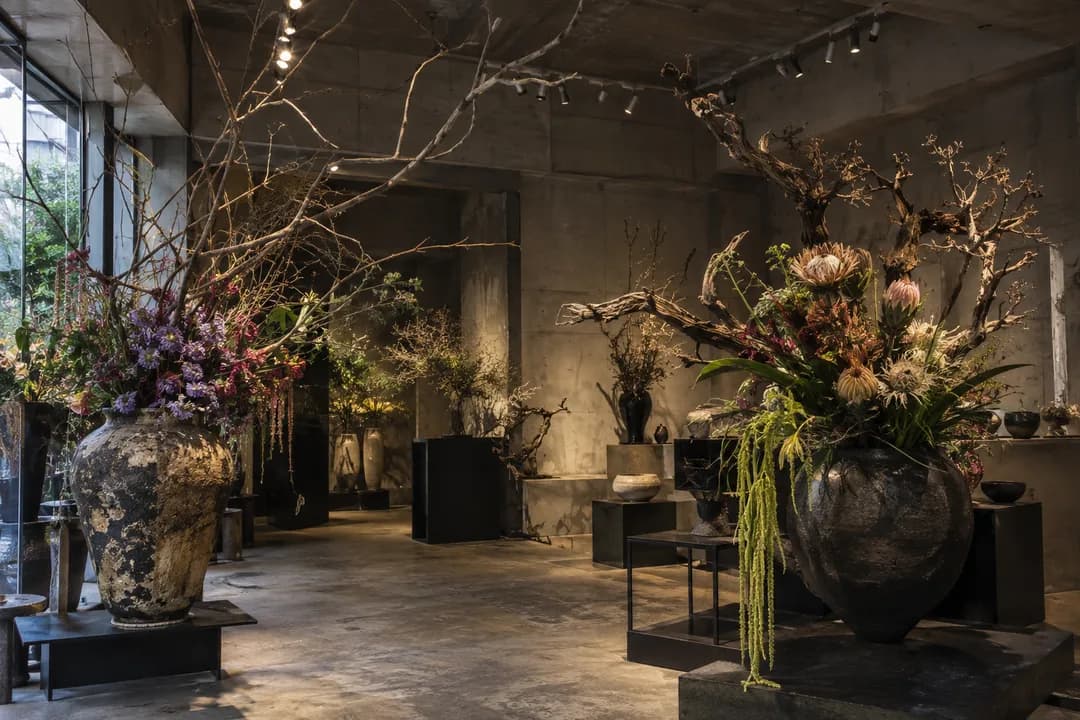 Florist Shop Near Me in Gaienmae: FUGA Floral and Plant Design
 Florist Shop Near Me in Minami-Aoyama: Nicolai Bergmann Flagship Guide