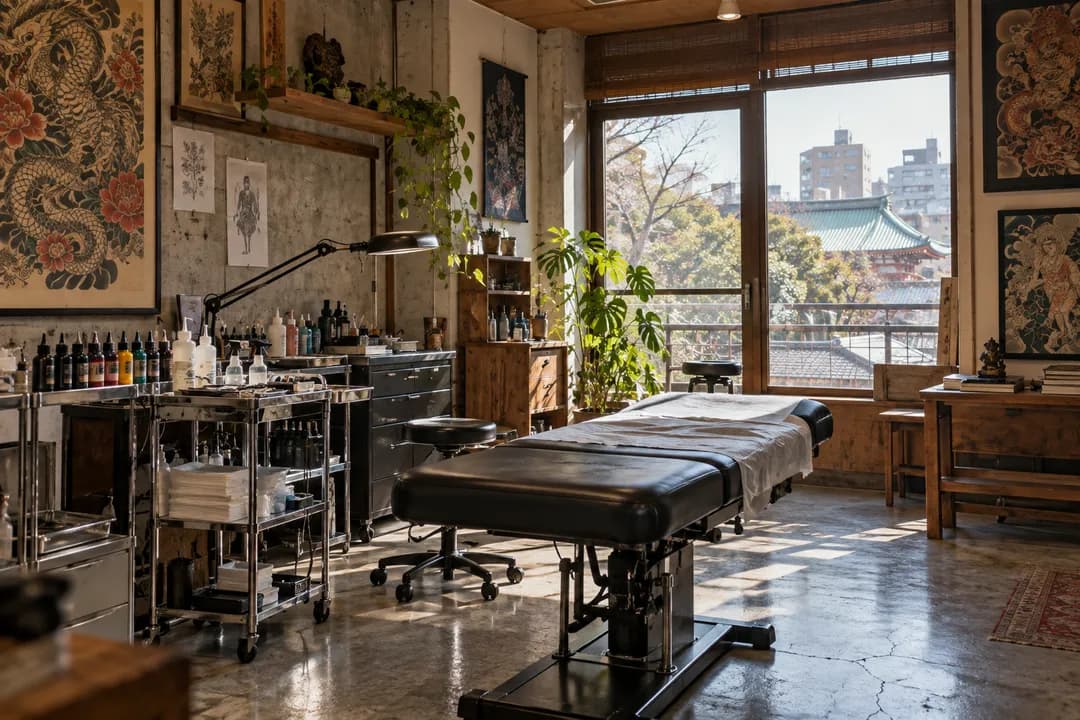
 Tattoo Parlor Near Me in Ueno: NEEDLING TATTOO Tokyo
Hidden Gems & Odd Finds
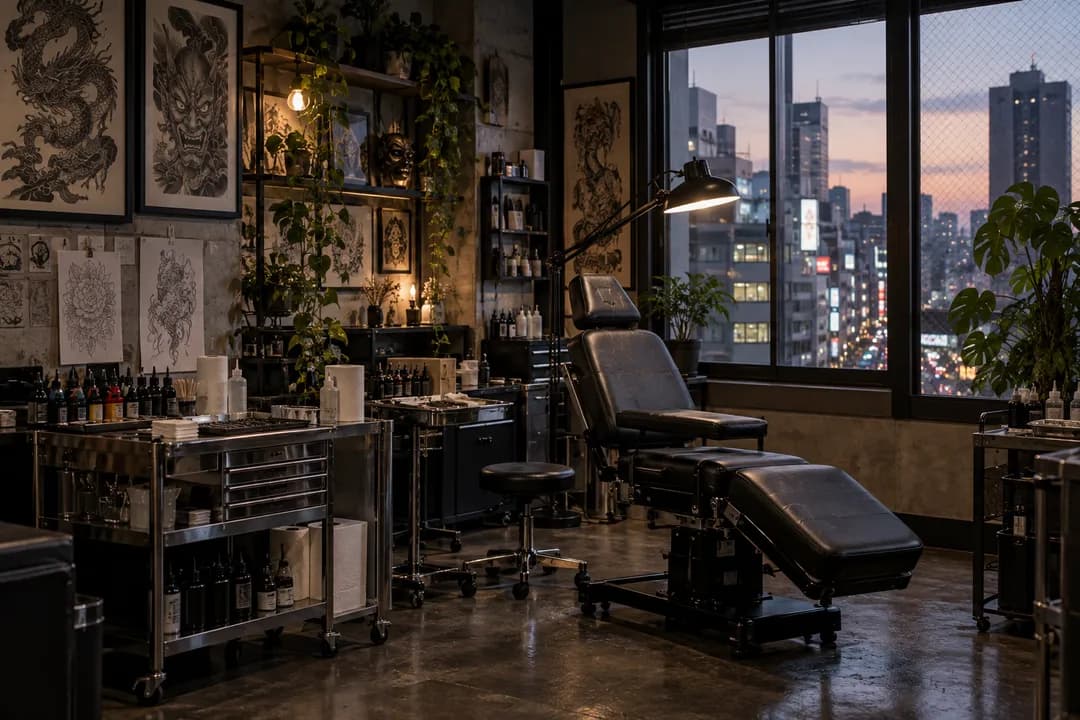
Tattoo Parlor Near Me in Shibuya: GRAY TATTOO on Dogenzaka
GRAY TATTOO in Shibuya, Tokyo: exact address, appointment planning, design brief tips, aftercare basics, and a neighborhood walk.
GRAY TATTOO is listed at 2 Chome-14-19 Dogenzaka, Shibuya City, Tokyo, with +81 70-9070-2468 as the public contact. Dogenzaka is a useful neighborhood label but not enough arrival information by itself. Save the full address, the studio name, and the phone number in one note. Shibuya’s crossings and station exits can make a short distance feel longer, so the appointment should begin with a calm building search rather than a last-minute sprint.
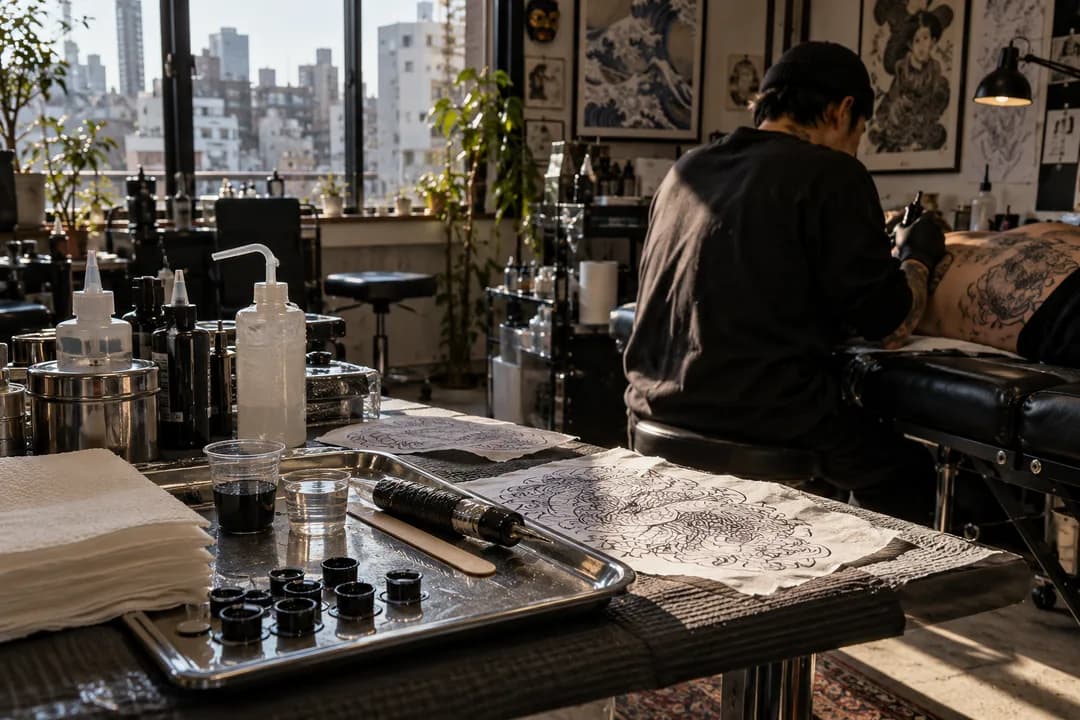
Make Dogenzaka the Fixed Point
A good brief for a Dogenzaka studio is concrete. State the subject, body location, approximate size, line or shading preference, color limits, and how visible the tattoo should be at work or in daily clothing. If the design is a cover-up or sits near older ink, say that immediately. The artist can only judge composition honestly when the existing canvas and the desired result are both part of the conversation.
Bring references as evidence, not as a demand for duplication. One image might explain density, another might explain a contour, and a sentence can describe the mood you want. For text, use selectable spelling and inspect the stencil carefully. Check the orientation while standing, the proportions around joints, and whether the negative space is doing enough work. Shibuya speed is useful outside the studio; inside, deliberate review is the better pace.
Write the Brief for the Body
Dogenzaka can turn a simple arrival into a noisy one, particularly if the client is carrying shopping bags or following someone else’s navigation. Leave a buffer and avoid an immediate reservation on the opposite side of the city. Consultation, design edits, breaks, and aftercare all belong to the timetable. A calm first ten minutes often produces better questions than another rushed stop squeezed before the chair.
Use the portfolio as the deciding evidence. A studio may be central, photogenic, and easy to reach while still being the wrong match for your requested linework or scale. Look for examples that resemble the actual piece, not merely images with a similar subject. If the fit is uncertain, ask what can be adapted and what would be outside the artist’s usual work. Skipping a mismatch is better advice than forcing convenience to become a reason.
Use the Portfolio as Evidence
Wear something that provides access to the tattoo area without pressing the skin on the way home. Carry water, booking information, offline references, and identification if requested. Leave a large bag elsewhere. Anyone accompanying you should have an independent plan because not every studio can function as a waiting lounge. Agree on a landmark before entering, especially if the other person is unfamiliar with Shibuya’s busy street grid.
The stencil is where a visual idea becomes a body-specific decision. Check scale while relaxed, read any text slowly, and look at the design from the angles other people will actually see. Ask for a correction if the balance is off. A respectful artist expects the client to review; a careful client gives useful feedback rather than saying yes automatically because the appointment has already taken time to arrange.
Slow Down the Arrival
Keep aftercare in the same mental category as the tattoo itself. Ask about the covering, washing, timing, and restrictions around sweat, sun, water, exercise, and clothing. Follow the studio’s instructions and keep them available after leaving. The easiest post-session plan may be a direct ride back rather than another Shibuya attraction. Fresh work and a crowded nightlife route are not natural partners.
Center-gai and Shoto offer very different moods around Dogenzaka. Use that contrast only if the client feels comfortable after the session. A short quieter route toward Shoto may be preferable to a dense shopping crowd. Do not carry purchases against the new tattoo, and do not treat a planned walk as mandatory. The best neighborhood route is the one that can be shortened without drama.
Choose the Recovery Route
If the design is not settled, stop at the consultation. A fixed travel date is not a design argument. Write down the missing decisions, ask what the artist needs next, and keep the option of returning. A postponement protects the client from turning a temporary scheduling problem into permanent ink. The city will still be there when the concept is clearer and the body is ready.
For a companion, choose a clear waiting landmark and a simple time window. This avoids crowding the studio and reduces the chance of lost contact in the station maze. Afterward, prioritize clean clothing, low friction, and a direct route. Shibuya can be the reward later; the tattoo should not have to compete with a packed evening schedule during its first hours.
Set a Companion Landmark
Practical Notes for GRAY TATTOO: the listed address is 2 Chome-14-19 Dogenzaka, Shibuya City, Tokyo, and the listed phone is +81 70-9070-2468. Save the full Dogenzaka address, bring an edited reference set, and leave space for stencil review and aftercare. Center-gai, Shoto, and the station are optional surroundings. The appointment remains the day’s fixed point.
GRAY TATTOO’s listed destination is 2 Chome-14-19 Dogenzaka, Shibuya City, Tokyo, and the listed phone is +81 70-9070-2401. Record both details with the studio name before setting out. Dogenzaka’s slopes, crossings, and busy retail frontage can make a short walk feel longer when you are carrying references or trying to arrive without sweating. Choose one station exit or street-level landmark as the navigation checkpoint, then keep the phone available for the final approach instead of burying it in a shopping bag.
The strongest preparation is specific to the body area. Note whether the design will be visible in normal work clothes, how it will move when you sit or walk, and whether a seam or strap will touch it during the trip home. Bring the booking information, a compact reference set, water, and loose clothing. During the consultation, explain what you want preserved and what the artist may reinterpret. When the stencil is ready, inspect it while standing normally, check the direction of any lettering or figure, and consider the surrounding negative space. Asking for a correction at that point is part of the process, not an inconvenience.
Shibuya offers plenty to do after a session, but Center-gai is not automatically the right recovery route. A quieter walk toward Shoto, a seated stop with little crowd pressure, or a direct ride back may protect the new work better than another retail circuit. Keep the evening flexible, follow the studio’s care instructions, and let the tattoo—not the neighborhood’s energy—decide how much of Dogenzaka you see.
Ask Karpo for more information.
Keep reading
- Tattoo Parlor Near Me in Ueno: NEEDLING TATTOO Tokyo
 Tattoo Parlor Near Me in Harajuku: INSCRIBE Tattoo Studio
 Tattoo Parlor Near Me in Harajuku: Crystal Tattoo Studio