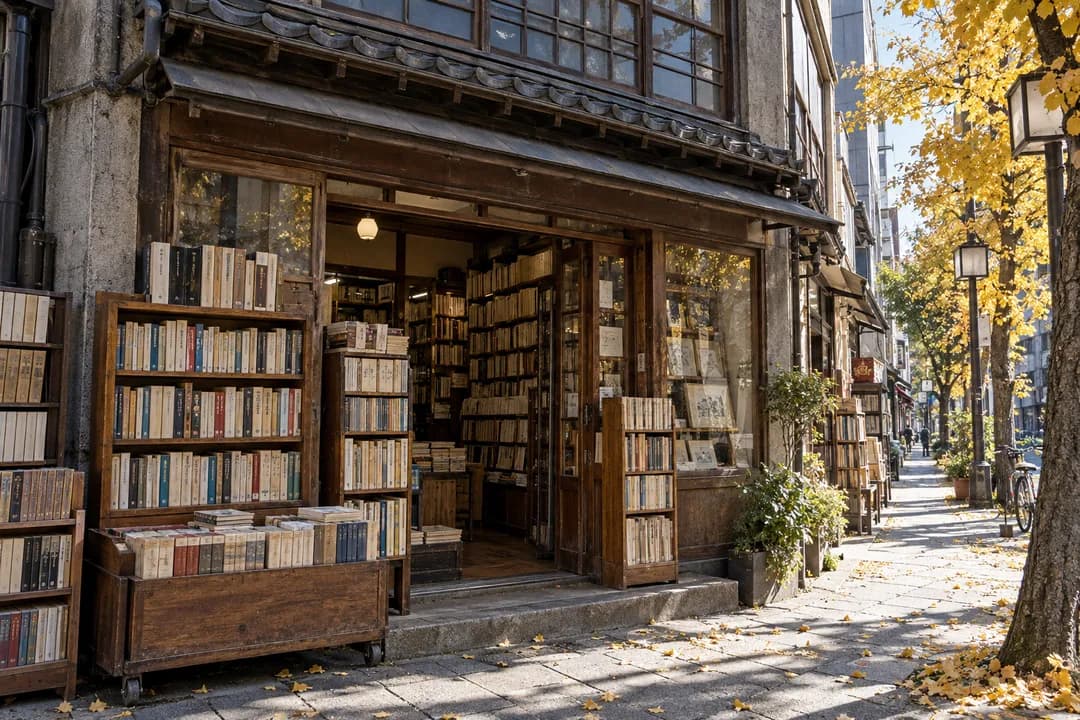
 Secondhand Bookshop Near Me: A Slow Browse at Isseido Booksellers
Hidden Gems & Odd Finds
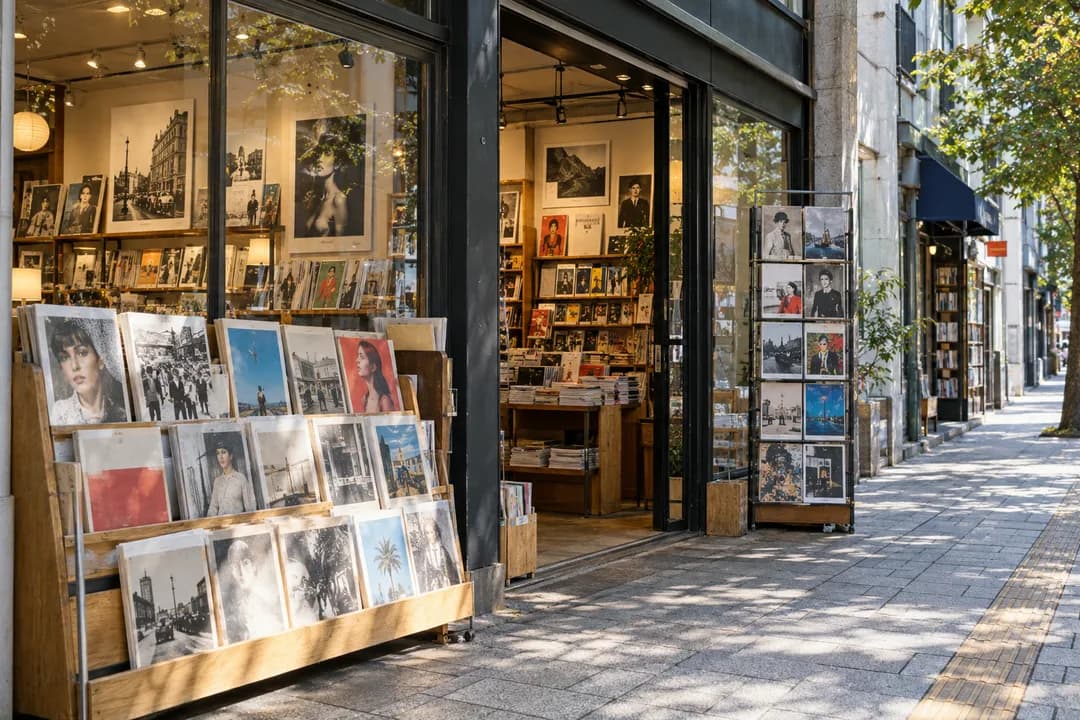
Secondhand Bookshop Near Me: A Slow Browse at Magnif
A practical guide to Magnif in Jinbocho, with its secondhand shelves, browsing rhythm, neighborhood walk, and tips for choosing a book.
Magnif changes. Magnif is at 1-17-7 Kanda Jinbocho, Chiyoda-ku, Tokyo 101 0051, and it shifts the secondhand-bookshop question toward magazines, covers, issue dates, and visual memory. Magnif is a periodical and visual archive stop for visual researchers, stylists, designers, and readers who judge a publication by content and cover. Magnif replaces the conventional book hunt with a search through covers, issue dates, fashion images, and design memory.
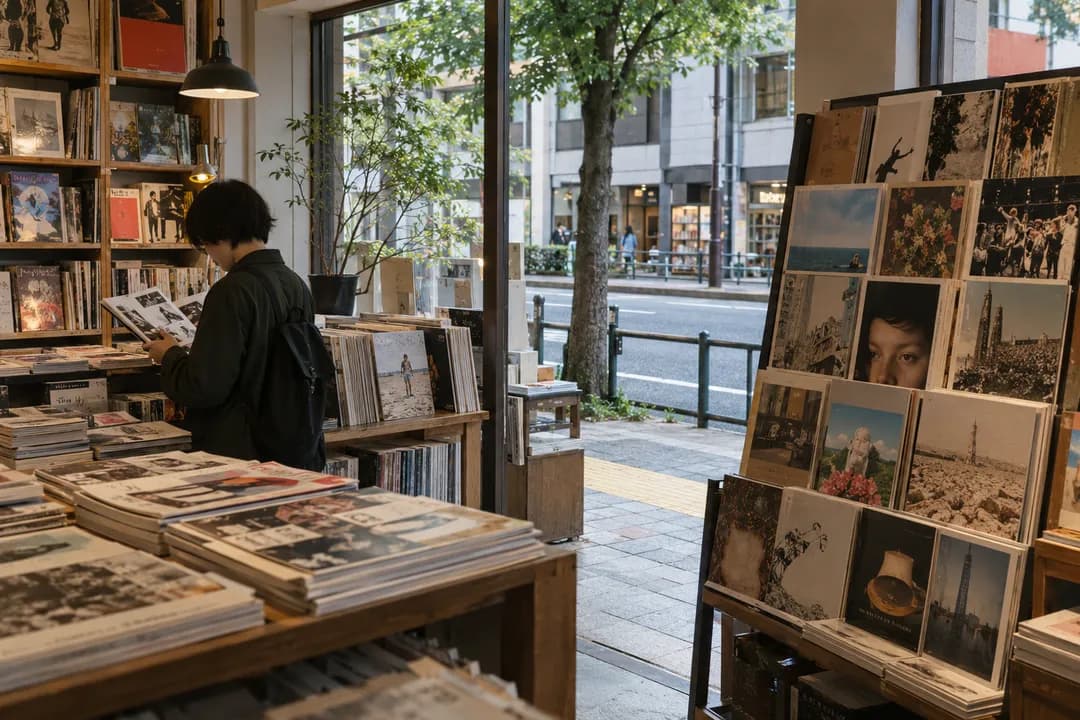
What You Find Inside
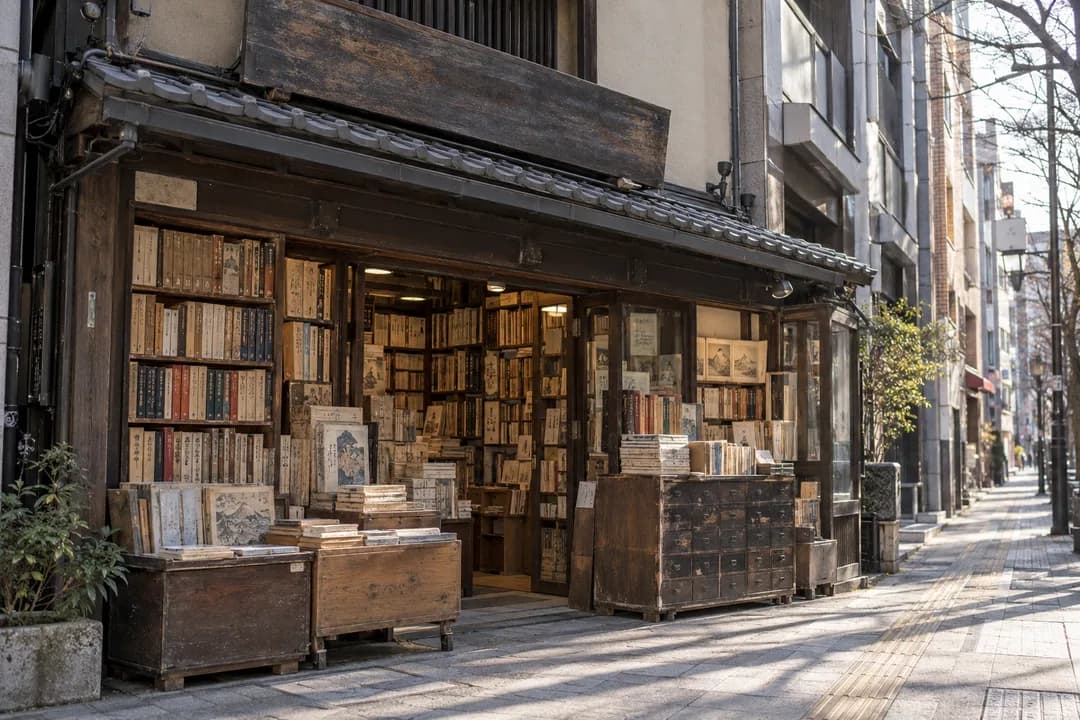
The cover is. Magazine racks, paper condition, cover design, Jinbocho pavement, and sharp editorial daylight That setting gives Magnif a role in the day beyond shopping. Come looking for one issue, but let Magnif’s covers and dates reveal a wider visual story.
Start with issue. Start with the territory that makes Magnif specific: used magazines, fashion issues, design references, and visual ephemera. At Magnif, read the rack by issue, cover, and condition before choosing an image. Compare issue dates, cover treatments, and adjacent racks before deciding which publication matters.
Periodicals reward. The stock at Magnif is best read as evidence of its setting. Used magazines, fashion issues, design references, and visual ephemera can lead to a practical title, a visual reference, or an older edition that would be easy to overlook in a new-book display. For magazines, compare issue date, completeness, cover, and page condition.
How To Browse Without Missing The Good Shelves
Condition matters. Make the browsing method fit Magnif. At Magnif, revisit the rack whose issue dates or covers created the strongest connection. Magnif’s pause matters because an issue date or cover can matter more than a famous title. At Magnif, revisit the issue that still tells the strongest visual story.
Keep a stack. The small rule at Magnif is simple: check issue dates and condition, keep magazines flat, and look beyond the first rack. At Magnif, keep periodicals flat and do not build a stack that bends the covers. Magnif’s magazines are easier to preserve when every stack is handled with care.
Choose an image. Choose a book with a job after visiting Magnif. The right purchase might be a fashion issue, design spread, or periodical whose images document a moment more directly than a modern summary. For Magnif, compare issue date, completeness, and cover condition before paying for an image archive.
The Neighborhood Walk Around It
Walk toward. Walk the Magnif issue toward Suidobashi and see whether its images still tell the story. If the Magnif issue does not hold your attention, another rack may be stronger. Magnif has still done the valuable work of showing you a possibility without forcing a sale.
Suidobashi gives. The neighborhood gives Magnif its second layer. The setting is magazine racks, paper condition, cover design, Jinbocho pavement, and sharp editorial daylight. Use the shop as the anchor for the Jinbocho book street, local coffee shops, and Suidobashi. The outside route gives Magnif a different scale, helping you decide whether the title belongs in your bag or should remain on the shelf.
The fair verdict. The honest judgment is that Magnif is not for every kind of errand. It is a strong match for visual researchers, stylists, designers, and readers who judge a publication by content and cover, but a conventional bookshop when you need continuous text rather than periodical evidence may be the better answer when your need is narrow and immediate. That boundary gives Magnif its purpose as a periodical archive rather than a general bookshop.
Practical Notes For A Better Book Hunt
The issue that. The most memorable find at Magnif may be less prestigious than it is personal. Magnif may uncover a periodical whose images document a moment more vividly than a summary. Magnif’s value is the moment a periodical turns a visual trace into a usable reference.
Before checkout. Before leaving Magnif, repeat the small checks that protect the purchase. Compare the edition once more, make sure the cover and pages are sound, and keep the address in mind for the next district stop: 1-17-7 Kanda Jinbocho, Chiyoda-ku, Tokyo 101 0051. Magnif’s issue mix makes another visit useful when a project’s visual direction changes.
Practical Notes. Practical Notes for Magnif: wear comfortable shoes, carry a small bag, and leave room in the plan for one unexpected category. Keep your subject list short enough to abandon. At Magnif, keep magazines flat, ask about an issue when needed, and choose the publication with lasting visual use. That is how a visit to Magnif stays intentional rather than accidental. At Magnif, remember the issue date or cover that carried the strongest evidence. That note helps a future Magnif visit locate the issue type or visual period you need. At Magnif, a good browse ends with a clear choice, not simply a full bag. Leave space for the title that proves the visit to Magnif was worth making. The extra minute suits Magnif and prevents a rushed purchase. It leaves the shelf and the street connected. That balance is what makes Magnif memorable. Magnif’s final choice should have a visual or research purpose beyond its cover. The final pause is part of the browse. That habit protects the choice at Magnif from impulse and leaves room for a better find. Magnif makes a strong stop for anyone who reads images as historical evidence. A fashion issue, advertisement, or design spread can reveal a period through layout and paper before the article is read. Check completeness and condition, then decide whether the issue belongs in research, styling, or simple pleasure. The right magazine is not merely old; it is useful for seeing a culture at a particular moment. Magnif is not a substitute for a literature-heavy shop, and that difference is useful to know. It gives the browse its own purpose. Leave with a publication you can cite, display, revisit, or discuss, not merely a stack chosen because the covers looked bright on the rack.
Ask Karpo for more information.
Keep reading
- Secondhand Bookshop Near Me: A Slow Browse at Isseido Booksellers
 Secondhand Bookshop Near Me: A Slow Browse at Kitazawa Bookstore
 Secondhand Bookshop Near Me: A Slow Browse at Yamada Shoten