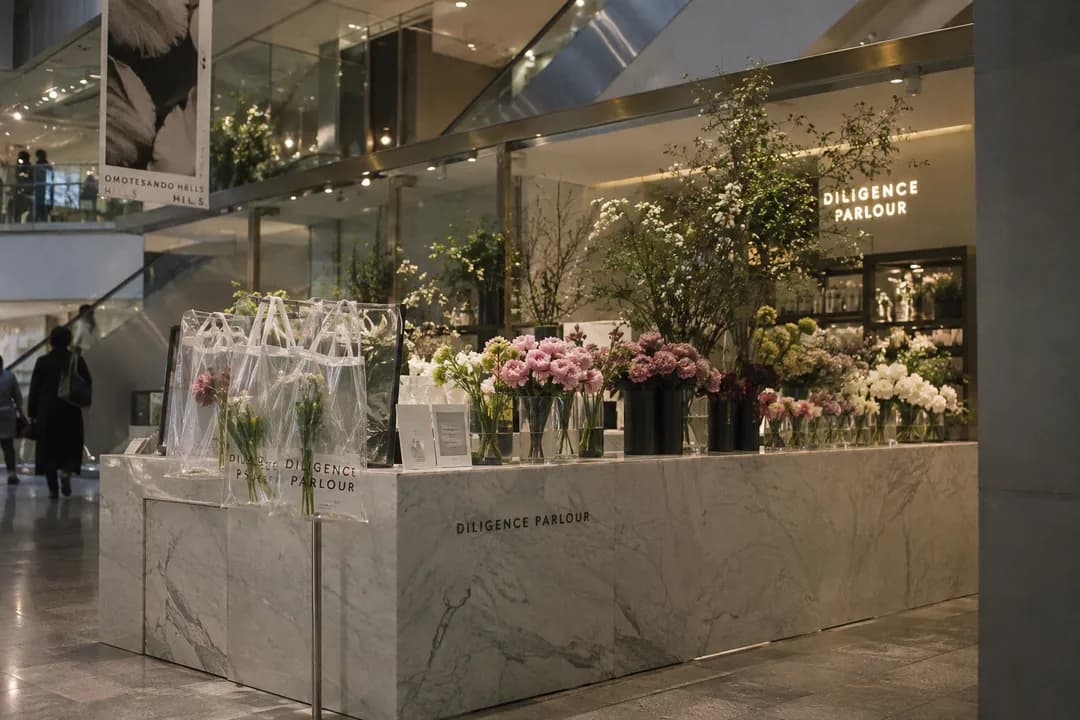
 Florist Shop Near Me in Omotesando: DILIGENCE PARLOUR Flower Kiosk
Hidden Gems & Odd Finds
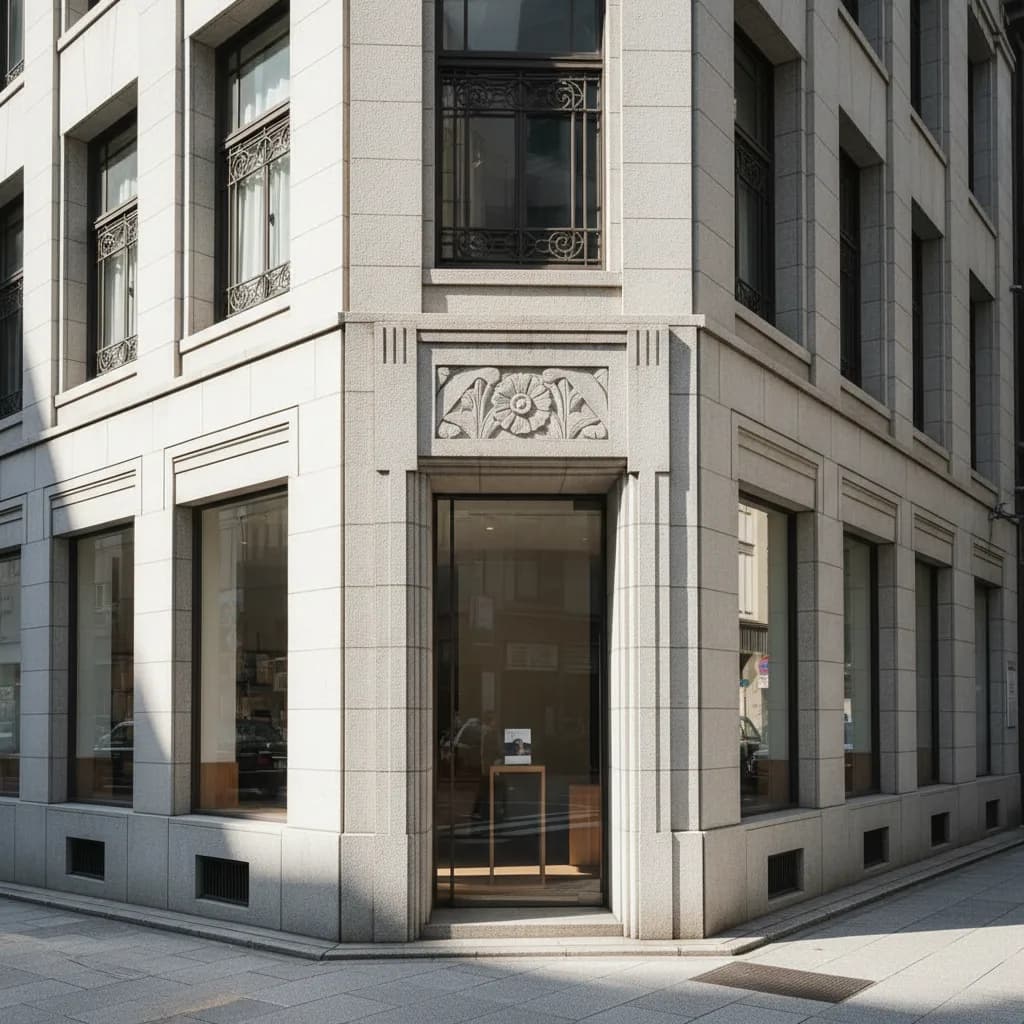
Independent Bookshop Near Me in Ginza: Morioka Shoten Tokyo
Morioka Shoten in Ginza sells only one book at a time inside the historic 1929 Suzuki Building, transforming single titles into immersive weekly gallery exhibitions.
Morioka Shoten operates on the revolutionary premise of selling exactly one book title at a time inside the ground floor of the historic Suzuki Building at 1-28-15 Ginza, Chuo-ku, Tokyo 104-0061. Founded by veteran antiquarian bookseller Yoshiyuki Morioka in May 2015, this iconic bookstore strips away the dizzying distraction of thousands of commercial spine titles to celebrate the singular power of one printed work. For international readers and Tokyo residents searching for an independent bookshop near me across the quiet eastern lanes of Ginza, Morioka Shoten delivers a profound literary sanctuary where bookstore and art gallery become entirely indistinguishable.
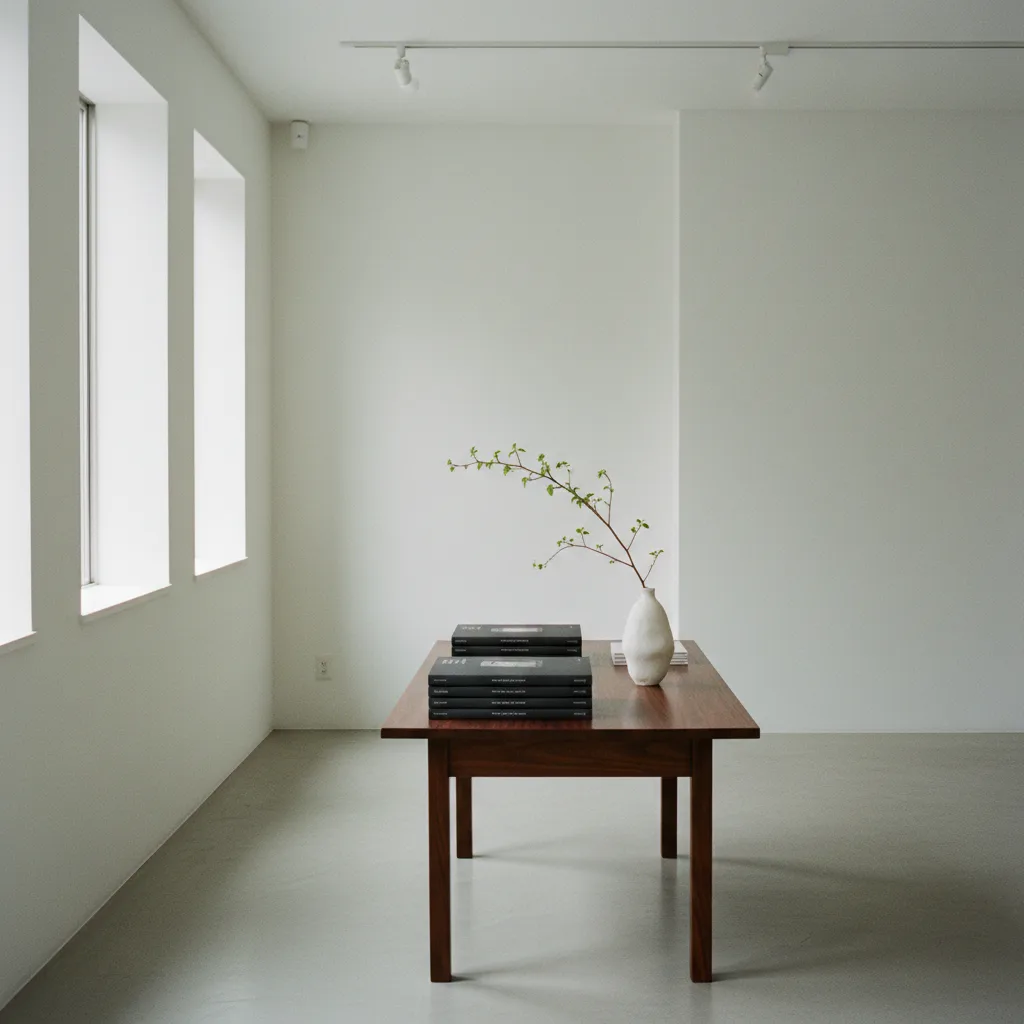
The storefront occupies a tranquil residential pocket of Ginza 1-chome, just two blocks east of the roaring Showa-dori boulevard. Stepping off the paved sidewalk through the building's arched entrance, visitors enter a compact, luminous gallery room measuring barely sixteen square meters. The shop maintains regular operating hours from Tuesday to Sunday between 1 pm and 8 pm, observing a firm weekly closure every Monday to allow Yoshiyuki Morioka and his visiting artists to install the incoming exhibition.
Direct telephone inquiries reach the desk at 03-3535-5020, though regular patrons understand that phone lines frequently ring unanswered when Morioka is engaged in deep conversation with an author or assisting an overseas visitor. General admission to inspect the room and its curated installations is completely free of charge. Each visitor is encouraged to pick up the featured volume, leaf through its heavy unbound signatures or textured letterpress leaves, and converse directly with the shopkeeper about why this individual text merits undivided attention.
The Suzuki Building Heritage and A Single Room with a Single Book
The physical home of Morioka Shoten is as historically significant as the literary concept it pioneered. The Suzuki Building was constructed in 1929 in the immediate aftermath of the Great Kanto Earthquake, designed in a restrained Showa modern style featuring rounded window bays, textured exterior masonry, and delicate Art Deco plasterwork. Official recognition as a Tokyo Metropolitan Selected Historic Building shields the structure from modern redevelopment, preserving an irreplaceable window into early twentieth-century Ginza architectural culture.
During the late 1930s, this very building served as the creative headquarters for Nippon Kobo, the influential avant-garde publishing collective founded by legendary graphic designer Hiromu Hara and photojournalist Ihei Kimura. Here, groundbreaking international publications such as the quarterly magazine NIPPON were edited and printed, establishing a deep historic lineage of experimental editorial craftsmanship. Morioka intentionally selected this room because he felt an invisible dialogue between the building's publishing ancestors and his contemporary mission to distill bookmaking to its purest essence.
The design of the gallery interior was conceived in close collaboration with the renowned multidisciplinary studio Takram. Rather than building commercial bookshelves along the perimeter walls, the room was stripped down to raw concrete surfaces, soft muted off-white walls, and a single central vintage counter crafted from dark polished Japanese timber. A small 1930s green metal desk lamp and an antique brass cash register rest silently at one end, allowing the spotlight to fall entirely on the featured publication resting upon the tabletop.
Curated Weekly Title Rotations and Exhibition Artifacts
Every Tuesday afternoon, Morioka Shoten unveils a fresh title across an eclectic spectrum of contemporary Japanese and international publishing. One week might highlight a limited-edition risograph monograph on traditional Kyoto woodblock carving; the following week might showcase an experimental architectural study, an artist cookbook featuring foraging recipes, or a deeply personal poetry collection. Crucially, the bookstore does not merely stock multiple copies of the book; it rebuilds the entire physical environment to bring the book's narrative universe to life.
When Morioka Shoten presented Koh Ito's evocative black-and-white photography collection GINZA TOKYO 1964, published by Morioka Shoten itself and priced at 6050 yen, the gallery walls were hung with original gelatin silver prints captured during the Tokyo Olympic year, accompanied by vintage street maps and archival streetcar tickets from the mid-1960s. For Yoshiyuki Morioka's own beloved memoir Koya no Furuhon-ya, published by Shobunsha at 1760 yen, the store displayed the handwritten original manuscript pages alongside the well-worn leather satchel he carried during his decade working in Kanda Jinbocho.
Standard weekly publications typically retail between 2200 yen and 3850 yen, reflecting prevailing Japanese trade publishing rates for high-production art monographs and design journals. To ensure the experience remains deeply tactile, Morioka frequently commissions creators to produce bespoke complementary artifacts available alongside the book. Readers can purchase custom ceramic brush rests, screenprinted linen wrapping cloths, or hand-bound letterpress pamphlets, transforming each purchase into a multisensory keepsake.
Gallery Etiquette and Mindful Reading in a Compact Space
Entering Morioka Shoten requires a conscious adjustment of physical tempo. Because the interior measures only five tsubo, the room comfortably accommodates no more than four or five visitors simultaneously. Patrons instinctively lower their voices to a gentle whisper upon crossing the threshold, allowing the subtle rustle of heavy paper stock and the faint ticking of an antique wall clock to dominate the acoustic environment. Unhurried concentration takes precedence over swift commercial browsing.
A vital unwritten rule of the establishment governs group movement: if three or four people are already examining the central display table, waiting newcomers politely pause outside on the stone steps of the Suzuki Building. Photography of the overall installation is graciously permitted when requested, but flash photography, intrusive selfie sticks, and continuous smartphone filming are strictly forbidden. The core etiquette is to greet Morioka-san with a slight bow, view the book as an integrated exhibition, and respect fellow visitors absorbed in reading.
An honest observation for weekend travelers is to skip arriving between 3 pm and 5 pm on sunny Saturday afternoons, when design students and architecture enthusiasts frequently create brief queues along the narrow pavement. Instead, the most rewarding visiting window arrives on weekday afternoons around 1:30 pm just after opening, when the room is washed in natural daylight and Yoshiyuki Morioka has ample time to share personal anecdotes regarding how he discovered the week's featured creator.
Practical Notes and Historic Ginza Neighborhood Itinerary
Reaching Morioka Shoten is delightfully straightforward from multiple central Tokyo subway lines. The closest station is Shintomicho Station on the Tokyo Metro Yurakucho Line; take Exit 3 and walk westward along the tree-lined residential street for barely two minutes. Alternatively, passengers arriving via the Tokyo Metro Hibiya Line or Toei Asakusa Line can alight at Higashi-ginza Station, walking seven minutes north-east past the iconic Kabukiza theater and crossing the bridge over the underground expressway.
The surrounding pocket of Ginza 1-chome and neighboring Shintomicho offers a charming contrast to the glittering luxury department store facades along Chuo-dori. After concluding your visit at Morioka Shoten, take a five-minute stroll eastward toward the historic canal paths of Tsukiji, where independent tea houses serve roasted hojicha and artisanal wagashi. If the weekly featured exhibition at Morioka Shoten happens to be completely sold out or closed between exhibition cycles, an excellent nearby alternative is the expansive Tsutaya Books inside the GINZA SIX complex on the 6th floor at 6-10-1 Ginza, which houses extensive global art archives.
Payment at Morioka Shoten is simple and flexible, accepting major international credit cards and Japanese electronic transportation IC cards such as Suica and Pasmo alongside cash. Because each weekly exhibition is strictly finite, running from Tuesday through Sunday afternoon, titles that capture your interest should be purchased on the spot; once the Sunday 8 pm closing chime sounds, the remaining copies are packed away and a completely different title takes its place.
In an era dominated by algorithmic recommendations and infinite digital scrolling, Morioka Shoten stands as an enduring monument to human curation, quiet physical space, and the enduring dignity of the printed word. Making the pilgrimage to this quiet Ginza corner reminds every bibliophile that sometimes, the richest reading experience begins not by searching through an endless labyrinth of options, but by committing fully to a single extraordinary book.
Ask Karpo for more information.
Keep reading
- Florist Shop Near Me in Omotesando: DILIGENCE PARLOUR Flower Kiosk
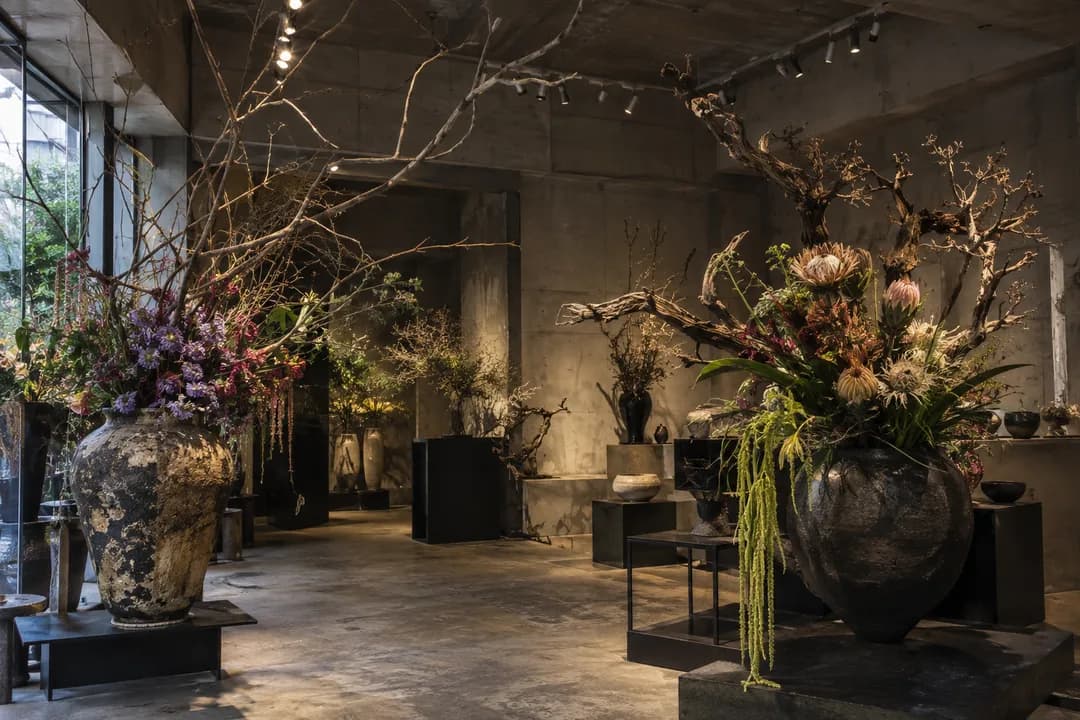 Florist Shop Near Me in Gaienmae: FUGA Floral and Plant Design
 Florist Shop Near Me in Minami-Aoyama: Nicolai Bergmann Flagship Guide