 Coral Gables Gallery Night Art Walk Near Me in Downtown Gables
Free Things to Do
Tokyo's Free Shibuya Tsutaya Jungkook Listening Sessions — K-Pop Meet Spots With No Cover
Tokyo's major music retailers host free K-pop listening sessions where fans camp out for new releases without buying anything.
The Curiosity: Tokyo K-Pop Has Its Free Rooms
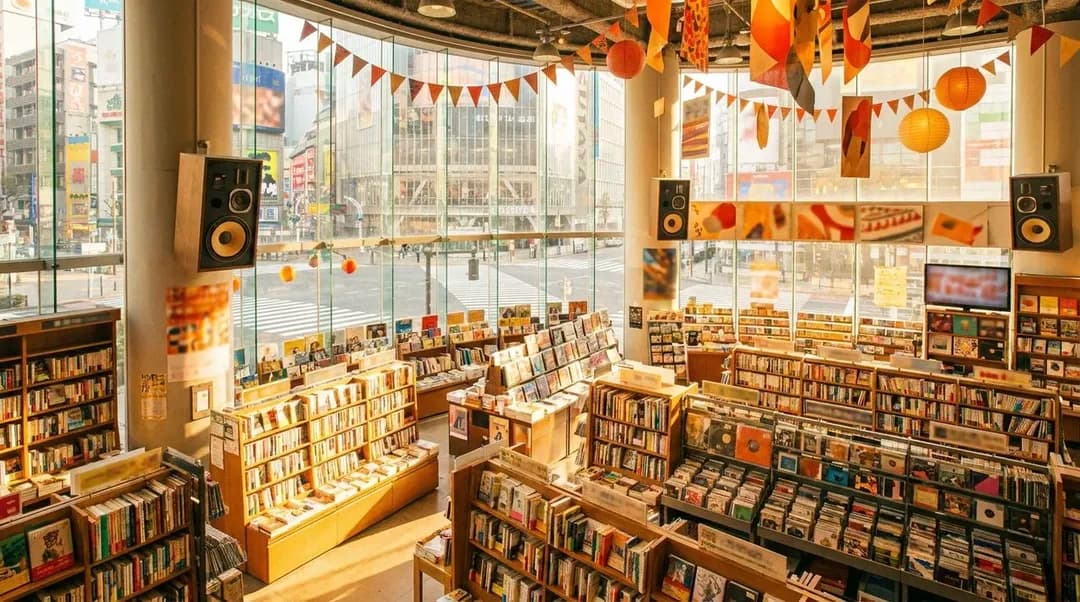
Tokyo's K-pop infrastructure runs on a principle that would confuse most American retailers: free listening spaces. Not listening booths where you rent headphones. Not demo stations tucked in a corner. Full floors, full sound systems, full community access. Walk into Shibuya Tsutaya on a Tuesday afternoon and you'll find thirty people standing around the music section with no bags, no receipts, no intention of buying. They're there for the speakers. They're there for the album drop. They're there because the store lets them be.
This is not a gray area. Japanese music retailers—particularly the major chains—have long operated on the assumption that access builds loyalty. Let people hear the music. Let them stand in the room where it plays. The economics work differently than in the West. Real estate is expensive. Foot traffic is currency. A person standing in your store for two hours listening to Jungkook's latest is still a person in your store. They might buy something. They might come back. They might tell their friends. In Shibuya, that calculus has created a genuine alternative to the streaming-only model: the free listening session as cultural gathering.
Shibuya Tsutaya: The Floor With the Speakers
Shibuya Tsutaya occupies a curved glass building at the intersection of Meiji-dori and Takeshita-dori, a five-minute walk from Shibuya Station's Hachiko exit. The music floor sits on the second level. On release days—particularly when Jungkook drops new material—the floor fills by early afternoon. The speakers are mounted high enough that the sound reaches every corner without becoming oppressive. The store plays the full album on a loop, starting at 11 a.m. on Fridays, which is when most K-pop releases hit in Japan.
The crowd tends to arrive between noon and 3 p.m. Some people stand for the entire album. Others drift through, listen to three or four tracks, and leave. There's no social friction. The staff doesn't monitor listening time. No one is counting minutes. The unspoken rule is simple: you can be here. You don't have to buy anything. You're welcome to stand in the room where the music is playing. Occasionally someone buys a physical copy. More often, people take photos of the album artwork, check the liner notes, and leave.
Tower Records Shibuya: The Free MV Booth
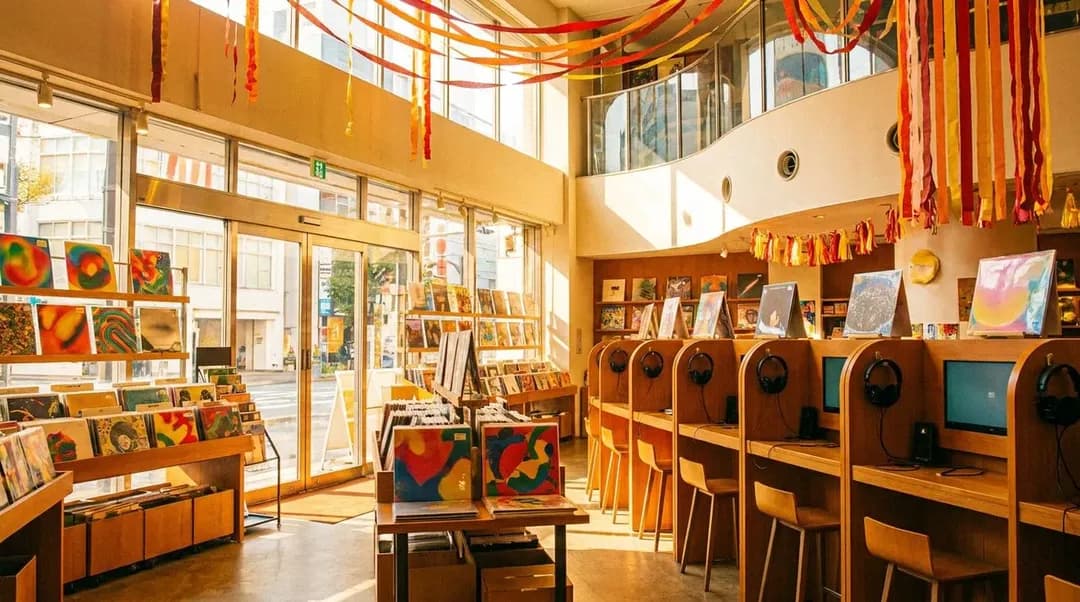
Tower Records occupies a seven-story building three blocks east of Shibuya Crossing, at 1-12-6 Shibuya. The K-pop section spans the third and fourth floors. On the fourth floor, near the IU and Jungkook sections, Tower maintains three dedicated listening booths where music videos play on a loop. These are free. No headphone rental. No time limit. You walk in, the booth door closes, and you watch the MV on a small screen while the audio plays through decent speakers. The booths rotate content every two weeks, aligned with new releases.
The experience is different from the open-floor listening at Tsutaya. The booth is private. You're alone or with one friend. You get to rewind. You get to watch the same thirty seconds five times if you want to. Tower Records has leaned into this as a differentiation strategy. Where Tsutaya offers communal listening, Tower offers focused consumption. The booths fill quickly on release days. There's usually a line by 2 p.m. The wait is typically fifteen to twenty minutes.
Harajuku: The K-Pop Café That Costs Nothing to Sit At
Harajuku hosts several small cafés that cater to K-pop fans with no cover charge and no minimum purchase requirement. The most consistent is a narrow shop called Melody House, located on Omotesando Avenue near the Meiji Shrine entrance. The café plays K-pop exclusively. The sound system is modest but adequate. The seating is communal—long wooden tables where strangers sit side by side. You can order a coffee for 500 yen, or you can order nothing and sit for an hour listening to the music.
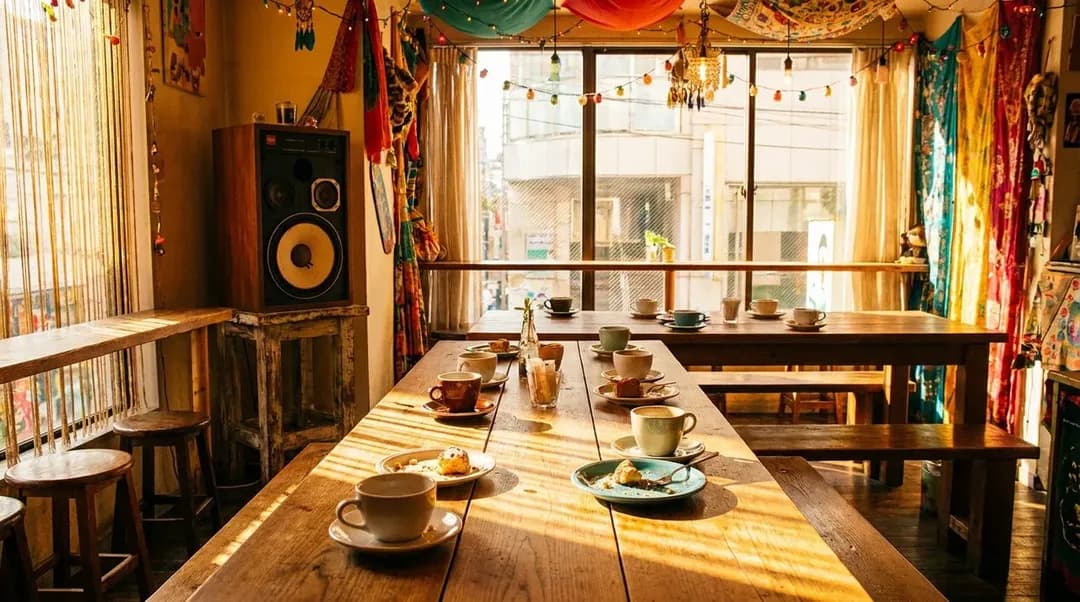
The café's business model depends on the assumption that some people will buy something, and enough of them do to make the rent work. The staff doesn't police the non-buyers. On a Wednesday afternoon, you might find five people sitting alone with coffees and five people sitting alone with nothing. The café rotates playlists daily. On Jungkook release days, they program his entire discography. On IU release days, they do the same. The café has become a de facto meeting point for solo K-pop fans who want to be around other fans without the transaction friction of a retail environment.
Why Jungkook's Album Drop Pulls Tokyo's Free Crowd
Jungkook commands disproportionate attention in Tokyo's K-pop listening ecosystem. When BTS members release solo work, the retail listening spaces fill within hours. Jungkook's releases draw the largest crowds. This is partly demographic—his fanbase skews younger and more concentrated in urban centers—and partly cultural. Tokyo has always had a deep BTS infrastructure. The band toured regularly before the group's hiatus. Jungkook's solo work represents a continuation of that relationship. When he drops a new single or album, the listening sessions become events.
IU's releases generate similar energy, though from a different audience segment. IU's fanbase in Tokyo tends to be older, more female-skewed, and more invested in her acting work alongside her music. When she releases new material, the listening sessions take on a different character—more contemplative, less crowded, but equally committed. Both artists have learned that Tokyo's free listening infrastructure represents a genuine market channel. The listening sessions are not marketing theater. They're consumer behavior. People are choosing to spend their afternoon in a retail space listening to music rather than streaming it at home. That choice carries meaning.
How Karpo Maps Tokyo's Free K-Pop Listening Sessions
The free K-pop listening session is a specific Tokyo phenomenon that doesn't translate cleanly to other cities. New York's music retail has largely collapsed. Los Angeles has specialty shops but not the free-access culture. Seoul has listening rooms but they're typically small and paid. Tokyo's model depends on specific economic conditions: high real estate costs that incentivize foot traffic, a retail culture that prioritizes access over transaction friction, and a K-pop fanbase large enough to sustain the infrastructure. The combination produces something genuinely useful: a way to experience new music in community without spending money.
Karpo tracks these spaces because they represent a genuine alternative to streaming. They're not free in the sense of piracy or workaround. They're free in the sense of intentional retail strategy. The stores want you there. They've made that choice explicit. For fans without the disposable income to buy every album, or fans who want to hear music at volume in a room with other people, the listening sessions fill a real need. The infrastructure is informal—there's no official schedule, no website listing release-day listening times. You find out by showing up, or by asking in fan communities. That informality is part of the appeal.
Practical notes
- Shibuya Tsutaya music floor opens at 11 a.m. on Fridays for new releases. K-pop albums typically play 11 a.m. to 8 p.m. Address: 2-24-1 Shibuya, Shibuya Ward. Five-minute walk from Shibuya Station Hachiko exit.
- Tower Records Shibuya fourth-floor MV booths are first-come, first-served. No reservation system. Typical wait 15-20 minutes on release days. Address: 1-12-6 Shibuya, Shibuya Ward.
- Melody House in Harajuku operates 12 p.m. to 9 p.m. daily. No cover charge. Coffee 500 yen. No minimum purchase required. Omotesando Avenue near Meiji Shrine entrance.
- Release days in Japan are typically Fridays. K-pop albums often release simultaneously in Korea and Japan. Check release calendars on fan sites or Spotify for exact dates.
- Bring cash. Most small cafés don't accept cards reliably. Some retail listening spaces are cash-only.
- Listening sessions are communal spaces. Respect other listeners. Don't record video or audio. Photography of album artwork is generally acceptable.
Tokyo's free K-pop listening sessions represent a genuine alternative to the streaming-only model. They're not workarounds or gray-market operations. They're intentional retail strategy in a city where foot traffic and access matter more than transaction friction. For fans without disposable income, or fans who want to experience music at volume in community, the sessions fill a real need. The infrastructure is informal and requires some knowledge to navigate. But it exists. It works. It's free.
Tags: #karponyc #tokyofreeandfine #jungkook #IU #kpoplistening #shibuya #tokyoretail #harajuku #towerrecords #tsutaya #freeandfine #communitymusic #kpopjapan #musicaccess #tokyolife
All trademarks are the property of their respective owners.
Ask Karpo for more information.
Keep reading
- Coral Gables Gallery Night Art Walk Near Me in Downtown Gables
 Design District Public Art Walk Near Me in Miami Florida
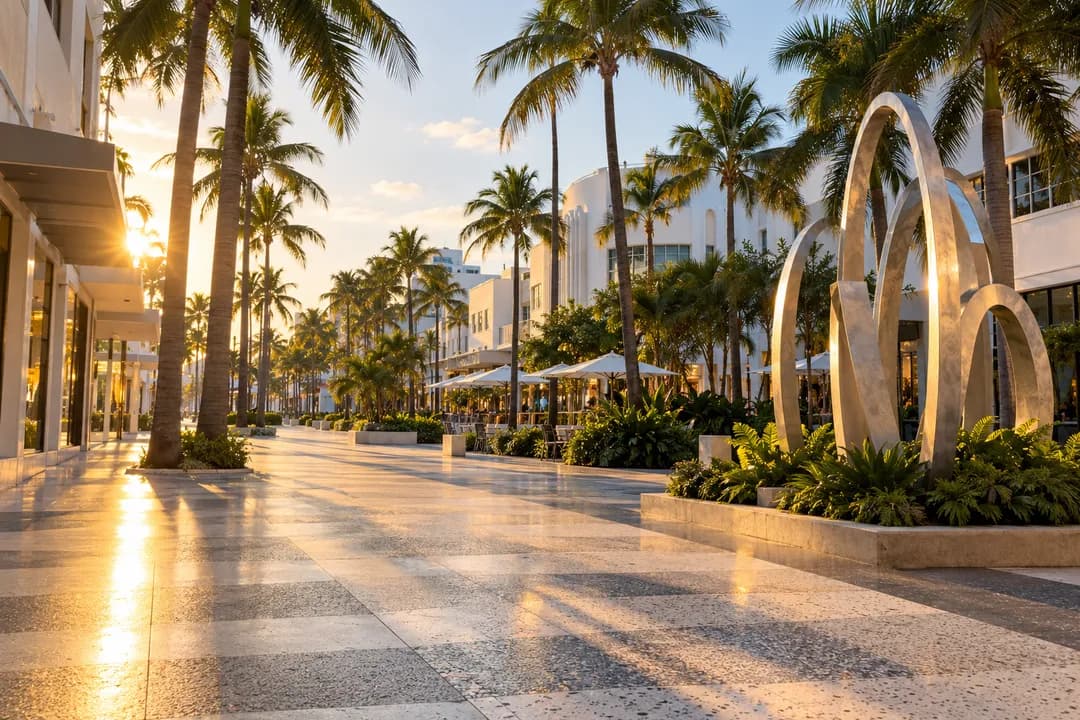 Lincoln Road Cultural Art Walk Near Me in Miami Beach Florida