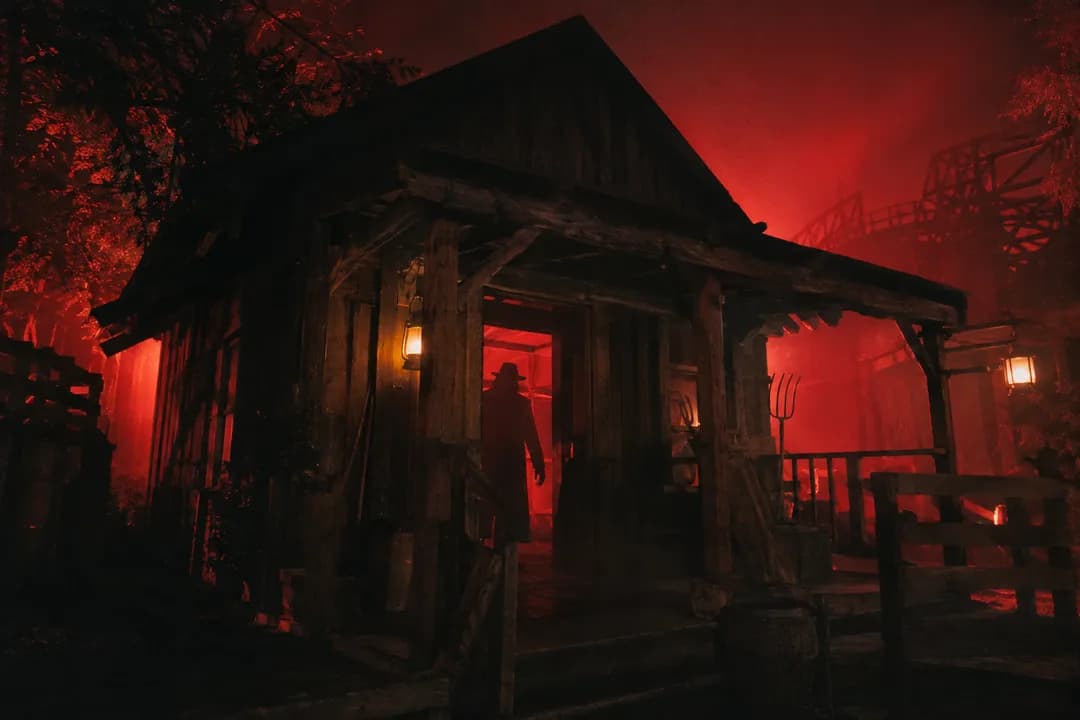
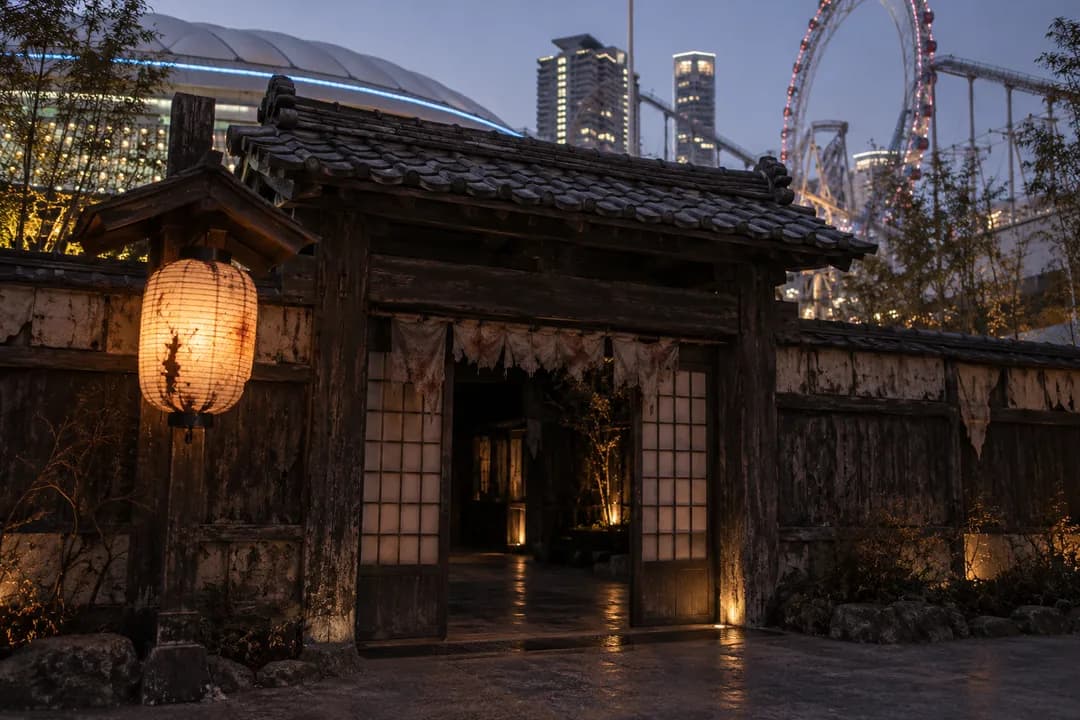
 Tokyo Horror Experience Near Me: Joypolis Murder Lodge
Weekend Plans
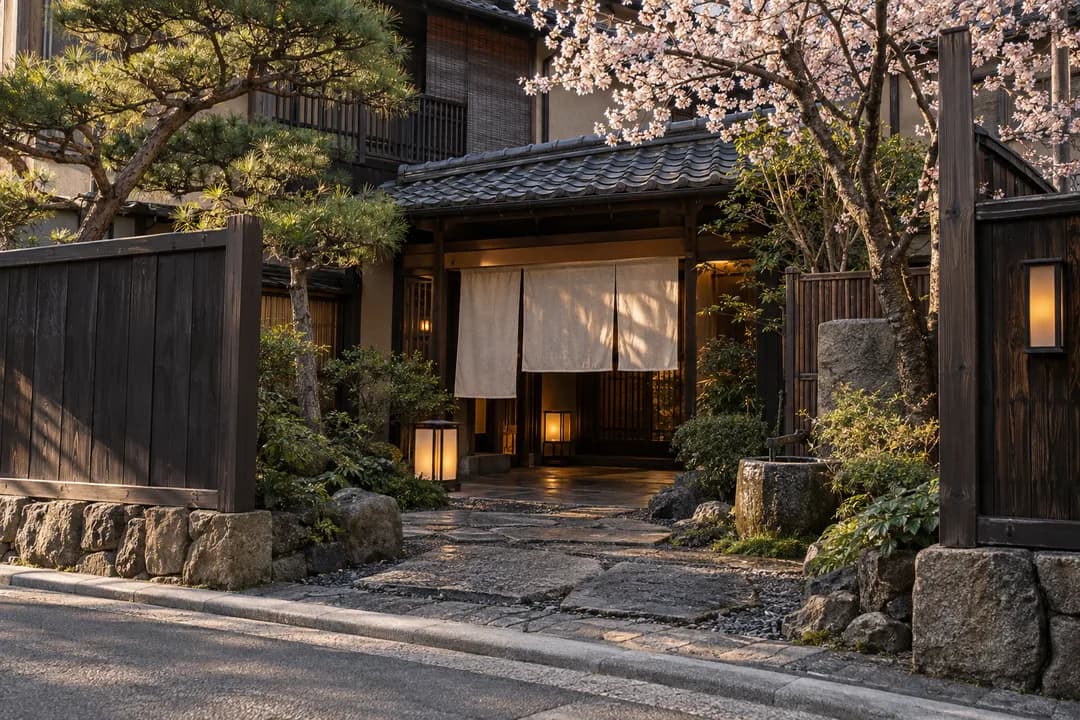
Day Spa Near Me in Komagome: Tokyo Somei Onsen Sakura's Amber Spring
Tokyo Somei Onsen Sakura in Komagome pumps amber iodine-rich hot spring water from 1,800 metres: ¥2,100 weekday entry, a stadium sauna, a Japanese garden and a free shuttle from Sugamo.
Tokyo Somei Onsen Sakura charges ¥2,100 on weekdays and ¥2,900 on weekends and holidays for unlimited time in baths filled with amber hot spring water drawn from 1,800 metres below Komagome. It sits at 5-4-24 Komagome, Toshima-ku, Tokyo 170-0003, about six minutes on foot from Sugamo Station, and stays open from 10:00 to 23:00 every day except one maintenance closure a month. If you are searching day spa near me anywhere along the northern Yamanote line, this is the nearest true onsen with a garden.
A Spa Named After the Somei-Yoshino Cherry
Komagome was once Somei village, the nursery district where the Somei-Yoshino cherry, now the most planted cherry tree in Japan, was bred in the Edo period. The spa takes its name from that history, and the grounds include a Japanese garden that frames the outdoor baths.
The building is low and wooden in style, more like a country inn than a city leisure centre, and the lobby lounge on the ground floor is where people wait for friends after bathing. Upstairs, a second-floor rest area with a magazine corner lets you lie down between soaks.
The Water: Iodine-Rich and Amber in the Bath
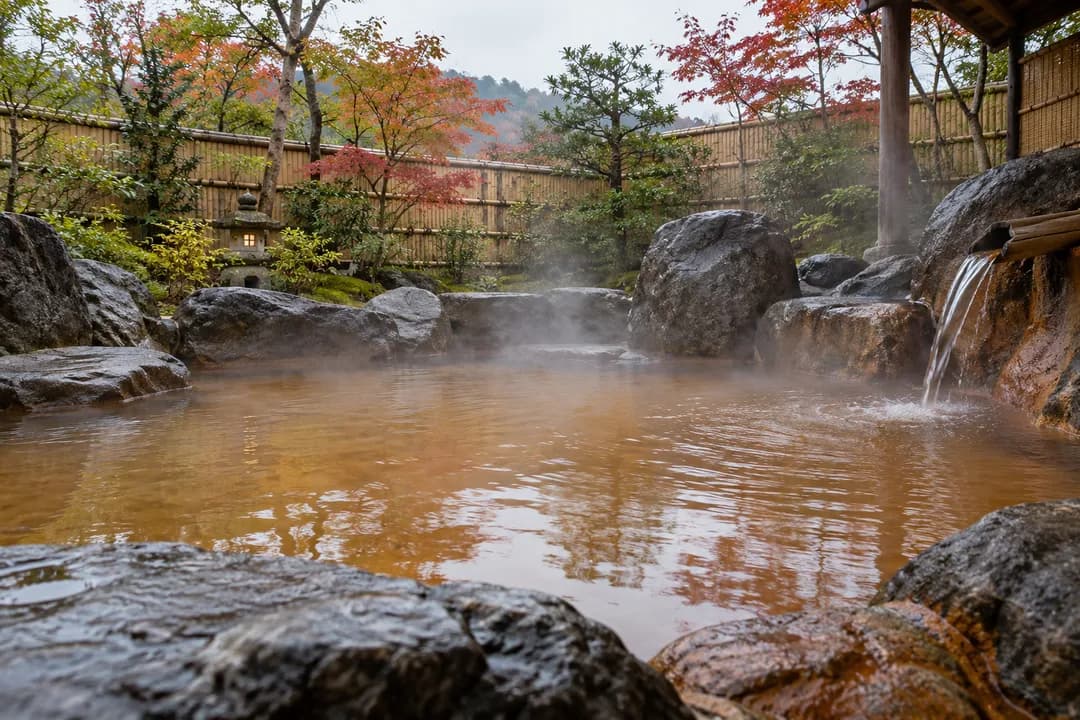
The spring is classed as an iodine-containing sodium chloride strong saline water, hypertonic and weakly alkaline, and it comes up at 46.6 degrees from a depth of 1,800 metres at around 56 litres a minute. It is clear at the source but oxidises to a deep amber colour in the baths, which is why the outdoor pools look like tea.
Strong saline water like this leaves a thin salty film on the skin that holds heat, so you stay warm long after you get out. Many regulars skip the final rinse for that reason, while people with sensitive skin rinse off before dressing.
Baths, Saunas and the Garden
Indoors, the hinoki cypress bath is kept lukewarm for long soaks. Outside, the rock open-air bath is the main draw, and the women's side has its own Japanese-style outdoor bath. The stadium sauna has tiered benches so you can choose your heat level by climbing higher, and a cold bath and a cool-down space sit next to it for the hot-cold cycle Japanese sauna fans call totonou.
There is also a restaurant on site, so a full afternoon of bathing, lunch and a nap upstairs is easy. Nothing here is rushed; there is no time limit on your admission, but once you leave, re-entry is not allowed.
What It Costs, Including the Extras
Adult admission is ¥2,100 on weekdays and ¥2,900 on weekends and holidays, tax included; children from six through primary school pay ¥1,200. Toshima City adds a ¥150 bath tax when the pre-tax admission is above ¥1,201, as the price page notes. Towels are not included: a towel set costs ¥350 and loungewear for the rest areas ¥450. Frequent visitors can buy an 11-ticket book for ¥21,000.
For treatments, 60 minutes of body care costs ¥6,600 and a 60-minute Thai massage ¥6,800. The Korean-style akasuri body scrub, A course, is ¥4,600 for 30 minutes and works best after at least twenty minutes in the hot water.
House Rules: Tattoos, Children and Towels
The tattoo policy is strict: no tattoos of any size, and that includes small ones. Children aged five and under may not bathe at all, and anyone under 18 or still in high school needs a guardian. You can bring your own towels or rent them.
Bathing is nude and gender-separated, as in any Japanese onsen. Wash thoroughly at the seated shower stations before entering the water, keep your small towel out of the bath, and tie up long hair. Phones stay in the lockers.
Who Bathes Here, and What to Skip
On a weekday you share the water with Komagome and Sugamo locals, many of them older residents who come for a long soak and a nap in the rest area, plus a few office workers on a day off. Weekends bring young couples who split up at the curtains and meet again in the lobby lounge two hours later. Conversation is quiet in the baths and livelier in the restaurant.
One honest suggestion: skip the loungewear rental if you only plan to bathe and leave, since the ¥450 only matters if you want to lie down upstairs. Spend the money instead on the akasuri scrub, which pairs well with skin softened by this salty water.
When to Go
Weekday mornings after 10:00 are the calmest time, when the baths are mostly used by local retirees. Saturday and Sunday afternoons are crowded with families and couples, and the weekend price is ¥800 higher, so a weekday visit is both cheaper and quieter. Last entry is 22:30 and the baths close at 22:50, so after-work visitors from central Tokyo can still manage a full hour.
The spa closes roughly once a month for maintenance, and the closure dates appear in the news section of the official site.
Getting There
From Sugamo Station on the JR Yamanote line and Toei Mita line, exit A4 is about six minutes on foot and exit A1 about eight. From Komagome Station on the JR Yamanote and Tokyo Metro Namboku lines, take exit 3 and walk about ten minutes. A free shuttle runs from Sugamo, which is welcome on a cold evening when you leave the baths warm.
Before or After: Rikugien and Kyu-Furukawa Gardens
Two of Tokyo's best gardens are within walking distance. Rikugien, the Edo-period stroll garden near Komagome Station, is famous for its weeping cherry in spring and maples in late autumn, and pairs naturally with an onsen visit. Kyu-Furukawa Gardens, a short walk north, combine a Western-style mansion and rose garden with a Japanese pond garden below. Visit a garden in the morning, then soak through the afternoon.
Practical Notes
Address: Tokyo Somei Onsen Sakura, 5-4-24 Komagome, Toshima-ku, Tokyo 170-0003. Phone: 03-5907-5566; treatment bookings 03-5972-1027. Hours: 10:00 to 23:00, last entry 22:30. Admission: ¥2,100 weekdays, ¥2,900 weekends and holidays; towel set ¥350. Nearest stations: Sugamo, six to eight minutes; Komagome, ten minutes. No tattoos of any size; no bathing for children five and under.
Ask Karpo for more information.
Keep reading
- Tokyo Horror Experience Near Me: Joypolis Murder Lodge
 Tokyo Horror Experience Near Me: Tyffonium Odaiba Corridor
 Tokyo Horror Experience Near Me: Tokyo Dome City Onryo Zashiki