 Places To Eat Near Me in Williamsburg: Smorgasburg's Open-Air Vendors
Weekend Plans
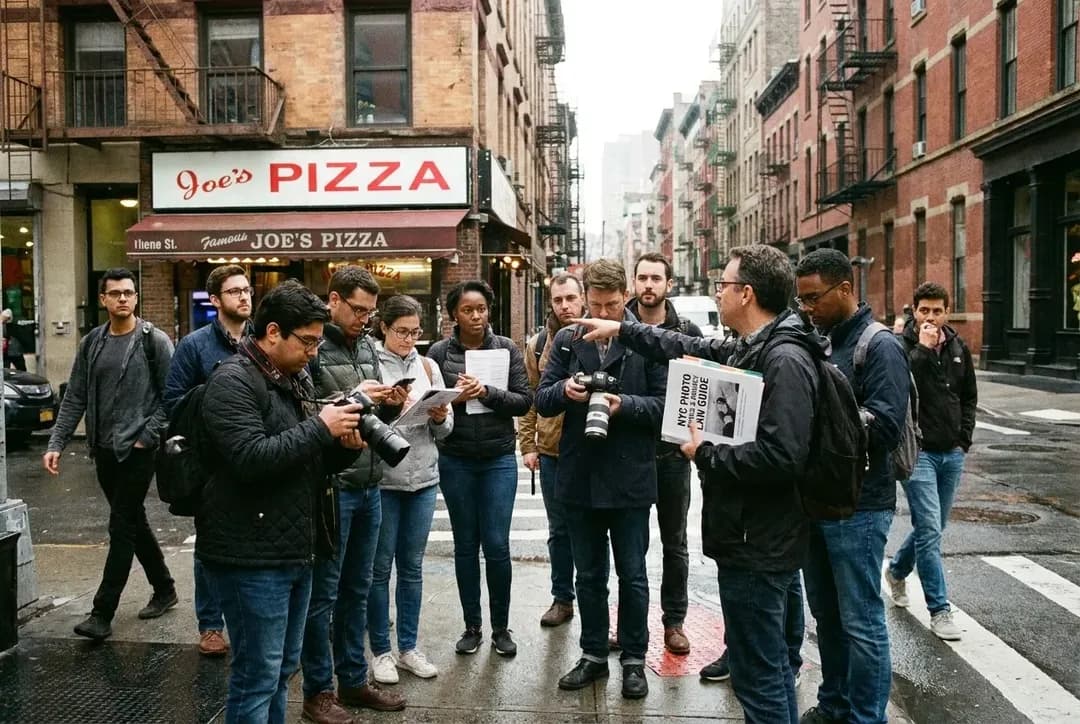
TMZ Celebrity Sightings: NYC Media-Literacy Walks Debunking Paparazzi Hotspot Myths
Navigate SoHo and Tribeca's alleged celebrity corridors while learning to decode tabloid photography, privacy laws, and the economics behind paparazzi culture. This media-literacy route pairs sidewalk observation with critical thinking tools for pop-culture students and skeptical fans.
The phrase "tmz celebrity sightings" conjures images of spontaneous star encounters on Manhattan sidewalks, but how many of those viral photos result from genuine chance versus orchestrated publicity? This weekend afternoon route through SoHo and Tribeca invites curious pop-culture students and skeptical fans to examine the machinery behind tabloid media, walking past locations frequently tagged in paparazzi dispatches while applying media-literacy frameworks to question what you see. Rather than chasing fame, you'll investigate the legal boundaries of street photography in New York, the financial incentives shaping celebrity coverage, and the visual clues distinguishing candid moments from staged photo opportunities. Designed for friends debating media ethics or solo explorers comfortable with research-driven observation, this moderate-difficulty plan requires pre-walk preparation, real-time critical analysis, and willingness to verify claims instead of accepting headlines at face value.
Text Karpo your preferred neighborhood, whether you want a debunking walk or just celebrity trivia, if you're interested in media ethics, and your free weekend hours—we'll send a route with TMZ-tagged spots, explain paparazzi laws, and suggest one library workshop on photo ethics as a backup.
Mapping the Alleged Hotspot Geography
Begin by compiling a list of SoHo and Tribeca restaurants, cafes, and storefronts repeatedly mentioned in celebrity-sighting coverage over the past year, noting which establishments appear in multiple outlets versus single sources. Use the MTA subway system—accessible via https://www.mta.info/ for route planning—to reach the neighborhood, then walk a grid pattern connecting these locations while observing foot traffic, security presence, and sightlines from the street. Your goal is not to encounter celebrities but to assess whether these venues possess features that would naturally attract high-profile visitors (private entrances, tinted windows, secluded seating) or instead offer maximum visibility to passersby and photographers.
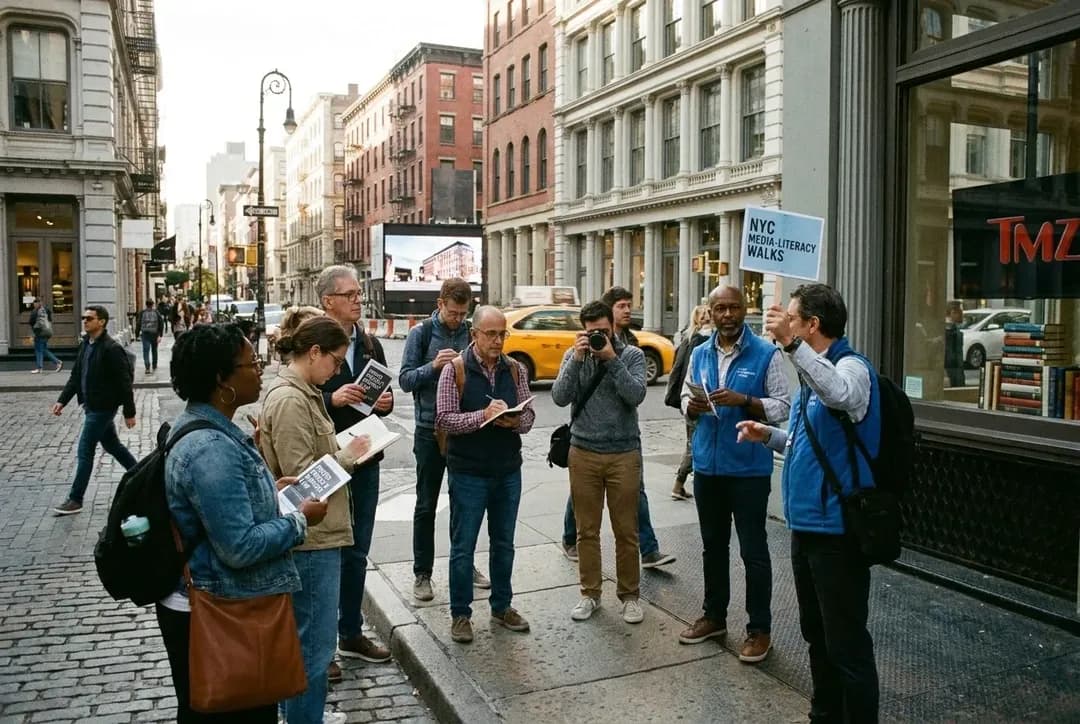
As you walk, photograph the same storefronts from public sidewalks, noting what details are visible and what remains obscured. Compare your vantage points to published paparazzi images: do the angles suggest a photographer standing in the same public space you occupy, or do they imply access to restricted areas, elevated positions, or coordinated timing? This exercise reveals how much "candid" coverage depends on advance knowledge of a subject's location and schedule, raising questions about the spontaneity tabloid captions claim. Record your observations in a notebook or phone app, creating a personal map of visibility versus privacy across the neighborhood.
Understanding New York's Street Photography Laws
New York permits photography in public spaces without consent, a legal framework that enables both journalism and paparazzi work but offers limited privacy protection for anyone—celebrity or civilian—on city sidewalks. Research the distinction between editorial use (news reporting, commentary) and commercial use (advertising, endorsements) before your walk, understanding that the same photograph may be legally published in a magazine article but require model releases for a product campaign. This legal gray zone explains why tabloid sites can publish sidewalk images while brands often negotiate appearance fees, and why some celebrities challenge usage in court when photos migrate from gossip columns to advertisements.
During your route, observe how people react to being photographed in public: do pedestrians alter their paths when they notice cameras, do restaurant patrons choose window seats or interior tables, and do any establishments post signage about photography policies? While private businesses can prohibit photography inside their premises, they cannot control what you capture from the public sidewalk outside. This asymmetry creates the tension at the heart of paparazzi culture—the collision between legal rights to document public space and ethical questions about persistent surveillance, consent, and the power imbalance when professional photographers target individuals for profit.
Spotting the Visual Grammar of Staged Sightings
Certain photographic patterns suggest coordination rather than chance: a subject walking the same block multiple times in different outfits, perfect lighting on an overcast day, direct eye contact with the camera despite claims of candidness, or product logos positioned at ideal angles for brand visibility. Before your walk, study a sample of celebrity-sighting images with these forensic questions in mind, noting which photos show subjects mid-stride with natural expressions versus posed stances with styled hair and makeup. The economics of publicity explain why some stars cooperate with paparazzi—a "candid" coffee run generates more authentic buzz than a red-carpet appearance—while others employ legal teams to combat unwanted coverage.
As you explore SoHo and Tribeca, consider which locations offer the backdrop, lighting, and foot traffic that would make them attractive for staged sightings versus genuine errands. A boutique with a photogenic facade on a quiet side street might serve publicity purposes better than a crowded chain store, while a restaurant with floor-to-ceiling windows provides visibility that could be either a drawback for privacy-seeking diners or an asset for those wanting to be seen. This analysis isn't about cynicism but media literacy—recognizing that celebrity coverage exists on a spectrum from invasive surveillance to collaborative publicity, with many images occupying ambiguous middle ground.
Verifying Restaurant Reputations and Fact-Checking Claims
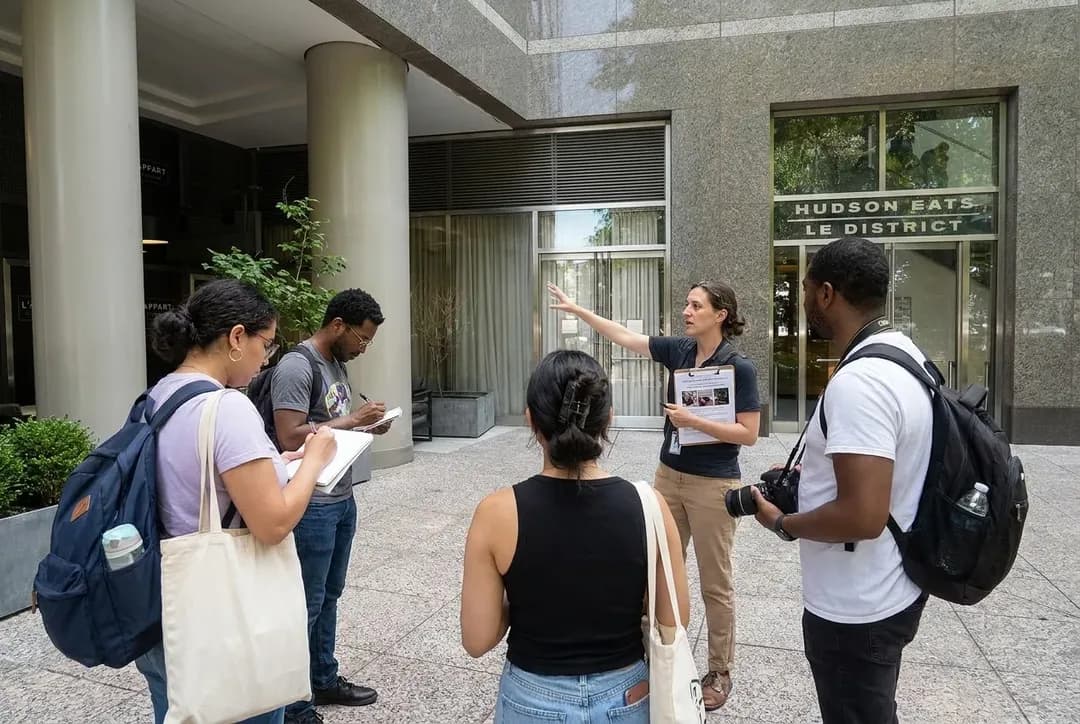
Tabloid coverage often asserts that certain establishments are "celebrity favorites" based on limited evidence—perhaps a single visit amplified through repetition, or outdated information that persists in search results long after a restaurant's clientele has changed. Use the NYC health department's restaurant database at https://a816-health.nyc.gov/ABCEatsRestaurants/#!/Search to confirm that venues mentioned in sighting reports actually exist and operate legally, then cross-reference multiple sources to assess whether celebrity patronage claims are substantiated or speculative. A restaurant appearing in one gossip item doesn't make it a hotspot; patterns across time and sources carry more weight, though even repeated mentions may reflect publicist relationships rather than organic popularity.
During your walk, observe whether these establishments display any evidence of celebrity clientele—framed photos, social media mentions, or staff behavior suggesting familiarity with high-profile visitors—or whether they appear indistinguishable from neighboring businesses. Talk to staff if appropriate, asking general questions about the neighborhood's evolution rather than probing for gossip, respecting that employees may be contractually prohibited from discussing clientele. This verification process teaches a transferable skill: assessing whether claims in any media context rest on documented evidence or circular repetition, and recognizing that absence of proof isn't proof of absence but does warrant skepticism.
Extending the Inquiry Through Library Resources
Complement your field observations with research at New York Public Library branches, where media-literacy resources explore photojournalism ethics, privacy law evolution, and the business models sustaining celebrity coverage. The library system—accessible via https://www.nypl.org/events though specific program schedules aren't available here—offers databases, legal guides, and journalism archives that contextualize what you observed on the street within broader debates about public space, consent, and the right to one's image. Look for case studies of landmark privacy lawsuits, analyses of how social media has shifted celebrity-fan dynamics, and critiques of tabloid culture from both industry insiders and media scholars.
This combination of sidewalk observation and scholarly research transforms a weekend afternoon into an exercise in critical thinking applicable far beyond celebrity gossip. The skills you practice—verifying sources, questioning assumptions, understanding legal frameworks, and recognizing economic incentives behind media narratives—apply equally to political coverage, product reviews, and any information landscape where surface appearances may obscure complex realities. Whether you're a pop-culture student analyzing media ecosystems or a skeptical fan questioning the stories you consume, this route offers a template for engaged, questioning citizenship in an image-saturated world.
Tags: #medialiteracy #SoHowalkingtour #Tribecaexploration #photographyethics #NYCprivacylaw #paparazziculture #criticalthinking #popcultureanalysis #tabloidjournalism #celebrityculture #weekendeducation #urbanobservation #factcheckingskills
Sources consulted: Source 1: nycgovparks.org · Source 2: new.mta.info · Source 3: nypl.org · Source 4: a816-health.nyc.gov
All trademarks are the property of their respective owners.
Ask Karpo first
Ask Karpo to turn this NYC idea into a current plan for your date, budget, companion, transit preference, and energy level. Karpo can narrow the route and flag what to verify before you go.
Ask Karpo for more information.
Keep reading
- Places To Eat Near Me in Williamsburg: Smorgasburg's Open-Air Vendors
 Dinner Near Me in the West Village: Buvette's Tiny French Plates
 Best Restaurants Near Me in Midtown: Le Bernardin Holds Three Stars