 Kings Theatre in Flatbush: A Restored 1929 Movie Palace
Hidden Gems & Odd Finds
Tim Tawa Minor League Spots: NYC Hidden Baseball History Venues
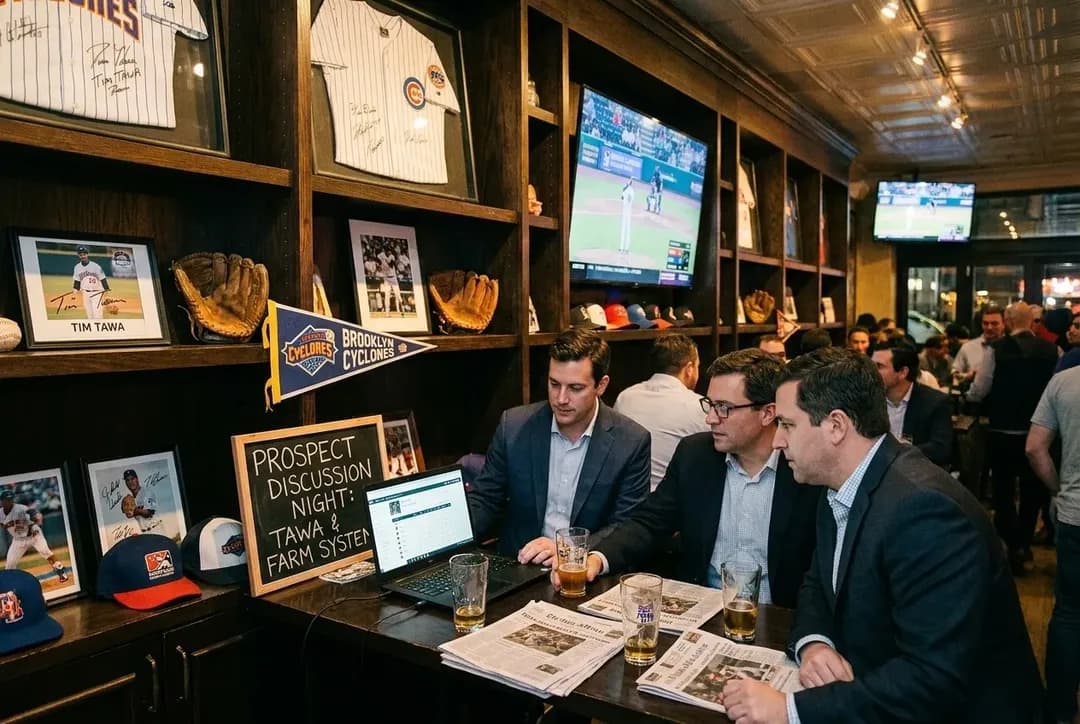
Track minor league prospect culture through NYC's specialized baseball bars, memorabilia shops, and analyst gathering spots. Navigate the city's deep-cut farm system discussion venues where tim tawa and similar names spark serious scouting conversations.
New York City's baseball landscape extends far beyond major league stadiums into a network of specialist bars, memorabilia shops, and collector spaces where serious enthusiasts track minor league prospects like tim tawa through farm system artifacts and scouting discussions. This subset of venues attracts a particular crowd: analysts who follow organizational depth charts, collectors hunting for obscure minor league merchandise, and hobbyists who treat prospect development as intellectual pursuit rather than casual fandom. The challenge lies in distinguishing genuine specialist venues from general sports bars, verifying whether shops stock minor league materials beyond mainstream items, and confirming if discussion nights actually draw knowledgeable participants rather than casual crowds. For the deep-cut baseball enthusiast willing to navigate verification steps and off-peak timing, these hidden spots offer access to a subculture that treats farm system knowledge as currency and prospect names as conversation starters among those who genuinely follow organizational pipelines.
Text Karpo your starting point, timing, group size, and priorities for a NYC plan tailored to this exact situation, with one realistic backup before you leave.
Memorabilia Shop Verification and Minor League Inventory Realities
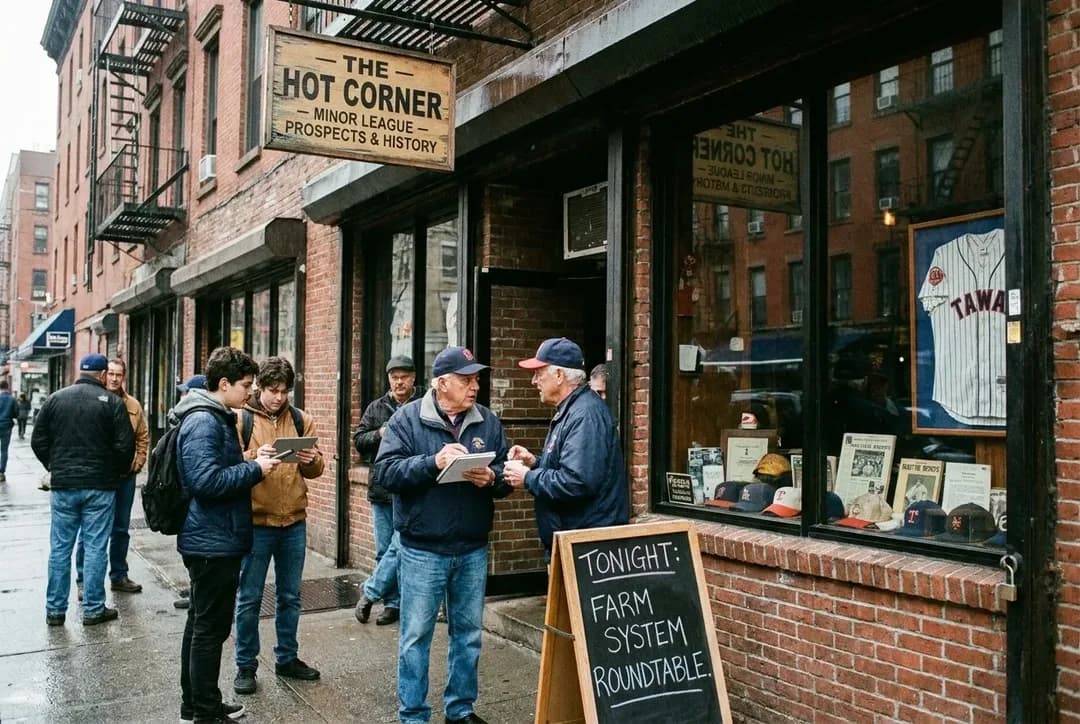
Baseball memorabilia shops in Manhattan and outer boroughs present a verification challenge for those seeking minor league-specific items rather than mainstream merchandise. The tradeoff involves visiting shops during weekday hours when staff can discuss inventory depth versus weekend browsing when selection appears fuller but knowledgeable employees may be unavailable. Shops near historic baseball neighborhoods sometimes maintain minor league card sections or farm system yearbooks, but inventory fluctuates based on estate sales and collector consignments rather than predictable restocking schedules. Calling ahead to ask specifically about minor league materials from particular organizations or eras helps avoid wasted trips, though some proprietors reserve detailed inventory discussions for in-person visits where they can assess buyer seriousness.
The distinction between shops catering to investment collectors versus baseball researchers matters significantly. Venues focused on graded cards and autograph authentication may stock prospect materials only if players reached the majors, while research-oriented shops sometimes maintain organizational charts, media guides, and minor league programs regardless of player outcomes. This creates a search pattern where enthusiasts visit multiple locations to assemble complete farm system information rather than finding comprehensive resources in single venues. The intellectual reward comes from piecing together organizational history through scattered artifacts, though this requires patience and willingness to accept that most shops cannot guarantee specific prospect availability on any given visit.
Specialist Bar Culture and Prospect Discussion Night Logistics
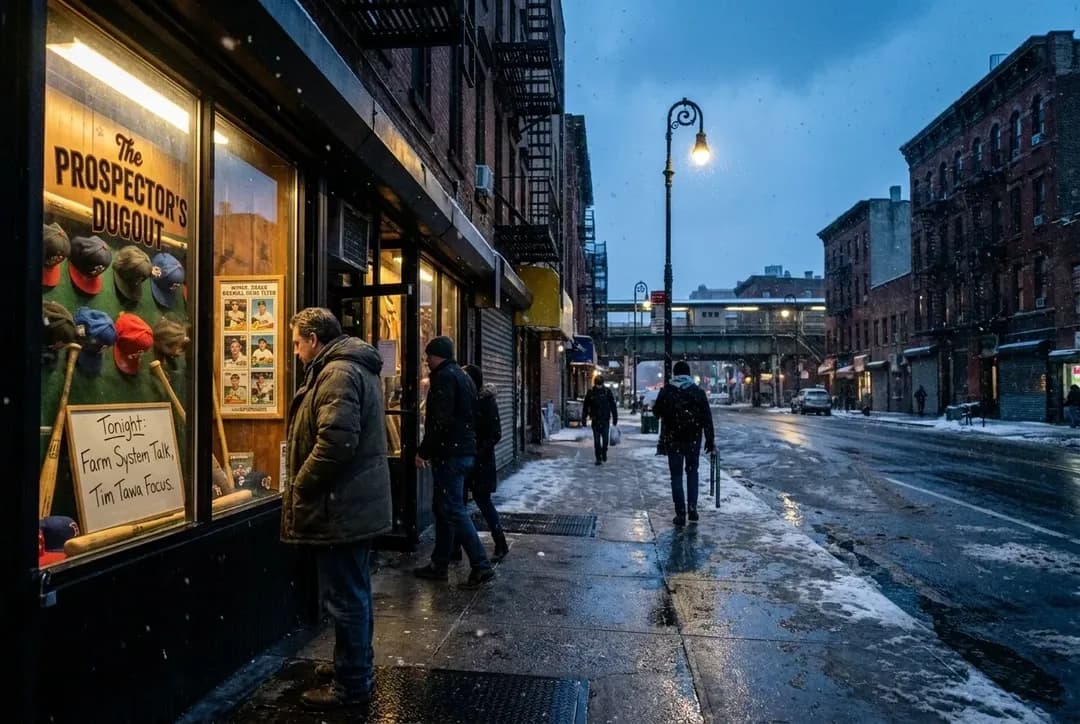
Certain NYC bars have cultivated reputations as gathering spots for serious baseball analysts, though verifying active prospect discussion cultures requires reconnaissance beyond online claims. The ideal scenario involves bars hosting regular meetups organized by baseball writing communities or statistical analysis groups, but the reality often means informal gatherings where regulars happen to share deep knowledge rather than structured events. Visiting during off-peak weekday evenings increases chances of encountering core groups willing to engage in farm system conversations, while weekend crowds typically dilute specialist culture with general sports fans. The MTA system facilitates exploration across boroughs, allowing enthusiasts to test multiple venues in a single evening by planning subway routes that connect rumored analyst hangouts.
The companion question matters significantly in these environments—attending solo signals genuine interest and often prompts more substantive conversations than arriving with groups that may shift discussion toward social dynamics. Bars near former minor league ballpark sites or in neighborhoods with baseball history sometimes attract older collectors who remember local farm teams, creating intergenerational knowledge exchange opportunities. However, no venue guarantees scout presence or analyst-level discussion on any particular night, making this pursuit inherently speculative. The payoff comes from occasional evenings when conversation reaches genuine depth, but enthusiasts must accept many visits will yield only surface-level sports talk before finding the right combination of venue, timing, and present company.
Farm System Artifact Authentication and Display Contexts
Venues displaying minor league artifacts face authentication questions that serious enthusiasts learn to evaluate through provenance research and contextual clues. Bars or shops showcasing signed minor league photos, game-worn jerseys, or organizational documents require verification beyond simple display—checking whether items include authentication certificates, researching whether the player actually passed through the claimed organization, and assessing whether display context demonstrates genuine knowledge or decorative appropriation. This creates a skill-building aspect where repeated venue visits train enthusiasts to distinguish curated collections from random acquisitions, adding investigative dimension to the pursuit beyond simple viewing.
The tradeoff between accessibility and authenticity shapes venue selection strategies. Establishments with extensive artifact displays may charge premium prices or maintain exclusive membership models, while more accessible venues might offer limited but genuine items within general sports decor. Public library special collections sometimes provide free access to minor league media guides and organizational records, though viewing requires advance requests and on-site research rather than casual browsing. This multi-venue approach—combining commercial spaces for social interaction with institutional resources for research depth—suits the intellectually curious enthusiast willing to treat venue exploration as ongoing project rather than single-visit experience.
Seasonal Timing and Off-Peak Access Advantages
The baseball calendar significantly affects specialist venue culture in NYC, with discussion intensity peaking during spring training and trade deadline periods when prospect movement generates analysis opportunities. Off-season months create different dynamics where conversation shifts toward organizational strategy and historical comparison rather than immediate roster speculation. For enthusiasts seeking deeper analytical discussions rather than reactive hot takes, winter visits to specialist venues often yield more substantive exchanges as casual fans disengage and core groups maintain year-round interest. This seasonal rhythm requires adjusting expectations about what each period offers rather than assuming consistent venue culture across months.
Weekday afternoon visits to memorabilia shops provide access to proprietors with time for extended conversations about inventory sourcing and organizational history, while evening bar visits during non-game nights attract regulars more interested in discussion than viewing. The difficulty level remains advanced regardless of timing—these venues assume baseline knowledge of farm system structures, organizational philosophies, and prospect evaluation frameworks. Newcomers to this subculture benefit from preliminary research establishing conversational foundation before attempting to join specialist discussions, as the community values demonstrated knowledge over casual curiosity. The reward structure favors those treating this as sustained hobby rather than one-time novelty experience.
Geographic Distribution and Neighborhood Baseball Legacies
NYC's baseball venue distribution reflects historical patterns rather than current team locations, with specialist shops and bars clustering in neighborhoods that hosted minor league teams or maintained strong amateur baseball cultures. Outer borough locations sometimes offer richer minor league connections than Manhattan tourist zones, requiring willingness to use subway and bus routes to reach less central areas. The MTA system makes this geographic exploration feasible for solo enthusiasts, though planning multi-venue routes demands advance research into neighborhood contexts and realistic travel time estimates between locations. This spatial dimension adds discovery element to the pursuit as enthusiasts learn which neighborhoods maintain active baseball subcultures beyond mainstream attention.
The verification challenge intensifies with geographic spread—online claims about venue specialization may reflect outdated information or aspirational descriptions rather than current reality. Calling venues to confirm whether they stock minor league materials or host analyst gatherings helps filter options before committing travel time, though some establishments resist phone inquiries preferring in-person assessment of customer seriousness. This creates iterative exploration pattern where initial visits establish baseline understanding of venue landscape, subsequent trips target most promising locations, and ongoing monitoring tracks whether specialist culture persists or shifts over time. For the detail-oriented enthusiast, this geographic and temporal mapping becomes part of the hobby's intellectual appeal rather than obstacle to overcome.
Tags: #BaseballMemorabilia #MinorLeagueBaseball #SportsBarsNYC #BaseballCollectors #FarmSystem #BaseballAnalytics #ProspectTracking #NYCHiddenGems #BaseballHistory #SpecialistVenues #SportsResearch #BaseballArtifacts
Sources consulted: Source 1: nycgovparks.org · Source 2: new.mta.info · Source 3: nypl.org · Source 4: a816-health.nyc.gov
All trademarks are the property of their respective owners.
Ask Karpo first
Ask Karpo to turn this NYC idea into a current plan for your date, budget, companion, transit preference, and energy level. Karpo can narrow the route and flag what to verify before you go.
Ask Karpo for more information.
Keep reading
- Kings Theatre in Flatbush: A Restored 1929 Movie Palace
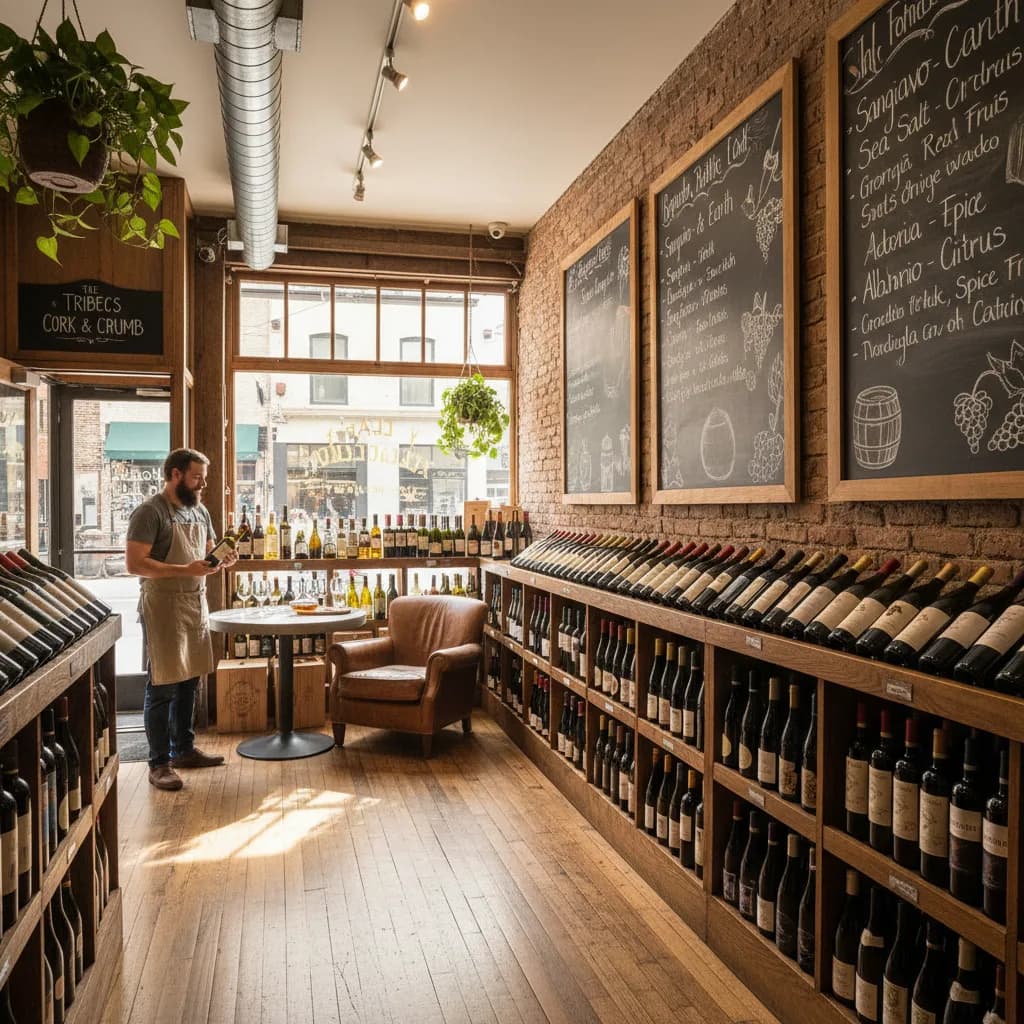 Chambers Street Wines: Manhattan's Natural Wine Pioneer
 Mediterranean Food Near Me in NoMad: Ilili's Crispy Brussels Sprouts