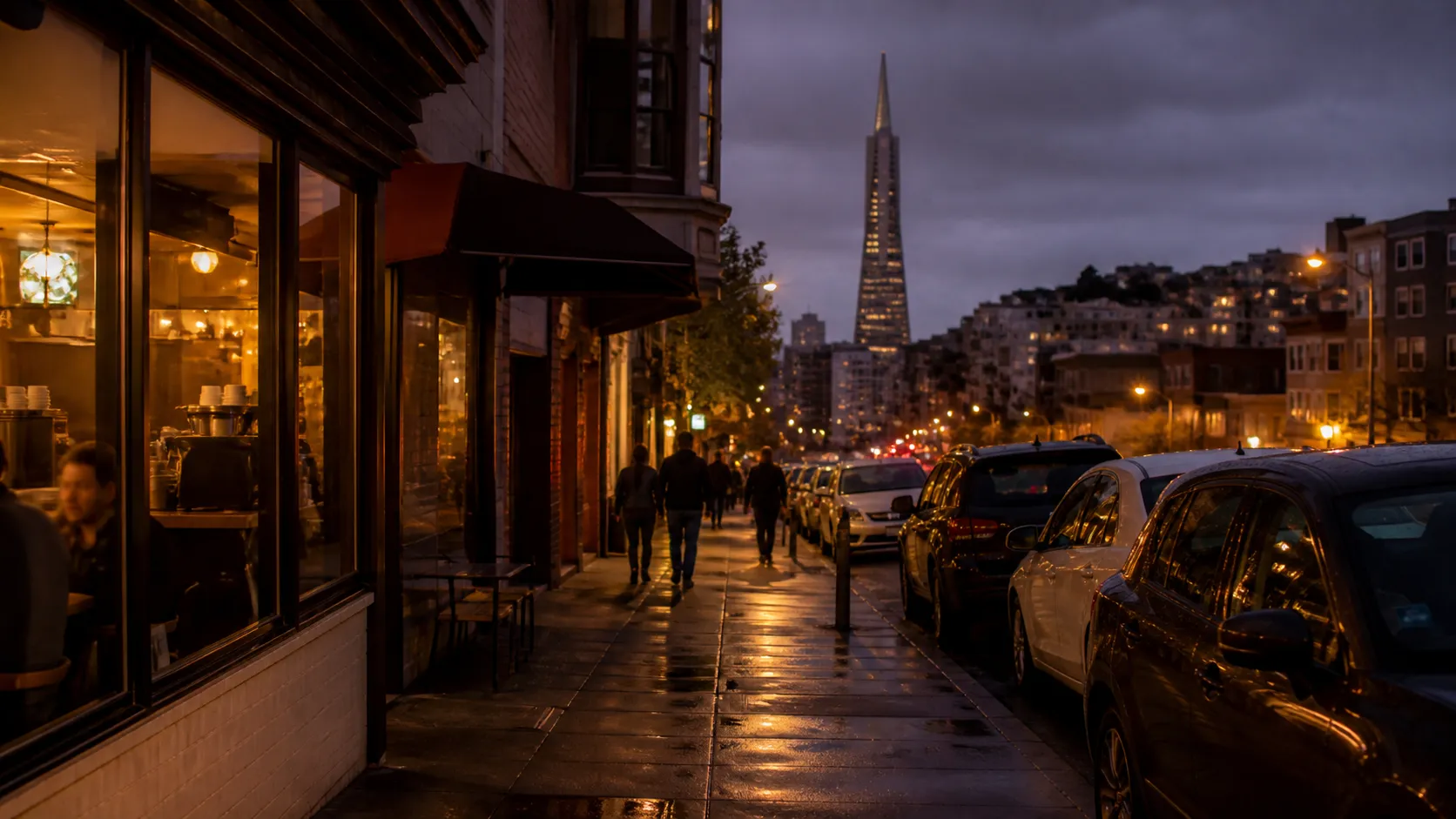
The tigers vs mariners matchup has become an unexpected rallying point for San Francisco's recreational baseball community, where weekend pickup organizers schedule Saturday morning games timed to finish just as first pitch approaches. This rhythm lets intermediate players burn energy on the diamond before gathering to watch American League pitching unfold on screens at nearby bars or community centers. Solo participants seeking active social connection find these sessions ideal: you arrive without a full roster, confirm your skill level matches the group's intermediate recreational standard, and leave with both exercise and a built-in watch party. The model works because it solves two needs—structured play and shared viewing—without requiring formal league registration or season-long commitment.
Text Karpo your skill level, preferred SF field, and whether you need to borrow equipment. We'll send three Tigers vs Mariners weekend pickup games with start times and player counts, plus one backup batting-cage session if games are rained out.

Confirming Skill Level and Field Logistics Before You Arrive
Intermediate recreational play typically means you can field ground balls consistently, throw accurately to bases, and hit pitched balls into fair territory more often than not, but you're not simulating professional speed or precision. Most San Francisco pickup organizers specify this threshold in their event descriptions to avoid mismatches that frustrate both advanced players seeking competition and true beginners still learning fundamentals. Before committing to a Saturday slot, verify whether the group expects participants to handle live pitching or uses a coach-pitch format, since that distinction dramatically changes the pace and intensity of play.
Field location matters as much as skill fit. Public diamonds across San Francisco require different access approaches: some parks open gates at dawn with first-come availability, while others operate on permit systems that organizers secure in advance. Ask whether the session uses a confirmed reserved field or relies on open-access space, because the latter introduces uncertainty if another group claims the diamond first. Transportation logistics also vary—Muni routes serve many parks well, but fields in western or southern neighborhoods may require longer walks from bus stops. The SFMTA trip planner helps map your route, though you should add buffer time for weekend service intervals that stretch longer than weekday schedules.

Equipment Expectations and What to Bring Yourself
The glove-and-bat question splits San Francisco pickup baseball into two camps. Some organizers maintain a shared equipment bin with enough gloves for infield and outfield positions plus a few bats in various weights, expecting only that you bring cleats or turf shoes and your own water. Other groups operate on a bring-your-own-gear model, assuming regular players already own equipment and newcomers can borrow from teammates on a case-by-case basis. This distinction isn't trivial for solo participants traveling by Muni—carrying a bat and glove on a crowded bus differs significantly from arriving with just a backpack.
Beyond the basics, consider what the two-hour morning window before a tigers vs mariners broadcast demands. August in San Francisco means microclimates: a field in the Sunset may sit under fog while a Mission diamond bakes in sun by 9 a.m. Layered clothing lets you adjust as you warm up, and sunscreen matters even under cloud cover due to UV penetration. Most pickup formats don't include umpires, so participants self-call plays and rotate positions every few innings. That informality suits the energized-but-not-cutthroat tone these sessions cultivate, where competitive spirit coexists with social ease.
Timing the Transition from Field to Watch Party
The Saturday morning window works because it creates natural closure. A two-hour pickup game starting at 8 a.m. wraps by 10 a.m., leaving time to rinse off, grab food, and settle into a viewing spot before first pitch. This sequencing appeals to recreational players who want physical activity but also value the communal experience of watching professional baseball unfold. The tigers vs mariners angle serves as a thematic anchor—participants might discuss pitching matchups during water breaks or compare their own swings to what they anticipate seeing on screen later.
The transition itself requires coordination. Some groups designate a specific bar or community center as the post-game gathering spot, while others leave it open-ended, with clusters of players drifting to nearby establishments based on proximity and preference. Solo participants benefit from explicit plans: knowing the group intends to reconvene at a particular location removes the awkwardness of inviting yourself along. Verify whether the watch venue reserves space for the group or operates on a walk-in basis, since popular sports bars fill quickly on game days. Public library branches with event spaces occasionally host watch parties, though availability varies and typically requires advance notice.

Navigating San Francisco's Public Field Landscape
San Francisco's public diamonds range from well-maintained Recreation and Park Department facilities with backstops, dugouts, and outfield fencing to improvised setups in multi-use parks where you share space with dog walkers and picnickers. The quality of the playing surface affects game flow: a groomed infield lets you trust ground ball hops, while patchy grass or uneven dirt demands constant adjustment. Pickup organizers usually specify which field they've secured, but first-time participants should search the park name online to see photos and reviews, since "baseball field" can mean anything from a regulation diamond to a flat area with bases marked by cones.
Accessibility varies by neighborhood. Fields near Muni Metro stops or major bus lines simplify arrival for solo players without cars, though you'll still walk several blocks in most cases. The SFMTA system covers the city comprehensively, but weekend schedules mean longer waits between vehicles. Biking offers an alternative if you can manage equipment in a backpack or strap a bat to your frame, and many parks include bike racks near diamonds. Parking exists but fills early on sunny Saturdays, and meters run in most neighborhoods. Weighing these tradeoffs helps you choose which pickup session aligns with your logistics—a game in Golden Gate Park might appeal for its scenery, but a Mission field could save you thirty minutes of travel time.
Who This Play-Then-Watch Model Fits Best
This format rewards recreational players who crave structure without rigidity. You're not committing to a ten-week league with mandatory attendance and playoffs; you're opting into a single Saturday that delivers exercise, social interaction, and entertainment. Solo participants joining group play navigate a brief period of unfamiliarity—learning names, gauging personalities, finding your spot in the lineup—but the shared activity accelerates connection. By the third inning of your pickup game, you're joking with teammates; by the time you're watching the tigers vs mariners broadcast together, the initial awkwardness has dissolved into easy camaraderie.
The intermediate skill threshold matters because it sets realistic expectations. Players significantly above or below that level will either dominate in ways that flatten competition or struggle in ways that slow the game's rhythm. If you're rusty but once played high school ball, you'll likely fit; if you've never fielded a grounder, you'll want a beginner-specific session instead. The energized-and-competitive emotional tone means participants care about making plays and winning innings, but not so intensely that errors spark frustration. It's baseball as social glue—a reason to gather, move, and share space—with the tigers vs mariners broadcast serving as the afternoon capstone that justifies the morning effort.
Tags: #SanFranciscobaseball #pickupsports #recreationalleagues #Saturdaymorninggames #TigersvsMariners #soloplayers #intermediateskill #publicfields #sportssocial #SFRecreation #Muniaccess #watchparties #activesocial #weekendsports #baseballcommunity
Sources consulted: Source 1: sf.gov · Source 2: sfmta.com · Source 3: sfpl.org · Source 4: sf.gov
All trademarks are the property of their respective owners.
Ask Karpo first
Ask Karpo to turn this San Francisco idea into a current plan for your date, budget, companion, transit preference, and energy level. Karpo can narrow the route and flag what to verify before you go.