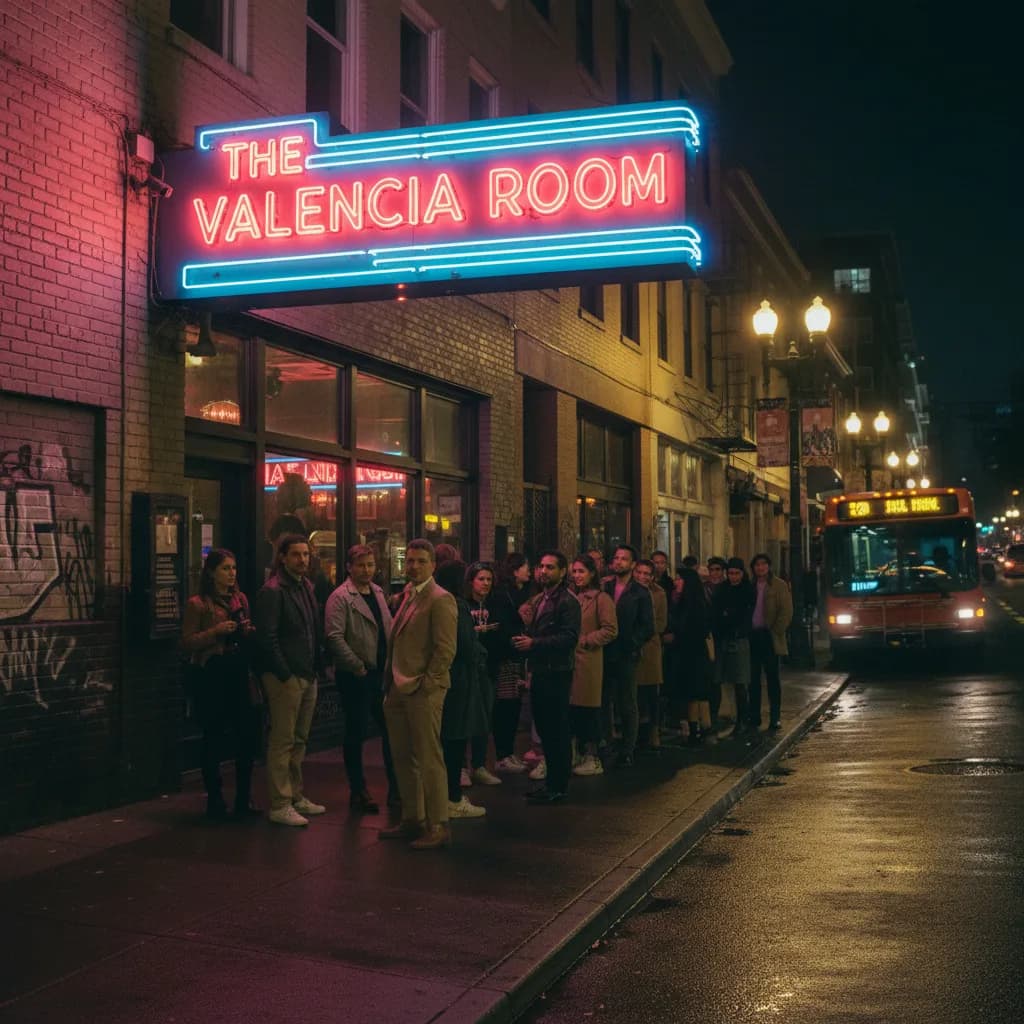
 Mission Concerts: The Valencia Room's Pulsating Beat on Valencia Street
Bars & Nights Out
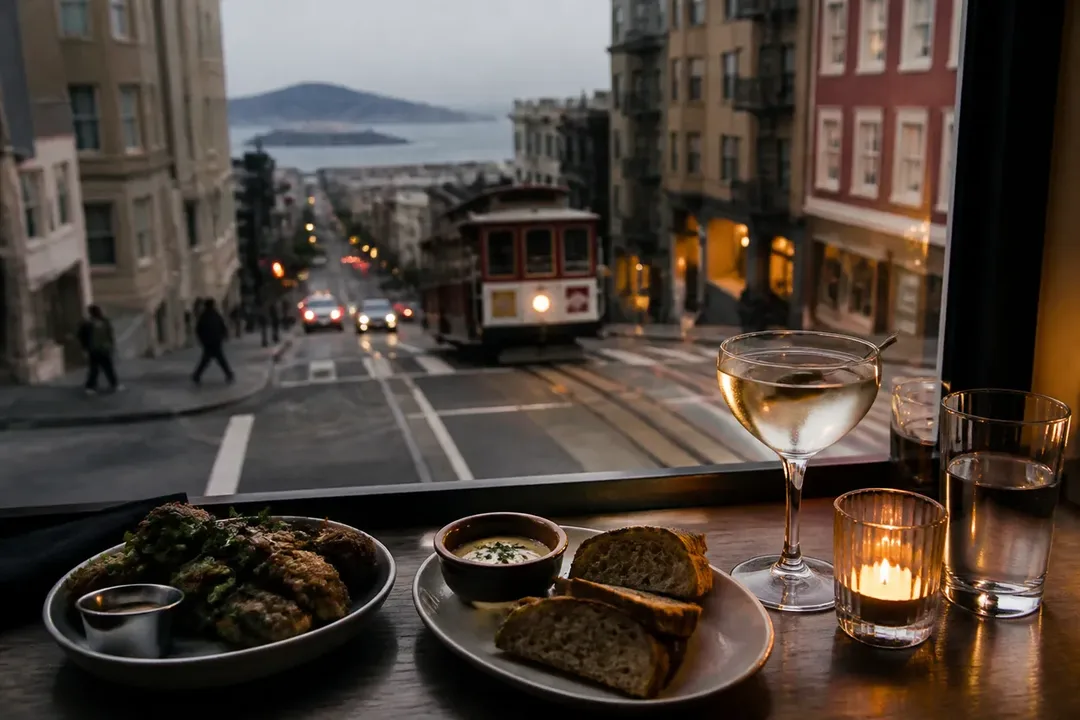
tigers vs mariners: A Two-Stop San Francisco Nightlife Route
A practical San Francisco route for using tigers vs mariners as a low-stakes bar-night hook while verifying transit, access, and backup plans.
The phrase tigers vs mariners can be a useful reason to get friends moving, but the official extracts here do not support any claim that a San Francisco bar is hosting something official, showing a game, offering a special, or following a particular broadcast schedule. Treat it as the night’s conversation starter, then plan the evening like a local: verify the venue directly, keep the route short, and make transportation decisions before the group commits to the room. A strong San Francisco bar night does not need a complicated crawl. It needs a manageable first stop, a nearby backup, a direct check of current SFMTA information, and a graceful way to leave if the first room is too loud, too full, or simply not carrying the thing everyone expected.
Want a tighter version before you leave? Text Karpo to check SFMTA alerts, Hayes Valley timing, Chinatown construction context, accessibility notes, and backup-room logic for this San Francisco night plan.
Use the topic as the night’s conversation starter
Start by naming the hook honestly. If someone says they want a tigers vs mariners night, that can mean they want a sports-adjacent room, a screen within sight, or just an excuse to meet after work. It should not be treated as proof of a local appearance, team affiliation, guaranteed broadcast, venue partnership, or event listing. None of those facts are supported by the official extracts provided.
That distinction matters because it changes the route. A group that cares about hearing commentary should verify the venue’s current setup before choosing cocktails. A conversation-first group can begin somewhere more flexible, then move if the room’s program does not match the mood. Keep the first stop easy to exit. The best opening room for a timely topic is one where nobody feels trapped by a hard-to-reach location or a long transfer to the backup.
Before leaving, check SFMTA’s current information rather than assuming an older transit pattern still applies. The official SFMTA extract shows a Trip Planner, travel modes including Muni, Bike, Walk, Drive, Drive & Park, Taxi, and Accessibility, plus Muni Routes & Stops, Fares, and Travel & Transit Updates. Those are concrete tools for making the night practical without pretending a bar’s programming is settled.
Choose sound level before cocktails
The most common mistake is picking a bar for vibe, then discovering the sound policy after the group has already settled in. For this plan, decide the sound level first. If the night depends on hearing commentary, confirm with the venue itself before you leave. If the game is merely background, choose a room where conversation will survive even if the screens are on mute, tuned elsewhere, or not part of the room at all.
Use a three-question filter. First: does the room seem realistic for the size of the group? Second: is it close enough to another option that a switch does not become a second commute? Third: can the group enter, order lightly, and leave without disrupting the whole night if the program is not right? Those are planning questions, not claims about any specific bar’s hours, prices, reservation rules, or broadcast availability.
San Francisco rewards compact planning. A good first room should be near a route you can verify and near a walkable second option. Do not build the night around a single screen unless the venue has confirmed the exact setup for that exact date. The official extracts support checking SFMTA for trip planning, alerts, routes, stops, fares, accessibility, and travel updates; they do not support assuming any individual venue’s schedule.
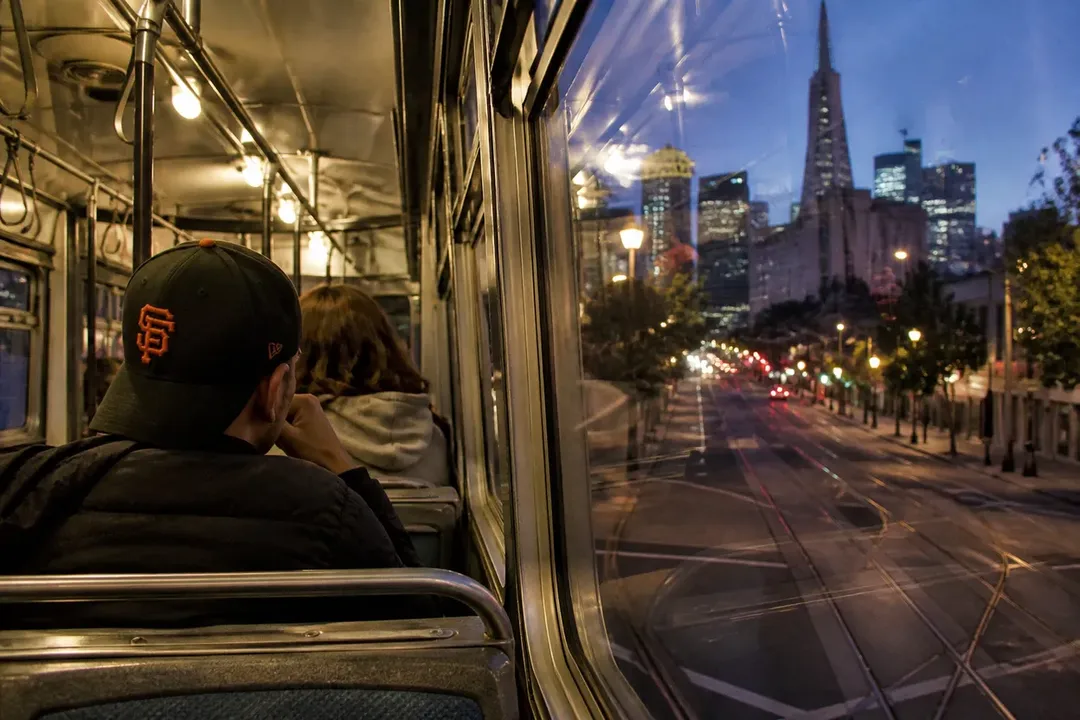
Build a walkable two-stop route
A practical version can start in a compact neighborhood such as Hayes Valley, then keep the second stop close enough that the group can make a calm decision on foot. The SFMTA extract specifically lists “Hayes Valley Shared Spaces: Fridays & Saturdays, August 2026” under Travel & Transit Updates. That does not prove a bar event, but it is enough to justify checking the street context if your plan falls on a Friday or Saturday in August 2026.
Make Stop One the screening test. Arrive with enough flexibility to look at the room, confirm whether the program fits the group’s expectation, and order lightly until you know the night has landed. If it works, stay. If it does not, move before everyone becomes invested in the wrong setup. A nearby Stop Two is more reliable than chasing a perfect bar across town after the group has already lost momentum.
Stop Two should solve a different problem from Stop One. If the first room is energetic, the second should be calmer. If the first room is conversational, the second can be more sports-forward only if you verify that directly with the venue. The route is not about collecting venues; it is about giving the night two chances to work without forcing a long transit decision between them.
Keep food and late transit in the plan
Food planning should be boring in the best way. Decide before departure whether the group wants dinner first, bar snacks during Stop One, or a later bite near Stop Two. Do not assume a kitchen is open, seating is available, prices are unchanged, or outside food is allowed unless the venue confirms it. The more the group cares about watching or discussing tigers vs mariners, the more useful it is to separate food decisions from screen decisions.
For transit, use SFMTA’s Trip Planner close to leaving time. The official extract shows planning options for Muni, walking, biking, driving and parking, taxis, and accessibility. That gives you a practical comparison: walking between stops may be easiest, while Muni, taxi, bike, or another mode may be better for the arrival or the ride home. If someone needs accessibility information, check it before choosing the first stop.
Late-night plans also need a communication fallback. The SFMTA extract points riders toward SF 311 and 511 Regional Info, and lists 311 contact details including Outside SF 415.701.2311 and TTY 415.701.2323. If an alert changes the best route home, let the transit decision override the last round. A good night out includes a clean exit.
Know when to switch to the backup room
Set the switch rule before the group arrives. A reasonable rule is simple: if the room cannot confirm the desired program, the sound is wrong for the group, or entry is slower than expected, move to the backup before ordering a full round. This keeps the decision practical instead of emotional. The backup room is not a failure; it is part of the plan.
Pay attention to access flow. If the doorway is crowded, the bar is too packed to order comfortably, or the group cannot stay together, the room may not be worth forcing. San Francisco nights can turn on small logistics: a narrow entry, a noisy corner, a long line, or a transit delay near the route home. None of those details need to ruin the evening if the second stop is already chosen.
Also watch neighborhood conditions. SFMTA’s Travel & Transit Updates in the extract include “Chinatown Construction: July 30-August 9, 2026.” That matters if your route bends northeast, your ride home crosses that area, or someone is relying on a pickup point nearby. Treat construction and alerts as planning variables, not background noise.
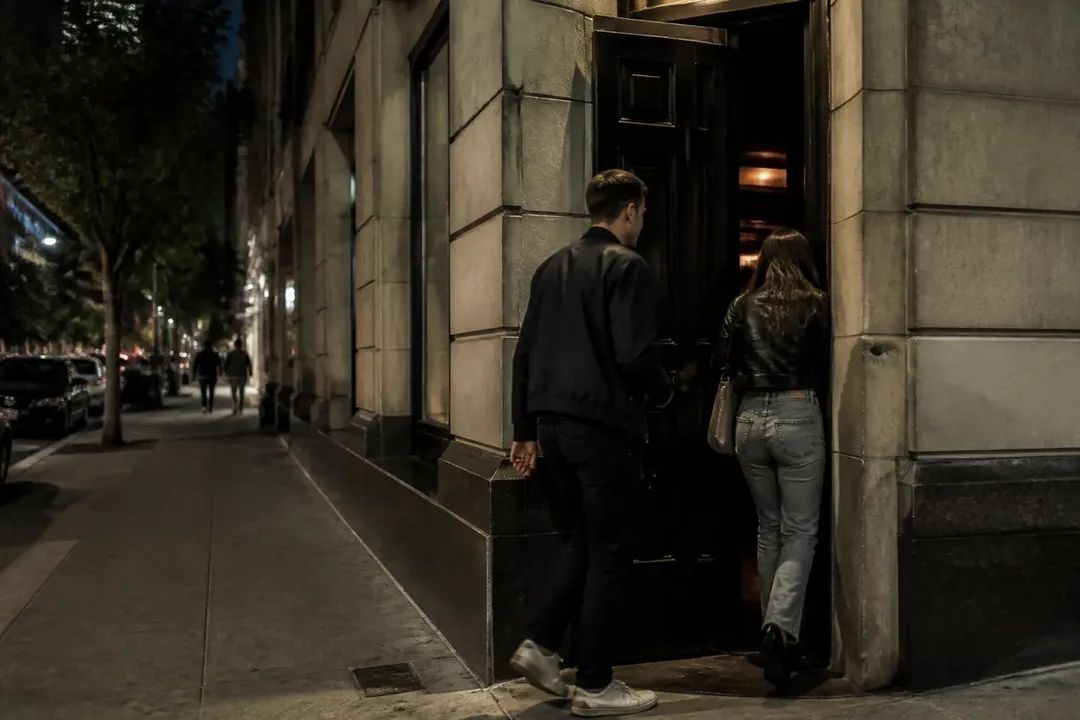
Verify the night’s program before leaving
The final check is deliberately plain: confirm the venue’s current program, confirm the route, and confirm the exit. The official SFMTA source can help with the transit side: Trip Planner, Muni Routes & Stops, travel modes, fares, accessibility, and Travel & Transit Updates. The venue itself must confirm its own screens, sound, entry process, food service, pricing, reservations, and any event-specific details.
If the plan moves from Thursday into the weekend, recheck the calendar context. The SFMTA extract lists Outside Lands for August 7-9 and Hayes Valley Shared Spaces on Fridays and Saturdays in August 2026. Those details may affect crowd patterns, transit choices, or curb expectations even if your bar night is not connected to either item.
A good San Francisco bars night is flexible but not vague. Use the sports phrase as the spark, then keep the actual plan grounded: one neighborhood start, one nearby backup, a verified transit path, and a clear decision point before the first order becomes the whole evening.
Tags: #AskKarpo #BeforeYouGo #SanFrancisco #SFBars #SFNightlife #HayesValley #SFMTA #TransitPlan #BarNight #NightOut #VenueCheck #SportsNight #ChinatownSF #LocalPlanning
Sources consulted: sftravel.com · sfmta.com · sfrecpark.org
All trademarks are the property of their respective owners.
Ask Karpo first
Ask Karpo first before you turn a timely sports phrase into a night out. Karpo can help check current SFMTA alerts, compare Muni, walking, biking, driving, parking, taxi, and accessibility options, flag weekend street context, and shape a two-stop San Francisco route that stays honest about what still needs venue verification.
Ask Karpo for more information.
Keep reading
- Mission Concerts: The Valencia Room's Pulsating Beat on Valencia Street
 Happy Hour Near Me in Union Square: Pacific Cocktail Haven’s Inventive Elixirs
 Bourbon & Branch Tenderloin: Happy Hour Near Me, a Speakeasy Sanctuary