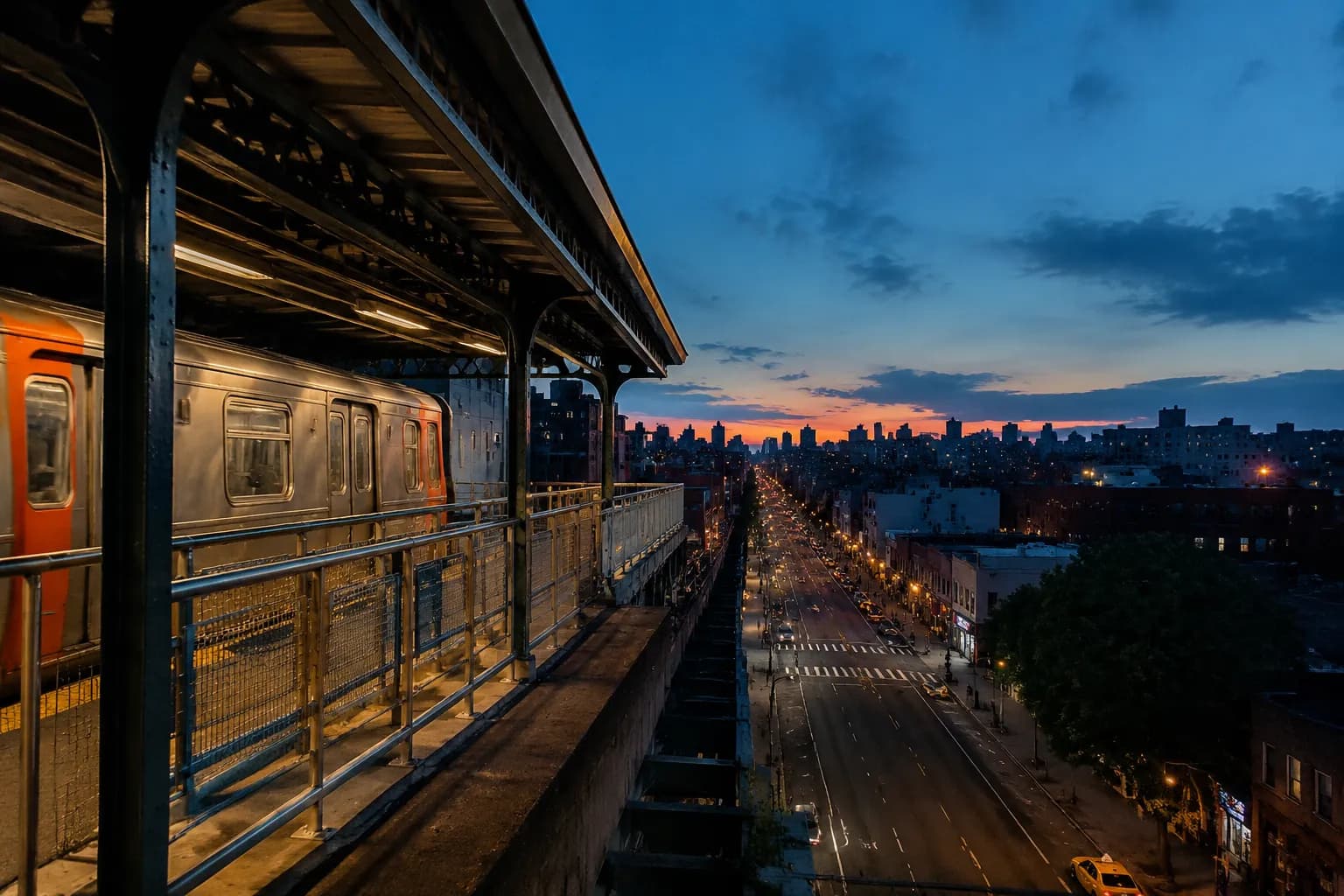
Searching tigers vs mariners in NYC can surface plenty of noise, but a useful watch plan starts with what you can verify, not what a post implies. The safe move is to treat every listing, bar mention, and social clip as unconfirmed until the venue’s own page or staff confirms the game, the screen, the sound plan, and whether the room is open to the public. New York City has constant energy across five boroughs, with restaurants, nightlife, sports, and events all competing for space on a Friday night. That is good for choice and bad for assumptions. Build a plan that can survive a full room, a silent screen, a private booking, or a last-minute programming switch.
Want a cleaner NYC watch plan before you commit to a bar, borough, or backup? Text Karpo with your start point, preferred crowd level, and latest arrival time.

Confirm what fans can actually watch
Start with the official page or direct phone line for any place you are considering. The question is not whether the venue is generally sports-friendly; it is whether that specific room expects to show tigers vs mariners, whether sound is planned, and whether the public can enter without a ticketed or private-event restriction. If the official page does not name the game, treat the watch plan as provisional.
Avoid reading too much into a generic “sports,” “nightlife,” or “events” label. NYC has abundant restaurants, attractions, activities, and nightlife across the five boroughs, but that breadth does not prove one game will be on a particular screen. Ask for the simplest confirmation: game, start-time expectation, screen location, sound status, age or access limits if any, and whether seating is first-come or otherwise controlled.
Because today is Friday, August 7, 2026, your plan also overlaps with a busy dining period: NYC Restaurant Week Summer 2026 is listed by NYC Tourism for July 20 through August 16, with two-course lunches and three-course dinners across all five boroughs starting at $30. That can make nearby restaurants attractive before or after the game, but it also means reservations and room flow should be verified.
Choose the room by crowd energy
Pick the setting before you pick the neighborhood. A loud sports bar can be the right call if you want chants, standing-room energy, and quick reactions. A restaurant bar can be better if you want a meal, a table, and less pressure to shout over every pitch. A hotel lounge or mixed-use venue may be calmer, but it also may prioritize general programming over one baseball matchup.
Do not assume the biggest screen creates the best watch. For baseball, sightline and sound control matter. A smaller room with a confirmed screen, a predictable seat, and staff who know the requested game can beat a packed room with ten screens and no clear audio. If the venue says sound depends on crowd demand, consider that a risk rather than a promise.
NYC’s five-borough layout gives you options, but it also rewards restraint. Manhattan may be easiest for a mixed group coming from different directions; Brooklyn and Queens can work well if your group is already east of the rivers; the Bronx and Staten Island can make sense for locals who do not want to cross town late. Choose the room that fits your actual party, not the one with the loudest online footprint.
Call ahead about the exact screen and sound
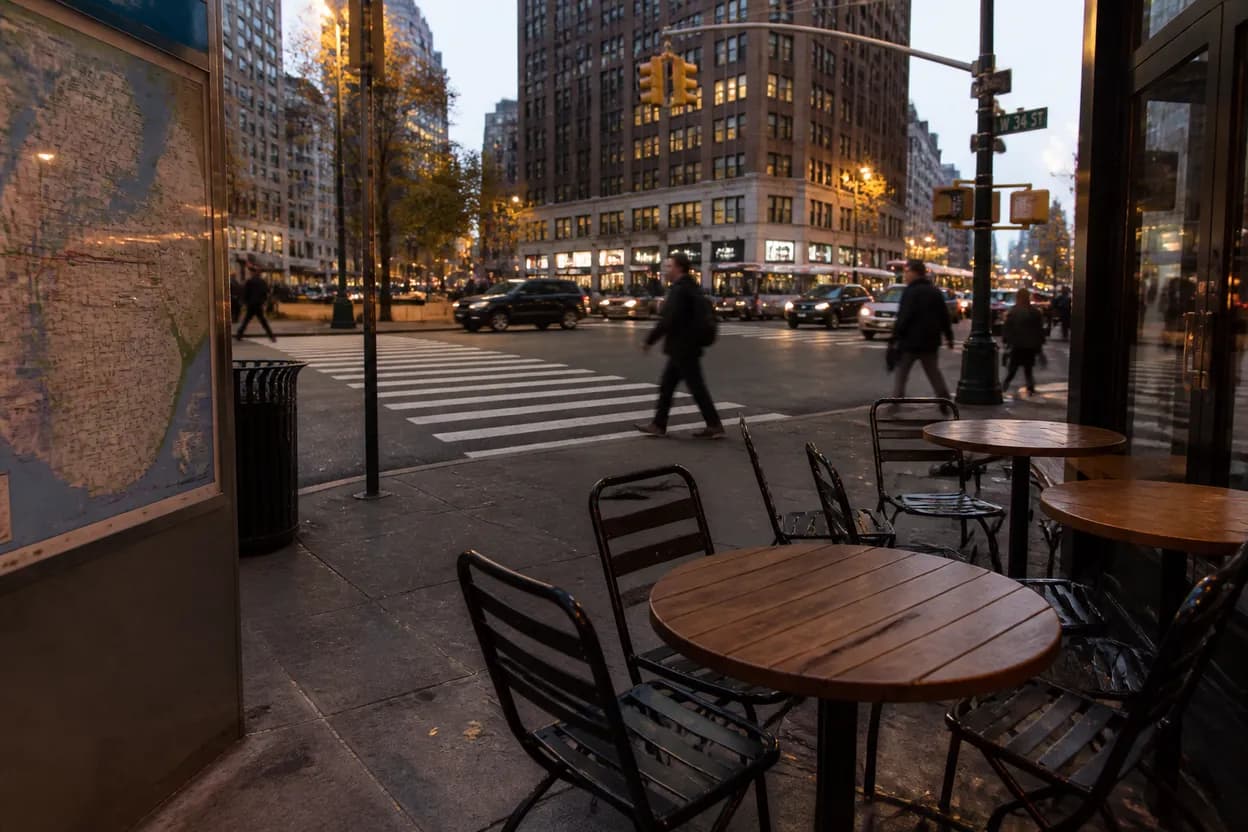
A useful call is short and specific. Ask: “Are you showing Tigers versus Mariners tonight, which screen will it be on, and do you expect to have sound?” Then ask whether anything on the venue calendar could override the game. If the person answering cannot confirm, ask when a manager or host can. A vague yes is not enough for a cross-borough trip.
Also ask how early fans should arrive if they want seats together. Do not ask for a guarantee unless the venue clearly offers one through an official reservation or booking process. For a casual public room, the practical answer may be “arrive early,” and that still leaves risk. Your plan should include a latest-arrival cutoff: if you are not inside by that time, you switch to the backup instead of waiting outside.
If you are coordinating a group, write down the exact words you were told and the time of the call. That does not create an entitlement, but it prevents group confusion. Share one message with the venue name, address, confirmed details, arrival target, and backup. In NYC, the difference between a good night and a messy one is often one verified sentence.
Use transit and seating as tiebreakers
Once two rooms look equally credible, choose the one with the simpler trip. NYC Tourism describes the city through subway-accessible stories and five distinct boroughs, which is a reminder that distance on a map is not the whole issue. Transfers, late-night return plans, walking comfort, and the location of your backup all matter. Check current transit conditions through the official transit source before leaving.
Seating should be the second tiebreaker. If a venue will not confirm reservations, table access, or a likely standing-room situation, assume flexibility is required. For a full game, a clear view from a stable seat beats a crowded doorway view, especially if you are meeting friends who arrive at different times.
Build the route around exits, not just arrival. If the room is too packed, if sound is off, or if another event takes over the screens, you should know whether your backup is walkable, a quick ride away, or unrealistic. A backup across a river may look fine at 3 p.m. and feel foolish after first pitch.
Keep a quieter second option nearby
Your backup should not be another hype-dependent watch party with the same weaknesses. Pick a quieter public place nearby where you have also checked the basics: open status, screen availability, food or drink service if relevant, and whether the staff expects the room to be crowded. The best backup is less dramatic and more reliable.
Keep the second option close enough that switching does not become the night’s main event. In Manhattan, that may mean a different block or avenue; in Brooklyn or Queens, it may mean staying within the same neighborhood instead of chasing a better-looking listing miles away. In the Bronx or Staten Island, where a long detour can cost more time, local confirmation matters even more.
If dining is part of the plan, remember that NYC Restaurant Week is active during this date range, according to NYC Tourism. That can help you plan a pregame or postgame meal across the boroughs, but do not assume any participating restaurant is also a watch venue. Treat dinner and screen access as separate confirmations.
Recheck the plan on game day
Recheck everything on game day, even if you called yesterday. Look at the venue’s official page, then call if the screen or sound plan matters to you. Ask whether any private booking, special event, or schedule change affects public access. If the answer changes, update the group immediately and move the backup from optional to active.
Set a decision time. For example, if your group is not seated or clearly positioned by your cutoff, switch before the room gets tighter. This avoids the classic NYC mistake: staying too long in a bad first choice because the next option was never made real. A good tigers vs mariners watch plan is not stubborn; it is verified, timed, and easy to change.
Finally, keep expectations honest. This plan does not promise an official team event, endorsement, celebrity appearance, private access, or guaranteed broadcast. It gives you a public-city method: confirm the watch, choose the room, check the route, manage the crowd risk, and keep one quieter escape ready before first pitch.
Tags: #TigersVsMariners #NYCWatchParties #AskKarpo #BeforeYouGo #NYCSports #BaseballNYC #NYCNightlife #Manhattan #Brooklyn #Queens #TheBronx #StatenIsland #GameDayPlan #WatchParty
Sources consulted: nyctourism.com · new.mta.info · nyc.gov
All trademarks are the property of their respective owners.
Ask Karpo first
Ask Karpo first if you want the plan checked against your real starting point, group size, and tolerance for noise. Send the venue you are considering, your backup idea, and when you can arrive; Karpo can help spot weak assumptions before you spend the night chasing screens.