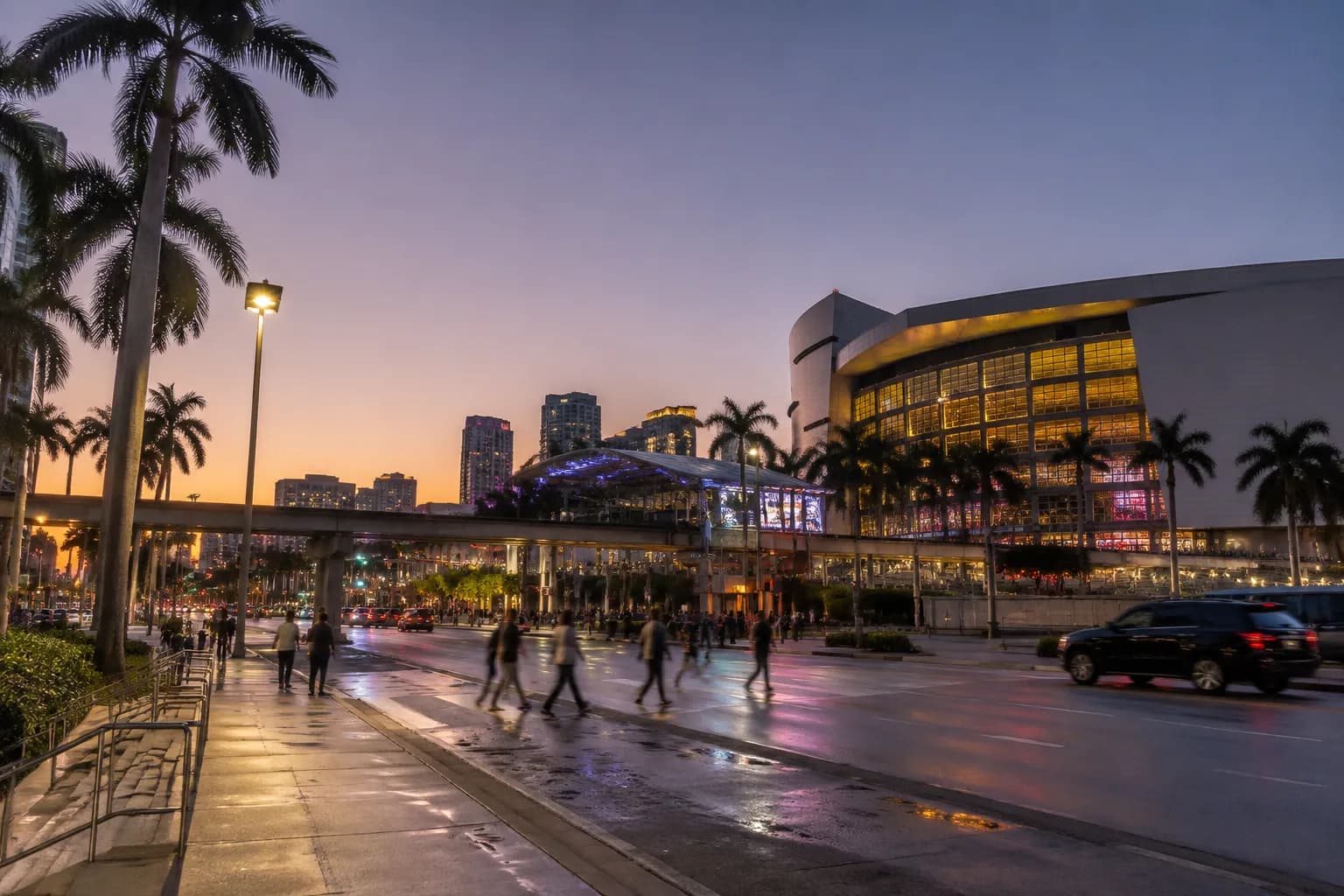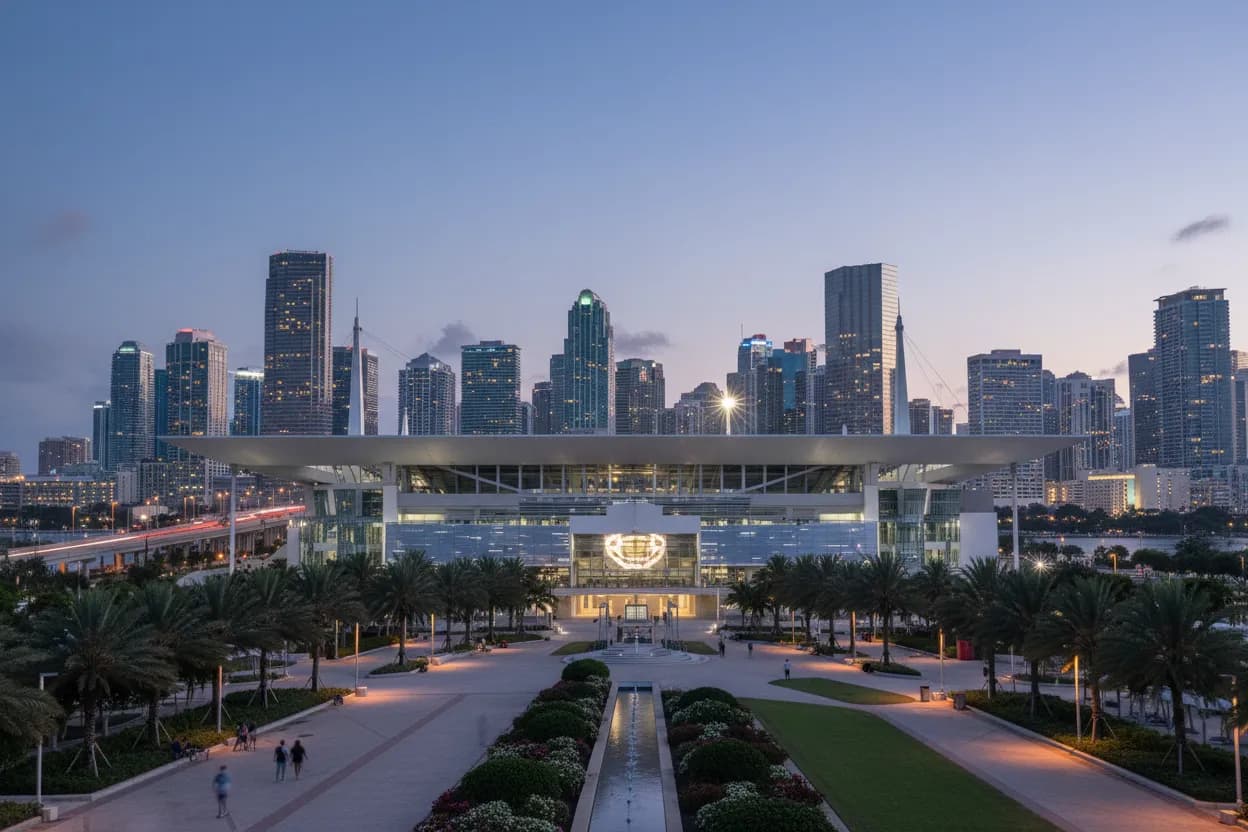
Miami can turn almost any sports conversation into a social outing, but the smart move is to separate the search buzz from what is actually happening in the city. If your group is talking about tigers vs giants, treat it as a reason to gather, not as proof that a team, broadcast, athlete, or private event is waiting locally. Greater Miami & Miami Beach promotes the destination as welcoming, culturally varied, outdoorsy, and sports-friendly, with year-round sunshine and strong facilities for fans. That does not remove the need to verify. Start with official event pages, Miami-Dade Transit updates, venue access information, and a backup plan before anyone books a ride or commits the whole evening.
Want a sports-social route that fits your group before you leave home? Text Karpo with your neighborhood, timing, mobility needs, and whether you want to play, watch, eat, or just meet up.

Turn the sports interest into a social plan
The phrase tigers vs giants may be what got everyone’s attention, but in Miami it should function as the conversation starter, not the itinerary. A beginner-friendly plan begins with one honest question: is the group trying to watch something, do something active, or simply be around sports energy while socializing? That decision keeps the night from drifting into last-minute searches, sold-out assumptions, or long rides to a place that does not match the group.
Use Miami’s strengths without overclaiming them. The official Greater Miami & Miami Beach visitor site presents the area as a place with beaches, arts and culture, outdoor activities, dining, events, and sports. That means your route can combine a sports hook with food, a museum stop, transit-accessible downtown movement, or a beach-adjacent meet-up. It does not mean every trending matchup has a Miami appearance. Keep the plan public, flexible, and confirmable.
A workable social route has three layers: a primary sports-related stop, a low-pressure place to regroup, and a backup that still feels intentional. In August, the official visitor site highlights Miami Spice, Miami Spa Months, summer offerings, and August events, all of which can help groups pivot if the sports plan changes. Verify each listing directly before relying on it.
Choose participation or spectating first
Beginners often get stranded when one person imagines a high-energy fan night and another imagines a casual activity. Decide early whether participation or spectating is the point. Participation means your group needs to think about clothing, weather, hydration, skill level, and whether the activity is truly open to the public. Spectating means checking venue entry, timing, seating, bag rules, transportation, and how much crowd noise the group can handle.
For a lower-risk sports-social angle, consider pairing sports conversation with public culture. The official visitor site lists “Get in the Game: Sports, Art, Culture” at Pérez Art Museum Miami as running weekly on Sunday, Monday, Thursday, Friday, and Saturday through August 23, 2026. That is not a substitute for checking the museum’s own current listing before leaving, but it is a useful example of how Miami can support sports interest without requiring a live game.
If your group is focused on a team-specific or match-specific experience, verify that the venue or event page actually names what you expect. Do not rely on search snippets, reposted flyers, or group-chat screenshots. If the official source does not confirm the date, access, and admission method, treat the plan as unverified.
Match the venue to the group energy
Miami has many different social speeds. Downtown can work for people who want transit connections and post-stop options. Miami Beach may fit a group that wants scenery and a visitor-friendly feel. Wynwood, Little Havana, Coconut Grove, and other neighborhoods each carry a different rhythm, and the official visitor site emphasizes that Greater Miami’s cities and neighborhoods have distinct character. Pick the energy before picking the address.
For a mixed group, avoid making the first stop the most intense stop. Begin somewhere easy to find, with a clear public entrance and room to wait without pressure. Then move to the sports-centered stop after everyone has arrived. This is especially important in Miami heat and rain patterns, where a casual delay can become a comfort issue.
Crowd risk is not only about big events. Restaurant promotions, arts events, beach traffic, and transit work can all affect the feel of a night. The official visitor site highlights active August programming, while Miami-Dade Transit posts rider alerts and service updates. Check both types of information: what is drawing people out, and how the group will move through it.
Plan equipment seating and transit early
If participation is involved, equipment planning should happen before anyone leaves. Confirm whether gear is required, allowed, rented, stored, or prohibited on the official page for the activity or venue. Do not assume a beginner can borrow everything on arrival. If spectating is involved, seating and access checks matter just as much: confirm entry method, accessible options, and any venue-specific restrictions through the official source.
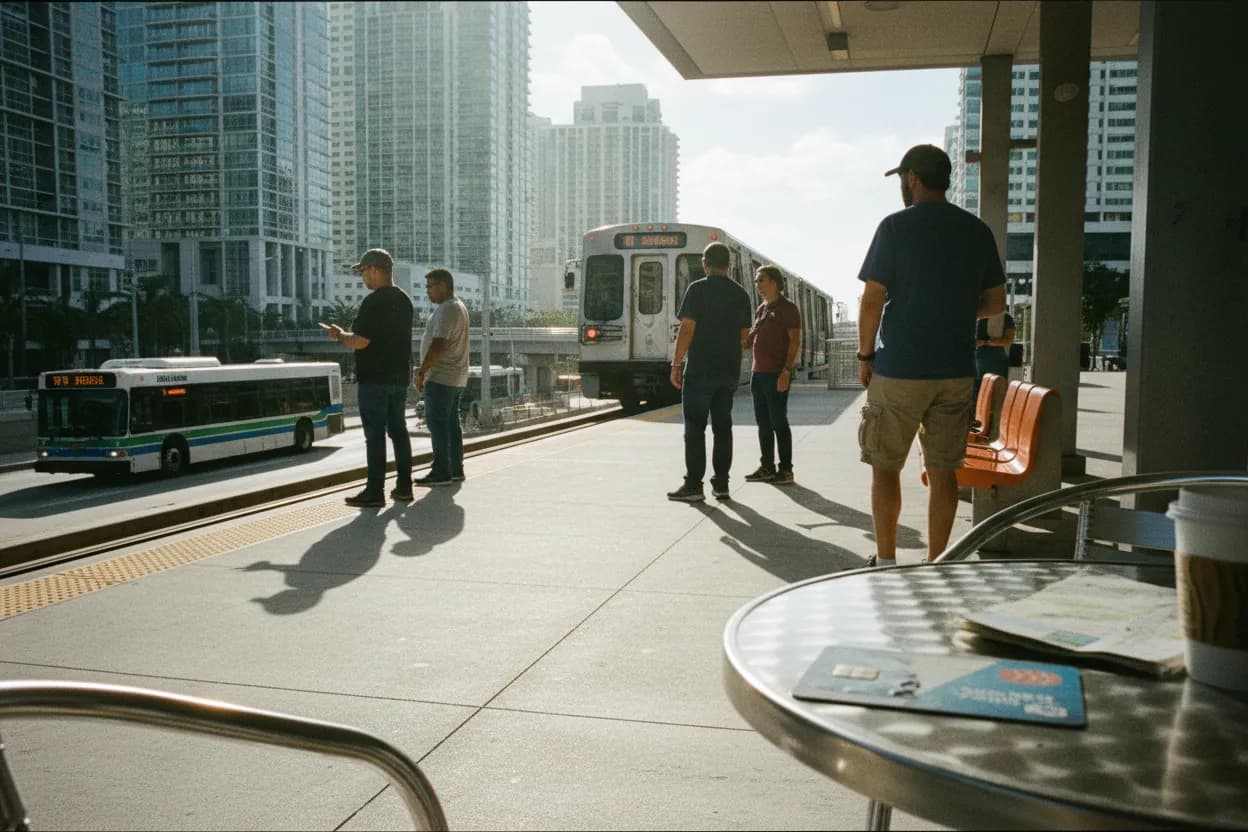
For transit, Miami-Dade County’s Department of Transportation and Public Works provides a trip planner, rider alerts, service updates, a transit tracker, and information for Metrobus, Metrorail, Metromover, MetroConnect, and Special Transportation Service. Use those tools before setting a meeting time. The department also posts elevator and escalator status, which matters for groups with strollers, mobility devices, injuries, or anyone who cannot comfortably use stairs.
Build the route around official transit checks rather than optimism. Miami-Dade Transit notes ongoing Metromover upgrade work and posts specific service messages when applicable. It also describes DTPW’s role in connecting people through public transportation and maintaining transportation infrastructure. That means the executable move is simple: plan the route, check alerts, track service, and keep a rideshare or shorter walking fallback only as a backup, not the foundation.
Keep beginners from feeling stranded
A beginner-friendly sports plan needs visible exits. Share the meeting point, the transit stop, the first regroup location, and the backup choice in one message. Avoid vague directions like “meet near the entrance” unless the official venue map makes that entrance obvious. If the group includes visitors, remember that Miami’s neighborhoods can feel close on a map but very different on the ground.
Set a social pace that does not punish late arrivals or people who are learning the city. A good structure is arrival window, first check-in, main activity, optional second stop, and clear end point. Nobody should have to guess whether the group has moved, whether the plan changed, or whether they need to buy something to stay included.
Accessibility is part of the plan, not a side note. Miami-Dade Transit states that accommodations are made for people with disabilities to access and ride transit, and it provides channels related to ADA complaints and accessible transit services. For venues and activities, check the official access information directly. If you cannot verify it, choose a simpler public option.
Verify schedules before leaving
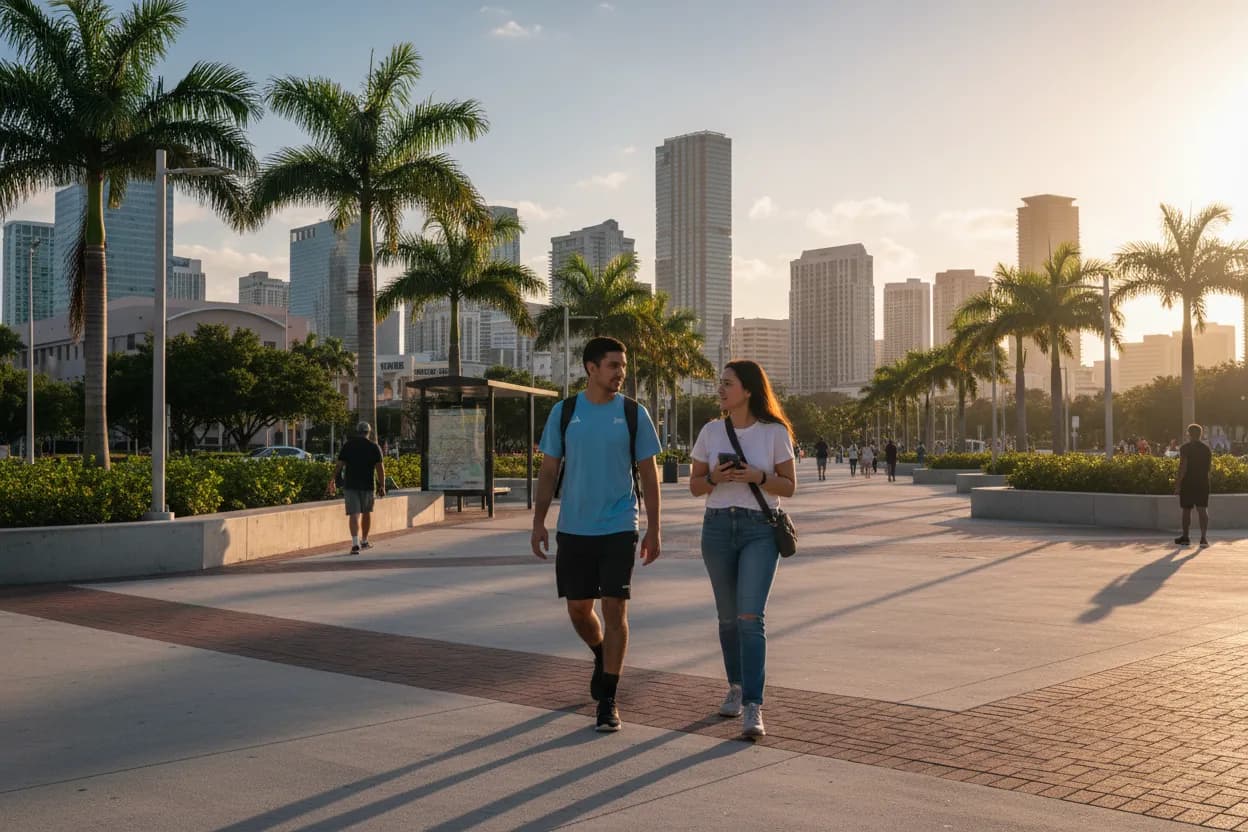
The final check should happen close to departure, because Miami plans can change quickly. Confirm the official event listing, venue access, transit service, rider alerts, and weather-sensitive details if your route includes outdoor time. The official visitor site also offers live webcams for several Miami-area views, including beaches, Bayfront Park, Biscayne Bay and PortMiami, Calle Ocho, Lincoln Road, Miami International Airport, Ocean Drive, Virginia Key Beach Park, and Wynwood Walls, which can help you understand conditions before committing to a location.
If the primary plan falls apart, do not chase rumors. Pivot to something officially listed and easy to explain. In August, the Greater Miami & Miami Beach site highlights Miami Spice, Miami Spa Months, summer offerings, August events, arts and culture, outdoor activities, and sports as visitor planning categories. Those are useful backup lanes, provided you verify the specific place, time, and access before moving the group.
The practical rule is this: if tigers vs giants brought the group together, Miami supplies the setting, but official sources supply the plan. Save the relevant pages, screenshot only after checking the date, and send one final message with route, meet time, transit option, access note, and backup. That is how a sports-social night stays fun instead of becoming a rumor chase.
Tags: #AskKarpo #BeforeYouGo #MiamiSports #SportsSocial #MiamiDadeTransit #GreaterMiami #MiamiBeach #DowntownMiami #PublicEvents #TransitFirst #BeginnerFriendly #CrowdCheck #VerifyFirst #MiamiPlans
Sources consulted: miamiandbeaches.com · miamidade.gov · miamidade.gov
All trademarks are the property of their respective owners.
Ask Karpo first
Ask Karpo first if your group is building a Miami outing around a sports trend, a public venue, or a changing transit route. Share the date, neighborhood, group size, mobility needs, and backup preferences, and Karpo can help pressure-test the plan before you go.