The phrase threats against federal judges can pull people into alarming headlines, but a grounded NYC response is to learn how courts actually work, how public access is managed, and where civic education is available without turning a news hook into a spectacle. For a civically engaged resident and a friend, Foley Square is the natural starting point for a medium-effort weekday afternoon: it concentrates major court buildings, public plazas, nearby transit choices, and institutional touchpoints that can turn abstract concern into practical understanding. Treat this as an educational route, not a promise that any one courtroom, tour, library desk, or workshop will be open when you arrive. Your job is to verify each stop the same day, keep the plan flexible, and focus on public-facing learning rather than trying to chase restricted spaces.
Text Karpo your available weekday, whether you prefer guided tours or self-paced exhibits, and if you're interested in federal or state court systems—we'll send you the next free courthouse tour slot, one nearby law library with public access, and a backup civics cafe talk if tours are full.

Start With What You Can Verify
A strong courthouse afternoon begins before you leave home. Search the official website for each court or public institution you hope to visit, then look specifically for visitor information, tour language, building entry rules, identification requirements, prohibited items, accessibility notes, and whether public programs require advance registration. Do not assume that a listing, article, or old social post still applies. Security protocols and public access details can change, especially when civic attention is high, so the most useful plan is the one that survives a same-day check.
Use Foley Square as the fixed point and make the individual stops modular. If a guided tour is unavailable, a public lobby exhibit, court calendar review, or nearby law library visit may still give the afternoon structure. If a law library has limited public access hours, move it earlier or replace it with a public civics program later in the week. The tradeoff is simple: a confirmed appointment gives more depth, while an open-ended route gives resilience. For a friend pair, that flexibility keeps the outing thoughtful instead of frustrating.

Build The Route Around Foley Square
Foley Square works well for this topic because it lets you discuss federal, state, and city civic institutions in close physical proximity without turning the day into a long commute. The square itself can be the outdoor pause between indoor attempts, especially if one building has a line or stricter entry process than expected. Keep the route compact: arrive, orient yourselves, check the first confirmed program, then decide whether the second stop should be another courthouse, a public legal education resource, or a quieter place to compare notes.
Because this is a medium-difficulty plan, do not overpack it. Two meaningful institutional stops and one public-space break are usually better than a rushed checklist. A weekday afternoon also means you may encounter normal court business, employee traffic, school groups, legal professionals, or visitors with urgent personal matters. Move patiently, keep phones away where directed, and remember that courthouse access is not the same thing as museum access. The best experience comes from observing civic infrastructure respectfully, not from trying to maximize how much you can enter.
Use Transit Checks As Part Of The Plan
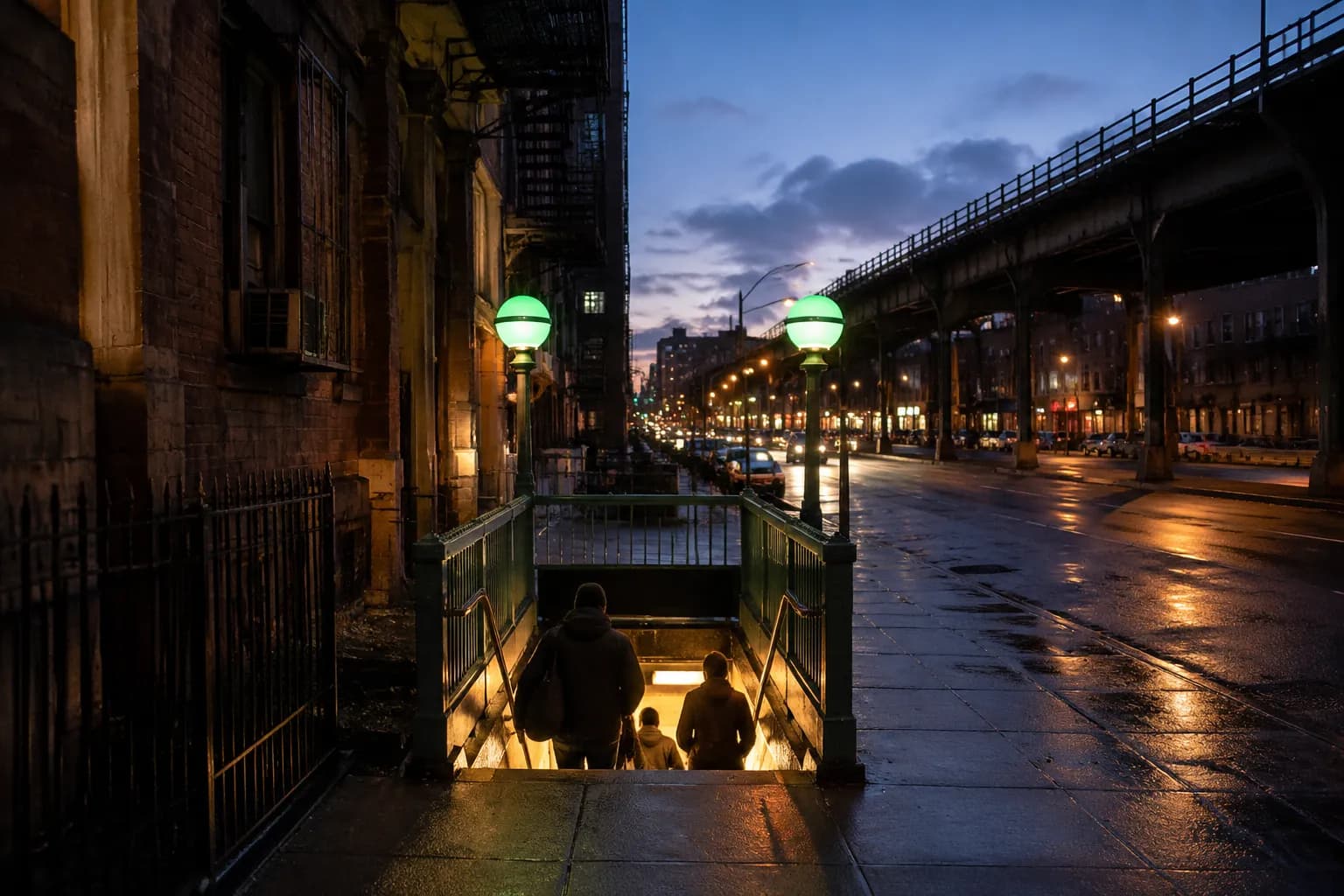
NYC transit is part of the route design, not an afterthought. Before leaving, use MTA tools for schedules, maps, fares and tolls, planned service changes, nearby stations and stops, real-time alerts, and elevator or escalator status if accessibility matters to either person. The MTA also provides accessibility information, Access-A-Ride resources, reduced fare information, and service alert signups, so a weekday afternoon plan can be adjusted before delays eat the whole visit. Build in a buffer rather than depending on a perfect transfer.
For this topic, transit reliability shapes the educational value. If you arrive rushed, you are more likely to miss entry windows, overlook posted rules, or abandon a verified program. If planned work affects your train, switch to a nearby station strategy instead of forcing the original route. A friend pairing helps here: one person can track real-time alerts while the other confirms the next stop’s visitor page. This is also where the phrase threats against federal judges should stay in context: civic concern is a reason to prepare carefully, not a reason to act hurriedly.

Pair Court Access With Legal Learning
A courthouse visit is strongest when paired with a legal information stop. Look for public law library access, court-sponsored education pages, bar association civics materials, or official public program listings that explain court structure, judicial roles, filings, appeals, juries, and courtroom norms. The goal is not to become an expert in one afternoon. It is to understand the difference between a headline, a legal process, a security policy, and a public institution’s everyday work. That distinction is what makes the route worth doing.
If a law library is available to the public, confirm hours, entry rules, computer access, reference desk scope, and whether staff can answer procedural questions without giving legal advice. If no library stop is practical, choose a public workshop or official online primer to read together before or after Foley Square. This is where the outing becomes more than sightseeing. You and your friend can leave with shared vocabulary: jurisdiction, docket, public record, sealed filing, judicial independence, court security, and why public access sometimes has limits.
Make It Free Without Making It Thin
Free things to do in NYC work best when the value comes from intention rather than amenities. For this route, the value is civic literacy: seeing where court systems operate, learning how public access is balanced with safety, and understanding which official channels answer which questions. Bring only what you need, avoid large bags if visitor rules are unclear, and plan a low-cost pause nearby only after checking current restaurant or cafe information through official or current listings. Do not build the day around an unverified food stop.
End the afternoon with a short debrief in a public space or on the ride home. Ask what felt transparent, what felt closed, and which questions still need an official answer. That reflection matters because public trust is not created by slogans; it grows when residents know how to verify information, navigate institutions, and separate civic learning from rumor. A Foley Square weekday route will not resolve every concern behind threats against federal judges, but it can turn anxious attention into informed, practical engagement.
Tags: #NYC #FreeThingstoDo #FoleySquare #CourthouseTours #CivicEducation #LegalLearning #WeekdayAfternoon
Sources consulted: Source 1: nycgovparks.org · Source 2: new.mta.info · Source 3: nypl.org · Source 4: a816-health.nyc.gov
All trademarks are the property of their respective owners.
Ask Karpo first
Ask Karpo to turn this NYC idea into a current plan for your date, budget, companion, transit preference, and energy level. Karpo can narrow the route and flag what to verify before you go.