The High Line is free, it is open from seven in the morning, and it is one of the most crowded things in New York at the wrong hour at the wrong end. Almost everything that makes a visit good or bad here is decided before you climb the stairs, and the decision is which stairs.
The park runs to 8pm in winter and 10pm the rest of the year, and the crowd shifts along it by the hour. Ask Karpo which entrance is quietest right now and what is worth walking to at whichever end you come off.
The hours, which move with the season
From 1 December to 31 March the park runs 7am to 8pm. From 1 April to 30 November it runs 7am to 10pm. That is a genuinely long day and the ends of it are where the park is at its best.
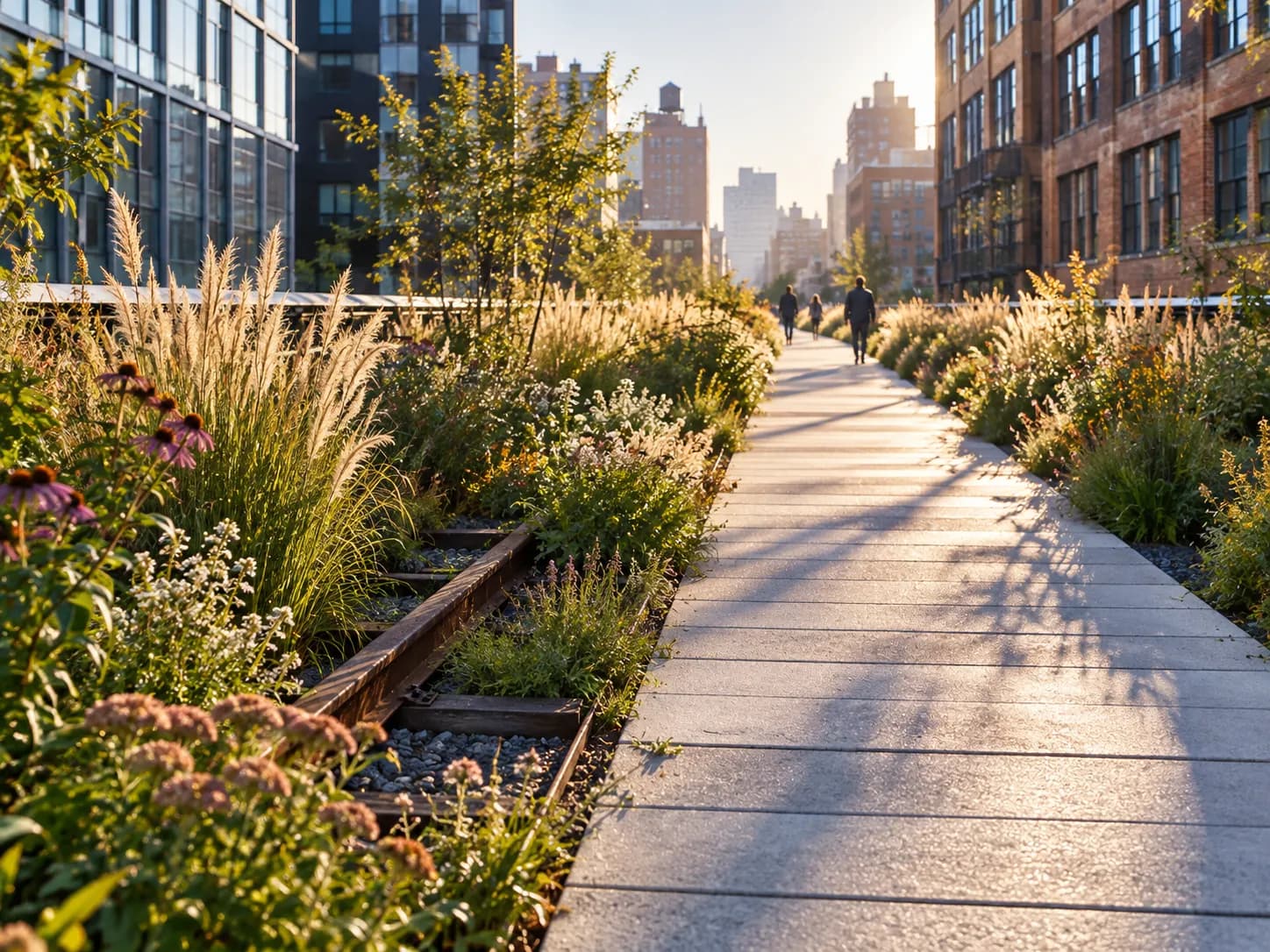
Seven in the morning on the High Line is a different place entirely. The planting is at its most legible without a crowd moving through it, the light comes down the corridor rather than across it, and you can actually stop and look at something without obstructing anyone. This is the single highest-value piece of advice about the park.
The other good window is the last hour before close in summer, when the light goes long and gold between the buildings and the daytime crowd has thinned. Mid-afternoon on a weekend is the worst it gets and it is not close.
The southern end is the bottleneck
Almost everyone enters at Gansevoort Street, because it is the southern terminus, it is next to the Whitney, and it is what appears first in every guide. The result is that the first few blocks of the park carry a disproportionate share of the traffic and move slowly.
If you enter further north and walk south, you spend most of the walk on the emptier stretch and hit the crowd at the end when you are ready to leave. That single inversion improves the experience more than any other choice available to you.
Elevators are at Gansevoort Street, 14th Street, 23rd Street and 30th Street, which matters for anyone with a pushchair, luggage or mobility needs — the other access points are stairs only. There is also park-level access at 30th Street at Hudson Yards, at 34th Street and 12th Avenue, and at 31st Street and Dyer Avenue.
The Moynihan Connector is the part nobody walks
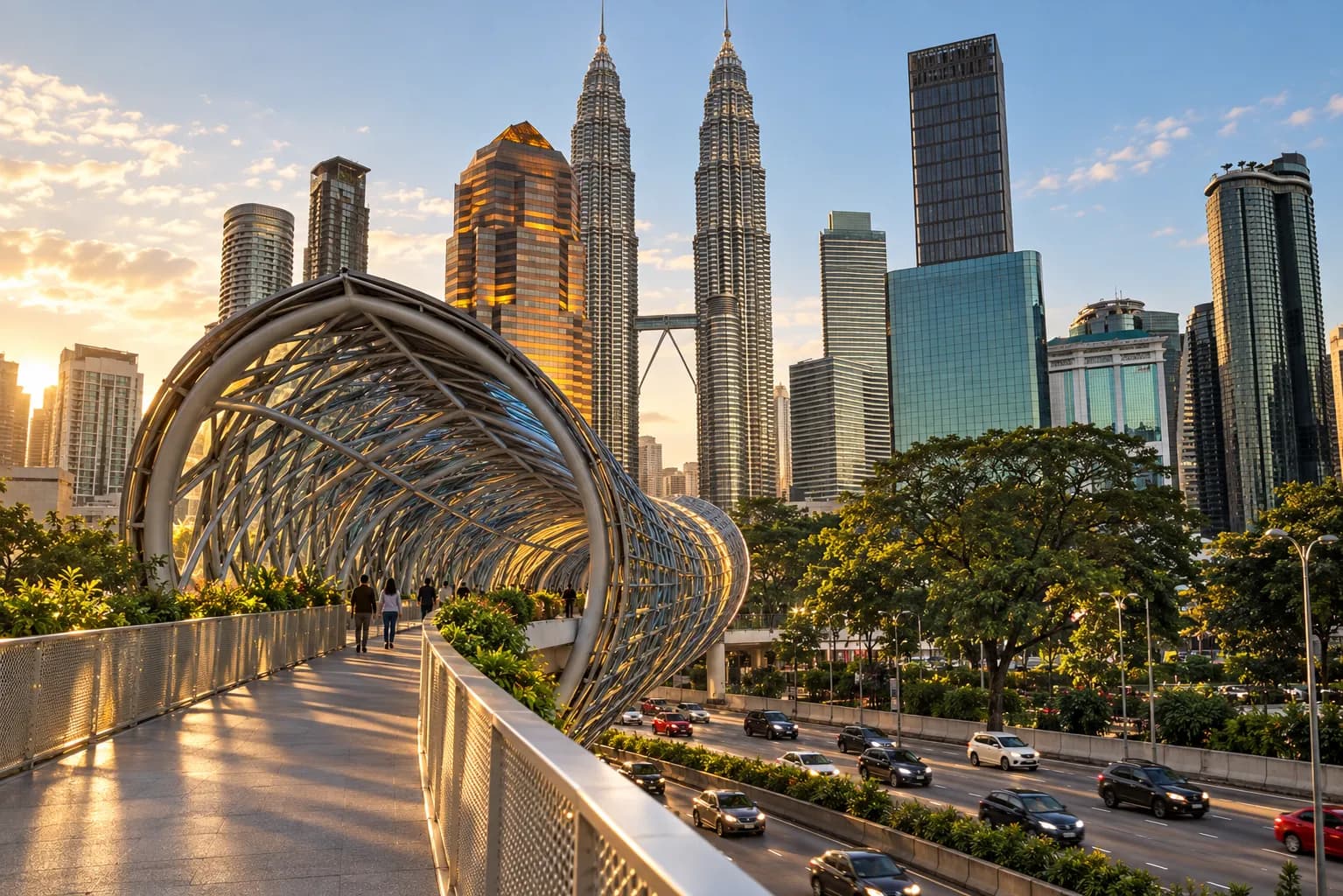
Opened in June 2023, the Moynihan Connector is a 600-foot extension made of two pedestrian bridges that runs east along 30th Street and then turns ninety degrees north up Dyer Avenue, linking the High Line to Manhattan West and on toward Moynihan Train Hall.
It is the newest piece of the park and by a wide margin the least busy. It is also genuinely good — the timber truss and the steel structure are worth looking at, and the perspective from a bridge over a working street is different from the viaduct's.
Practically it turns the High Line from a walk that dead-ends into a route. You can start at 30th Street, take the Connector east, and arrive at Penn Station and Moynihan Train Hall on foot without touching a pavement, which is a legitimately useful piece of infrastructure rather than only an attraction.
How to actually walk it
The full park runs roughly a mile and a half from Gansevoort Street up to 34th Street, and walking it end to end takes about forty-five minutes if you do not stop, which nobody does. Allow an hour and a half if you intend to look at anything.
Do not try to do it as a loop. The park is linear, there is no return path at height, and walking back along it doubles the time for no gain. Plan to come off at the far end and continue at street level.
The northern end drops you at Hudson Yards, which is a shopping and office district and not much of a reward. The southern end drops you into the Meatpacking District and the West Village, which is considerably better. That is another argument for walking north to south.
What is around it
At the southern end: the Whitney Museum sits directly at the Gansevoort entrance, Chelsea Market is a short walk from the 14th Street access, and the West Village begins immediately west and south. Pier 57 and Little Island are both within a few minutes of the lower stretch and both are free.
In the middle: the Chelsea gallery district runs through the 20s between Tenth and Eleventh avenues, and the galleries are free to enter, open to anyone and almost entirely ignored by people walking directly overhead. Coming down at 23rd Street and spending an hour in them is one of the better free afternoons in Manhattan.
There is food on the park itself in warmer months and it is priced accordingly. Coming down to eat is cheaper and better in every direction.
Practical notes
Free, no ticket, no booking. Open 7am to 8pm from 1 December to 31 March and 7am to 10pm from 1 April to 30 November. Elevators at Gansevoort Street, 14th, 23rd and 30th; park-level access at 30th Street at Hudson Yards, 34th Street and 12th Avenue, and 31st Street and Dyer Avenue. Enter at the northern end and walk south to avoid the Gansevoort bottleneck. The 600-foot Moynihan Connector, opened June 2023, runs east along 30th Street then north up Dyer Avenue toward Moynihan Train Hall and is the quietest section. Allow about ninety minutes end to end. Early morning is by far the best hour.
Tags: #highline #thingstodonyc #freethingstodonyc #chelsea #meatpackingdistrict #moynihanconnector #nycparks #hudsonyards #newyorkwalks #nycfreestuff #manhattan #nycguide #urbanpark #westside
All trademarks are the property of their respective owners.
Ask Karpo first
The High Line is free and open long hours, so the only real variable is where the crowd is at the moment you arrive. Ask Karpo which entrance is quietest right now, whether the Moynihan Connector end makes more sense today, and what is worth walking to at street level once you come down.