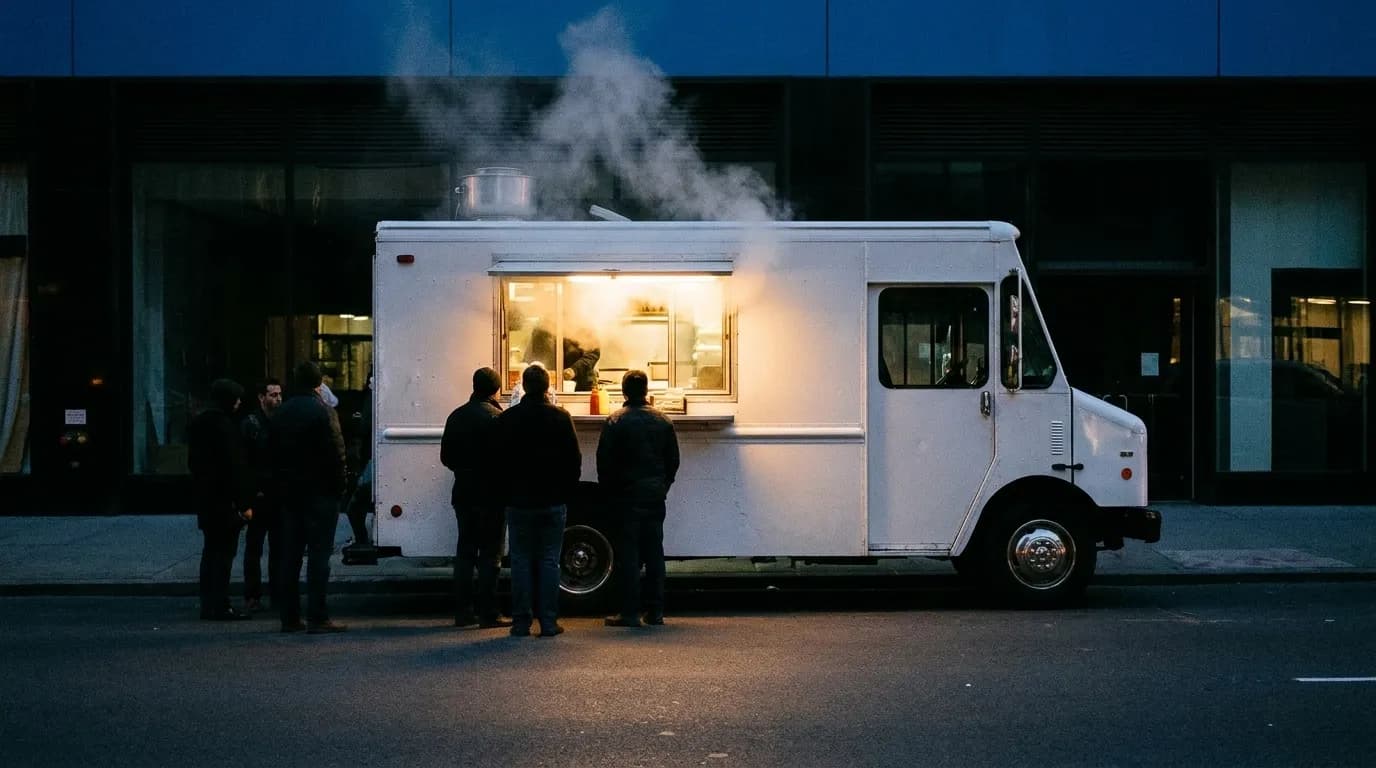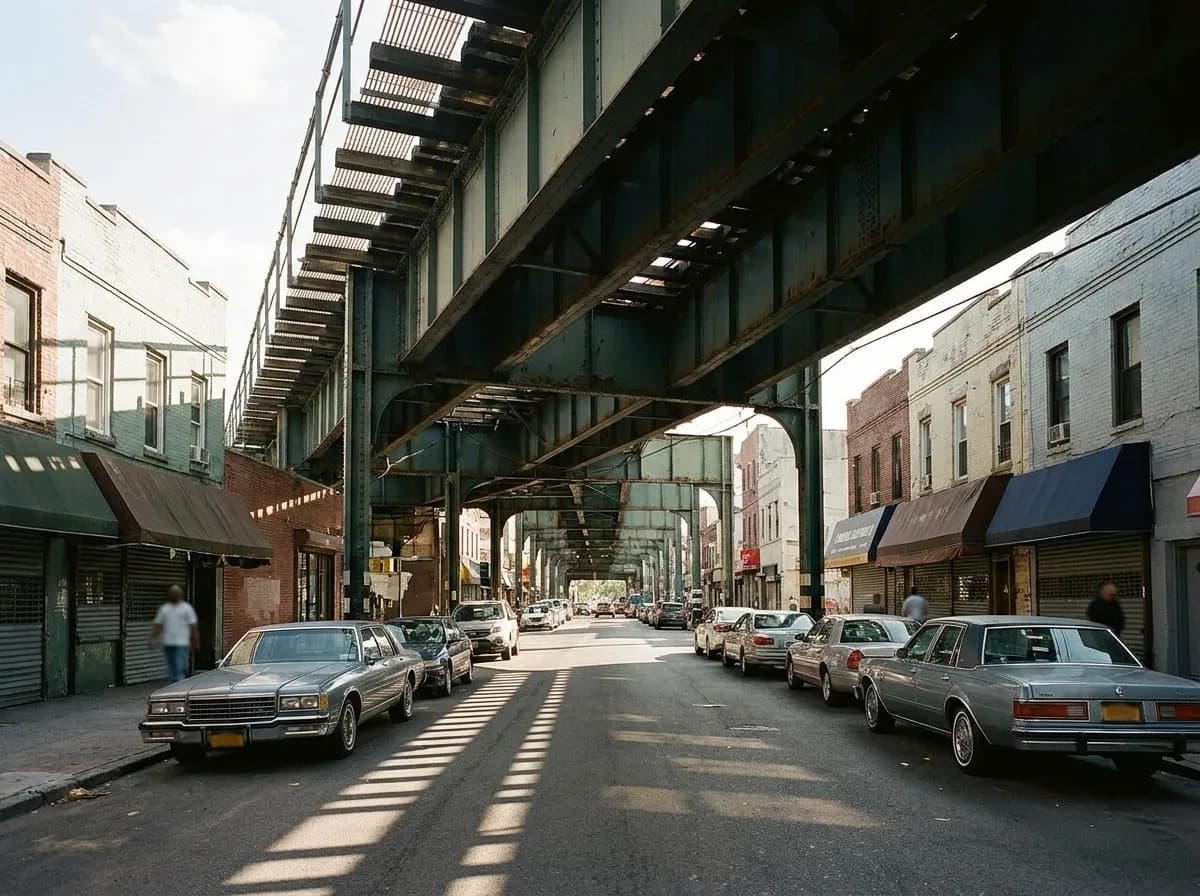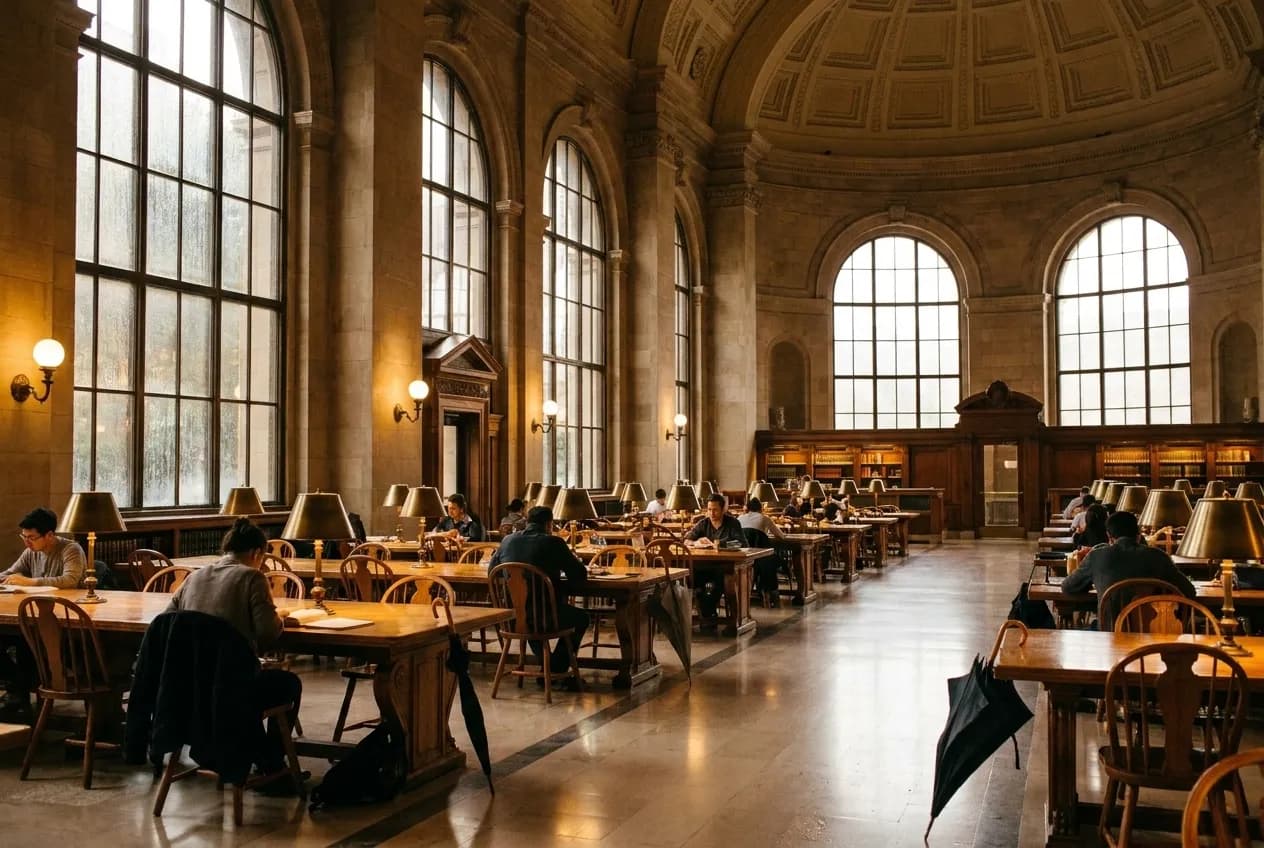
It is two-thirty on a Saturday afternoon in October and the rain started an hour ago. Every tourist in Midtown had the same thought at the same moment, which means MoMA's lobby is now a scrum of wet backpacks and the Natural History Museum's ticket line stretches down the block under a forest of umbrellas. The High Line empties. Washington Square clears. Bryant Park's reading room fills to standing capacity in twelve minutes. This is the moment when the city's second tier of indoor spaces—less famous, oddly specific, built for a different purpose entirely—becomes vastly more useful than the attractions everyone already knows.
Open the Karpo app right now to find which covered spaces near you have capacity this afternoon, plus live routes that keep you under awnings and through concourses the whole way.
How Much Afternoon Each Space Can Actually Hold
The shortest visits are the glass conservatories. The one in Brooklyn Botanic Garden holds about forty minutes if you read every label and sit on the central bench. The Enid A. Haupt Conservatory at the New York Botanical Garden in the Bronx is larger and can absorb ninety minutes when you include the seasonal exhibition space and the upstairs walkway, but both require admission and both get crowded fast when the weather turns. They work best as one component of a longer afternoon, not as the whole answer.
The reading rooms are the next category up. The Rose Main Reading Room at the main branch of the New York Public Library on Fifth Avenue is the most famous and the most likely to be full, but the Schwarzman Building has three other reading rooms on different floors—the Milstein Division on the third floor and the Wertheim Study on the first among them—that stay quieter because visitors forget they exist. You can sit for two hours. No one checks. The Jefferson Market Library branch in the West Village has a smaller Gothic reading room on the second floor with high ceilings and leaded windows that feels like a different century. The Stavros Niarchos Foundation Library in midtown has modern reading tables facing Bryant Park and stays open until eight most evenings.
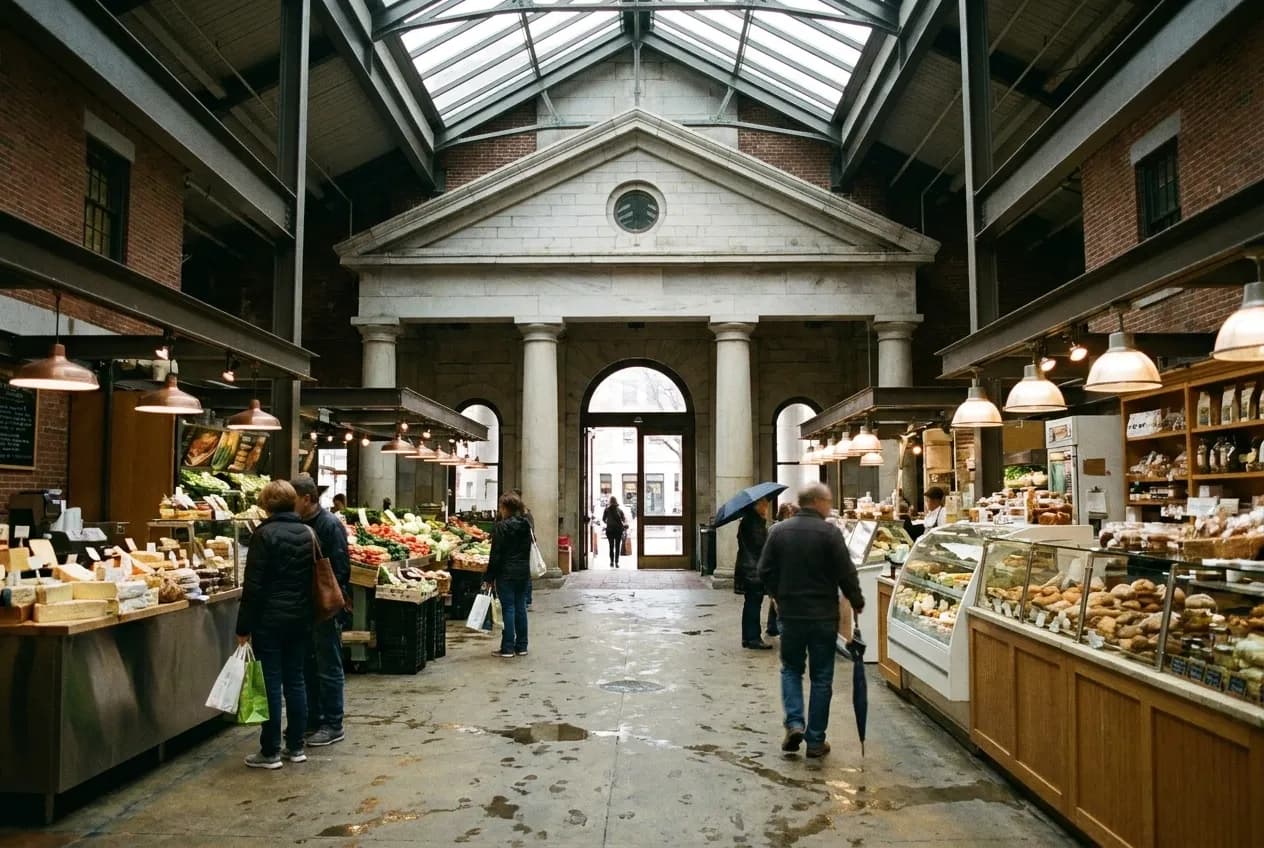
Covered markets come next. Essex Market on the Lower East Side is fully enclosed, holds about thirty vendors, and can occupy two hours if you eat slowly and browse the fishmonger and the spice stall and the used-book corner at the back. Chelsea Market is longer and more tourist-heavy but has enough side passages and second-floor spaces that you can usually find a quiet stretch near the Loading Dock or the back stairwell near Tenth Avenue. The food halls in midtown—the one in Grand Central Terminal, the newer development in the Oculus at World Trade Center—are functional but not calm. They work when you need exactly one thing and know which stall already.
Single-Subject Collections Nobody Rushes To
The city has a dozen small museums organised around a single obsession, and most of them see twenty visitors on a rainy Saturday instead of two hundred. The Museum at FIT in Chelsea covers fashion history and costume in rotating exhibitions across two small galleries. Admission is free. The museum closes at five on Saturday and stays open until eight on Wednesday, which matters when you are planning around weather. The Morgan Library on Madison Avenue is technically famous but oddly under-visited, and the original library room—the one built for Pierpont Morgan with floor-to-ceiling walnut and a three-tier balcony—holds perhaps thirty people at most and stays quiet even when the temporary exhibition galleries are busy.
The Neue Galerie on Fifth Avenue near the Met occupies a single townhouse and covers early-twentieth-century German and Austrian art. It is small enough that you finish in an hour, but the ground-floor Café Sabarsky is Viennese and has table service and takes no reservations for parties under six, which means you can usually get a table for two within twenty minutes on a walk-in basis even on bad-weather weekends. You stay as long as you want once you sit. The Frick Madison—the temporary location on Madison Avenue while the original building is closed—has five or six galleries and rarely feels crowded because it lacks the entry pavilion and grand staircase that pull crowds to comparable institutions. You are done in seventy-five minutes unless you sit in front of one painting for a long time, which the guards allow.
Which Ones Need Booking Even When It Rains
Most of the spaces above operate on walk-in admission, but three categories require advance planning. Anything involving a live performance—the afternoon concert series at (le) Poisson Rouge in the West Village, the jazz matinees at Village Vanguard, the chamber music in the Stanley H. Kaplan Penthouse at Lincoln Center—sells a fixed number of seats and those seats disappear faster when outdoor events cancel. Book the morning of if you can, earlier if the performer is known.
The second category is the destination restaurant with a no-walk-in policy. Russ & Daughters Cafe on the Lower East Side takes reservations only and fills every slot when it rains because the line outside the original shop becomes unworkable. The same applies to Sunday-afternoon bookings at Balthazar in SoHo or brunch slots at Jack's Wife Freda in the West Village—places that have outdoor lines in good weather and switch entirely to reservations when the weather breaks.
The third is any city-run conservatory or garden that uses timed-entry ticketing during peak seasons. The Haupt Conservatory at the New York Botanical Garden moves to timed slots during the orchid show and the holiday train display, and those slots sell out two days ahead when rain is forecast. The Brooklyn Botanic Garden does the same during cherry blossom season. Check the website the night before. If timed entry is in effect and slots are gone, the visit does not work.
The Longer Combinations That Work When One Stop Is Not Enough
The best rainy afternoons chain two or three of these spaces together with as little outdoor exposure as possible. The Strand bookstore on Broadway near Union Square is across the street from the subway and holds two hours if you work through the basement. You come up the stairs, cross Fourth Avenue under an awning, and walk two blocks south to the Bowery, where you can sit at a bar with table service and no reservations until seven. The route from the Morgan Library to the Neue Galerie is a twenty-minute walk up Madison Avenue with scaffolding cover for about half the distance, or a single subway stop if the rain is heavy. You finish at the Neue, sit at Café Sabarsky until five, and walk two blocks west to the Lexington Avenue line under the museum's own awning.
The other reliable combination is the Jefferson Market Library in the West Village, followed by a walk down Sixth Avenue to the IFC Center, which runs a repertory schedule and has four screens. The afternoon show starts at two or three depending on the day. You are out by four-thirty, and the west side of Sixth Avenue has awnings for most of the next ten blocks south. By the time you reach Houston the rain has usually stopped or you no longer care.
The hardest part of all of this is checking which of these places is open on the particular Monday or Tuesday when the rain arrives. The small museums close one day a week each and the day is never the same. The Morgan is closed Mondays. The Neue is closed Tuesdays and Wednesdays. The Frick Madison is closed Mondays. The conservatories follow park hours, which vary by season and by borough. You will not remember this when the weather changes. That is what the Karpo app is for—it knows what is open right now and how to connect two stops without getting soaked.
Next weekend, when the forecast turns, try this: open the app at noon and ask for one covered museum and one covered market within thirty minutes of your current location, then ask for the route that keeps you dry between the two. See if the plan it builds matches what you would have done on your own. If it does, you have confirmed your judgment. If it does not, you have a better afternoon than you expected.
Tags: #ThingsToDoNearMe #NYCRainyDay #IndoorNYC #NYCHiddenGems #RainyDayNYC #CoveredSpaces #NYCMuseums #ReadingRoomsNYC #IndoorMarkets #NYCConservatories #QuietNYC #RainyAfternoon #NYCAlternatives #HiddenNYC #UnderratedNYC
Please drink responsibly. Must be of legal drinking age.
All trademarks are the property of their respective owners.
Ask Karpo first
Ask Karpo which reading rooms and single-subject museums near you have space right now, plus which covered markets are calm enough for a long visit. The app knows what is open this afternoon and builds the route that keeps you under cover between stops.