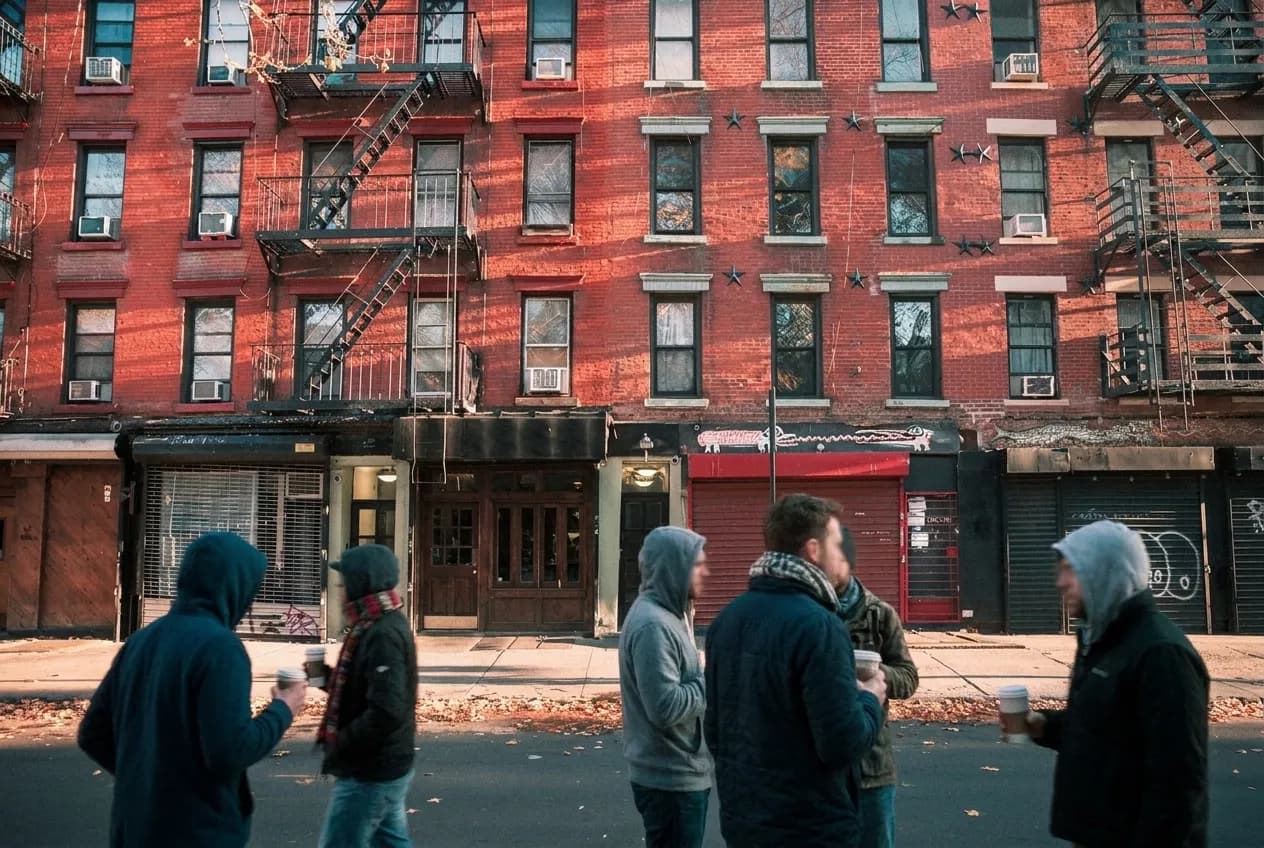
At nine forty-five on a Saturday morning in October, whole blocks of the East Village smell like frying bacon and the air inside certain bars is already warm with body heat. The Premier League kicked off at ten, which means doors opened at nine-thirty, and the people queuing outside in hoodies and scarves are not waiting for brunch. They are waiting for Tottenham versus Arsenal, and the room inside is theirs until one in the afternoon.
The Karpo app tracks which bars are hosting which clubs this morning, what time the doors open, and whether you need to arrive early for the big fixtures.
European league football runs on a calendar that puts most matches between seven and noon Eastern time. That schedule creates a specific morning economy in New York: bars that would otherwise open at eleven commit to breakfast service, supporters' clubs negotiate standing room-only arrangements, and entire neighborhoods develop reputations for hosting particular teams. The ritual is consistent across the season but the intensity shifts with the fixture list, the table standings, and whether a match is on network television or requires a streaming subscription.
Understanding the difference between a bar that shows matches and a bar that hosts a supporters' club is the first sorting mechanism. A bar that shows matches will have the sound on and will serve you if you walk in. A bar that hosts a club has made a deal: the club guarantees fifty or a hundred people, the bar holds the room and does not take other reservations, and everyone in that room is wearing the same colors. If you are not a member and you are not wearing those colors, you can still walk in, but you are a guest in someone else's house.
The Seven-Thirty Window and Early Doors
The earliest kickoffs are seven-thirty, which is almost always a weekend slot for the biggest fixtures. Bars that commit to seven-thirty starts are making a real operational decision: they need staff on site by six forty-five, they need to have run a prep cycle the night before, and they are betting that enough people will show up at seven-fifteen to justify turning the lights on. Most neighborhoods cannot support that bet more than a handful of times per season.
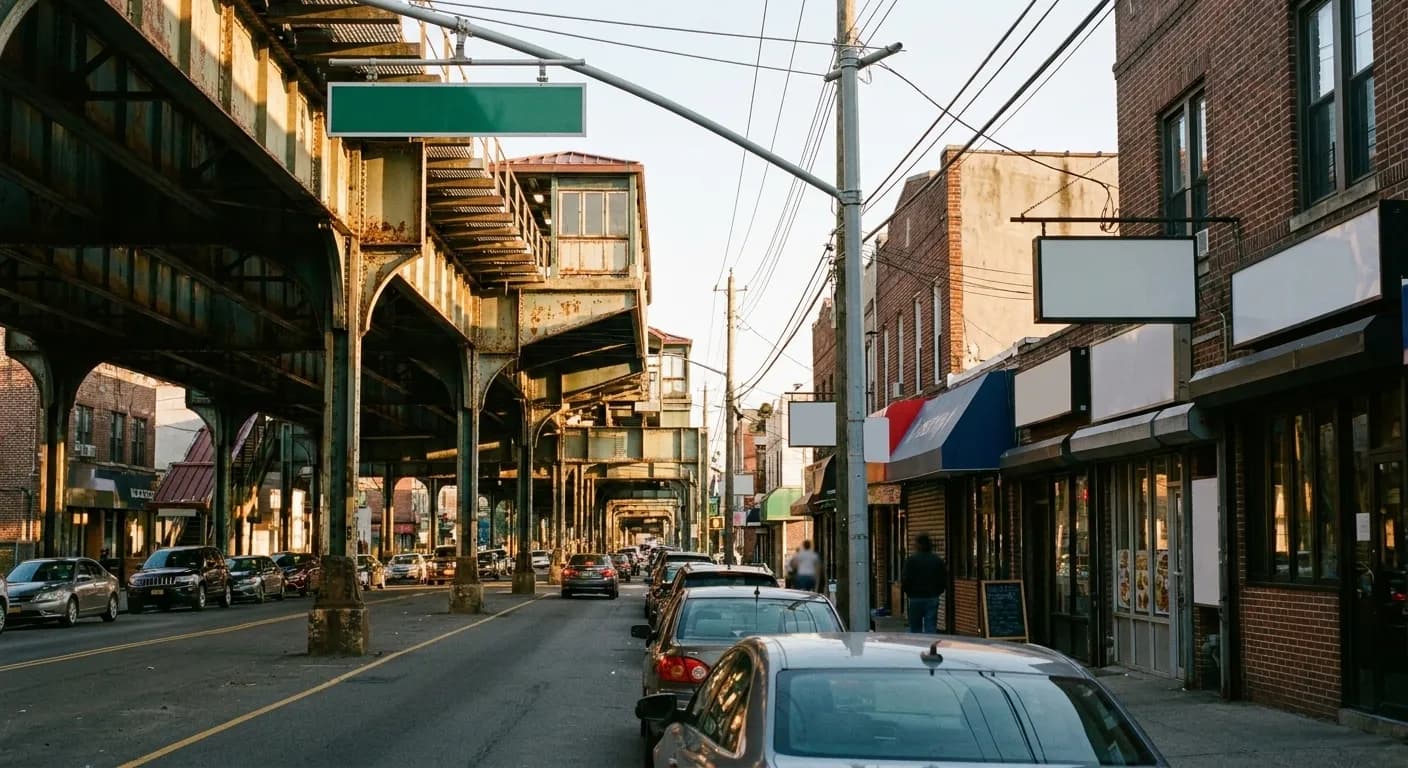
Midtown around Eighth Avenue and the West Thirties has the density to make early kickoffs work consistently, because the bars there pull from New Jersey commuters who are already awake and from hotel guests who are still on European time. The same is true for a few blocks in Williamsburg near the Bedford Avenue subway stop and for a stretch of Steinway Street in Astoria, where the Greek and Balkan communities treat seven-thirty kickoffs as normal weekend mornings. If you are trying to find a seven-thirty match and you do not already know where to go, your reliable clusters are transit-adjacent and they skew toward neighborhoods with either dense commuter traffic or large populations who grew up in countries where this schedule is standard.
Arriving at seven-fifteen for a seven-thirty kickoff usually gets you a seat. Arriving at seven-twenty-five usually gets you standing room. Arriving at seven-thirty means you are watching from the back or from the sidewalk if the fire marshal is paying attention. The calculus changes if the match is a derby or a top-of-the-table clash, in which case people start queuing at seven and the bar will be at capacity before kickoff.
The Ten O'Clock Standard and Where the Clubs Are
Ten in the morning is the default Premier League kickoff time in New York, and it is the slot that produces the most consistent crowds. Bars that host supporters' clubs for ten o'clock matches usually open at nine-thirty, serve a limited breakfast menu, and expect the room to turn over by twelve-thirty or one. The clubs themselves are organized by team allegiance and they are not shy about their locations. Most maintain public social media accounts that post the week's fixtures and confirm which bar is hosting.
Lower Manhattan and the Financial District have concentrations of Arsenal, Chelsea and Manchester United supporters' clubs, which reflects both the demographics of the neighborhood and the fact that those clubs have been organizing in New York since the nineteen-nineties. The East Village and Alphabet City have historically hosted Liverpool and Tottenham groups, while the West Village and the blocks around Bleecker Street pull Manchester City and Everton crowds. Brooklyn supporters' clubs are more distributed: Williamsburg and Greenpoint host Tottenham and Arsenal offshoots, Park Slope has a strong Liverpool presence, and Sunset Park has been building a West Ham contingency for the past five years.
If you do not have a team allegiance and you just want to watch a good match in a full room, the tactic is to identify the fixture with the highest stakes and then find out which bar is hosting the club that is playing at home. Home supporters' clubs tend to draw bigger crowds, and bigger crowds produce better atmospheres. The inverse is also true: if you want a quieter room where you can actually hear the commentary, look for the away supporters' club or find a bar that is showing the match but not hosting anyone.
For ten o'clock kickoffs in October through March, arrive by nine-forty for a normal match and by nine-fifteen for a derby or a relegation six-pointer. The breakfast menu usually stops at eleven-thirty, which means if you want food you need to order before halftime. Most bars will keep serving drinks through the end of the match, but the kitchen closes fast.
Noon Kickoffs and the Brunch Collision
Noon kickoffs are the least predictable from a crowd perspective because they overlap with brunch service, and bars have to decide whether they are prioritizing match crowds or walk-in brunch traffic. Some bars solve this by splitting the room: one side has the sound on and the tables are first-come, first-served for match viewers, the other side is taking brunch reservations and treating the game as background. Other bars commit fully to the match and do not take brunch reservations at all on days when there is a significant fixture at noon.
The Upper East Side and the Upper West Side have the most bars that try to do both, which makes them unpredictable. You might walk into a room that is split fifty-fifty between people watching the match and people eating eggs Benedict, or you might walk into a full supporters' club takeover. The only way to know is to check the supporters' club social media or to call the bar directly and ask whether they are hosting.
Astoria and Jackson Heights are more reliable for noon kickoffs because the bars there are not trying to serve brunch to people who do not care about football. The rooms are smaller, the crowds are more consistent, and the food is straightforward: coffee, breakfast sandwiches, and nothing that requires a long ticket time. If you are looking for a noon kickoff and you want to avoid the brunch confusion, take the train to Queens.
How the Season Moves and How to Read the Street
The European football calendar runs from August through May, with a winter break in late December and early January. The intensity of the morning bar scene peaks in three windows: the first six weeks of the season in August and September, the run-up to Christmas in November and December, and the final eight weeks of the season in April and May when titles and relegation are being decided. The middle months—January through March—are quieter, and that is when you can walk into most bars at kickoff and still find a seat.
Midweek fixtures throw the schedule off entirely. Champions League and Europa League matches are almost always on Tuesdays and Wednesdays, and they kick off at three in the afternoon New York time, which means bars that host them are doing so during the slowest part of their day. The crowds are smaller, the atmosphere is more subdued, and many bars will show the match but will not commit to full supporters' club hosting. If you want to watch a midweek European match in a proper room, you need to identify which supporters' clubs are organized enough to guarantee a turnout on a Wednesday afternoon, and those are usually the bigger clubs with the larger memberships.
The fastest way to read whether a bar is hosting or just showing is to look at the sidewalk thirty minutes before kickoff. If there are people in scarves standing outside with coffee cups, the bar is hosting and you should expect the room to be at capacity by kickoff. If the sidewalk is empty and the door is open, the bar is showing the match and you can walk in. If there are people inside but no one is wearing colors and the sound is low, the bar has the match on but it is not the priority and you are better off going somewhere else.
The other tell is the menu. If the bar is serving a full breakfast menu with multiple egg options and pastries, they are committed to the morning crowd and they expect people to stay through halftime. If the menu is limited to coffee and breakfast sandwiches, they are doing the minimum to meet the demands of the supporters' club and they expect people to drink more than they eat. If there is no food menu at all and the bar is only serving drinks, you are in a room that is optimized for volume and you should not expect table service.
Tags: #ThingsToDoNearMeNYC #NYCFootball #PremierLeagueNYC #SoccerBarsNYC #EarlyKickoff #SupportersClubsNYC #MatchDayNYC #MorningFootball #NYCWatchParties #EastVillageFootball #AstoriaSoccer #WilliamsburgBars #WeekendMorningsNYC #EuropeanFootballNYC #NYCSoccerCulture
Please drink responsibly. Must be of legal drinking age.
All trademarks are the property of their respective owners.
Ask Karpo first
The Karpo app knows which bars are hosting which clubs right now, what time they opened, and whether they are already at capacity. It will route you to the nearest room with space and tell you what the crowd is like before you commit to the train ride.