San Francisco is seven miles square, which is genuinely useful with children — nothing is far, everything is reachable by public transport, and a day can be rearranged at short notice. What it also is, is steep, cold in summer and prone to a fog that turns a planned afternoon at the beach into an hour of shivering. Planning around those two facts is most of what makes a family day here work.
Whether an outdoor plan works today depends entirely on which side of the city you are on. Ask Karpo where the sun is.
Golden Gate Park, which is most of the answer
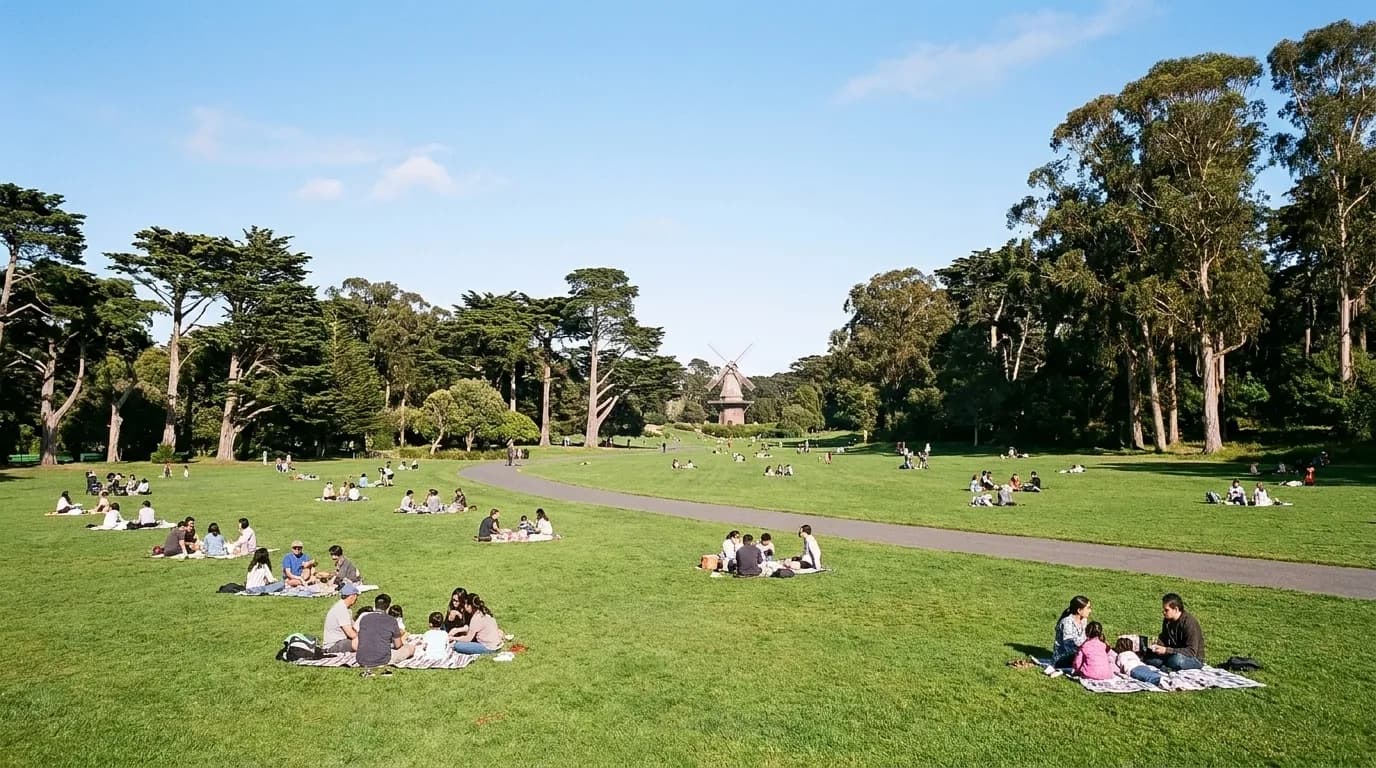
Golden Gate Park is larger than Central Park and runs three miles from the Haight to the ocean, and it contains most of what a family needs in one place. The Koret Children's Quarter is the oldest public children's playground in the United States, opened in 1888, and includes a carousel. There are windmills, a buffalo paddock, a Japanese tea garden, botanical gardens, playgrounds and lakes with boats.
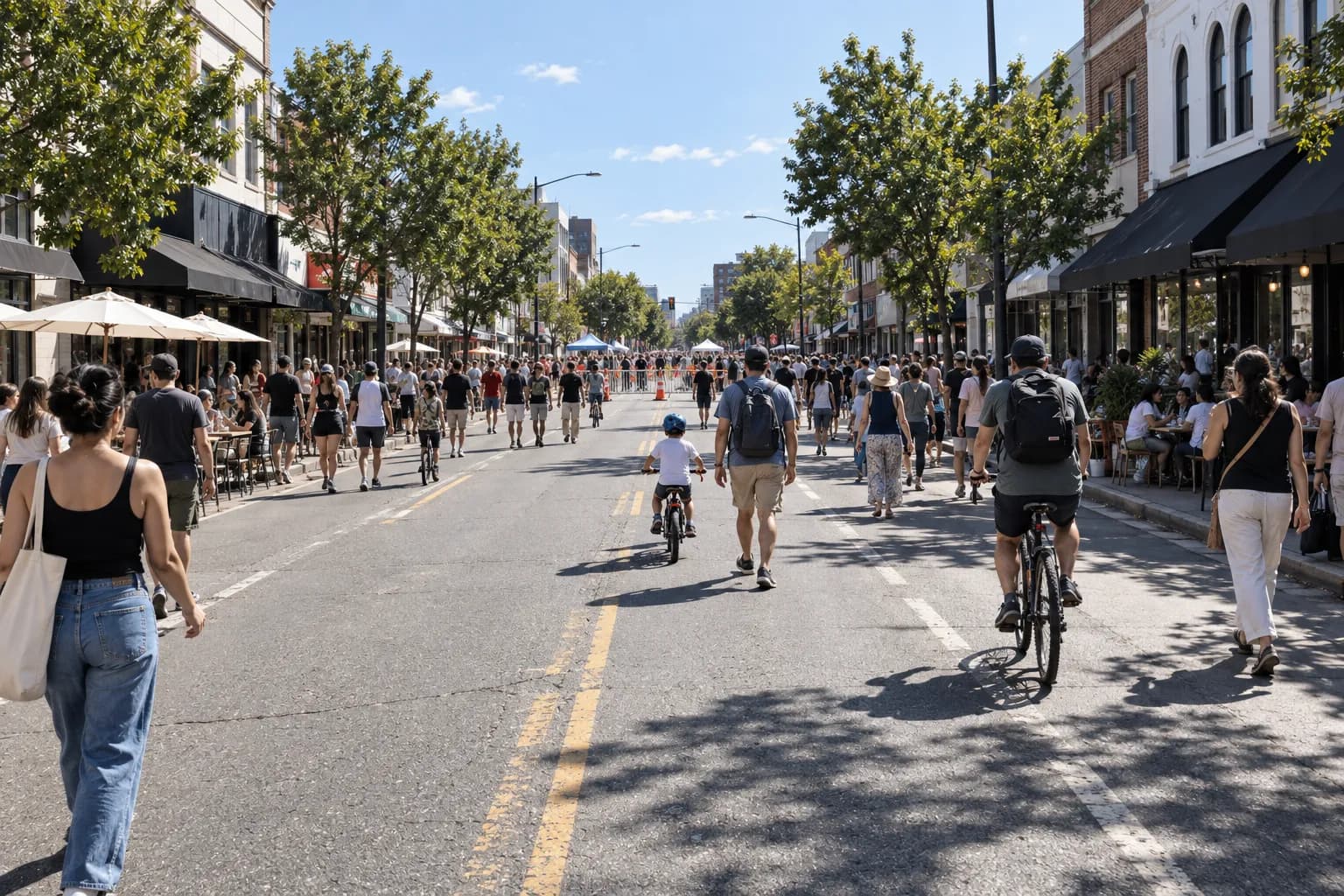
It also holds two of the city's major museums — the de Young and the California Academy of Sciences, which combines an aquarium, a planetarium and a rainforest under one roof and is the strongest single indoor option for children in the city. JFK Drive through part of the park is permanently car-free, which makes cycling and scooting genuinely practical.
The waterfront and the science
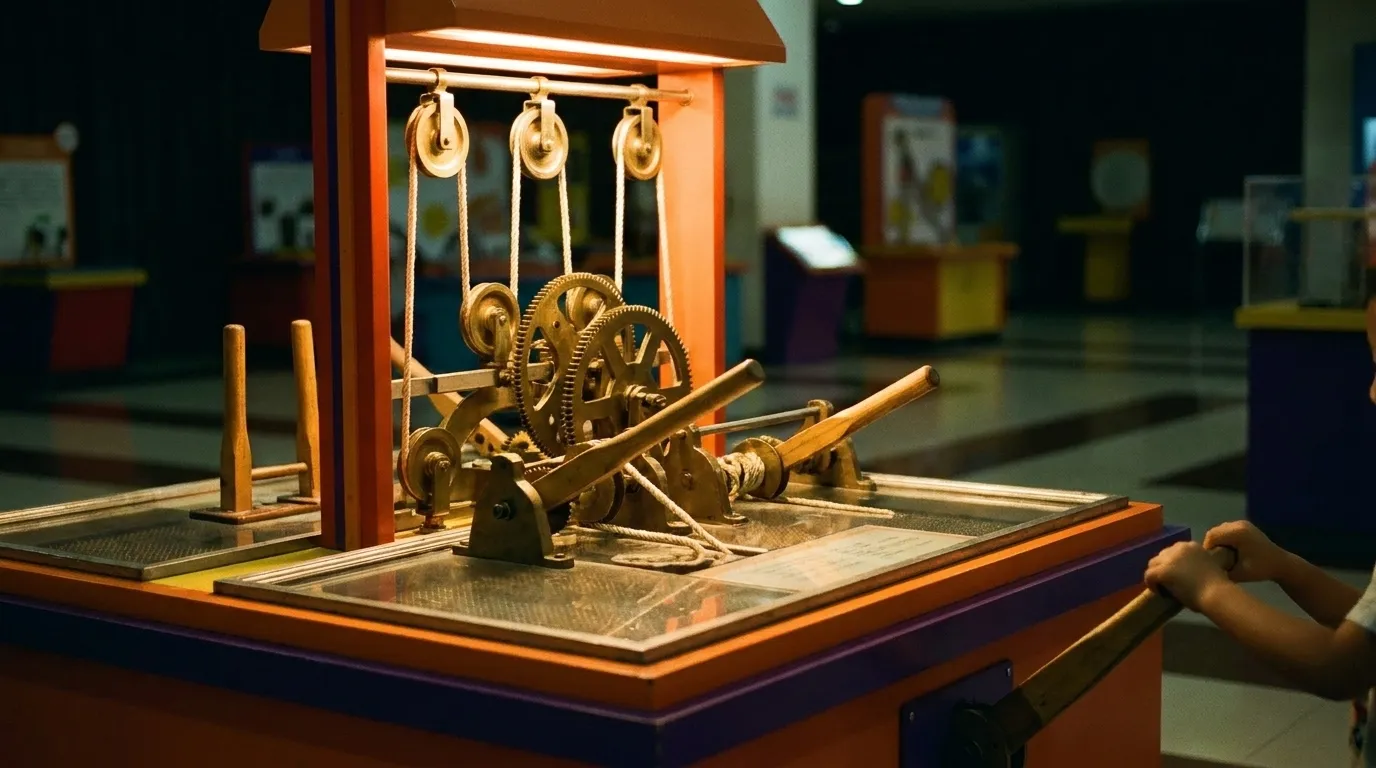
The Exploratorium on Pier 15 is a hands-on science museum built specifically around children experimenting rather than reading, and it is one of the best of its kind anywhere. The waterfront around it — the Embarcadero, the Ferry Building, the sea lions at Pier 39 — is walkable and flat, which matters more than it sounds in this city.
Crissy Field, along the bay beneath the Golden Gate Bridge, is the best free family space in San Francisco: a wide flat shoreline path, a beach, kite flying, and the bridge directly overhead. It is also the windiest place in the city, so it needs layers regardless of the day.
The fog problem
This is the practical constraint that shapes everything. In summer, the western half of the city — the Sunset, the Richmond, Ocean Beach, the western end of Golden Gate Park — is frequently ten degrees colder and completely grey while the Mission, Bernal Heights, Potrero Hill and the Dogpatch are warm and sunny. Planning a beach afternoon in July without checking is the classic mistake.
The rule: if you want sun in summer, go east of Twin Peaks. If the fog is in, the museums, the Ferry Building and the eastern neighbourhoods are the fallback. And remember that September and October are San Francisco's warmest months, not July, which is genuinely useful when planning a visit.
The zoo, the aquarium and the rest
The San Francisco Zoo sits at the far south-west corner of the city beside Ocean Beach, which means it is frequently the coldest and foggiest place in San Francisco — worth checking before committing an afternoon to it. Aquarium of the Bay at Pier 39 is small but well placed for combining with the sea lions and the waterfront. Children's Creativity Museum at Yerba Buena Gardens, with the historic carousel next to it, is the best downtown option for younger children. And the Bay Area Discovery Museum sits just over the Golden Gate Bridge in Sausalito, which makes the ferry or the drive part of the outing.
Free days and cheap entry
Several San Francisco museums run free or reduced-price days, generally on a fixed weekday or the first of the month, and a number offer free admission to residents of specific counties. The library system, which is free to anyone, runs extensive children's programming across its branches and lends museum passes in some cases. Checking before you buy tickets is worth ten minutes.
The genuinely free list is long: all the parks and playgrounds, Crissy Field and the beaches, the sea lions, the cable car turnarounds as spectacle if not as a ride, the Ferry Building's public spaces, the Presidio's trails and open spaces, and the hilltop parks — Bernal Heights, Corona Heights, Tank Hill — which have the best views in the city and no admission.
Getting around
The hills are the thing to plan for. A ten-minute walk on a map can be a serious climb with a pram, and the city's transport is the answer: Muni buses and the historic F-line streetcars along the Embarcadero, which children generally enjoy as an activity in their own right. The cable cars are a genuine experience but have long queues at the turnarounds and are best boarded mid-route.
BART is useful for the East Bay, and the ferries from the Ferry Building to Sausalito, Tiburon and Angel Island are the best transport-as-activity in the region — a boat ride, a view of the bridge, and somewhere flat at the other end.
One habit worth borrowing from local parents: pick a single anchor and let the rest be improvised. A morning at one playground, one museum or one beach, followed by lunch nearby and whatever happens next, works far better here than an itinerary — because the fog, the hills and small legs will rearrange any plan by mid-afternoon anyway.
Practical notes
Layers, always, and more than you think; the temperature drop between afternoon and evening is routinely ten degrees. Check which side of Twin Peaks you are heading to in summer. Museum free days are usually fixed weekdays or the first of the month. Golden Gate Park's car-free sections make cycling practical. Public transport beats driving almost everywhere in the city, and parking near the park and the waterfront is difficult at weekends. And plan the day around one anchor rather than three — the city is small, but the hills make it slower than it looks.
Tags: #SanFrancisco #ThingsToDo #WithKids #FamilyTravel #FreeThingsToDo #GoldenGatePark #Exploratorium #CrissyField #FerryBuilding #Presidio #SFLife #WeekendPlans #FamilyFriendly #SFParks
All trademarks are the property of their respective owners.
Ask Karpo first
Want to know where the sun is in the city right now, which museums have a free day today, and what is open near you? Ask Karpo before you set off with everyone.