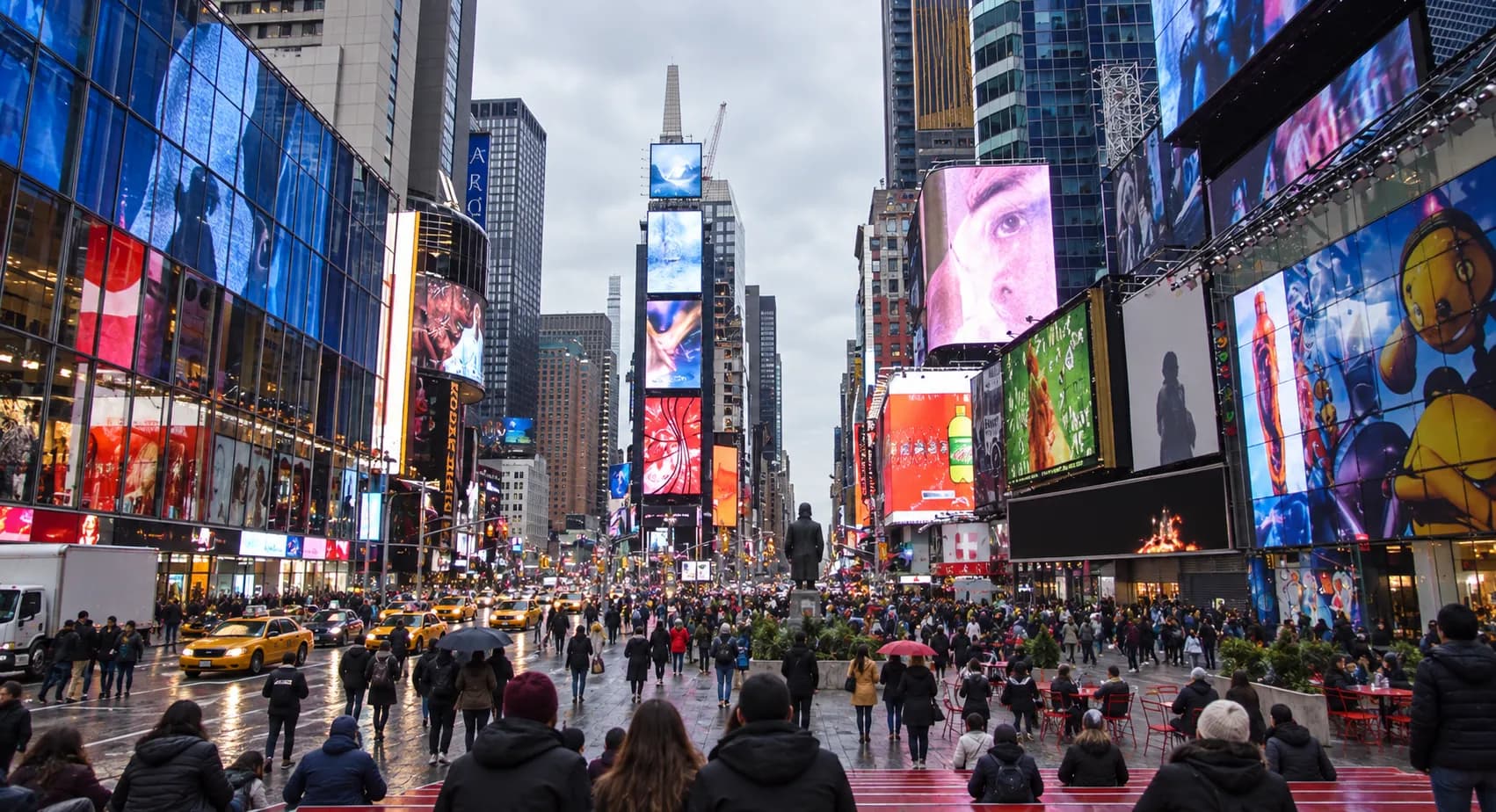
The two hours after work are the most reliably wasted time in New York. Most people commute through them, and the city has an enormous quantity of things happening in exactly that window — sports leagues, run clubs, classes, late museum openings, early comedy, walk-in bar games — almost all of which require nothing more than turning up. The obstacle is not availability, it is knowing what exists.
The good weeknight options are the ones that need no booking and start at seven. Ask Karpo what is on near you tonight.
Run clubs and the social sports layer
New York has a very large informal running scene: free run clubs meeting several evenings a week from bars, running shops and parks across the five boroughs, open to anyone, with routes at multiple paces and no membership. The Brooklyn Bridge, the Hudson River Greenway, Prospect Park and Central Park are the main routes, and most clubs finish at a bar.
Beyond running, the city's adult recreational leagues are extensive — football, basketball, volleyball, kickball, dodgeball, softball — and most run weeknight seasons in public parks and gyms, with individual sign-ups for people without a team. Bouldering gyms, which have proliferated across Brooklyn and Queens, are the other big weeknight social sport and take walk-ins.
Bar sports and games
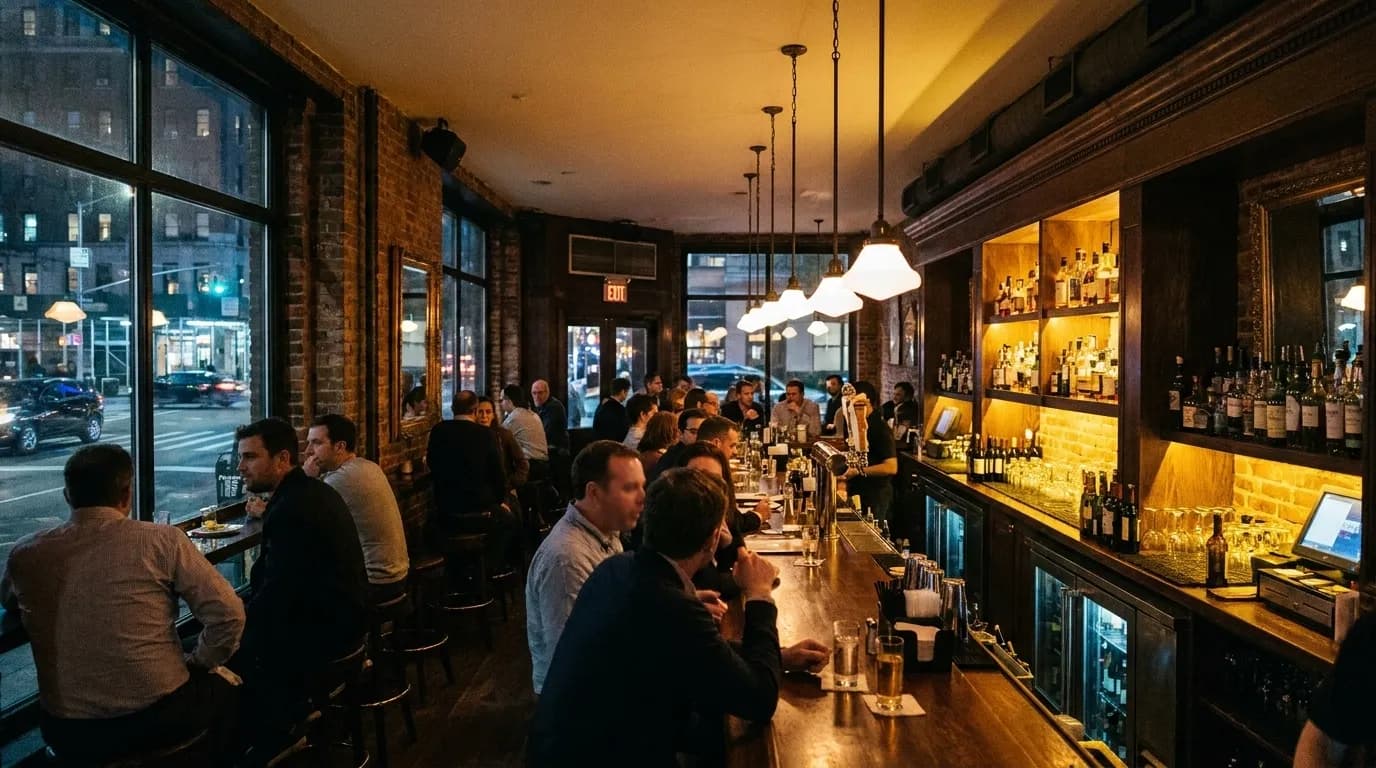
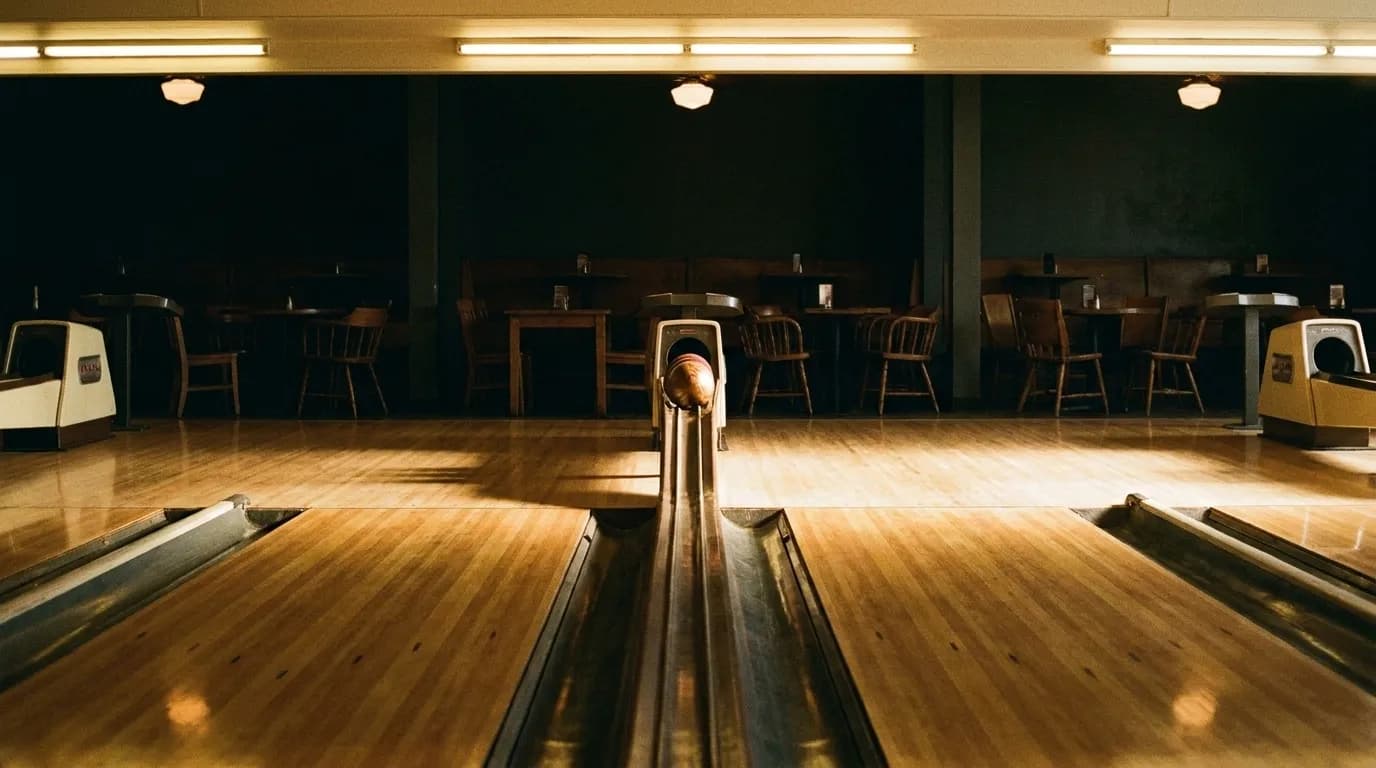
The walk-in version of all of this is the bar with something to do in it. Bowling alleys, shuffleboard bars, darts, pool halls, ping-pong bars, arcade bars and board-game cafes exist across Manhattan and Brooklyn in quantity, and almost all of them take walk-ins on a weeknight when they would have a wait at the weekend.
Pub quizzes and trivia nights are the other reliable weeknight fixture and are usually free to enter. Most run between seven and nine, most bars run one on a fixed weeknight, and almost none require a booking. For a group that wants to do something without planning it, this is the lowest-friction option in the city.
Museums and culture after six
Several New York museums stay open late one evening a week, and a number run free or pay-what-you-wish admission on those evenings specifically. A museum at seven in the evening is a completely different experience from the same museum at two in the afternoon — quieter, calmer and with the galleries close to empty. It is the best-value cultural hour in the city and most people never use it.
Add: early comedy shows, which start at seven or seven-thirty and take walk-ins on weeknights; the repertory cinemas, which programme early evening screenings; bookshop readings, which are free and usually start at seven; and the free concert programmes at the conservatories and music schools, which are genuinely good and cost nothing.
Classes and one-off things
New York has a dense market for single-session classes — cooking, ceramics, drawing, dance, languages, printmaking — most of which run in the two hours after work and take individual bookings for a single evening rather than a course. The public libraries and community centres run free versions of many of these.
Language exchanges, chess clubs, and the various hobby meet-ups that run in bars and community spaces are the free end of the same category. Most meet weekly, most are open to anyone turning up, and most have been running for years.
The seasonal shift
The after-work landscape changes completely with the light. From roughly May to September the evening is genuinely long, and the outdoor options — run clubs, park leagues, waterfront walks, free outdoor concerts, rooftop and beer-garden sitting — dominate. From November to March the evening is dark at five, and the indoor layer takes over: bar sports, museum late nights, classes, cinemas and the pub quiz. Most people keep doing summer things badly in winter and then stop going out at all. Switching deliberately in October and again in April is the fix.
Making it actually happen
The practical obstacle is not the options, it is the commute. Anything that requires going home first will not happen, so the thing to choose is whatever is closest to where you work or on the route home. A gym near the office, a run club that meets three blocks away, a bar with a quiz on your line — proximity beats quality for something you want to do weekly.
The second obstacle is that most of these are not on any single listing. Run clubs, leagues, quizzes and meet-ups are announced through their own channels, which means finding two or three that suit you once and then simply going, rather than searching each week.
Doing nothing, properly
One honest inclusion: the best after-work option in New York is frequently a park at seven in the evening. The waterfronts — Brooklyn Bridge Park, Hudson River Park, Gantry Plaza, Domino Park — are at their best after work rather than at midday, they are free, and they require nothing at all. In a city where every activity is available and most of them cost money, an hour sitting by the water with something from a nearby counter is a genuinely good use of the gap between the office and home.
Practical notes
Most weeknight options take walk-ins where the same venue would have a wait at the weekend. Museum late nights are usually one fixed evening per week and frequently free. Run clubs and most meet-ups are free and require no membership. Check subway service before planning something far from your route home. And pick something within a few minutes of your office rather than something better across town, because the good option you actually attend beats the great one you skip.
Tags: #NYC #NewYorkCity #ThingsToDo #AfterWork #SportsAndSocial #RunClub #Trivia #Bowling #Museums #Manhattan #Brooklyn #Weeknight #NYCLife #SocialNYC
Please drink responsibly. Must be of legal drinking age.
All trademarks are the property of their respective owners.
Ask Karpo first
Want to know what is happening near your office tonight, which venues take walk-ins, and which museum is open late? Ask Karpo before you head for the train.