San Francisco's Chinatown covers about twenty blocks and receives more visitors than almost anywhere else in the city, most of whom see one street of it for ninety minutes. It is a genuinely full day if you approach it on the neighbourhood's own schedule, which is early in the morning, quiet in the middle of the afternoon, and finished by nine. Here is that day in order, on foot, with no need for a car at any point.
This neighbourhood's hours are unusual enough that the sequence matters more than the list. Tell Karpo what time you are starting, and it will order the day so the markets, the temples and the kitchens are all open when you arrive.
Before nine: the markets and the parks
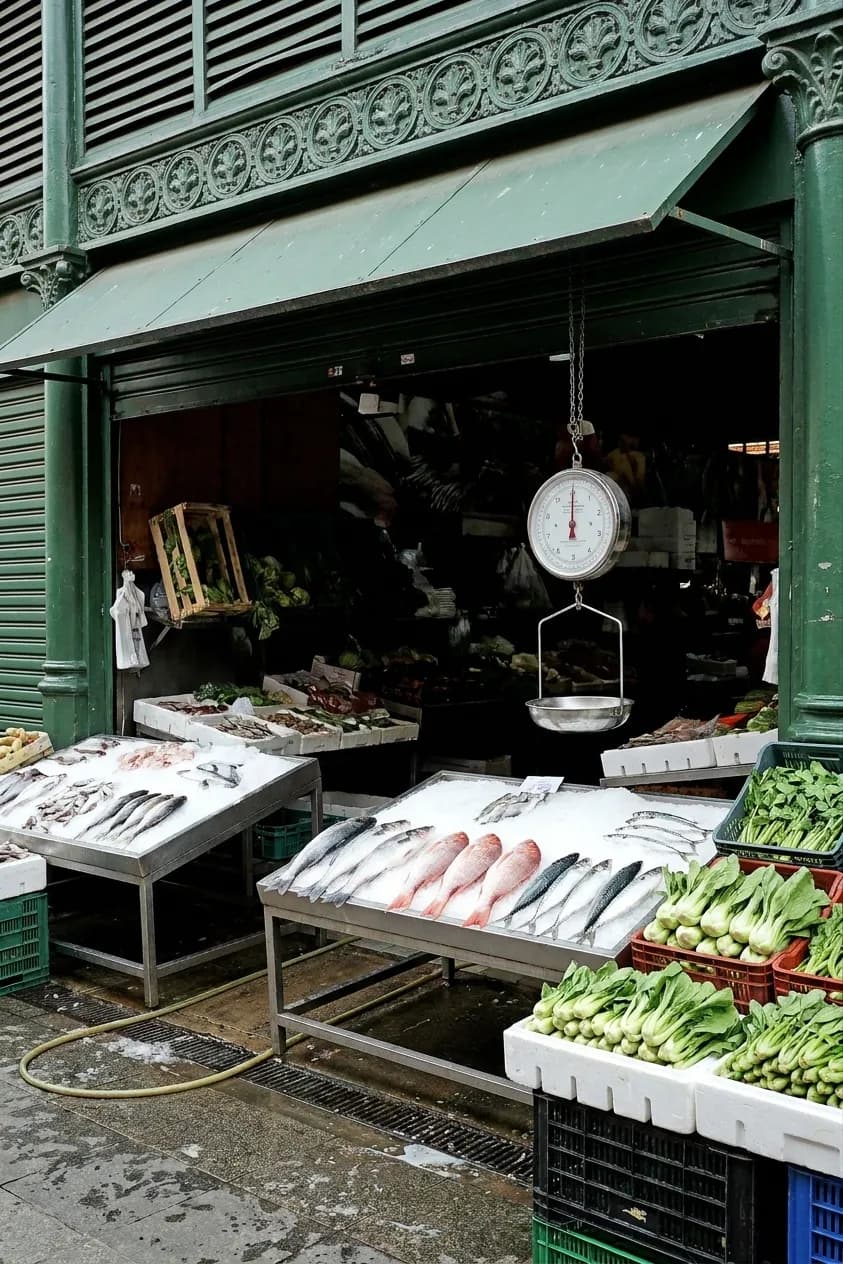
Start on Stockton Street, not Grant. Stockton is the neighbourhood's working high street — produce stacked to the kerb, fish on ice, butchers, herbalists — and at eight in the morning it is at full pitch. Walking it end to end is the single best thing to do in Chinatown and it costs nothing.
Portsmouth Square at the same hour is full of people doing tai chi, playing cards and meeting, which is the neighbourhood functioning as its own living room. It is the oldest public square in San Francisco and the site where California's statehood was first announced, and it is still, every morning, the busiest social space in the district.
Mid-morning: breakfast, temples and alleys
Eat at the counters rather than in a dining room — a bag of dim sum, a hot bun, a bowl of congee — and keep walking. The alleys off Grant and Washington are where the neighbourhood's history is most legible: Ross Alley, Spofford, Waverly Place, with the temple balconies above them and a fortune cookie operation that has been folding by hand for decades.
Several temples in the neighbourhood are open to visitors on upper floors of unmarked-looking buildings, reached by a stairway from the street. They are active places of worship rather than attractions, so go quietly, ask before photographing anything, and leave a donation if you stay.
Midday: museums, then the hill
The Chinese Historical Society of America occupies a landmark building in the neighbourhood and is the right place to spend an hour when the streets get busy. From there the day naturally climbs: Chinatown sits at the foot of Nob Hill on one side and runs into North Beach on the other, and both are ten minutes on foot.
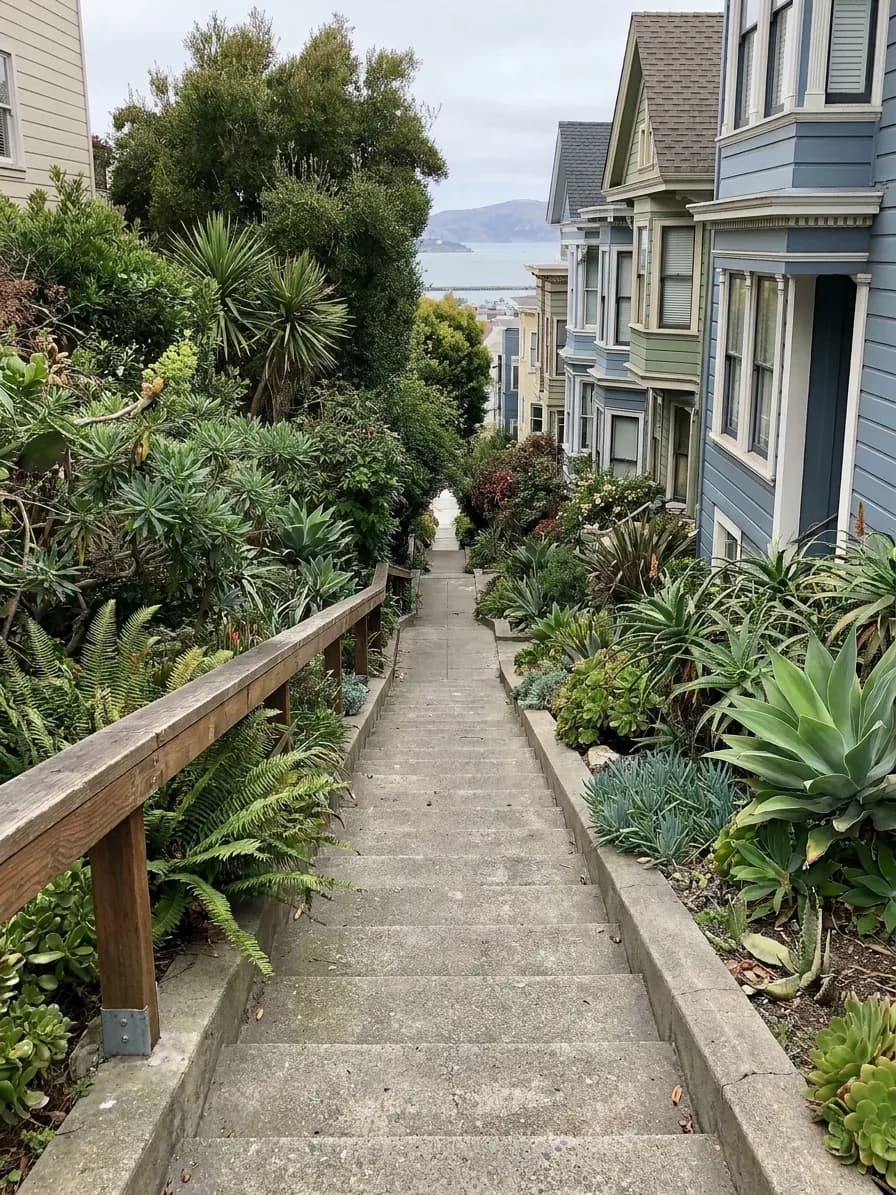
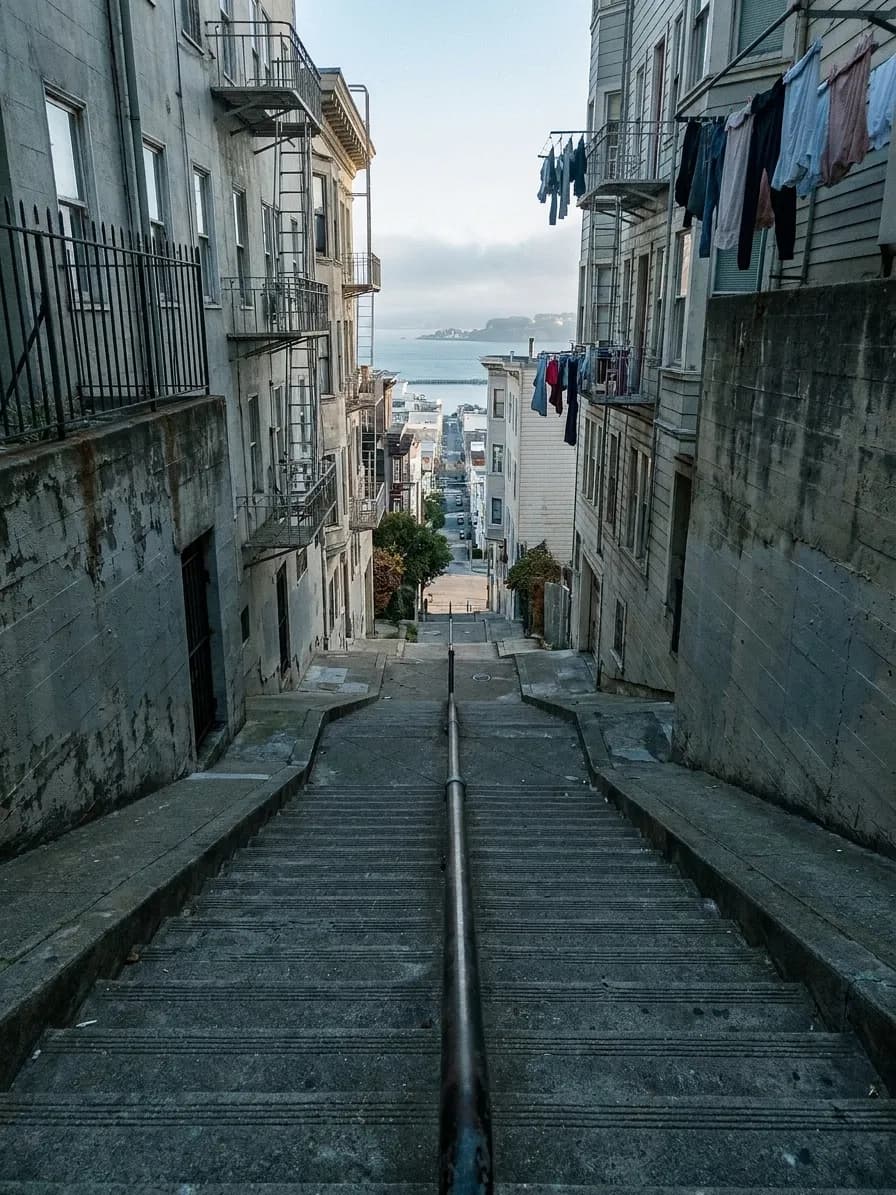
The stairways and steep blocks between Chinatown and Nob Hill are among the best short walks in San Francisco, and the cable car lines cross the top of the neighbourhood if you would rather ride up than climb. Either way, the view back down over the neighbourhood to the bay is the reward.
Afternoon: the quiet hours
Between two and five much of Chinatown's restaurant trade shuts for a split shift, and the neighbourhood is at its most pleasant. This is the time for the tea shops, the herbalists, the bookshops and the small galleries, and for sitting in a bakery with a coffee and an egg tart watching the street.
It is also the right window to walk over to North Beach, which wakes up as Chinatown quietens. The transition between the two neighbourhoods happens across about one street and is one of the more abrupt and enjoyable things about central San Francisco.
Evening: dinner early, then out
Chinatown eats dinner from six and closes early, so plan the meal on the neighbourhood's clock rather than your own. A banquet room with a group, a clay pot in a small kitchen, or a roast plate at a counter — all three are better at half past six than at half past eight, and by nine much of the neighbourhood is shut.
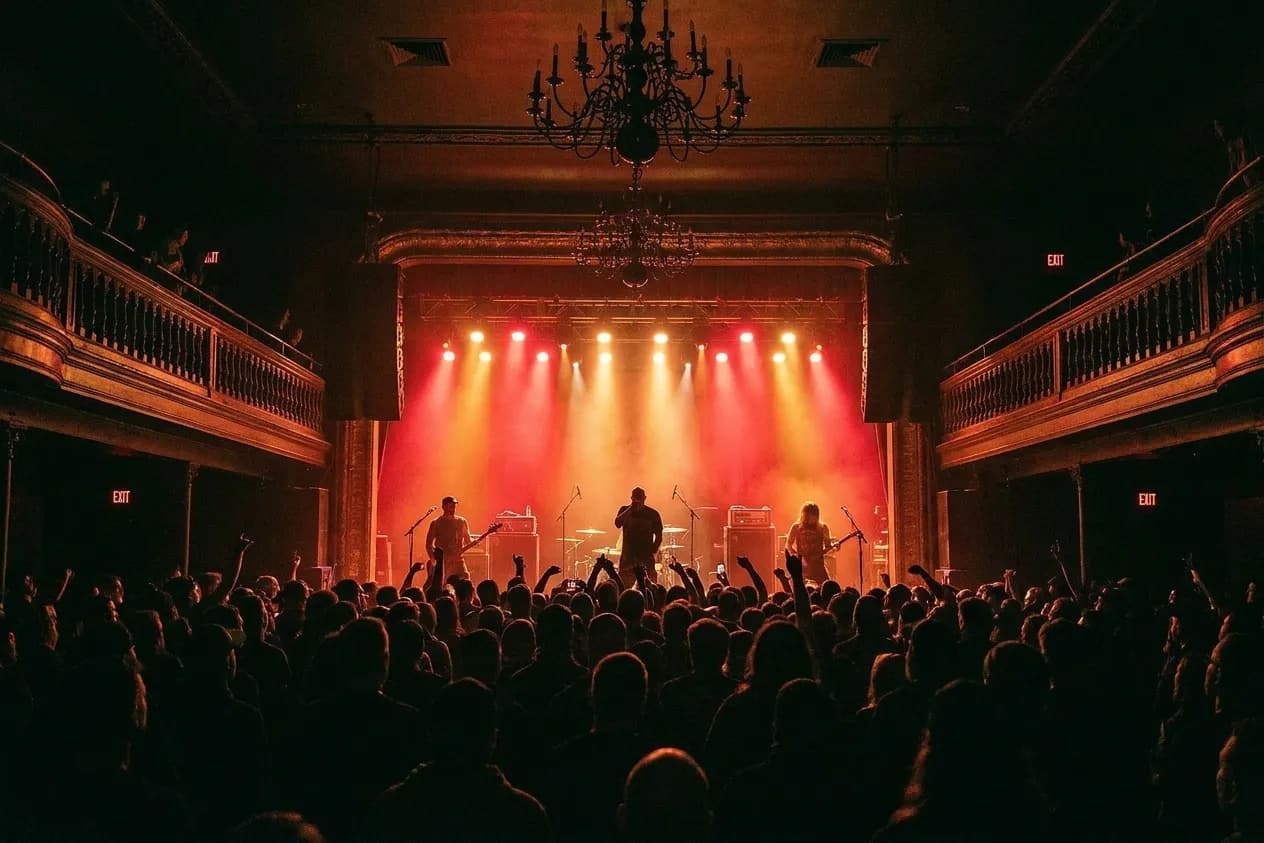
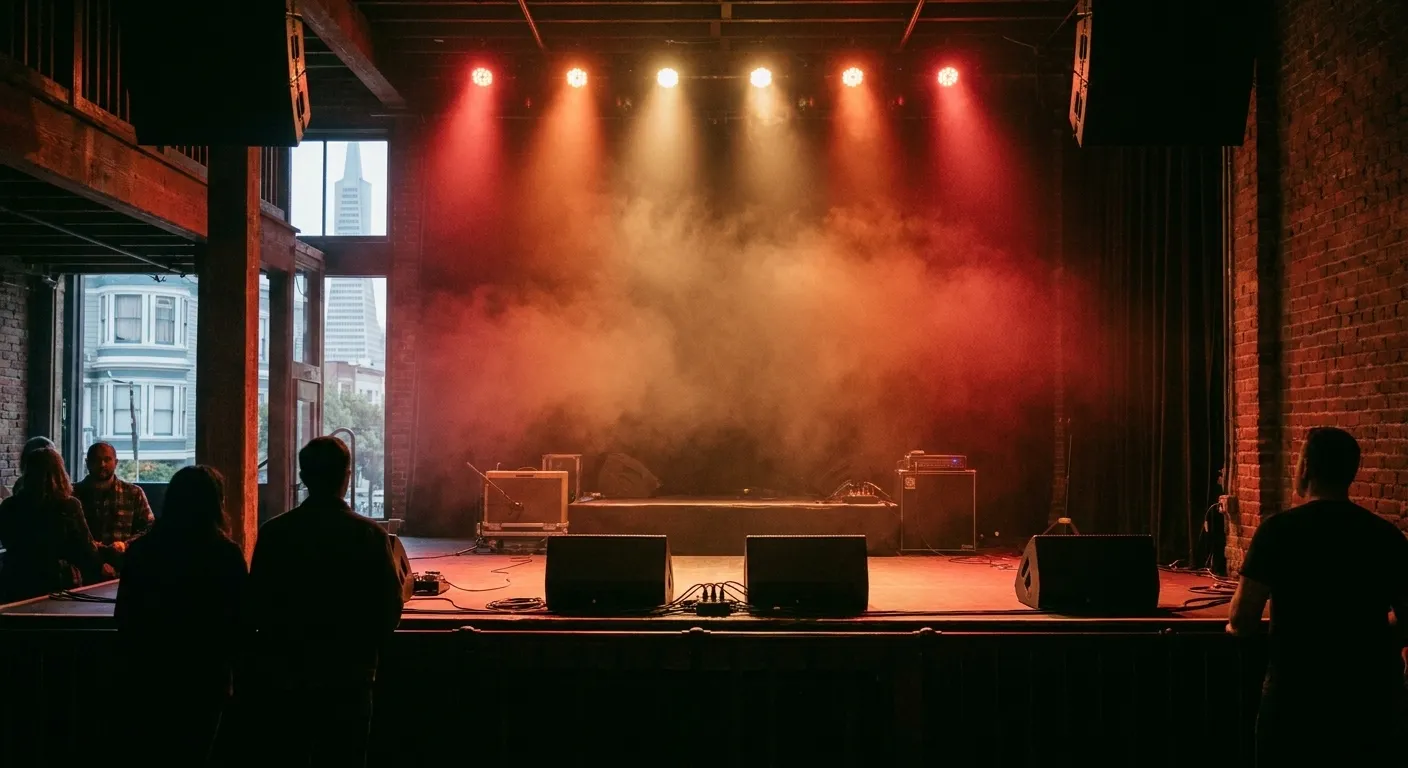
Then walk. North Beach's bars, the small music rooms, and the Broadway strip are all within ten minutes, and the buses and the Central Subway run through the neighbourhood for the trip home. Do not bring a car into any of this — parking here is genuinely the worst in the city, and the entire day is designed to be walked.
Doing it with children, or with a group
This is one of the more child-friendly days in central San Francisco, provided you keep it short. The markets, the fortune cookie alley, the cable cars at the top of the neighbourhood and dim sum by the piece are all straightforwardly good with children, and the walking distances are small enough to abandon at any point.
With a group of adults, the day gets better rather than harder, because the food does. A banquet room at dinner needs six people to make sense of the menu, and a group also makes the after-dinner walk into North Beach worthwhile. The only thing that scales badly is the queue for weekend trolley dim sum, which is why the counters exist.
Tags: #SanFrancisco #Chinatown #ThingsToDo #StocktonStreet #PortsmouthSquare #NorthBeach #WalkableSF #SFThingsToDo #DimSum #NeighborhoodGuide #SFHistory #BayArea #SFWeekend #SFLocal
Sources consulted: sftravel.com · nps.gov · sfmta.com
All trademarks are the property of their respective owners.
Ask Karpo first
Split service hours, temple opening times and which counters have sold out by mid-afternoon are exactly what a day plan needs and what no listing has. Ask Karpo what is open near you right now, what time the kitchens close, and where the queue is shortest — it answers in iMessage while you are walking.