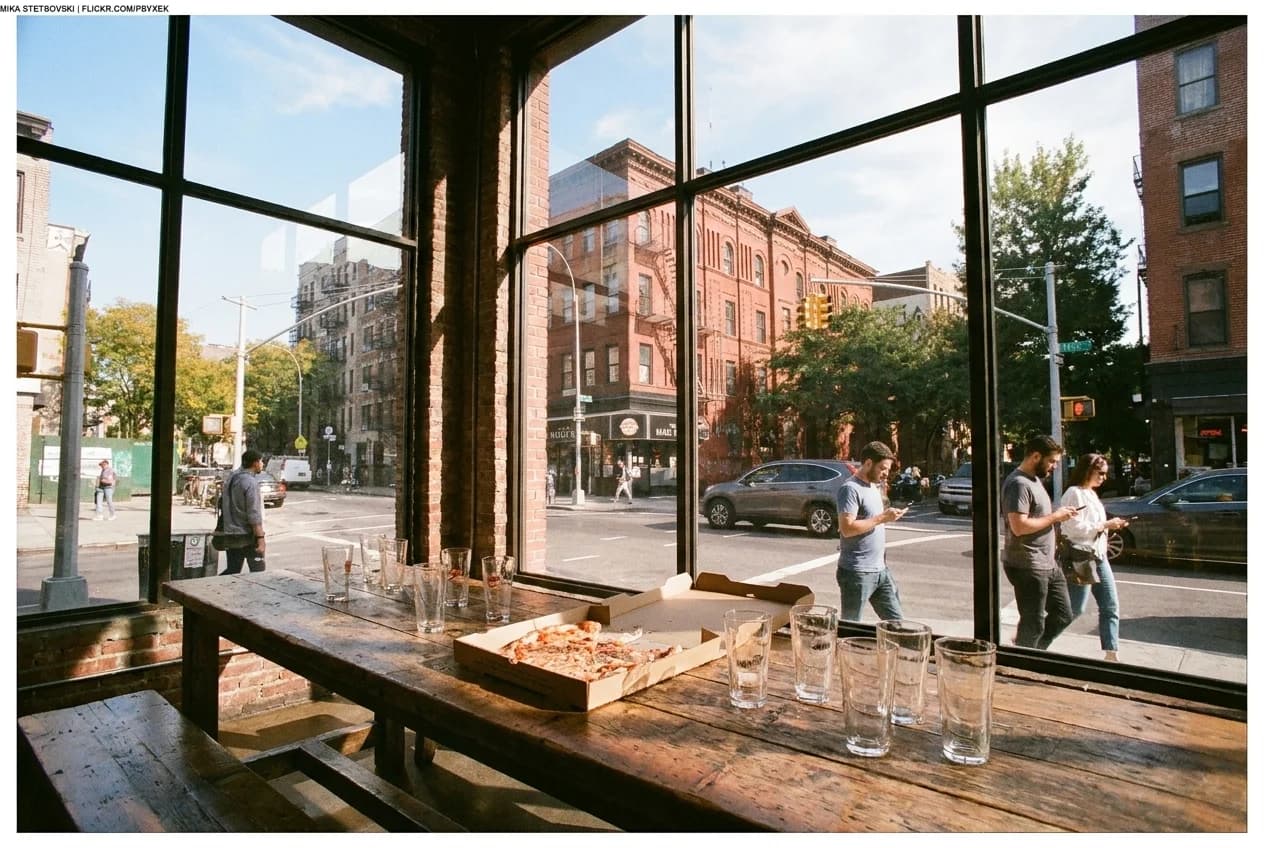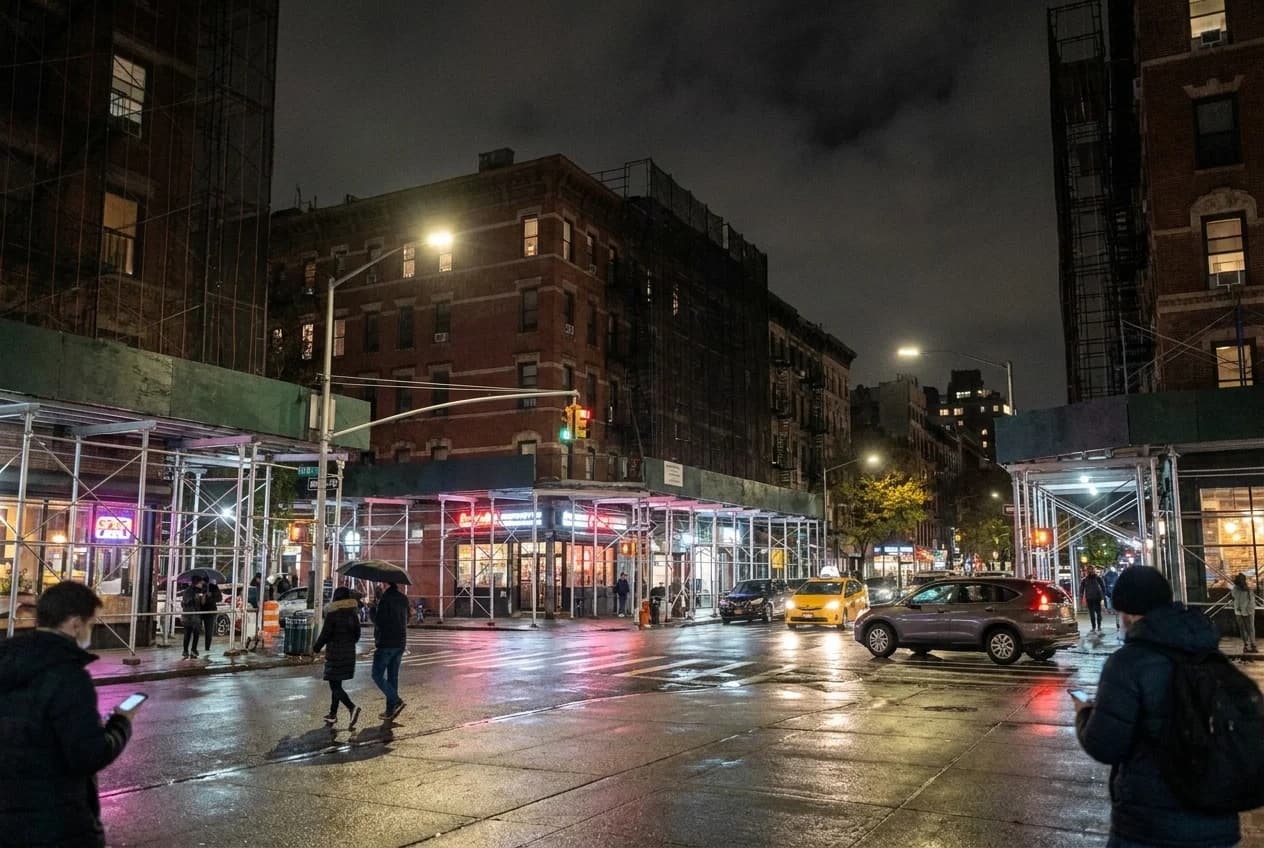
The 2026 US Open finishes this weekend - the women's final on Saturday September 12, the men's on Sunday September 13 - at the Billie Jean King National Tennis Center in Flushing Meadows. If you have a ticket, you know your plan. This is for the much larger number of people who do not, and who have noticed that finals weekend still changes what the city feels like, especially east of the river.
Finals weekend is one of the few times a year when the interesting version of a New York weekend is in Queens rather than Manhattan, and the good parts are unticketed, outdoors and free. Tell Karpo when you can get out there and what you actually want - a park day, a long lunch, a bar with the final on - and it will build the afternoon around the trains that will be running.
The park is not the tournament, and it is open
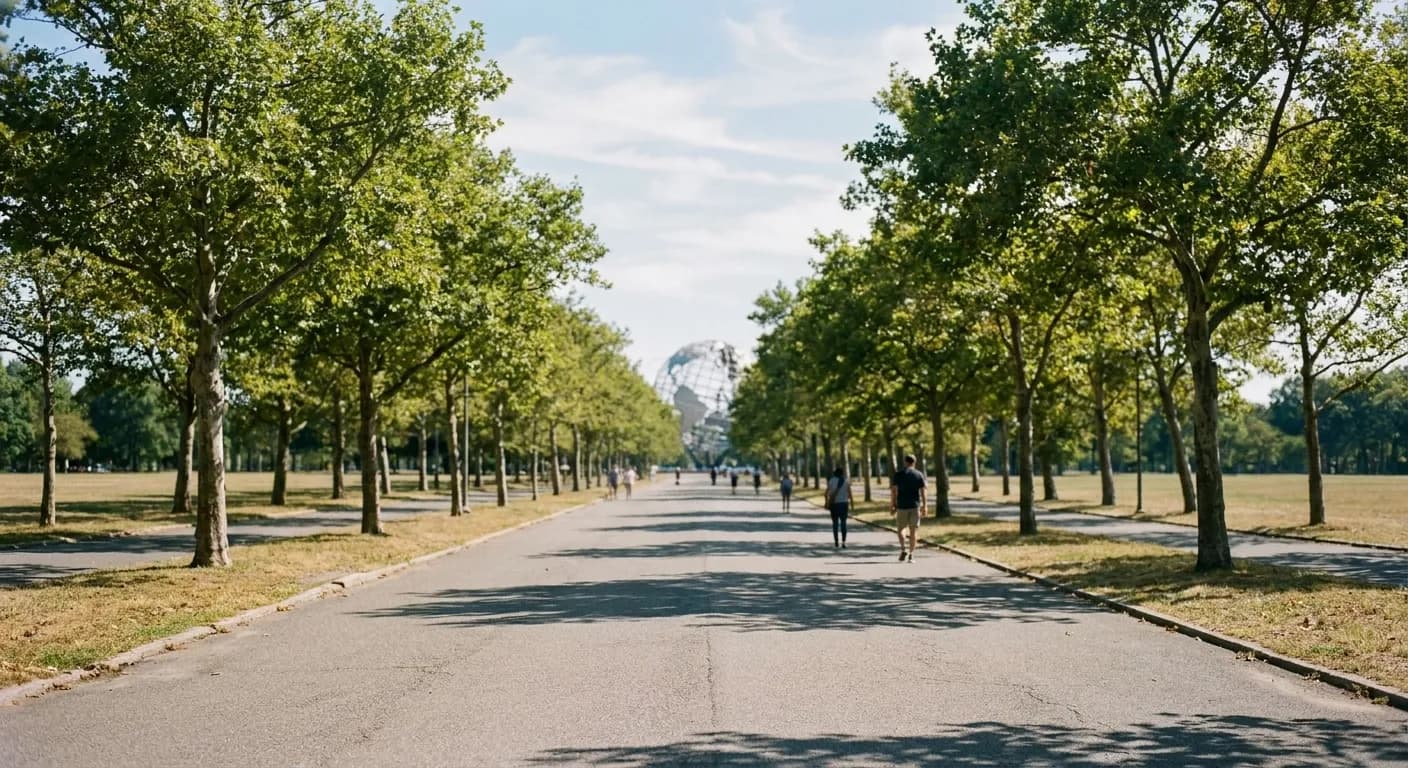
The tennis center sits inside Flushing Meadows Corona Park, which is enormous, public and free, and which most of the city only thinks about for two weeks a year. The Unisphere is there. So is the Queens Museum, so is the New York Hall of Science, so are boathouses, playing fields and a lake, and none of it requires a tennis ticket.
On finals weekend the park is at its strangest and best: full of people who came for the tennis and people who came for a Sunday, sharing the same paths. If you have never walked the World's Fair grounds, this is the weekend the place has the most energy it will have all year, and you can do the entire thing without spending anything.
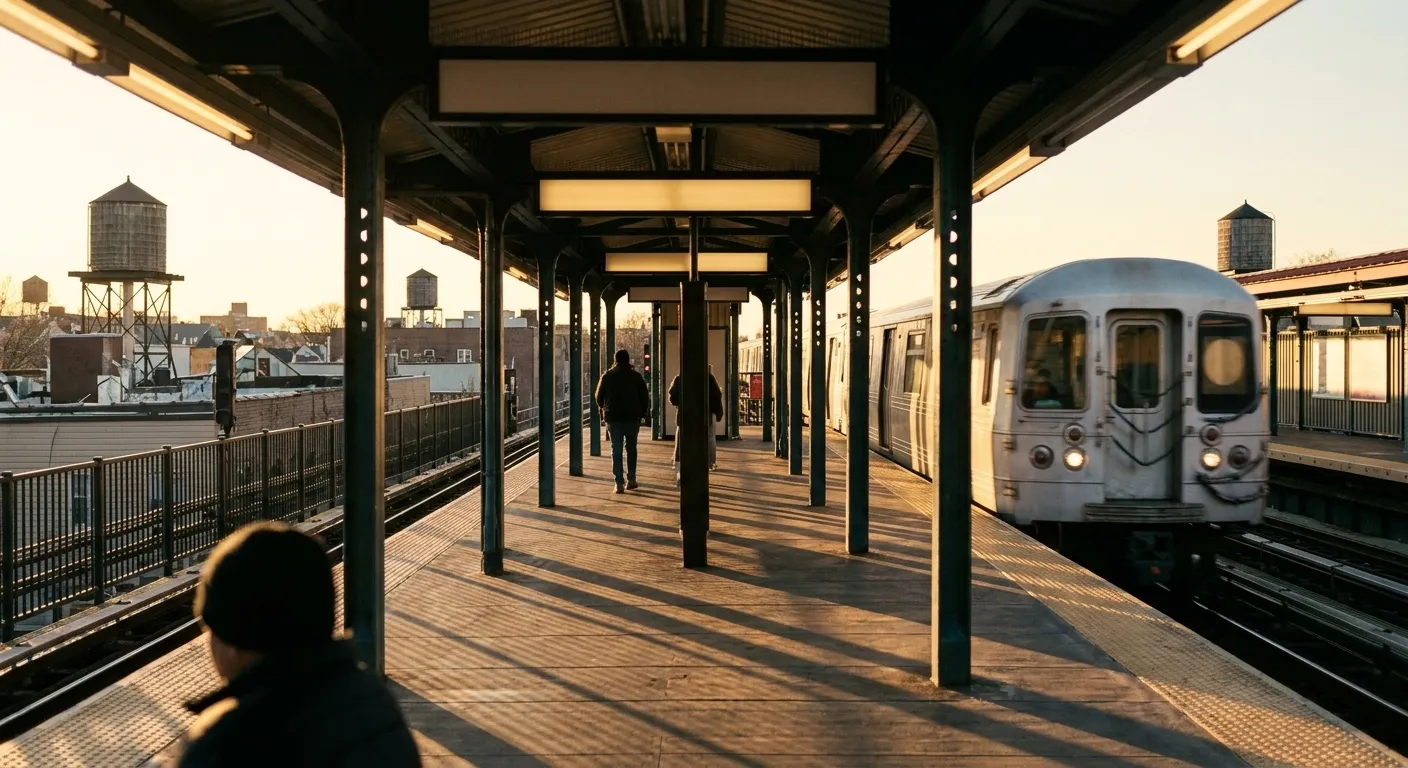
The 7 train is the event
Everything runs off one line. Mets-Willets Point is the stop for the tennis center; Flushing-Main Street is one stop further east and is a completely different city. That single stop is the most useful geography in Queens this weekend.
Practically: going out is easy all day, and coming back is only difficult in the twenty minutes after a session ends. If you are not attending, you can simply be counter-cyclical - arrive mid-afternoon, leave late - and never experience the crush at all. If you are meeting friends who are attending, meet them in Flushing, not at the gates, where there is nowhere to stand and nothing to do.
Where to actually watch, if watching is the point
Both finals are afternoon matches, which is unusual and useful. A 2pm Sunday final is a lunch, not a late night, and it is the rare marquee sporting event you can watch in a bar and still have your whole evening.
The thing to look for is not a sports bar. Tennis rewards rooms with sound on and a crowd that is watching rather than glancing - smaller bars, hotel lobbies, anywhere with one screen instead of nine. A bar with nine screens will have the tennis on one of them with the sound off, which is the worst way to watch a final.
If you want the atmosphere without the commitment, downtown Flushing on finals afternoon is full of places with the match on, and the crowd there has strong opinions about it.
What finals weekend does to the rest of Queens
Corona, immediately west of the park, has one of the great food corridors in the city along Roosevelt Avenue, and it runs directly under the same elevated line. Jackson Heights is a few stops further in. On a normal weekend these are destinations you plan a trip for. On finals weekend you are already halfway there and the trains are running frequently for the tournament, which quietly makes a three-neighborhood day easy in a way it usually is not.
The other effect is that the neighborhood absorbs an international crowd for two weeks. People come from everywhere for this tournament, and a lot of them end up eating on Roosevelt Avenue rather than in Midtown. The result is a stretch of Queens that in early September feels less like a local secret and more like a properly cosmopolitan street, which is worth seeing while it lasts.
It ends abruptly. By the middle of the following week the park is empty, the extra trains stop, and Flushing goes back to being a neighborhood that mostly serves itself.
Eat in Flushing, not at the courts
Food inside the grounds is a captive-audience situation and priced accordingly. Downtown Flushing, one stop away, is one of the most concentrated eating neighborhoods in the United States - regional Chinese across many provinces, Korean along Union Street and Northern Boulevard, food courts in basements that operate at a speed the tournament grounds cannot match.
The move on finals weekend is to treat Flushing as the destination and the tennis as the reason you finally came. Twenty minutes of walking off Main Street gets you a better meal than anything on the grounds, for a fraction of the price, in a neighborhood that is interesting on its own terms fifty weeks of the year.
And if you want none of it
Finals weekend has a useful side effect for people who do not care about tennis at all: it pulls a large number of people out to Queens for two days. Museums in Manhattan are quieter than a normal September Saturday. Reservations that would be impossible open up. The city is a system, and forty thousand people going somewhere else is a real change in the parts they left.
That is a legitimate weekend plan too - not going to the thing, and using the space it leaves behind.
Tags: US Open, Flushing Meadows, Queens, tennis, 7 train, Corona Park, free things to do, New York City
All trademarks are the property of their respective owners.
Ask Karpo first
Big-event weekends reshape the city in ways that are obvious once you know them and invisible if you do not. Karpo tracks what is on, where the crowds actually go and what opens up behind them, so you can decide whether to lean into the weekend or step around it. Ask before Saturday, not during it.