 Live Jazz Near Me in Lincoln Square: Dizzy's Club
Bars & Nights Out

The West Village Wine Bar Where Sommeliers Drink After Shift
A 12-seat counter below street level; the by-the-glass list changes daily around midnight
You'll walk past it three times before you notice the narrow stairwell between a shuttered bookshop and a dry cleaner on Grove Street. There's no sign, just a single amber bulb above a door that's only unlocked after 5 PM. This is where New York's wine professionals come to decompress after their own shifts end, sitting elbow-to-elbow at a marble counter that seats exactly twelve people and runs the length of a room that used to be a Prohibition-era speak storage cellar.
The Counter Geography You Need to Know
Seats seven and eight put you directly across from the service station where you can watch the entire operation unfold. The sommelier on duty—usually either Marcus or the woman everyone calls V—pulls bottles from the temperature-controlled cabinet behind them, pours tastes, makes notes in a leather-bound ledger that tracks every bottle's progression through the night. Seats one and two at the far left end sit beneath the only window, a ground-level portal that frames passing shoes and the occasional dog nose pressed against glass. The regulars avoid seats ten through twelve because that's where the kitchen pass-through creates constant motion, but if you're here to eat and don't mind the ballet of small plates arriving every four minutes, that's your spot. The counter itself is Carrara marble salvaged from a demolished Tribeca hotel, still bearing faint water rings and knife marks that nobody bothered to buff out.
How the List Actually Works
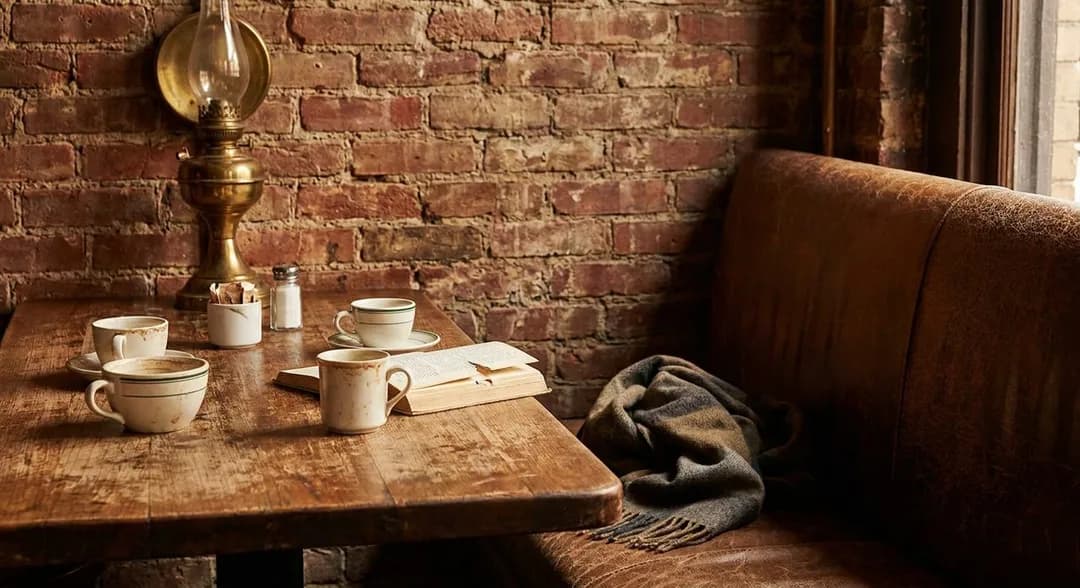
The by-the-glass selection gets written on a large mirror propped against the brick wall behind the bar, white chalk on silvered glass. You'll count maybe fifteen options when you arrive at 6 PM. Come back at 11:30 PM and that number has likely dropped to eight or nine as bottles empty out. But here's what most people don't realize: around midnight, whoever's working the counter pulls out what they call "the night list"—a different set of bottles reserved for the post-shift crowd that starts trickling in after restaurants close. These aren't necessarily more expensive wines, but they're weirder, more personal, the kinds of bottles that need context or conversation. A Jura Chardonnay that smells like struck matches and tastes like salted butter. A Sicilian red that's actually orange. You won't see these written on the mirror because they're not meant for the early evening crowd still deciding between Sancerre and Chablis.
The Midnight Changeover
The shift happens without announcement. You'll notice the room's energy change first—the door opens more frequently, people enter already loosening ties or pulling hair out of tight buns, and suddenly everyone at the counter seems to know each other. They're speaking a different language now, not English exactly but something more technical, more inside. "How's the Gramenon drinking?" "Did you get that Selosse allocation?" The sommelier working will often open something for themselves at this point, a small pour in a juice glass that sits beside their water. This is your signal that the rules have relaxed. You can ask about the bottles stored on the lower shelves, the ones without price tags. You can request a taste of whatever the person two seats down is drinking. Someone might offer you a piece of cheese from their own plate. The line between staff and guest blurs in a way that only happens in restaurants after the restaurant part ends.
What You're Actually Eating
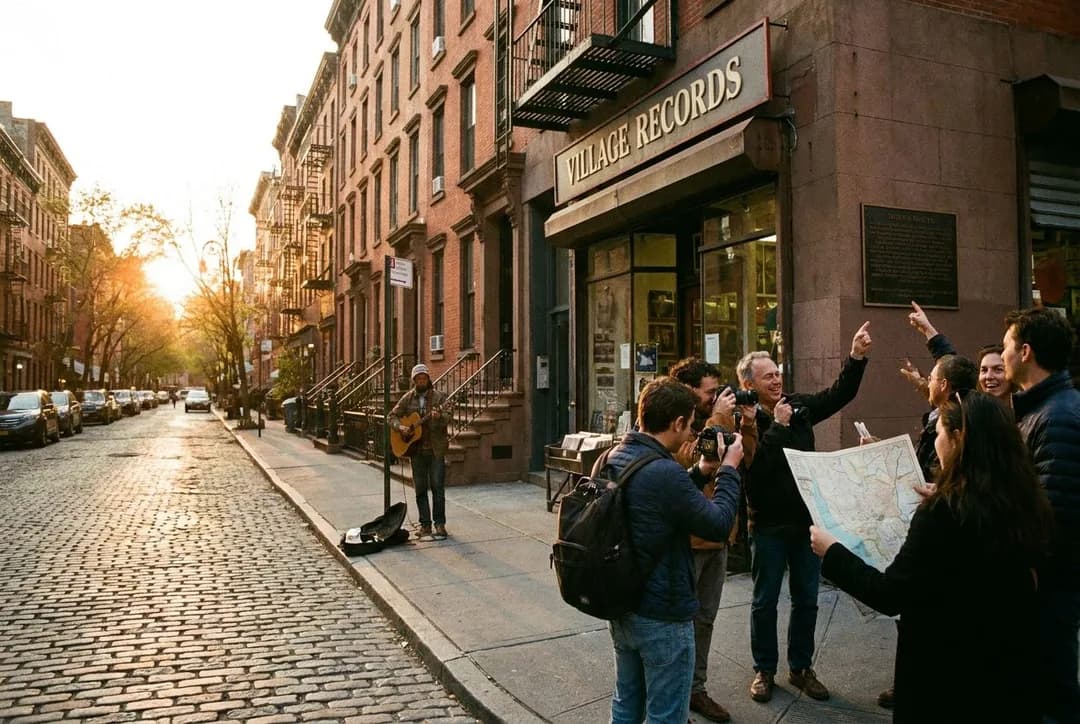
The food menu consists of seven items that never change, printed on heavy card stock that's gone soft from handling. Everything comes out at room temperature or just slightly warmer, nothing that requires actual cooking because there's no proper kitchen, just a prep station behind a curtain. The chicken liver mousse arrives in a small ceramic crock with a tiny spoon and bread that's been grilled earlier in the day then allowed to cool and firm up—better for spreading that way. There's a plate of Italian tinned fish, the specific brand rotating based on what the owner finds at Eataly that week, served with pickled vegetables and good olive oil. The aged cheese selection comes from a single importer in Long Island City, always three varieties, always served with a pot of honey that's been infused with black pepper. You're not here for a meal, but if you stay past 10 PM you'll absolutely need to eat something, and these small, fatty, wine-friendly things do exactly what they're supposed to do.
The Bottle Nobody Orders But Should
On the bottom shelf of the cabinet, always in the same position, sits a bottle of Lambrusco that costs $11 a glass. It's the cheapest pour in the place and almost nobody orders it because people coming to a West Village wine bar below street level aren't thinking about sweet, fizzy red wine. But the sommeliers drink it constantly, especially in summer, and if you order it after midnight you'll often get a small nod of recognition. It's bone dry despite the reputation, slightly bitter, cold enough that condensation forms on the glass immediately. It tastes like cherries and earth and something almost root-like, and it cuts through the richness of the liver mousse better than anything else on the list. V once told a regular that she drinks more Lambrusco than any other wine, period, and keeps a bottle in her home fridge at all times. The one they pour here comes from a producer whose name you can't pronounce and won't find in most wine shops, but the label has a woodcut print of a woman carrying grapes and once you've had it you'll start noticing that image in your memory whenever someone mentions Lambrusco.
The Practicalities and the Unspoken Rules
Open Tuesday through Saturday, 5 PM until 2 AM, though the door often stays unlocked past official closing if people are still drinking. No reservations, no way to call ahead and ask if there's space. You show up, you see if there's a seat, you wait if there isn't. Most people wait. The nearest subway is Christopher Street-Stonewall on the 1 train, three blocks east. Cash and card both accepted but the card reader is temperamental so bring cash if you have it. A typical visit—three glasses of wine, two food items—runs about $75 before tip. Come before 7 PM if you want guaranteed seating and the full printed list. Come after 11 PM if you want the real experience and don't mind standing for twenty minutes. Don't ask for cocktails, don't ask if they have beer, don't take phone calls at the counter. The light is low enough that you can't really read your phone anyway, which might be the point.
Please drink responsibly. Must be of legal drinking age.
Tags: #WestVillageWineBars #NYCSommeliers #AfterShiftDrinks #GroveStreetNYC #WineCounterCulture #ManhattanWineBars #NYCNightlife #ByTheGlassWine #GreenwichVillageEats #SecretWineBars #NYCFoodScene #WineLoversNYC #LateNightWineNYC #MidnightPours #PullUpAChair
Sources consulted: eater.com · timeout.com · infatuation.com
All trademarks are the property of their respective owners.
Ask Karpo for more information.
Keep reading
- Live Jazz Near Me in Lincoln Square: Dizzy's Club
 Live Jazz Near Me in Hell's Kitchen: Birdland Jazz Club
 Live Jazz Near Me in Greenwich Village: Mezzrow Piano Lounge