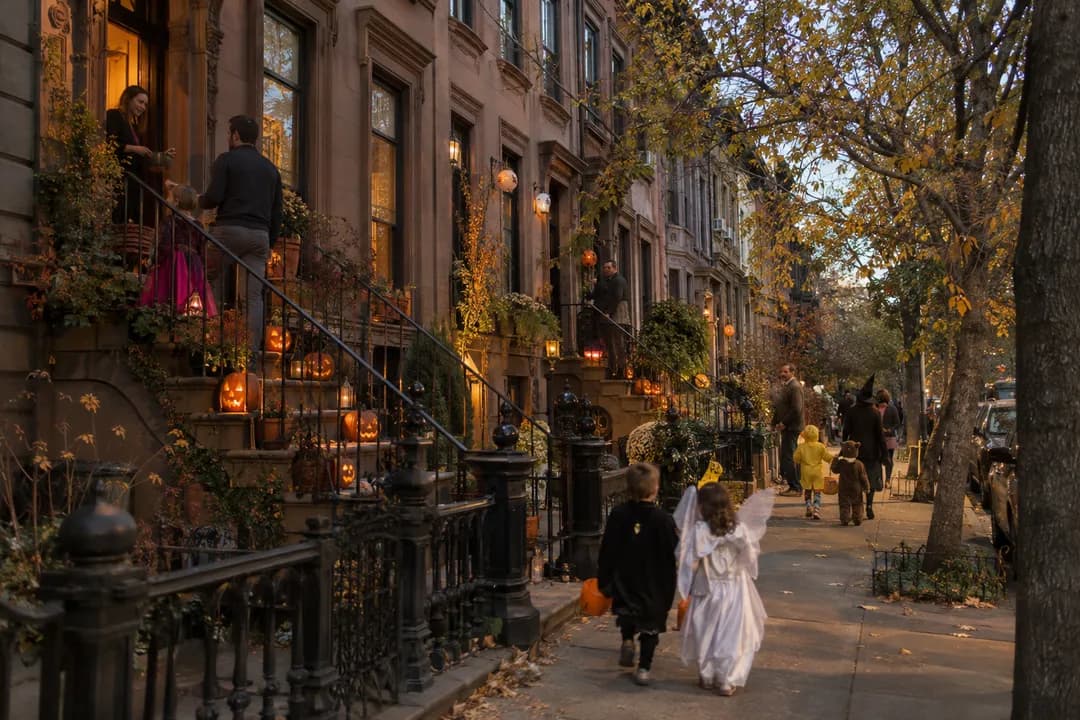
 Best Trick or Treating Neighborhoods Near Me: Park Slope
Neighborhood Guides
The Staten Island Railway's Forgotten South Shore Views
Tottenville-bound from St. George; the marshland section after Great Kills is untouched
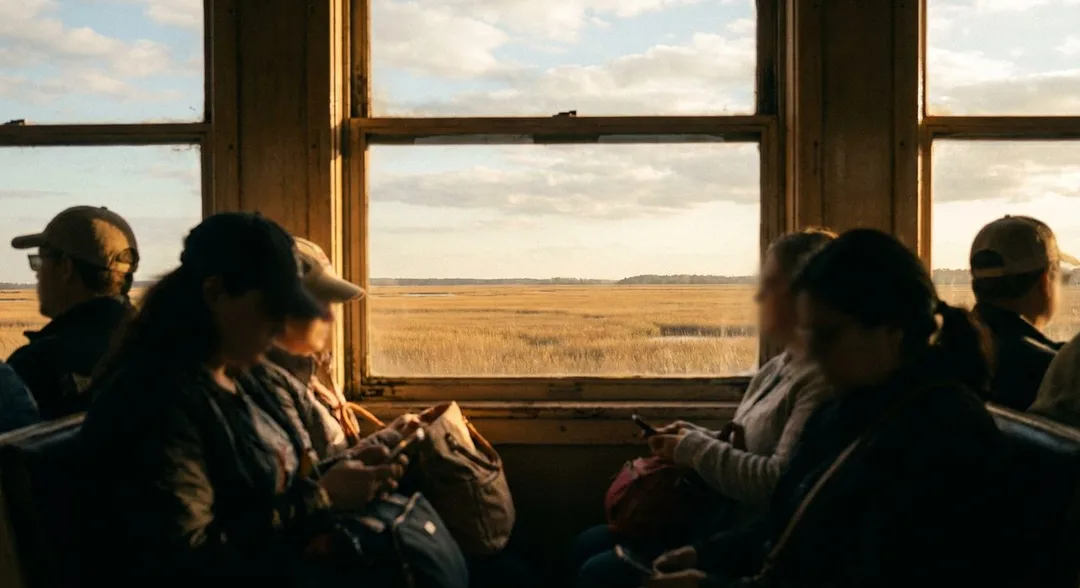
You board the orange train at St. George Ferry Terminal while tourists rush back to Manhattan, and you settle into the left side window seat for the 45-minute crawl to Tottenville. The Staten Island Railway doesn't get much love in the city's transit hierarchy, but past Great Kills station, something shifts—the apartment blocks dissolve, the marsh grass takes over, and you're suddenly riding through wetlands that look nothing like New York City.
When the Suburbs Drop Away
The train empties out considerably after New Dorp, where half the morning commuters disembark near the shopping centers and medical complexes. You want to stay left-side seated as you approach Great Kills Park station—the right side faces backyards and chain-link fences, but your side opens onto the park's marina and the start of the coastal transformation. The railway here runs on an elevated berm that was built in the 1960s using landfill, which means you're riding about fifteen feet above the marsh floor with unobstructed sightlines. Between Great Kills and Eltingville, watch for the heron rookery in the phragmites stands near Conference House Park's northern edge. Early morning trains (the 6:47 AM from St. George specifically) catch them fishing in the tidal channels.
The Eltingville-to-Annadale Corridor Nobody Photographs

After Eltingville the train slows to a crawl—track maintenance schedules here are less aggressive than the north shore, and the reduced speed gives you time to actually see the landscape. The section between Eltingville and Huguenot stations passes through what locals call the "green gap," a half-mile stretch where development never quite took hold. You're looking at tidal wetlands that connect to the Raritan Bay system, with spartina grass that turns copper-gold in October and stays that way through November. The MTA's own track maps show this area as "environmentally sensitive buffer zone," which is bureaucratic language for "we can't build here." On the right side now you'll spot the Arthur Kill waterway in the distance, and on clearer days the New Jersey refineries across the water create these strange industrial silhouettes against the marsh foreground.
Huguenot Station's Unmarked Viewing Platform
Huguenot station itself is worth a stop if you're not committed to the full Tottenville run. The northbound platform has a small concrete extension at its southern end—technically a maintenance access point, but nothing stops you from standing there. You're directly above Lemon Creek, and at low tide the exposed mudflats reveal horseshoe crab shells and the occasional osprey hunting. The station gets maybe thirty people on a weekday afternoon, and the MTA employee who works the token booth (Michael, usually there Tuesday through Thursday) can tell you the exact high tide times without checking his phone. He's been on this line since 1997. The platform benches here are the old wooden-slat type that the rest of the system replaced decades ago, and in summer they smell like creosote and salt air.
Prince's Bay and the Barge Graveyard
The stretch between Huguenot and Prince's Bay stations runs parallel to Lemon Creek's mouth, and if you time it right (check tide charts for Raritan Bay), you'll catch the exposure of what old-timers call the barge graveyard. Three decommissioned maritime vessels were deliberately sunk here in the 1970s as part of a shoreline stabilization project that ultimately failed. At low tide their rusted ribs break the surface about two hundred yards offshore. The train rounds a gentle curve here, and for about forty seconds you get a perpendicular view straight down the creek channel toward the bay. Spring migration (late April, early May) brings egrets and glossy ibises to the creek banks, and you can spot them from the moving train if you're watching for the white flashes against the green.
Tottenville Approach: The Marsh Opens Up
Past Prince's Bay the railway enters its most exposed section—you're now riding through the wetland complex that borders Conference House Park, and the landscape turns genuinely wild. The phragmites here grow ten feet tall, and in wind they create these rippling patterns that look like something from a nature documentary, not a commuter rail line. The train slows to about twenty miles per hour through this section (speed restriction due to track settling in the soft substrate), which means you get almost three minutes of uninterrupted marsh viewing. Look for the painted turtle basking logs near the Arthur Kill shore—the turtles stack themselves five or six high on partially submerged branches. The final approach to Tottenville station crosses a small trestle bridge over a tidal channel, and you can see straight through to the waterway below. The bridge has a slight sway to it that you can feel in your seat.
The Tottenville Turnaround
Tottenville station sits at the absolute southern tip of New York City, and the end-of-line atmosphere is palpable. The train disgorges its remaining passengers—maybe a dozen people—and then sits for eight to twelve minutes before heading back north. The layover gives you time to walk to the platform's southern end, where a chain-link fence marks the official terminus. Beyond it you can see the Arthur Kill and the New Jersey shoreline maybe a quarter-mile away. There's a small commercial strip within three blocks: a deli called Angelina's where the chopped cheese is $7.50 and properly seasoned, and a bakery (Cake Chef) that does Portuguese sweet bread on Fridays. The station itself has a single wooden bench that faces the tracks rather than the platform, placed there by someone who understood that the view back toward the marsh is better than watching for the next train.
Practical Notes
Trains run every 30 minutes during weekday off-peak hours, every 15-20 minutes during rush periods, and every 30-40 minutes on weekends. The full St. George to Tottenville run takes 43-47 minutes depending on dwell times. MetroCard or OMNY accepted—standard subway fare applies. The best light for photography hits the western marsh sections between 4 PM and sunset, roughly April through September. Bring binoculars if you're serious about bird watching. There's no bathroom on the train, but St. George and Tottenville stations both have facilities. The left-side window seats are crucial southbound; right-side seats are better for the return trip's Arthur Kill views. Weekday morning trains (before 9 AM) are crowded with commuters; post-10 AM runs are nearly empty.
Tags: #StatenIslandRailway #SIR #StatenIsland #NYCTransit #TheLongWayHome #CommuterRail #TottenvilleNYC #RaritanBay #NYCMarshlands #HiddenNewYork #UrbanWildlife #ArthurKill #NYCOffTheBeatenPath #ForgottenNewYork #TransitExploration
Sources consulted: timeout.com · atlasobscura.com · nycgo.com
All trademarks are the property of their respective owners.
Ask Karpo for more information.
Keep reading
- Best Trick or Treating Neighborhoods Near Me: Park Slope
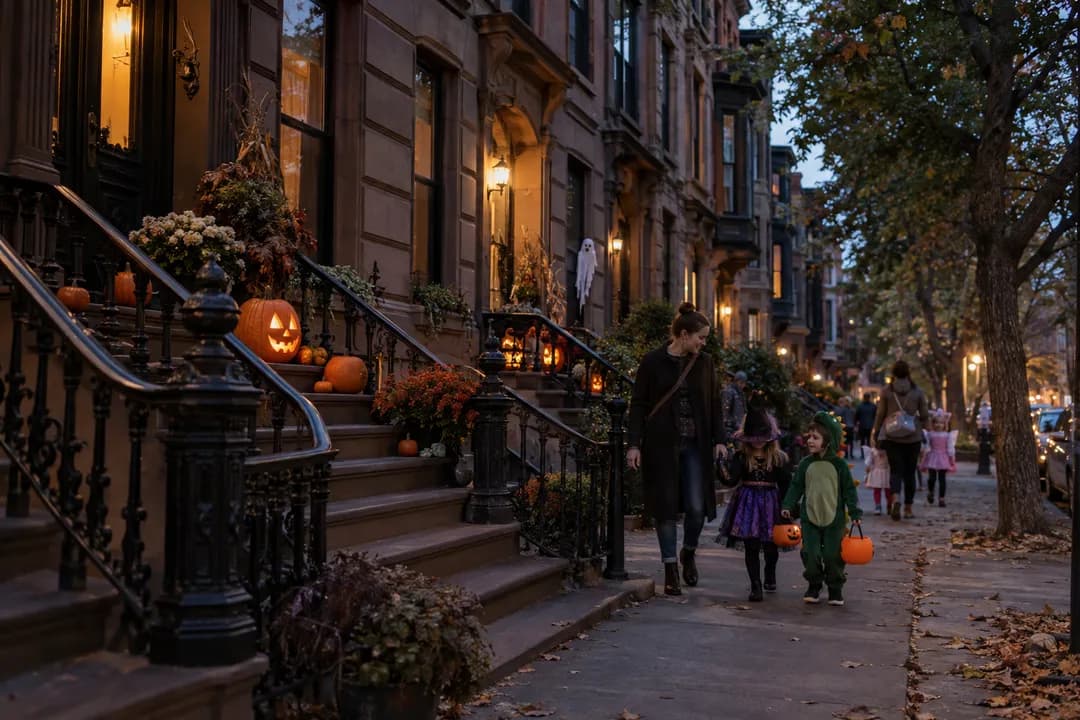 Best Trick or Treating Neighborhoods Near Me: Carroll Gardens
 Best Trick or Treating Neighborhoods Near Me: West Village