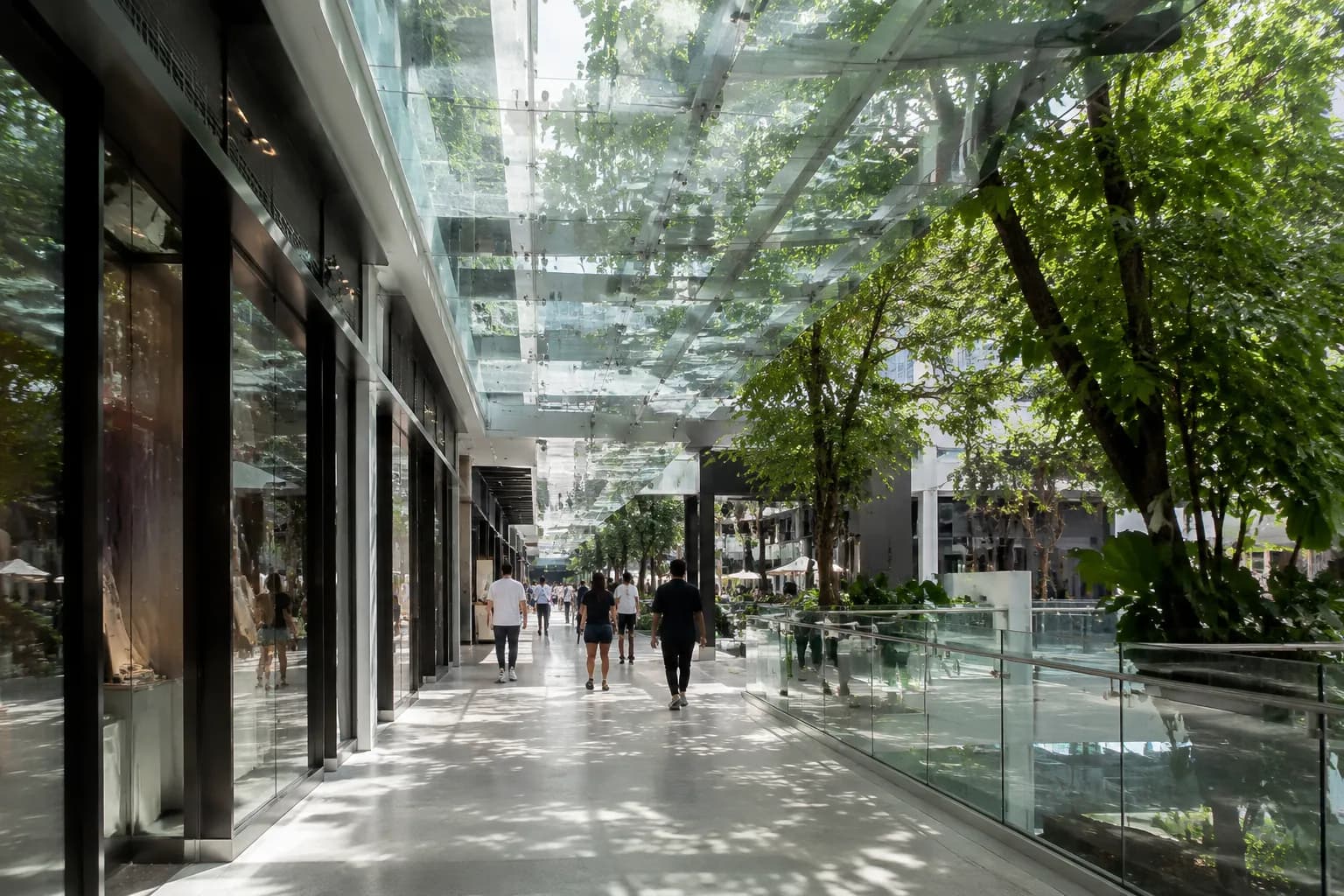
For an experimental art seeker planning a date, the shards show a better Miami night when you treat the search phrase as a clue, not a promise. Do not assume every warehouse door, pop-up flyer, or artist name means there is a public event waiting inside. Shape the evening as a hidden art crawl with two lanes: free browsing where galleries, public art, parks programming, and library or city calendars give you low-pressure options; and ticketed performances where small theaters or alternative spaces may need advance confirmation. The moderate difficulty comes from verification, not distance alone. Miami rewards people who check hours, age rules, transit loops, parking realities, and backup stops before leaving home, especially on a Friday night when a date can feel adventurous without becoming improvised chaos.
Give Karpo your start time, Miami art tolerance, budget, and drinks preference to design an oddball warehouse-area crawl grounded in verified galleries and events.

Start With A Crawl, Not A Single Address
A strong hidden-gem plan begins by resisting the urge to pin the night to one dramatic warehouse name. Miami’s art-adjacent neighborhoods can change quickly by block, event, and season, and the public proof you need is usually boring: a current venue page, a ticketing listing, a city calendar entry, or a direct post from the space itself. Treat the first stop as a mood-setter rather than the whole reason for going. If it falls through, you still have room to move toward a small theater, a gallery cluster, a library event, a parks activity, or a public-space walk that keeps the date intact.
The best route for this EOI slice is not the easiest route; it is the route with enough friction to feel discovered but enough verification to stay comfortable. Pick one anchor area, then add two optional nearby stops rather than scattering across the county. For free browsing, look for openings, public art, artist-run spaces, and cultural calendars that do not require committing money upfront. For ticketed performances, confirm the exact show date, start time, entry policy, refund rules, and whether late seating is allowed. The phrase the shards show can guide the aesthetic, but confirmed logistics should decide the route.

Free Browsing Versus Ticketed Risk
Free browsing is the better choice when the date is early-stage, conversational, or built around discovery. It lets both people drift between visual art, street-level details, and short stops without making one performance carry the night. Use official public calendars where available: Miami-Dade Parks lists events and activities across its recreation system, Miami-Dade Public Library System has an events page, and the City of Miami Beach maintains an events page. These are not substitutes for gallery verification, but they are useful fallback layers when a private warehouse listing is unclear, sold out, or limited to invited guests.
Ticketed performances are better when the date needs a stronger centerpiece. A small theater, experimental screening, sound performance, or black-box show gives the evening a clear before-and-after structure: arrive, watch, decompress, then decide whether to continue. The tradeoff is commitment. You need to verify age restrictions, door time, runtime, seating rules, bag policy, and whether the venue is actually open to the public that Friday. Do not rely on reposted flyers without a working ticket page or direct venue confirmation. If the listing mentions alcohol, late-night entry, or immersive participation, check whether it changes the comfort level for your companion.
Use Downtown Transit As A Pressure Valve
Miami’s free Metromover is useful when the crawl bends toward downtown, Omni, or Brickell rather than warehouse districts that require more driving. The county describes it as a free elevated people mover operating seven days a week, with service hours listed as 5:30 a.m. to 10 p.m. It serves 21 stations from Financial District Station in Brickell to School Board Station in the Omni area. For a Friday-night plan, that gives you a reliable public-transit frame for early evening stops, but not a blanket solution for everything after dinner or late performances.
Build the night so Metromover helps reduce parking pressure rather than pretending it solves every mile. The county notes that the system has three loops: Omni, Inner, and Brickell. It also flags a modified Inner Loop, with riders told to look inside the train to confirm loop designation because Inner Loop trains may not appear on the platform display. That detail matters on a date, because confusion eats time. If one stop is near a downtown station, use it as the public-space portion of the crawl, then switch to rideshare, walking, or parking only after checking the final venue’s neighborhood conditions.

Warehouse Energy Needs Verification
Warehouse art spaces can sound more accessible online than they are in practice. Some are studios, some are appointment-only, some host ticketed events, and some are simply production spaces with no public program. Before placing one on the route, confirm three things: the event is public, the date is the exact Friday you mean, and the entrance process is clear. A post with mood-heavy language is not enough. Look for a current event page, a direct venue calendar, a reservation form, or a message from the organizer that names the access rules without forcing you to guess.
Parking deserves the same caution. Do not assume a warehouse area has convenient street parking, paid lots, valet, or well-lit walking routes unless the venue states it. Instead, plan like a local: identify the nearest legal parking option, check whether towing language appears nearby, and keep a backup transit or rideshare decision ready. If the stop is in a less familiar industrial zone, arrive earlier than the ticket time and avoid building the whole night around a hard-to-find door. The adventurous feeling should come from the art, not from solving avoidable access problems under time pressure.
Make The Date Feel Chosen
A hidden art crawl works best when each stop gives the pair a different kind of attention. Start with something visual and low-stakes, such as free browsing or a public calendar stop, because it creates easy conversation without requiring expertise. Move next toward the sharper choice: a ticketed performance, an experimental film, a small theater piece, or a warehouse event with confirmed access. End with a flexible nearby pause rather than a distant final stop. This rhythm keeps the date from becoming a checklist and lets both people decide how much mystery they actually enjoy.
For the final version of the plan, write two columns before leaving: confirmed and conditional. Confirmed means current hours, address, ticket status, age policy, transportation plan, and parking approach are checked directly. Conditional means interesting but unverified, useful only if new proof appears before Friday night. This is where the shards show becomes a useful filter: if an art stop feels fragmented, obscure, and promising, keep it; if the logistics are fragmented too, demote it. Miami has enough public calendars, transit connections, parks programming, and cultural edges that a hidden-gem night does not need to gamble on uncertainty.
Tags: #Miami #HiddenGemsOddFinds #experimentalart #Fridaynightdate #warehouseartcrawl #smalltheaters #citySEO
Sources consulted: Source 1: miamidade.gov · Source 2: miamidade.gov · Source 3: mdpls.org · Source 4: miamibeachfl.gov
All trademarks are the property of their respective owners.
Ask Karpo first
Ask Karpo to turn this Miami idea into a current plan for your date, budget, companion, transit preference, and energy level. Karpo can narrow the route and flag what to verify before you go.