 Best Breakfast Near Me in DTLA: Nickel Diner Built a Maple Bacon Doughnut
Coffee & Dessert
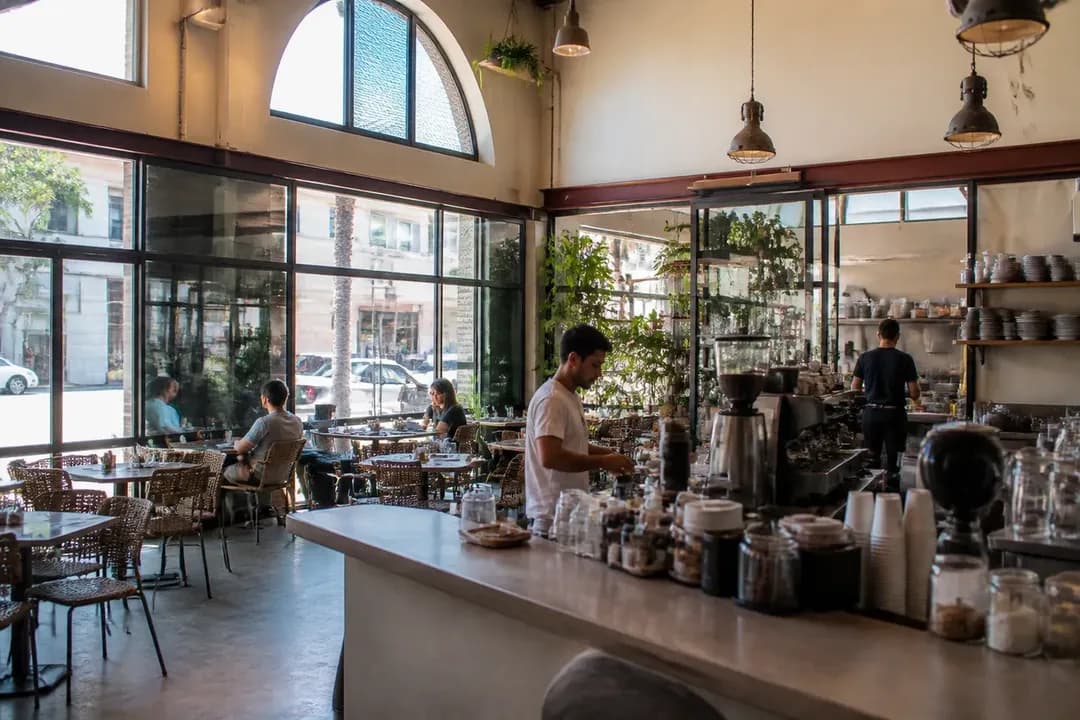
the punisher: The Los Angeles Dessert Stop Decision Guide
A focused Los Angeles coffee-dessert plan that treats a trend as a prompt, then checks transit tools, public-space anchors, and backups before you leave.
A phrase can spike, a clip can circulate, and suddenly a group wants to turn the day into a small outing. Treat the punisher that way: not as proof of a Los Angeles appearance, event, partnership, screening, or guarantee, but as a planning hook for choosing where to pause over coffee and dessert. The official Los Angeles tourism dining page describes a broad local dining scene, from street food to Michelin-starred restaurants, with global cuisines and settings that include modern dining rooms and oceanfront patios. That breadth is useful, but it also means a vague dessert idea can sprawl. A better plan starts with one neighborhood, one primary coffee-dessert stop, one official transit check, and one public-space fallback where the outing can continue if the first choice does not fit the day.
Want a sharper version before you go? Text Karpo to check the Los Angeles dessert route, Metro timing, venue hours, access flow, and backup public-space options for this exact plan.
Use the topic as a reason for a focused break
The useful move is to separate attention from evidence. The punisher may be the reason someone in your group suggested dessert, but it should not become a claim that anything related is happening locally. Build the plan around what the official extracts actually support: Los Angeles dining breadth, a Koreatown guide presence, a Central Library anchor, and Metro planning tools. That keeps the outing grounded and avoids chasing an unsupported premise across the city.
For a clean route, start with Downtown Los Angeles or Koreatown rather than trying to cover the whole map. Downtown gives you a public-space anchor at the Los Angeles Public Library, whose site lists contact information at 630 W Fifth St., Los Angeles, CA 90071. Koreatown has an official Los Angeles tourism guide listing, and the Eat & Drink page includes a coffee-and-dessert item for K-Town. Those are planning signals, not promises about any specific shop’s hours, prices, menu, reservations, seating, wait time, or availability.
A good break also needs a fallback. If the dessert stop is crowded, closed, or too loud for the purpose of the meeting, decide whether the plan becomes a short reset near the library, a tighter Koreatown route, or a Metro-supported move. That is the difference between a contained city break and a wandering crawl built on assumptions.
Choose one signature stop rather than a crawl
Los Angeles makes it tempting to stack several dessert ideas into one afternoon. Resist that unless the outing is explicitly about browsing. The official city dining page says Los Angeles has one of the country’s most dynamic dining scenes and points to a wide range of food settings and cuisines. That range is useful context, but it also means indecision can consume the entire break.
Pick one signature stop using three checks: whether it fits the neighborhood you are already in, whether the room seems appropriate for the conversation, and whether there is a credible nearby fallback. If your group wants coffee and dessert in Koreatown, keep the route inside Koreatown instead of adding distant neighborhoods. If your day starts Downtown, use Central Library as the public-space reference point and decide whether dessert comes before or after that stop.
The practical rule is simple: one primary dessert, one backup dessert, one public-space backup. Do not treat online buzz as availability. The extracts do not confirm any dessert venue’s hours, prices, booking rules, table policy, or menu, so those details need direct same-day verification from the venue or its current official channel. Let one well-checked stop carry the outing.
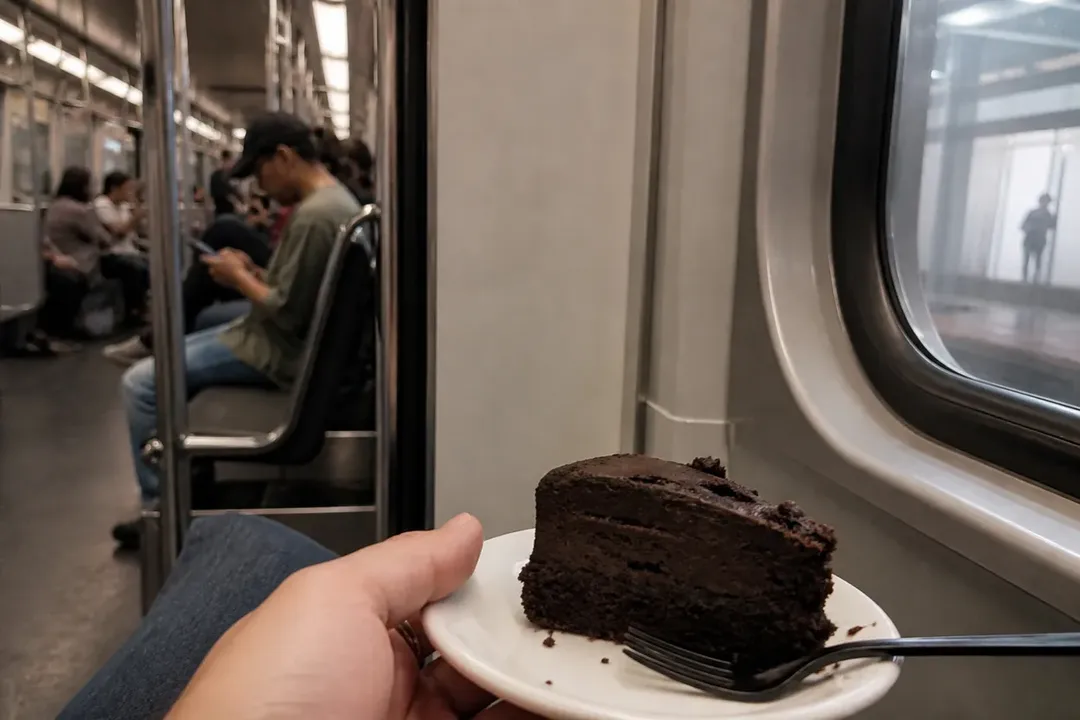
Match seating to the conversation or task
Coffee-dessert plans often fail because the room does not fit the reason for meeting. A casual catch-up can handle a lively counter or a short stop. A focused conversation needs less friction and more predictable surroundings. A solo reading break benefits from having a public-space anchor nearby, especially if a dessert venue is full or not suited to lingering.
Central Library is useful in the Downtown version because it gives the route a civic destination, not just a commercial one. The Los Angeles Public Library site presents Central Library as the anchor of the library system and says Central Library is 100 in 2026. The site also surfaces services and areas such as books, the Digital Library, computers and technology, events, branch finding, library cards, printing, and help. Those details help shape a grounded plan, but they do not replace checking current access conditions for the day you go.
If the conversation is casual, choose the dessert stop first and keep the library as a nearby reset. If the conversation is focused, reverse the order: meet at or near the public-space anchor, then move to dessert once the task is done. That order protects the purpose of the outing without inventing unsupported claims about seating, quiet, or operating rules.
Keep the route short and weather-aware
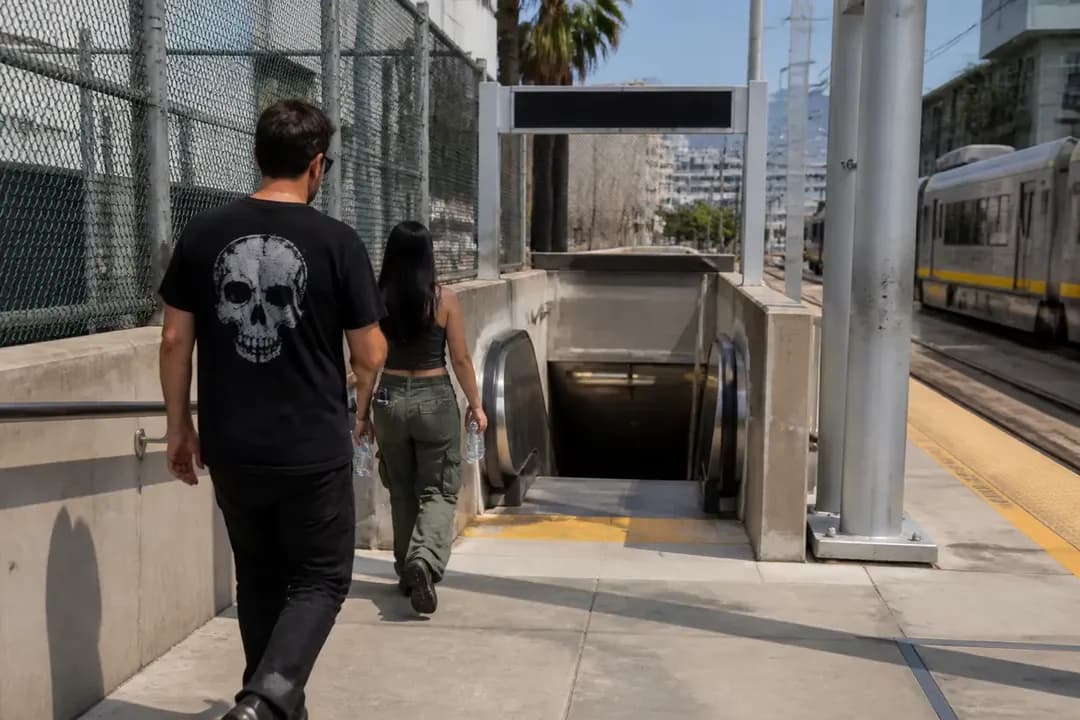
The best Los Angeles dessert route is usually the one with fewer moving parts. Metro’s official site puts several planning tools in one place: Arrivals, Trip Planner, Alerts, Maps & Schedules, and the official LA Metro app. Use those tools before committing to a neighborhood sequence, especially if the plan depends on moving between Downtown, Koreatown, and nearby areas.
For a transit-aware version, compare Downtown Los Angeles and Koreatown as a compact corridor instead of a citywide hunt. Metro says new D Line Extension stations at La Brea, Fairfax, and La Cienega connect Mid-Wilshire’s cultural energy with Koreatown and Downtown LA. That makes a Downtown-to-Koreatown or Koreatown-to-Mid-Wilshire plan more legible than a scattered dessert list, but the extract does not establish exact travel times, frequencies, delays, station conditions, or the best route for your departure point.
Weather still matters because coffee-dessert outings can involve walking, waiting outside, or carrying drinks. The extracts do not provide a forecast, patio availability, indoor seating guarantees, or air-quality conditions. Decide in advance whether heat, rain, poor air, or a long wait turns the plan into a shorter dessert stop, a library-adjacent pause, or a postponed outing. The strongest plan is the one that still works when the first option slips.
Save a second dessert for long waits
A backup dessert is not a consolation prize. In Los Angeles, it is basic route discipline. The official tourism dining page highlights the breadth of the local food scene and includes a coffee-and-dessert item for K-Town among its Eat & Drink listings. Use that breadth to protect the day, not to overpack it.
Before leaving, choose the second dessert based on proximity rather than fame. If the primary stop is in Koreatown, the second should be close enough that a long line does not create a new parking or transit problem. If the primary stop is Downtown, the fallback should keep you near the civic anchor or the Metro route you already checked. A backup across town is not really a backup; it is a new trip with new assumptions.
This is also where the punisher hook should stay modest. If someone wants to talk about a trending character, headline, or cultural reference over dessert, the conversation can happen anywhere. The venue does not need to be affiliated with the topic, and the extracts do not support implying that it is. The point is a timely excuse for a better-planned break.
Verify hours before leaving
Treat every operational detail as changeable unless the official extracts support it. They confirm broad Los Angeles dining context, a Koreatown guide listing, the LAPL address at 630 W Fifth St., Central Library’s role as the system anchor, Metro planning tools, app features, card-tap fare payment, and the D Line Extension station names La Brea, Fairfax, and La Cienega. They do not establish dessert shop hours, menus, prices, reservation rules, seating limits, accessibility details, wait times, parking conditions, weather, or broadcast availability.
Run the final check in this order: confirm the primary dessert stop, confirm the backup dessert stop, check Metro arrivals and alerts, then confirm the public-space anchor still fits your plan. Metro says the official LA Metro app can provide real-time arrivals, step-by-step directions, and service alerts. Metro also says riders can pay fare with a credit or debit card in plastic or digital form by tapping on buses or at train stations. Those are useful details, but your exact route still needs a same-day check.
For Downtown, confirm whether Central Library at 630 W Fifth St. is the right anchor for your timing and access needs. For Koreatown, use the neighborhood focus to keep the outing compact. For any dessert venue, avoid relying on screenshots, old posts, or secondhand claims. A verification-first plan makes the city feel easier because it removes fragile details before anyone is hungry, tired, or already in motion.
Tags: #LosAngeles #CoffeeDessert #KoreatownLA #DowntownLA #LAMetro #CentralLibrary #LAFood #DessertRun #CoffeeBreak #PublicTransitLA #AskKarpo #BeforeYouGo #LARestaurants #CityPlanning
Sources consulted: discoverlosangeles.com · lapl.org · metro.net
All trademarks are the property of their respective owners.
Ask Karpo first
Ask Karpo first before turning the punisher into a Los Angeles dessert plan. Karpo can help check venue hours, Metro alerts, route order, the public-space fallback, and whether your backup dessert is actually close enough to save the outing.
Ask Karpo for more information.
Keep reading
- Best Breakfast Near Me in DTLA: Nickel Diner Built a Maple Bacon Doughnut
 Coffee Near Me in Venice: Menotti's Pours Steps from the Boardwalk
 Coffee Near Me in Chinatown: Endorffeine Is a One-Man Bar