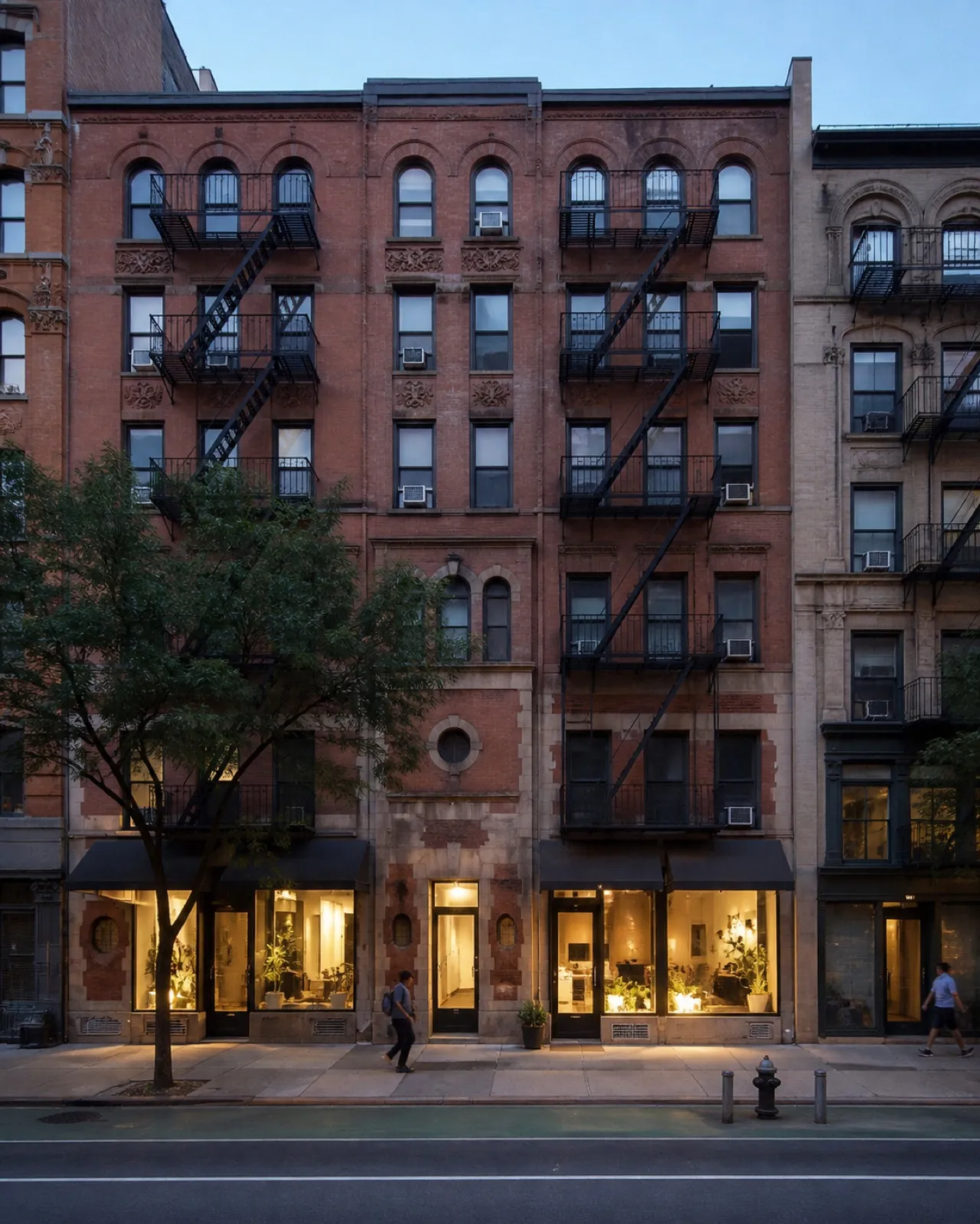
For one weekend in October every year, more than 300 normally-private buildings across New York City open their doors to the public for free. Behind-the-scenes tours of working infrastructure. Architectural landmarks you've walked past a hundred times and never been inside. Private collections, vaults, rooftops, restoration sites. The festival has been running annually since 2003. Almost every interesting locked door in the city is open. Most New Yorkers don't know it exists.
The Festival Most New Yorkers Have Heard Of and Never Done
Open House New York Weekend — usually shortened to OHNY Weekend — is run by Open House New York, a nonprofit that has been organizing the festival since 2003. It is part of an international network: the original Open House started in London in 1992, and over thirty cities now run their own version (Melbourne, Buenos Aires, Helsinki, Dublin, Brisbane). The New York edition takes place over a single weekend every October — the third weekend of the month, usually Friday through Sunday.
In 2025 it ran October 17–19. Across those three days, more than 300 sites across all five boroughs opened to the public, the majority of them free. The 2025 edition included the Brooklyn Army Terminal, the Brooklyn Navy Yard, the Manhattan Borough President's Map Display, the Sunset Park Material Recovery Facility, the Soldiers and Sailors Memorial Arch at Grand Army Plaza (which had just emerged from an $8.9 million restoration), and Printemps in the Financial District, the legendary French department store's first US outpost. Around 50,000 people went.
The 2026 edition is expected to follow the same calendar — a Friday through Sunday in mid-to-late October, with the program announced in late August.
What "Open" Actually Means
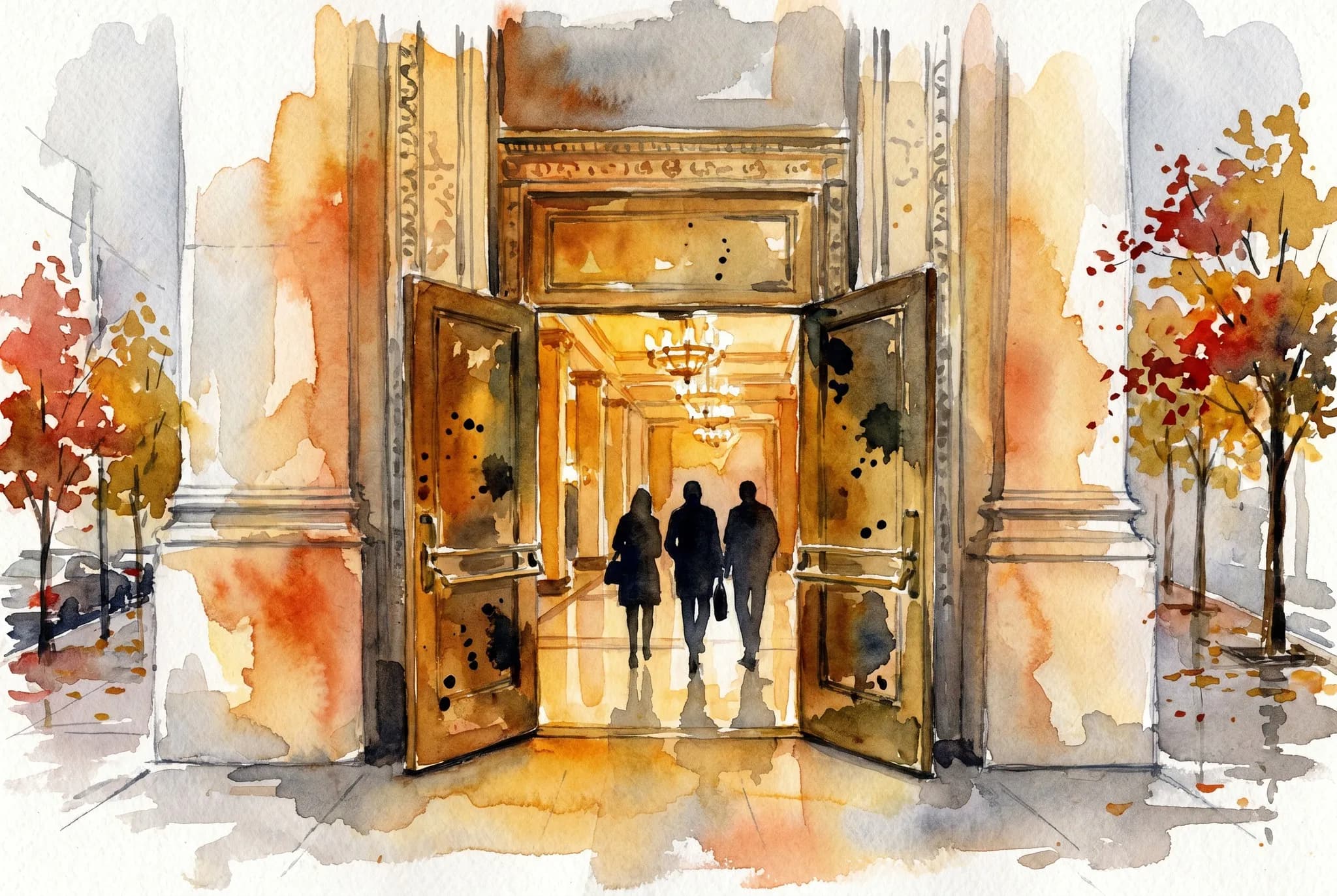
The misconception about OHNY is that it's a citywide architectural lecture series. It's not. Most of the sites are doors. A door that is normally locked, or normally requires a security badge, or normally requires you to be a tenant or a researcher or a member, that for one weekend is propped open and staffed by volunteers.
Some of the doors are obvious. The Federal Reserve Bank of New York's gold vault. The Soldiers and Sailors Monument in Riverside Park. The dome of the Manhattan Municipal Building. The mechanical penthouses of major skyscrapers. The restoration workshops at the Metropolitan Museum.
Other doors are not obvious. The Manhattan Detention Complex. The TWA Hotel's bunker. The 38th-floor private library of an Art Deco tower in midtown. The wastewater treatment plant on Wards Island. The 1929 mechanical clock room in the Helmsley Building. The Sandy Hook Pilots' Association on Staten Island.
The selection is curated by Open House New York's staff each year. Most sites repeat across years; about a quarter rotate. The full list is published roughly six weeks in advance on the OHNY website.
How the Two Access Tiers Work
OHNY uses a two-tier system. **Open Access sites** are first-come-first-served on the weekend itself — you just show up during the listed hours, queue if there's a queue, and walk in. About two-thirds of the sites are Open Access.
**Reservation sites** require advance booking through the OHNY website. These are the sites with capacity constraints — small workshops, mechanical penthouses, working infrastructure. Reservations open about two weeks before the weekend, on a single morning, and the most sought-after sites sell out (free, but capacity-limited) within an hour. The Federal Reserve gold vault and the Helmsley clock room are typically Wednesday-morning-of, sold-out-by-Wednesday-afternoon kinds of sites.
The strategy that works: be at a laptop at 9am on the Wednesday reservations open, with the OHNY site already loaded and a short list of three priority sites picked out. Book your top one. If it's gone, drop to your second. Plan the rest of the weekend around Open Access sites.
The Five Categories Worth Planning Around
The OHNY catalog every year breaks roughly into five categories, and each rewards a different approach.
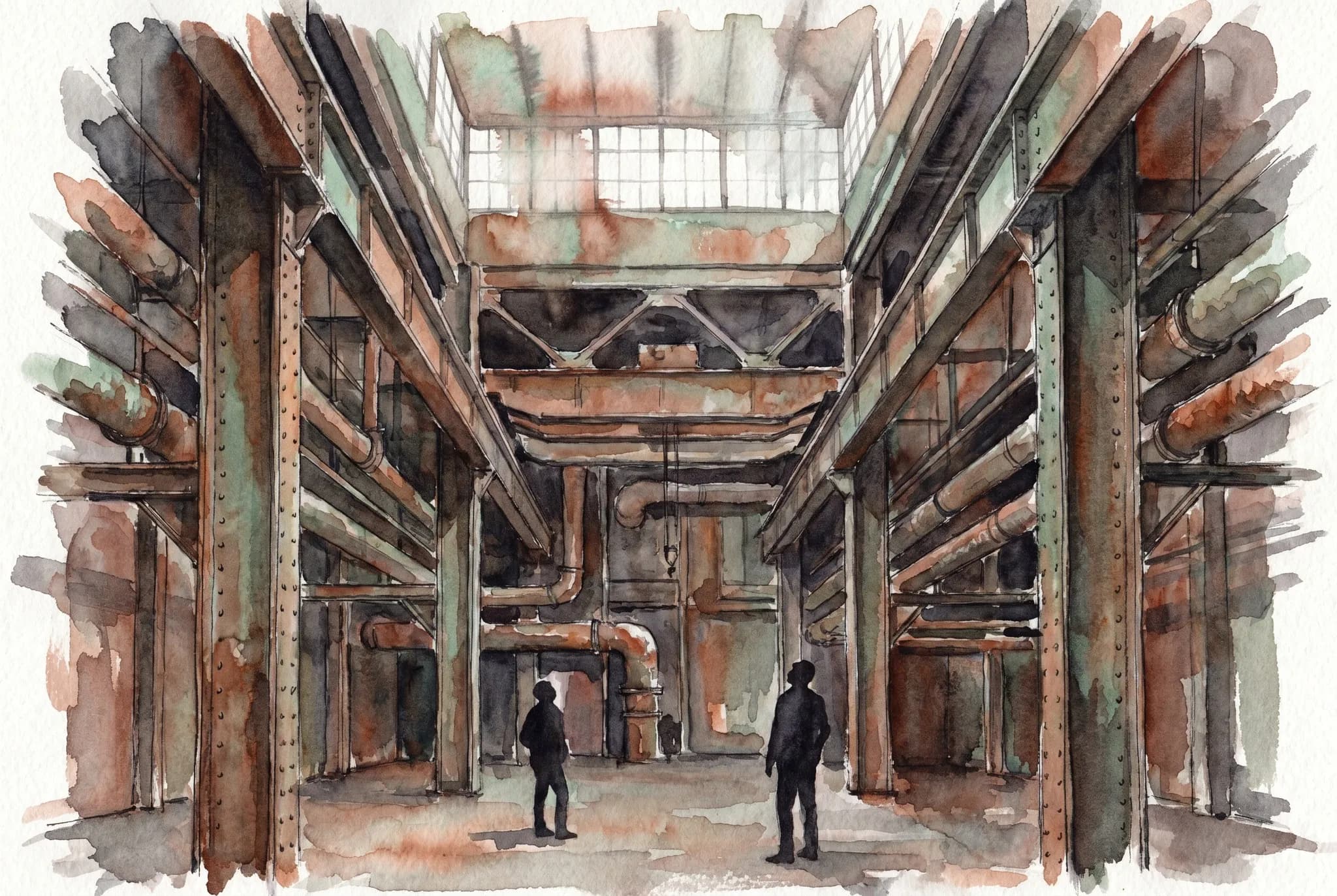
**Infrastructure** — wastewater treatment, power substations, transit control rooms. Best done as a single deep dive on Saturday morning, treating the day as an industrial tour.
**Historic architecture** — Art Deco lobbies, Gilded Age mansions, Beaux-Arts banking halls. Densest in midtown. Best done as a walking circuit on Saturday afternoon, hitting four to five sites within a 20-minute walk.
**Adaptive reuse / restoration** — buildings mid-renovation, recently restored landmarks, projects in progress. Best done with a guide if one's offered (most have volunteers giving informal tours).
**Cultural / private collections** — academic libraries, foundation collections, private archives. Often the most surprising sites; almost always reservation-required.
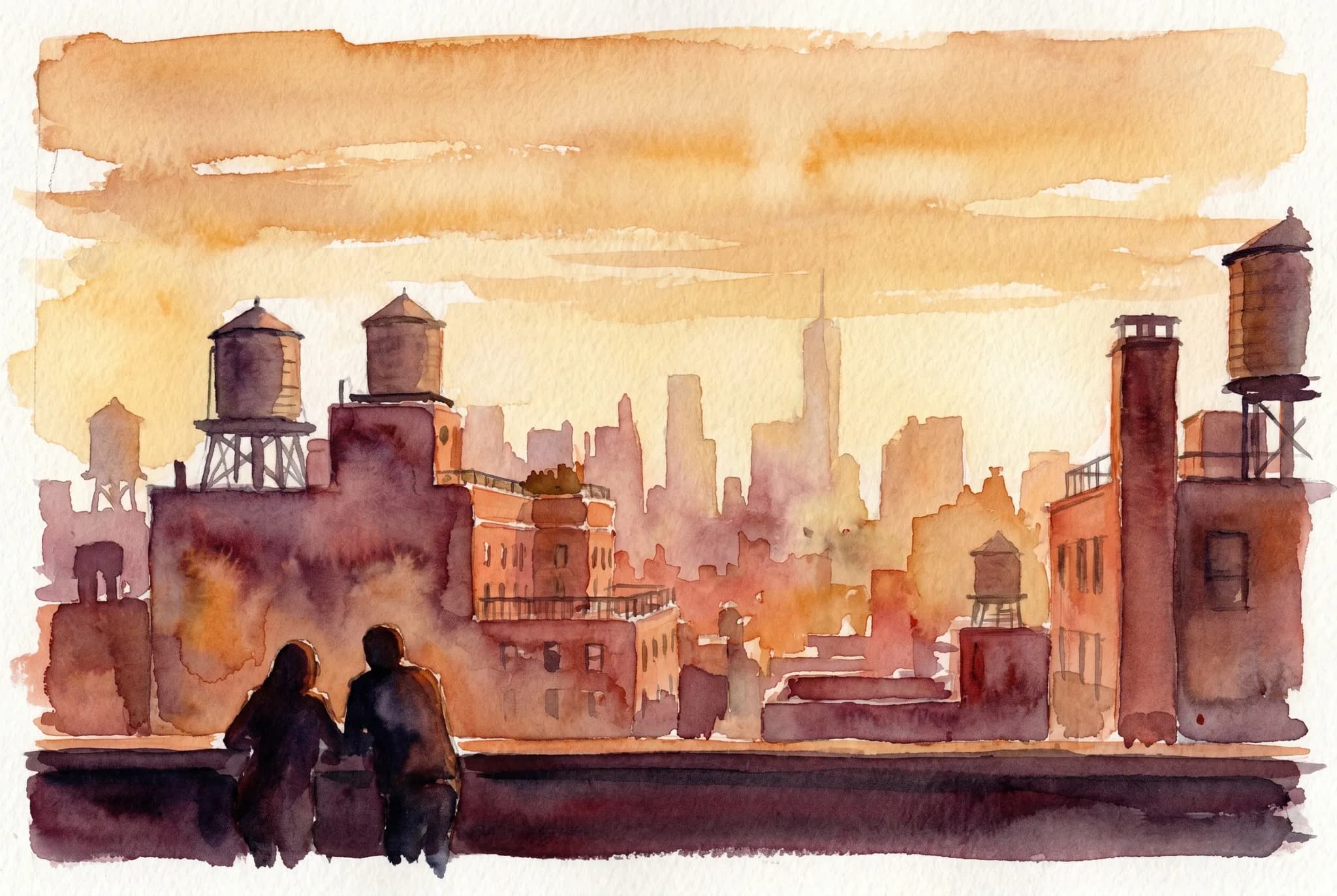
**Rooftops and views** — penthouse mechanical rooms, observation decks, residential roof gardens. Best saved for Sunday afternoon when the autumn light is at its best.
Why It's the "Right on Time" Pick of the Year
There are about a dozen yearly New York festivals that the city revolves around — Tribeca Film, Frieze, Restaurant Week, the Marathon, Armory Show, Open House. Of those, OHNY is the one that produces the highest density of "I had no idea you could go in there" moments per dollar (zero) per minute. It's also the one that's most physically distributed across the city — the sites genuinely span all five boroughs, and a well-planned weekend can take you from a wastewater plant on Wards Island to a private penthouse library in Tribeca to the engine room of a 1939 ferry in Staten Island.
The other festivals reward you for being a participant in a particular scene (film, art, food, sport). OHNY rewards you for being a participant in the physical city. It's organized around the principle that the most interesting buildings in New York are mostly locked, and that they should be unlocked once a year so the people who live around them can actually see them.
That is a simple, civic, durable idea. It's been running for 22 years without changing the format, which is unusual for a New York institution. It's a fixed point in the city's calendar. The third weekend in October. Plan for it.
The Practical Calendar
Roughly:
- Late August — site list published on ohny.org
- First or second week of October — Open Access site details finalized
- Wednesday two weeks before the weekend — Reservation sites open for booking, 9am sharp
- Third weekend of October (Fri–Sun) — Festival weekend
- Following week — Most coverage gets published; sites close to the public again
If you're reading this and the next OHNY hasn't started yet, sign up for the OHNY email list now. It's the only reliable way to get a heads-up about the reservation morning.
Practical notes
- When: Third weekend in October every year. In 2025 it ran October 17–19. The 2026 edition is expected mid-to-late October — confirm at ohny.org once the dates publish in summer.
- Where: All five boroughs. The full site list is published in late August on the OHNY website (ohny.org/weekend).
- Cost: Free. A small number of premium experiences (special tours, launch parties) are ticketed, but the core 300+ sites are free.
- Reservations: About two-thirds of sites are first-come walk-in (Open Access). About one-third are reservation-required, and reservations open on a single Wednesday morning roughly two weeks before the weekend, 9am sharp. Popular sites sell out within an hour.
- Walking solo: The festival is run with volunteer staffing at every site and is one of the few weekends a year when the entire city is in "show your guests around" mode. Walking between sites in any borough during daylight hours is essentially the safest urban-explore window of the year. After dark, the usual rules apply — stick to well-trafficked routes, use the subway rather than walking long distances, and confirm any reservation site's exit transit options before you go.
- What to bring: Comfortable shoes, a phone with the OHNY map open offline, water, and a printed reservation confirmation for any reservation-only sites (some don't have reliable phone reception).
- What to do nearby: Open House works best as the entire weekend's plan — don't try to combine it with other day-trips. The post-OHNY tradition is dinner at a restaurant near the last site you visited.
The point
New York's actual interestingness is mostly behind locked doors. The penthouse library, the mechanical clock room, the wastewater plant, the bank vault, the restoration workshop — these are the parts of the city the city is actually built around, and they're invisible to almost every resident for 363 days a year. Open House New York is the two-day window when the doors open. It's been the same weekend in October since 2003. The next one is the third weekend in October 2026. Be on the OHNY email list by August. Be at your laptop at 9am on the reservation Wednesday. Plan a Saturday and a Sunday. Go inside the city you live in.
#openhousenewyork #ohny #ohnyweekend #rightontime #nycarchitecture #freenyc #nycevents #octobernyc #nychistory #beauxartsnyc #adaptivereuse #fivenboroughs #nyclandmarks #nycweekend #insidernyc
Sources consulted: ohny.org · ohny.org/festival · ohny.org/save-the-date-2025 · ohny.org/weekend/how-to-participate · ohny.org/changes-2025
All trademarks are the property of their respective owners.