The NYBG Free Wednesday Nobody Tells Tourists About
A Secret Morning in the Bronx's Hidden Eden
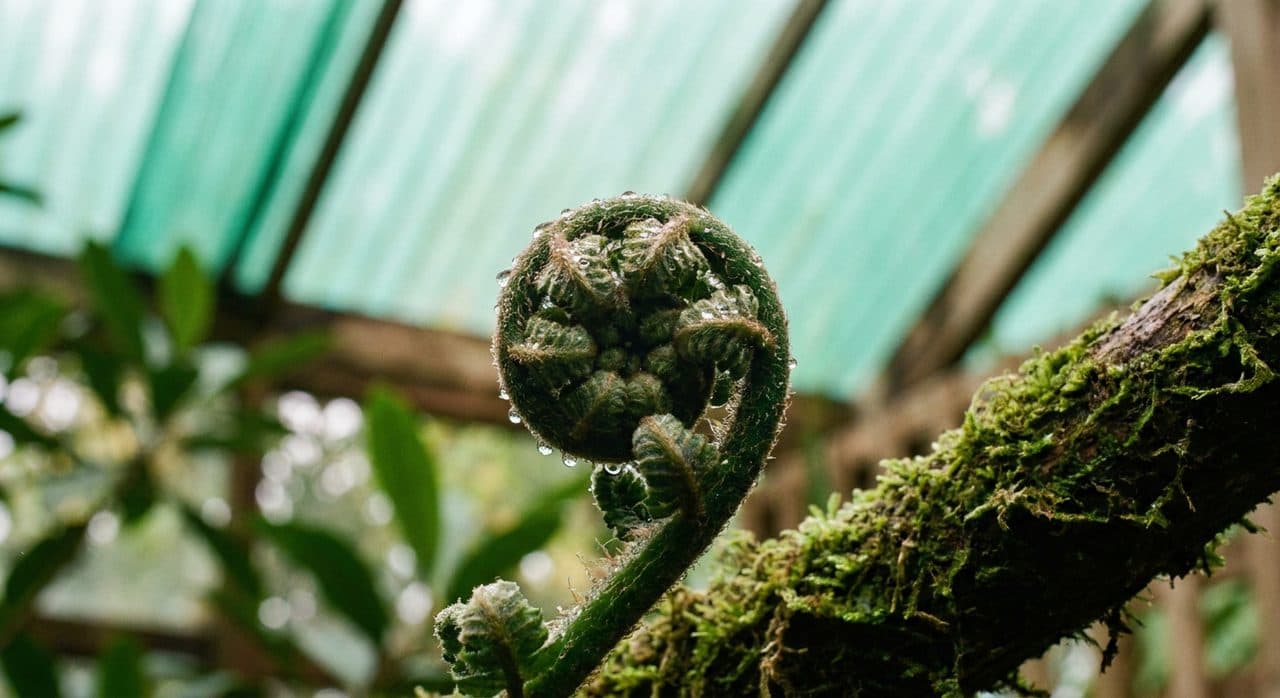
There's a particular quality to Wednesday mornings in the Bronx that most New Yorkers never experience. While the city churns through its midweek rhythm—subway cars packed with commuters, coffee lines snaking out bodega doors—a 250-acre sanctuary sits waiting in the northern reaches of the borough, its gates open to anyone willing to arrive before the lunch crowd. The New York Botanical Garden, that sprawling institution most residents dismiss as a special-occasion splurge, quietly offers free admission every Wednesday morning from 9am until noon. And almost nobody knows about it.
This isn't a stripped-down experience or a limited-access preview. The free window includes the grounds in their entirety, from manicured rose gardens to wild forest trails, and remarkably, the Enid A. Haupt Conservatory—a Victorian glass cathedral that has sheltered exotic plants since 1902. The catch, if you can call it one, is that you must arrive on foot or by public transit. The parking lot charges regardless of the day or hour, which means the true insider approach involves a twenty-minute Metro-North ride from Grand Central, depositing you at the garden's doorstep with time to spare and money still in your pocket.
Where Old Growth Meets Urban Grit
The Thain Family Forest doesn't appear on most visitors' itineraries, which is precisely why it deserves yours. Tucked into the garden's northeast corner, this fifty-acre woodland represents something almost impossible in modern New York: a forest that has never been cleared, never been paved, never been "improved" into oblivion. Trees here predate the European settlement of the Bronx, their root systems drinking from the same soil that sustained them when the Lenape walked these paths.
Walking through the Thain feels like stepping through a portal. The Bronx River murmurs alongside the trail, and the canopy closes overhead with a density that muffles the distant hum of traffic on Fordham Road. In early morning light, particularly on those free Wednesday windows when crowds are sparse, the forest takes on an almost sacred stillness. Woodpeckers drum against bark. Chipmunks scatter through the understory. The air carries the mineral smell of river water mixed with decomposing leaves—the perfume of a living ecosystem doing what it has done for centuries.
In the northeast section of the forest stands a champion tulip poplar that most visitors walk right past. It isn't marked on any tourist map, and the garden doesn't advertise its existence. But this single tree, estimated at over two hundred years old, has witnessed the transformation of everything around it—from colonial farmland to industrial sprawl to the botanical institution that now protects it. Finding it requires a bit of wandering, a willingness to stray from the main path, but that's rather the point. Some discoveries shouldn't come with signage.
Glass, Iron, and a Century of Blooms
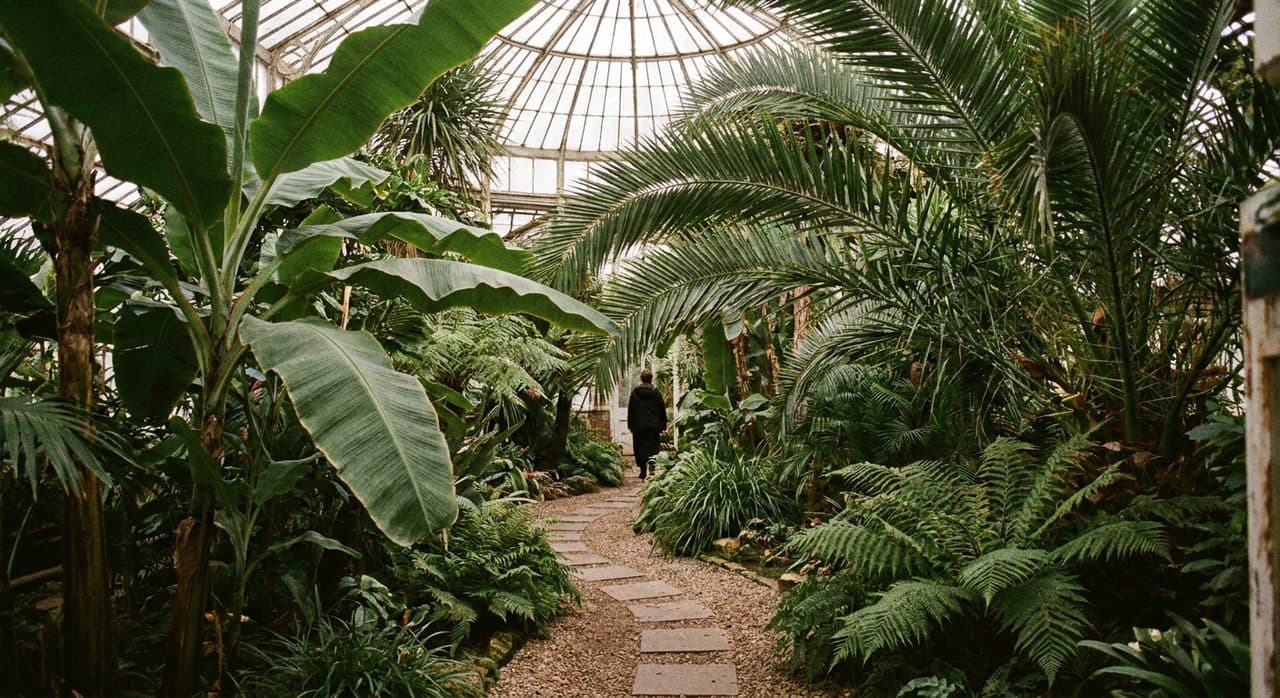
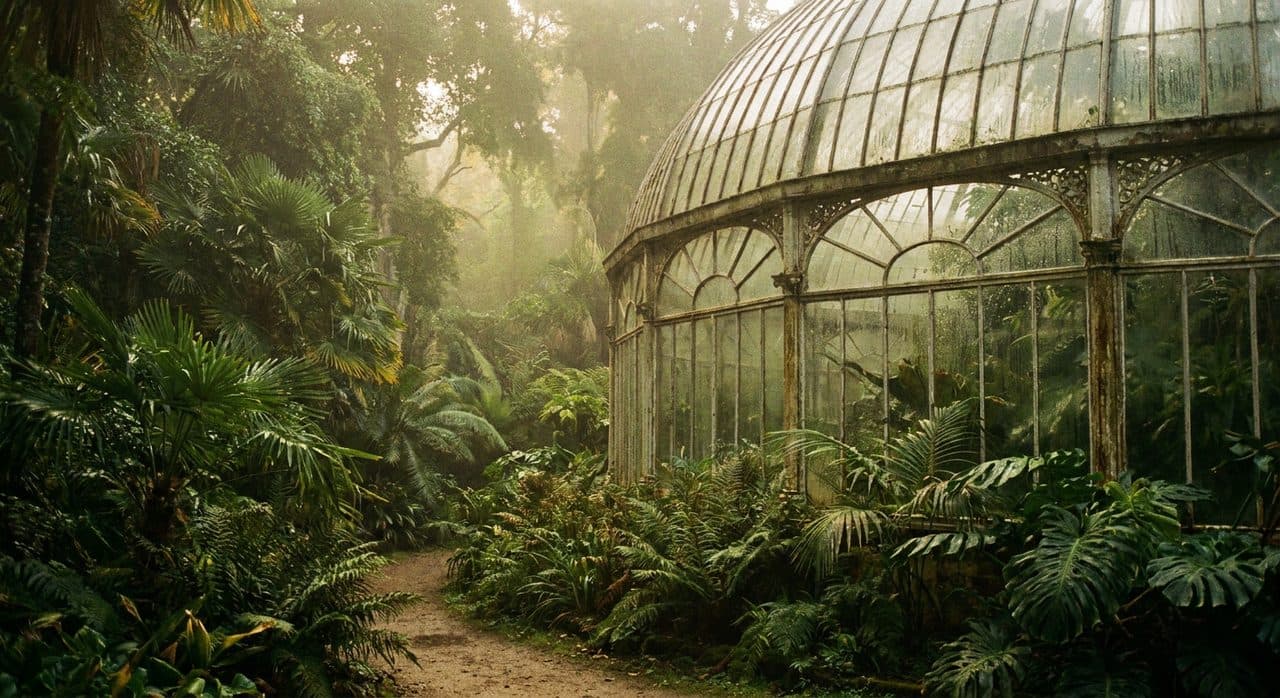
The Enid A. Haupt Conservatory announces itself long before you reach its doors. The structure rises from the landscape like something transported from another era—a confection of glass and iron that wouldn't look out of place in Victorian London. Built in 1902 and modeled after the great palm houses of Europe, the conservatory has sheltered generations of New Yorkers from winter's grip, offering tropical warmth when the city outside turns gray and bitter.
Inside, the air changes immediately. Humidity wraps around you, carrying the green scent of growing things. The main palm court stretches upward, its glass dome filtering sunlight into something softer, more forgiving. Palms from five continents reach toward that light, their fronds creating a canopy within a canopy. Side galleries branch off into distinct worlds—desert plants bristling with spines, orchids cascading from mounted displays, carnivorous species waiting with patient menace in their terrariums.
What strikes most first-time visitors is the silence. Despite the conservatory's popularity, the space absorbs sound the way a cathedral does. Footsteps on stone paths, the occasional whispered conversation, the drip of water from misting systems—these become the soundtrack of a Wednesday morning visit. There's no rush here, no sense that you're holding up a line. The plants have been growing for decades. They can wait while you admire them.
The Water Lily Secret Nobody Mentions
Here's something the official free-admission marketing never tells you: late June and early July mark water lily flowering season in the aquatic plant houses, and the free Wednesday window coincides perfectly with peak bloom. This timing isn't accidental, but it isn't advertised either. The garden simply opens its gates, and those who know, know.
The water lily collection spans several pools within the conservatory complex, each maintained at precise temperatures to coax blossoms from species that evolved in tropical climates. Victoria amazonica, the giant Amazon water lily with leaves strong enough to support a small child, opens its flowers at night—but the morning hours catch them in their final display before they close against the rising heat. The blooms shift color as they age, moving from white through pink to deep crimson, creating a living gradient across the water's surface.
Visiting during this narrow seasonal window feels like being let in on a secret. The lilies don't care about marketing strategies or admission prices. They bloom according to their own ancient rhythms, and if you happen to arrive on a free Wednesday in early July, you'll witness something that most paying visitors miss entirely. The light through the glass roof catches the water's surface, the flowers seem to glow from within, and for a moment the Bronx feels very far away indeed.
Beyond the Headlines: A Garden for Every Season
The botanical garden operates on cycles that reward repeat visitors. Spring brings magnolias exploding in pink and white along the garden's main allées. Autumn transforms the forest into a corridor of gold and amber, the old-growth trees putting on a display that rivals any New England foliage trip. Even winter has its charms—the conservatory becomes a refuge, and the bare branches of ancient trees reveal architectural forms hidden during leafier months.
Some visitors time their free Wednesday trips to coincide with celestial events, arriving early to catch the last of a full moon setting over the garden's western edge before the sun fully rises. The combination of natural light and the garden's careful landscaping creates photographic opportunities that feel almost staged—except no human hand arranged the moon's position above the conservatory dome or the way morning mist rises from the native plant garden.
The key is treating the garden not as a single destination but as a recurring appointment. Wednesday mornings become a ritual, a reason to wake earlier than usual, a standing date with a place that changes week by week while remaining fundamentally itself. The tulip poplar doesn't move, but the light on its bark shifts with the seasons. The conservatory's structure stays constant, but the plants within it cycle through dormancy and bloom. Regular visitors learn to read these rhythms the way city dwellers learn subway schedules—intimately, instinctively.
Practical Notes
Getting there: Take Metro-North's Harlem Line from Grand Central to Botanical Garden station (approximately 20 minutes). The garden entrance sits directly across from the platform. Alternatively, the B, D, or 4 train to Bedford Park Boulevard connects to the Bx26 bus, which stops at the garden's Mosholu Gate.
Timing: Free admission runs Wednesday 9am–12pm sharp. Arrive by 11am to give yourself adequate time; the grounds alone can absorb hours of wandering. The free window applies only to visitors arriving on foot or via public transit—parking fees apply regardless.
What's included: Full grounds access including the Thain Family Forest and the Enid A. Haupt Conservatory. Special exhibitions and the tram tour require separate tickets.
Seasonal tip: Late June through early July offers peak water lily blooms in the aquatic houses—an unlisted bonus during free admission hours.
Tags: #NYCFreeThings #NewYorkBotanicalGarden #BronxNY #FreeNYC #HiddenNYC #NYBGWednesday #ThainFamilyForest #UrbanForest #VictorianGreenhouse #WaterLilies #MetroNorthTrips #NYCSecrets #BotanicalGardens #FreeMuseumDays #ConservatoryNYC
Sources consulted: timeout.com · nymag.com · thrillist.com · eater.com
All trademarks are the property of their respective owners.
Ask Karpo first
Want to know if today is a free Wednesday at NYBG, which greenhouse is currently in bloom, and whether the old-growth trail is open? Ask Karpo before heading up to the Bronx.