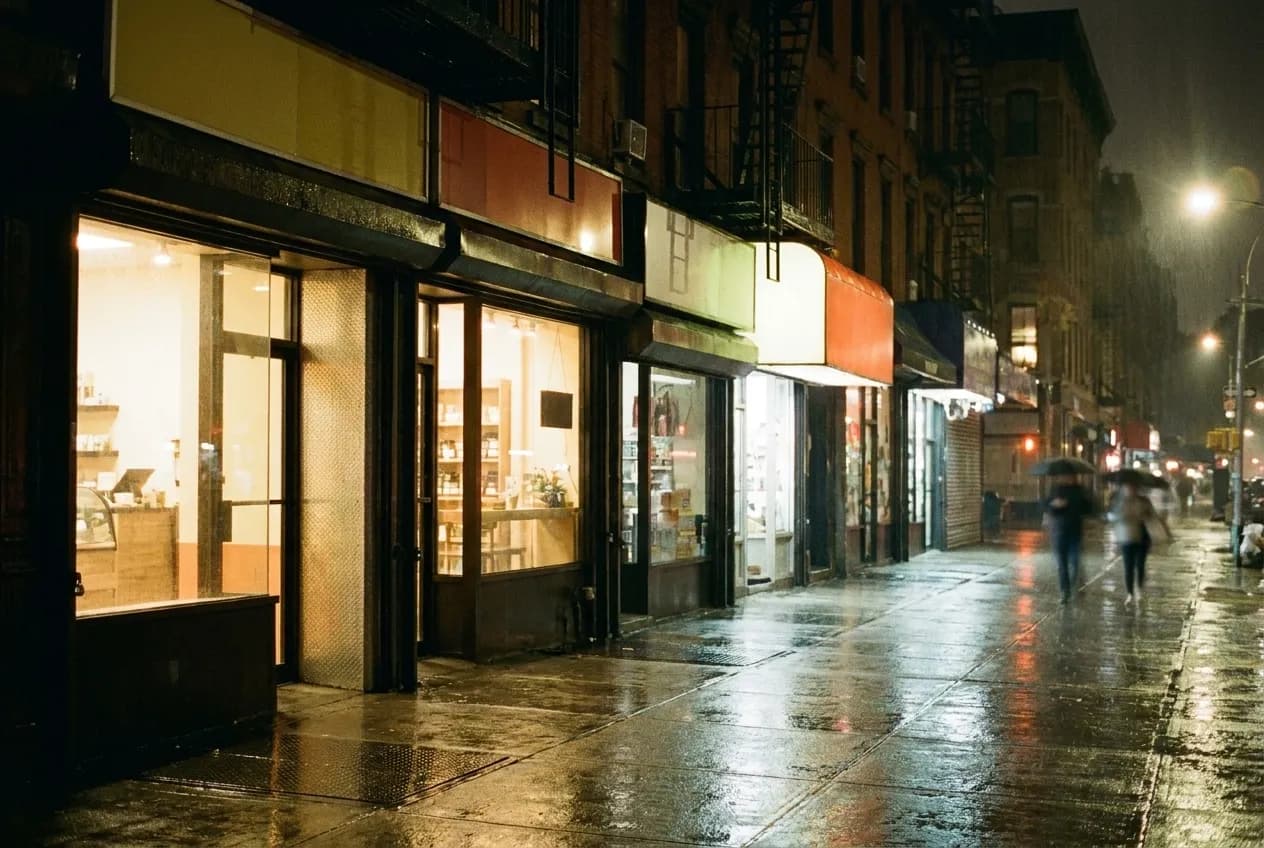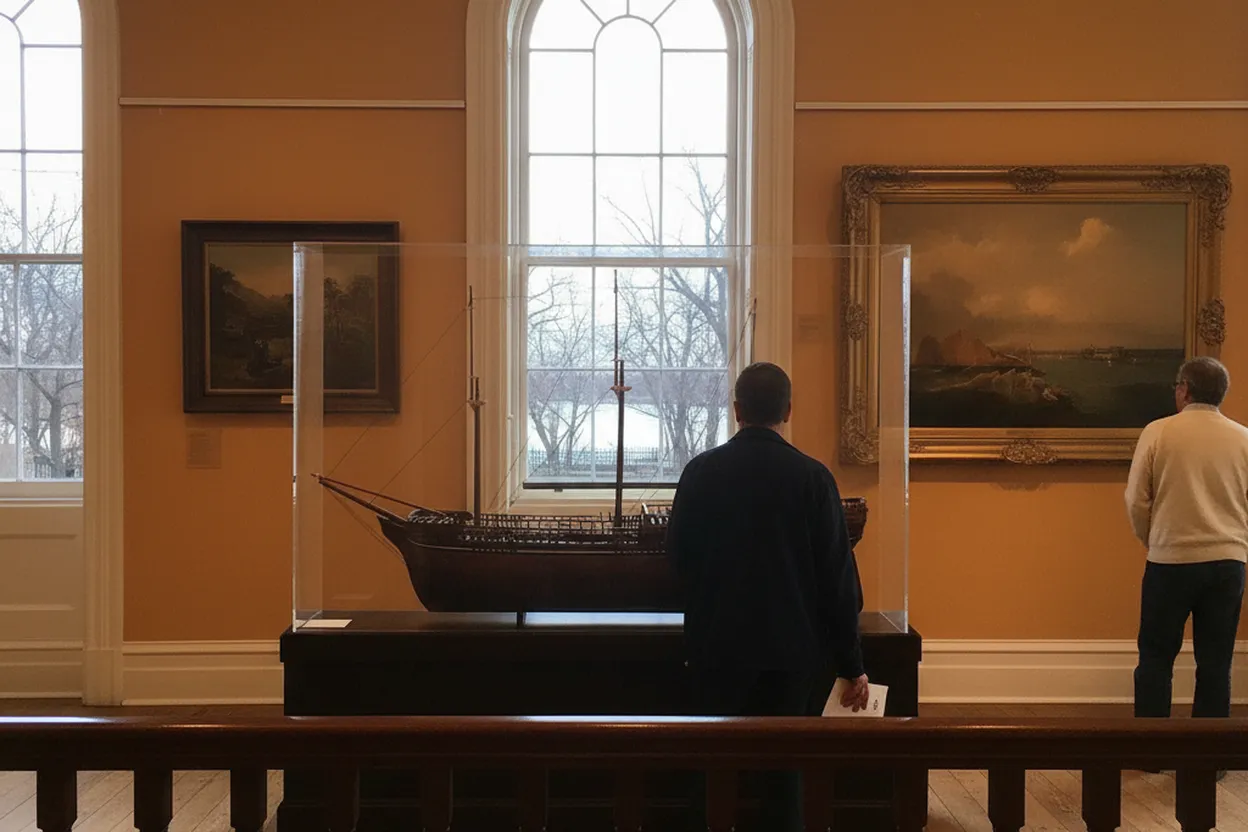
The Noble Maritime Collection is the kind of Staten Island stop that makes the free ferry feel like transportation, not just sightseeing. Set inside Building D at Snug Harbor, the museum gives a Manhattan or Staten Island day-tripper a real early-afternoon destination: John A. Noble's maritime art, a restored houseboat studio, ship models, Sailors' Snug Harbor material, and enough indoor texture to rescue a rain-threatened weekend. It is not frictionless. You still need the Whitehall-to-St. George ferry, a bus from Ramp D, and a short campus walk. But for a parent, visiting relative, or quietly exploratory companion, that effort buys a focused museum visit instead of a vague wander.
Want a ferry day with less guessing? Text Karpo before you leave and ask for a Noble Maritime route check, rain backup, and current transit timing.
Use The Noble Maritime Collection As The Staten Island Anchor
Plan the Noble Maritime Collection as a two-to-three-hour island move, not a quick ferry selfie. The museum posts Wednesday through Sunday hours of noon to 5 PM, so an early afternoon arrival gives you room for the ferry, bus wait, galleries, and a composed return. The address is 1000 Richmond Terrace, Building D, Staten Island. If your group needs morning activity, put that elsewhere; this museum is built around a midday opening.
The visit works best when everyone accepts the travel as part of the story. NYC DOT says the Staten Island Ferry is free, runs year-round, and takes about 25 minutes between Whitehall and St. George. Noble's own directions suggest the starboard, or right, deck from Manhattan for harbor views including Robbins Reef Lighthouse. On a rough-weather day, treat those outdoor deck minutes as optional, then prioritize getting indoors efficiently after landing.
Read John A. Noble Before Roaming Snug Harbor
Inside the Noble Maritime Collection, the anchor is John A. Noble's relationship to New York Harbor's working waterfront. Snug Harbor describes the museum as a place where his art makes that waterfront legible through paintings, drawings, and maritime objects. The most concrete reason to choose it over a broader Snug Harbor stroll is the fully restored houseboat studio, rebuilt inside the museum, which gives the visit a strong physical center.
That specificity matters for a parent or visiting relative who might not want a full art marathon. The collection also includes a recreated sailors' dormitory, ship models, artifacts, and rotating exhibitions connected to the sea. As of the museum's current visit page, listed exhibition areas include Oceanus, We Who Are Weary, Robbins Reef Lighthouse, Treasures of Sailors' Snug Harbor, Houseboat Studio, Dormitory Room, Noble Crew Exhibition, and Ship Model Gallery.

Make The Noble Ferry-To-S40 Transfer Deliberate
The cleanest public-transit path is ferry to S40, but timing still needs attention. Noble tells ferry riders to exit through the center of St. George Terminal to Bus Ramp D, then take the S40 toward Snug Harbor Gate, running approximately every half hour. Snug Harbor describes the bus ride as short, but the tradeoff is the crossing at Richmond Terrace, where Noble specifically warns there is no traffic light.
If the S40 timing is poor, the S44 is the useful backup rather than a reason to cancel. Noble says the S44 runs about every 15 minutes to Henderson Avenue and Devon Place, followed by a ten-minute walk through Snug Harbor. Snug Harbor's directions also point visitors toward campus gates and parking areas, so choose the backup before everyone is tired, wet, or impatient at the ferry terminal.
Treat Noble As The Rain Anchor, Not The Whole Campus
Rain is exactly when the Noble Maritime Collection earns its keep, but it does not erase the campus walk. Build the itinerary around the museum's indoor galleries, then decide on gardens only after the sky settles. Snug Harbor says its outdoor grounds and gardens are open dawn to dusk, while events are rain or shine unless otherwise indicated, so do not rely on an outdoor listing unless you confirm it the same day.
The museum itself is better for slow looking than for high-energy children who need constant switches. For a calm adult pair, the harbor material gives conversation without requiring specialist art knowledge. For a family, the ship models and houseboat studio can create enough object-based momentum, but the visit may feel too quiet if the plan depends on hands-on programming. Check the museum or Snug Harbor events pages before promising a workshop or tour.
Choose The Shinbone Alley Entrance For Noble Access Needs
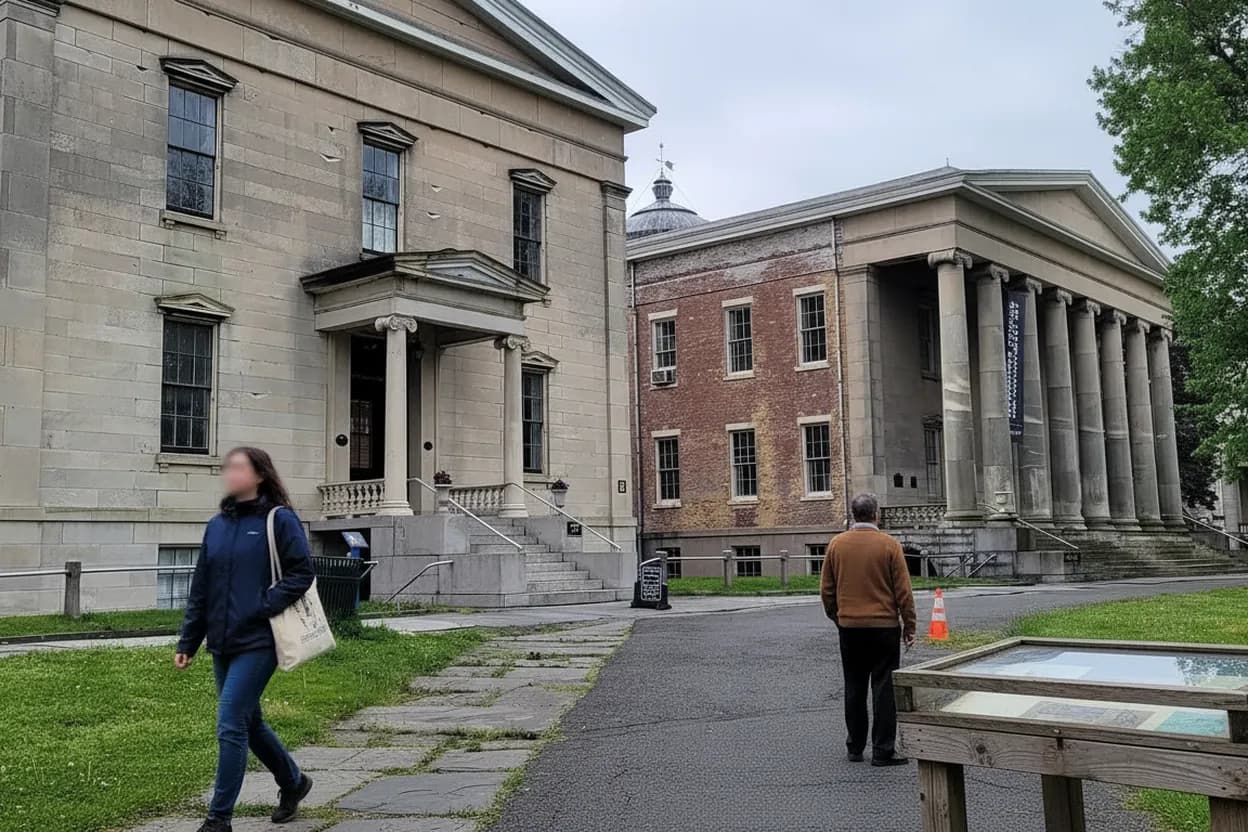
Accessibility is one of the stronger reasons to keep Noble on the shortlist. The museum says all public areas of its 21,000-square-foot building, including pathways, exhibitions, and restrooms, are accessible. It also lists reserved parking near a no-step entrance, an elevator to every floor, a wheelchair, walker, and seating available, service animals welcome, and free admission for care partners. The accessible ground-level entrance is through Shinbone Alley behind Building D.
The route still has access decisions that should be made early. Noble's S40 directions from the north side mention going through the gate and up steps, which may not suit everyone. If stairs, weather, or uneven energy are concerns, favor the Shinbone Alley entrance, ride service, parking, or an S44 approach that leaves you better positioned on campus. Call the museum before leaving if a wheelchair, walker, or specific entry route is essential.
Keep Noble Admission And Parking Math Honest
Cost is refreshingly low-risk, but phrase it accurately. The museum currently lists a pay-what-you-wish admission policy, with members, children under 10, and care partners free. It also says admission is by donation and donation is optional, and that SNAP recipients participating through Museums for All will not be asked to make a donation. Do not turn that into a fixed free-admission claim for every scenario; the current language is more precise.
Drivers get a simpler door-to-door day, but not guaranteed convenience. Noble identifies P2, reached from the East Gate on Fillmore Street, as the nearest lot, and says free parking is available, including handicap parking spaces. Snug Harbor separately notes campus grounds are free to enter, while ticketed attractions and events may differ. If your relative tires easily, parking or a ride service may outperform the ferry romance for this trip.
Verify Noble, Ferry, And Bus Status Before Boarding
The main failure mode is arriving too late for the museum. A 12-to-5 museum window sounds generous until you subtract the subway to Whitehall, ferry headway, 25-minute crossing, bus wait, campus navigation, and return trip. If you leave Manhattan after 2 PM, the day can turn into transit with a rushed gallery pass. A better plan is Whitehall around 11:30 AM, St. George around noon, and Noble shortly after.
Before leaving, verify three live items: the Noble Maritime Collection visit page for same-day hours or closures, NYC DOT's ferry schedule or alerts, and MTA Bus Time for S40 or S44 arrivals from Ramp D. If any link breaks, call the museum at its listed number, 718-447-6490. The go decision is simple: go for a quiet maritime museum; skip if the group needs instant access or loud stimulation.
Tags: #NobleMaritimeCollection #StatenIsland #SnugHarbor #NYCMuseums #HiddenGemsNYC #StatenIslandFerry #MaritimeHistory #NYCArt #RainyDayNYC #FamilyOuting #DayTripNYC #AccessibleNYC #AskKarpo #BeforeYouGo
Sources consulted: Source 1: noblemaritime.org · Source 2: snug-harbor.org · Source 3: nyc.gov · Source 4: nyc.gov · Source 5: new.mta.info
All trademarks are the property of their respective owners.
Ask Karpo first
Tell Karpo your date, group size, budget, and starting neighborhood. We’ll check current access, timing, transit, and the cleanest plan for The Noble Maritime Collection before you head out.