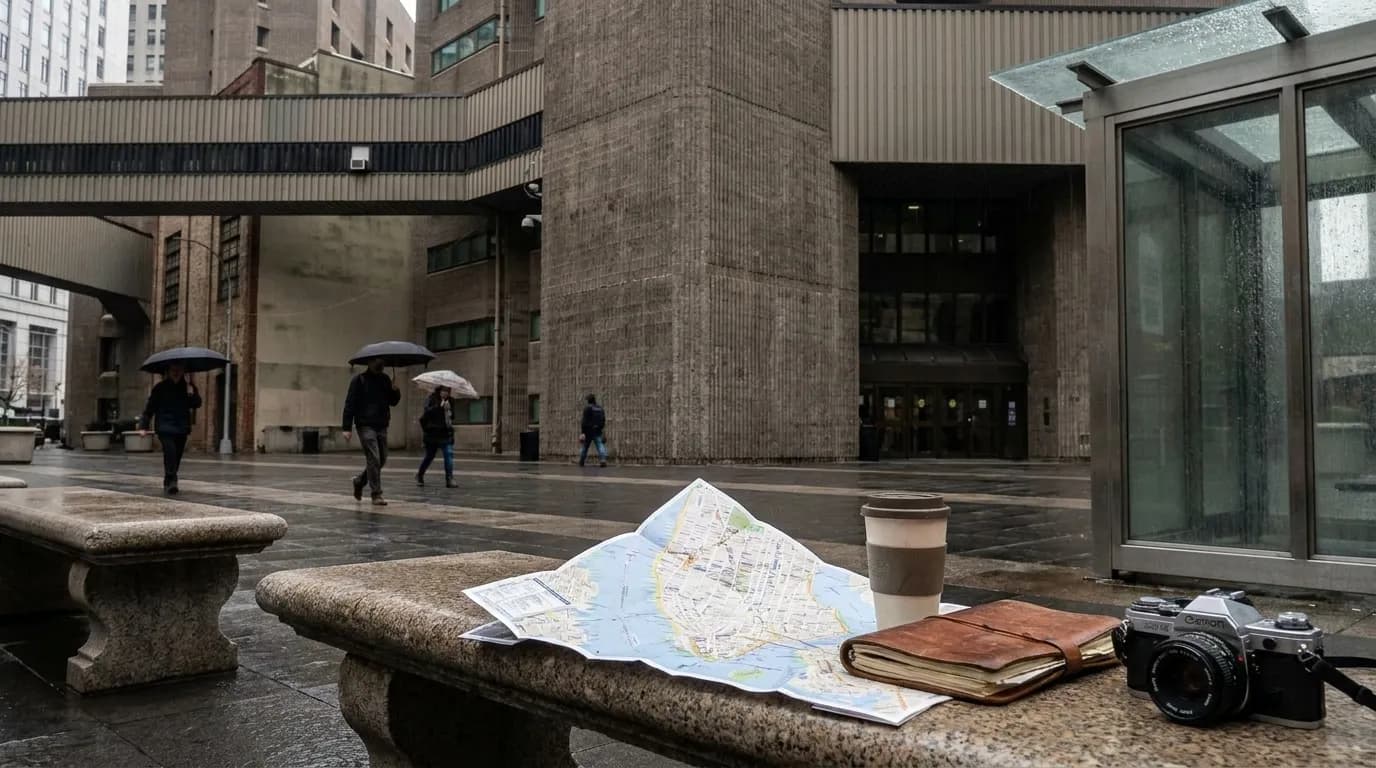
While "The New York Times" often brings global events into focus, its own history is deeply intertwined with New York City's urban fabric. This guide offers a self-paced walking tour through downtown Manhattan, highlighting civic architecture and public spaces that shape the city's narrative. This route is designed for those interested in New York's historical and architectural landscape, offering a perspective on how public buildings and open areas contribute to the city's identity. The itinerary navigates accessible routes, providing opportunities to observe significant structures and understand their role in the city's development. This exploration is a direct engagement with the city's physical history, distinct from any specific affiliation with the newspaper itself, but rather a response to the general public interest it generates.
Prepare for a journey through centuries of New York City's public life, from bustling financial districts to serene waterfront parks. Plan your visit to experience these iconic locations firsthand.

City Hall Park and the Civic Center
Begin your architectural exploration at City Hall Park, a historic public space surrounded by significant civic buildings. City Hall itself, completed in 1811, is a prime example of French Renaissance and Federal architectural styles. Its exterior showcases intricate details and serves as a focal point for the surrounding administrative structures.
Adjacent to City Hall, the Manhattan Municipal Building stands as one of the largest government buildings in the world. Completed in 1914, its Beaux-Arts design, crowned by a gilded statue of Civic Fame, reflects the era's ambition and grandeur. Observing its scale and ornamentation provides insight into early 20th-century urban planning.
This area, known as the Civic Center, is characterized by its concentration of government offices and courthouses. Walking through City Hall Park allows for contemplation of the city's administrative core, where decisions shaping New York's past and future have been made. The park itself offers green space amidst the dense urban environment, providing a moment of respite.
Federal Hall and the Financial District
Proceed south towards Federal Hall National Memorial on Wall Street. This site holds immense historical significance as the location where George Washington took the oath of office as the first U.S. President. The current structure, a Greek Revival building completed in 1842, replaced the original colonial edifice.
The architecture of Federal Hall, with its imposing columns and classical pediment, symbolizes democratic ideals and the early republic. Standing on its steps provides a vantage point for observing the bustling activity of the Financial District, a stark contrast to the historical solemnity of the building itself.
The surrounding streets of the Financial District are lined with a mix of historic and modern architecture, reflecting centuries of economic activity. While many buildings are private, their exteriors contribute to the district's distinctive character, showcasing various architectural trends from the turn of the 20th century to contemporary glass towers. Public plazas and streetscapes offer opportunities for observation.
Bowling Green and Battery Park
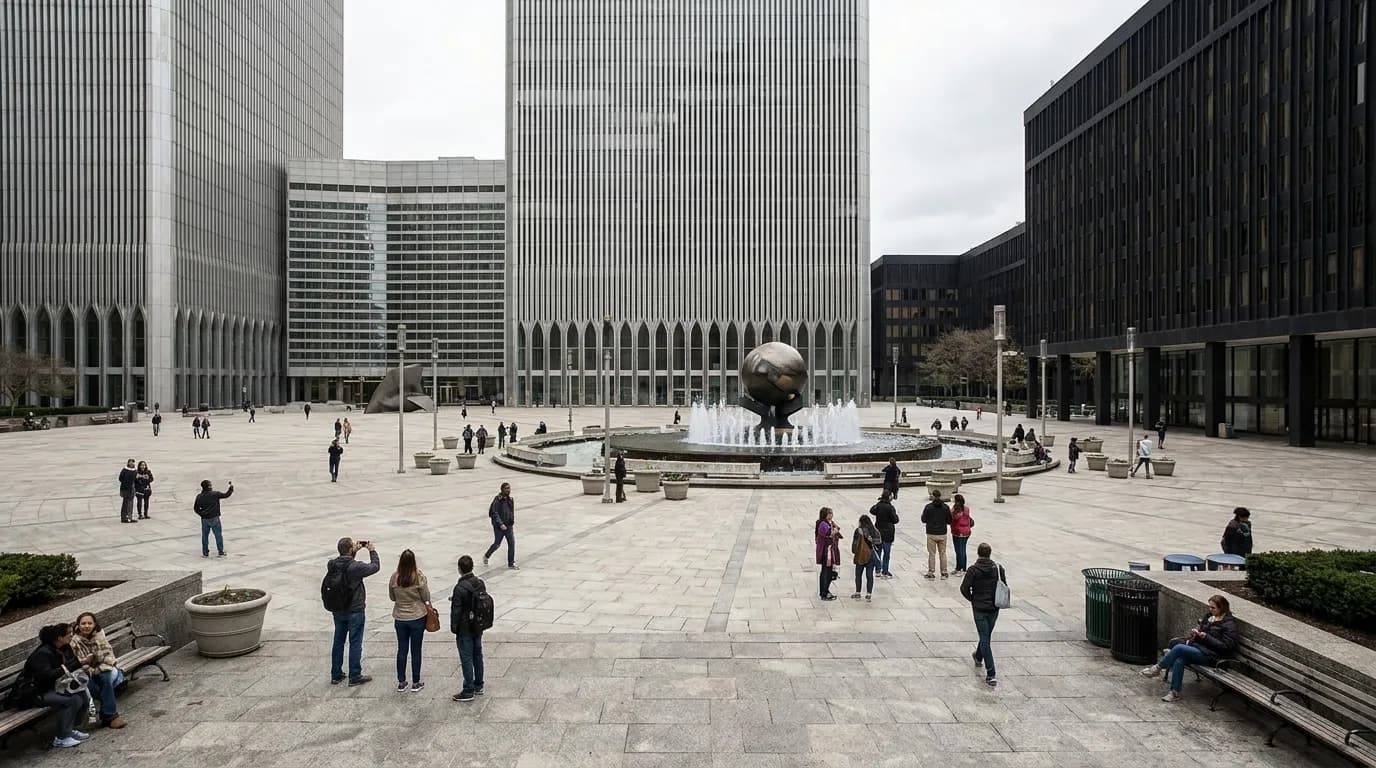
Continue south to Bowling Green, New York City's oldest public park. This small, oval-shaped park has been a public space since the Dutch colonial period and is notable for its iron fence, which dates back to 1771. It offers a glimpse into the city's earliest days as a settlement.
Just beyond Bowling Green lies Battery Park, a significant waterfront public space offering views of the New York Harbor, the Statue of Liberty, and Ellis Island. The park features various monuments and memorials, reflecting its role as a gateway for immigrants and a site of historical importance.
Battery Park's design integrates pathways, gardens, and open lawns, providing a vital recreational area for both residents and visitors. Its proximity to the water offers a different perspective on the city's relationship with its natural environment and its function as a port city. Public access allows for enjoyment of the harbor views.
The African Burial Ground National Monument
Head north from Battery Park, making your way to the African Burial Ground National Monument. This site preserves the remains of over 400 enslaved and free Africans buried during the 17th and 18th centuries. The memorial's design is a powerful testament to a significant, often overlooked, aspect of New York's history.
The monument's architecture and landscape design foster a contemplative atmosphere, encouraging reflection on the lives and contributions of those buried there. Its location within a modern urban environment underscores the layers of history present beneath the city's surface.
Visiting the African Burial Ground provides a crucial educational experience, highlighting the historical context of slavery in New York and the importance of preserving cultural heritage. The public space offers a quiet, respectful environment for learning and remembrance.
Foley Square and the Courts
Explore Foley Square, another significant civic space in downtown Manhattan. This square is surrounded by several prominent courthouses and government buildings, including the Thurgood Marshall United States Courthouse and the New York County Supreme Court.
The architectural styles around Foley Square range from Neoclassical to Art Deco, showcasing different periods of civic construction. These buildings, often grand in scale, reflect the authority and permanence of the legal system within the city's framework. The public plazas here offer vantage points for viewing these structures.
Foley Square serves as a hub for legal activity and public discourse. Its open layout provides a gathering place for demonstrations and public events, connecting the architectural grandeur with the dynamic life of the city. The area's design facilitates both official functions and public interaction.
Brooklyn Bridge Pedestrian Access
Conclude your tour with access to the Brooklyn Bridge pedestrian walkway, offering iconic views of the Manhattan skyline, the East River, and Brooklyn. The bridge itself, an engineering marvel completed in 1883, is a symbol of New York City's ingenuity and ambition. Its Gothic-inspired towers are instantly recognizable.
Walking across the Brooklyn Bridge provides a unique perspective on the city's urban landscape, allowing for observation of both historic and contemporary architecture from a distance. The pedestrian path is distinct from the vehicular lanes, ensuring a safe and scenic experience. This experience is a frequent highlight for visitors, and often featured in media, including in "The New York Times" itself.
The bridge connects two boroughs, serving as a functional piece of infrastructure while also being a major tourist attraction. Its design and construction represent a significant achievement in civic engineering, and the views from its walkway offer a memorable end to an architectural exploration of downtown New York City.
Practical notes
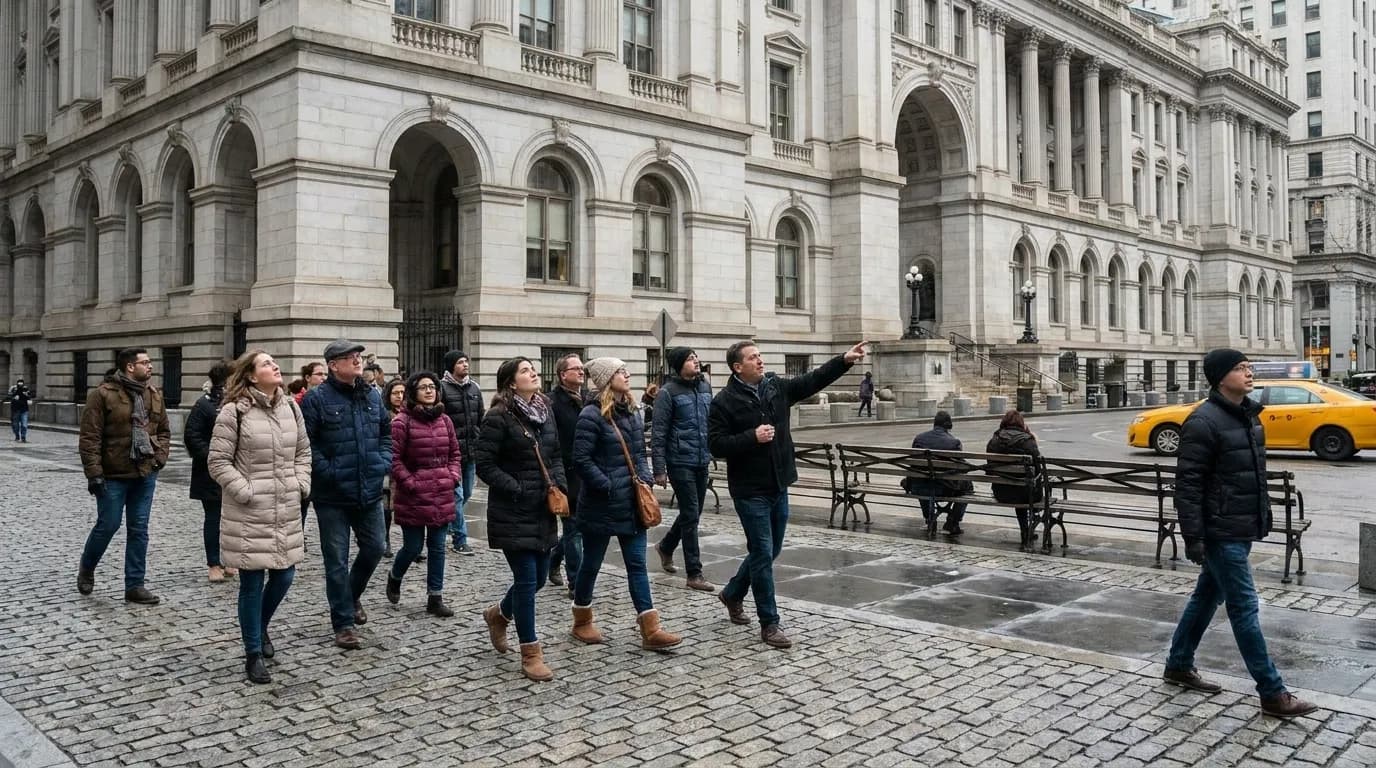
This walking tour covers approximately 3-4 miles, depending on detours and exploration time. Allocate 3-5 hours, excluding stops for meals or extended museum visits. Wear comfortable walking shoes. Public restrooms are limited; plan accordingly. The route is generally accessible, though some older sidewalks may present minor unevenness. Check MTA for subway service updates, as stations like City Hall (4/5/6) and Bowling Green (4/5) are key access points. Weather can impact comfort; check forecasts and dress in layers. While no specific venues are recommended, many public spaces offer benches for resting. Always verify opening hours for any specific buildings you wish to enter, as this guide focuses on exterior views and public access areas. This guide is suitable for all ages; however, adults must be 21+ to consume alcohol in New York State.
Tags: #NYCCivicArchitecture #DowntownNYC #ManhattanWalk #NYCArchitecture #PublicSpacesNYC #HistoricNYC #CityHallPark #FinancialDistrict #BatteryPark #BrooklynBridge #NYCExploration #UrbanHistory #SelfGuidedTour #NYCTourism
Sources consulted: NYC Landmarks · NYC Parks · MTA
All trademarks are the property of their respective owners.
Ask Karpo first
Have questions about other hidden gems or specific architectural styles in New York City? Karpo can help you plan your next urban exploration. Share your interests, and we'll guide you to more unique experiences.


