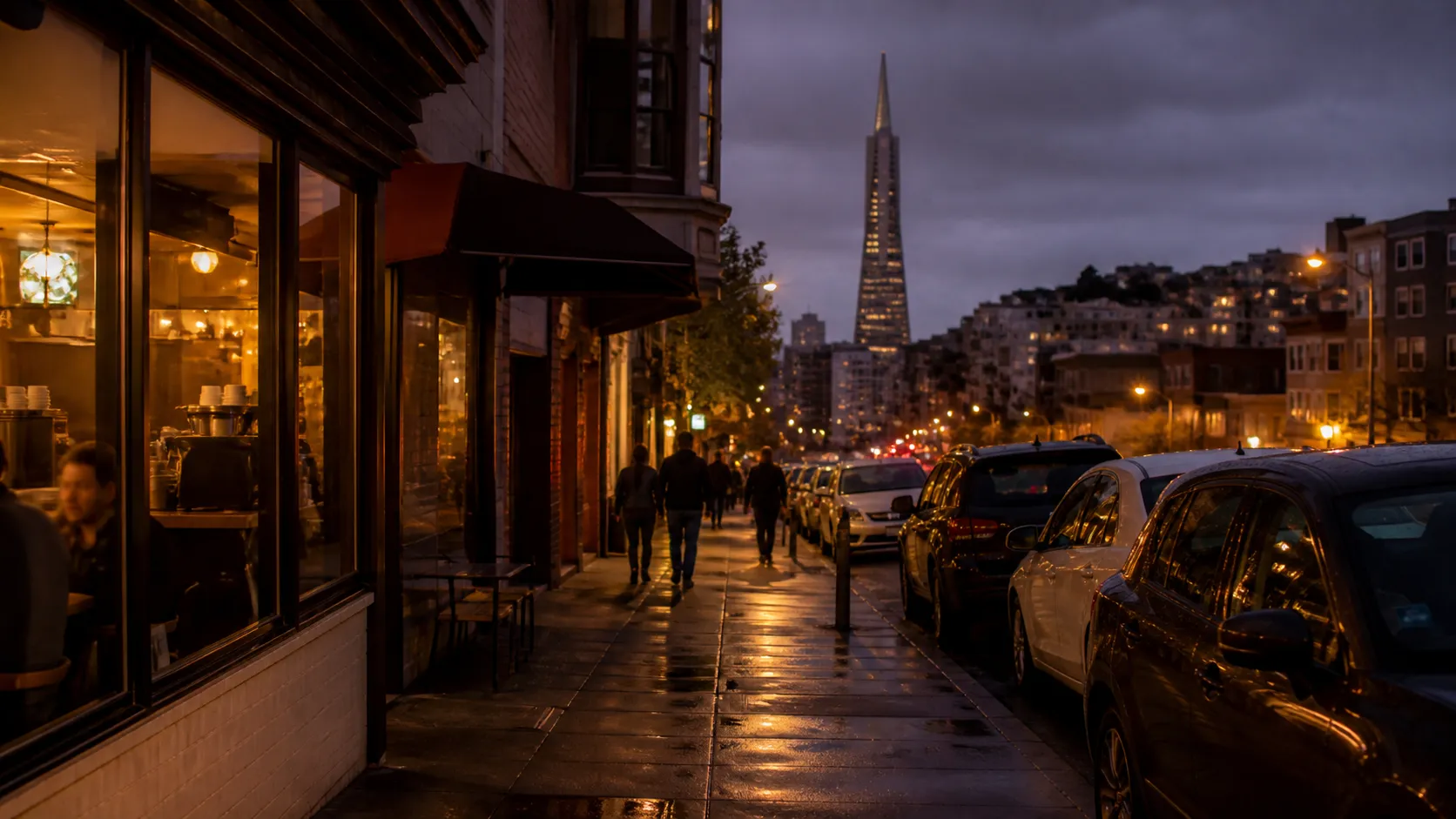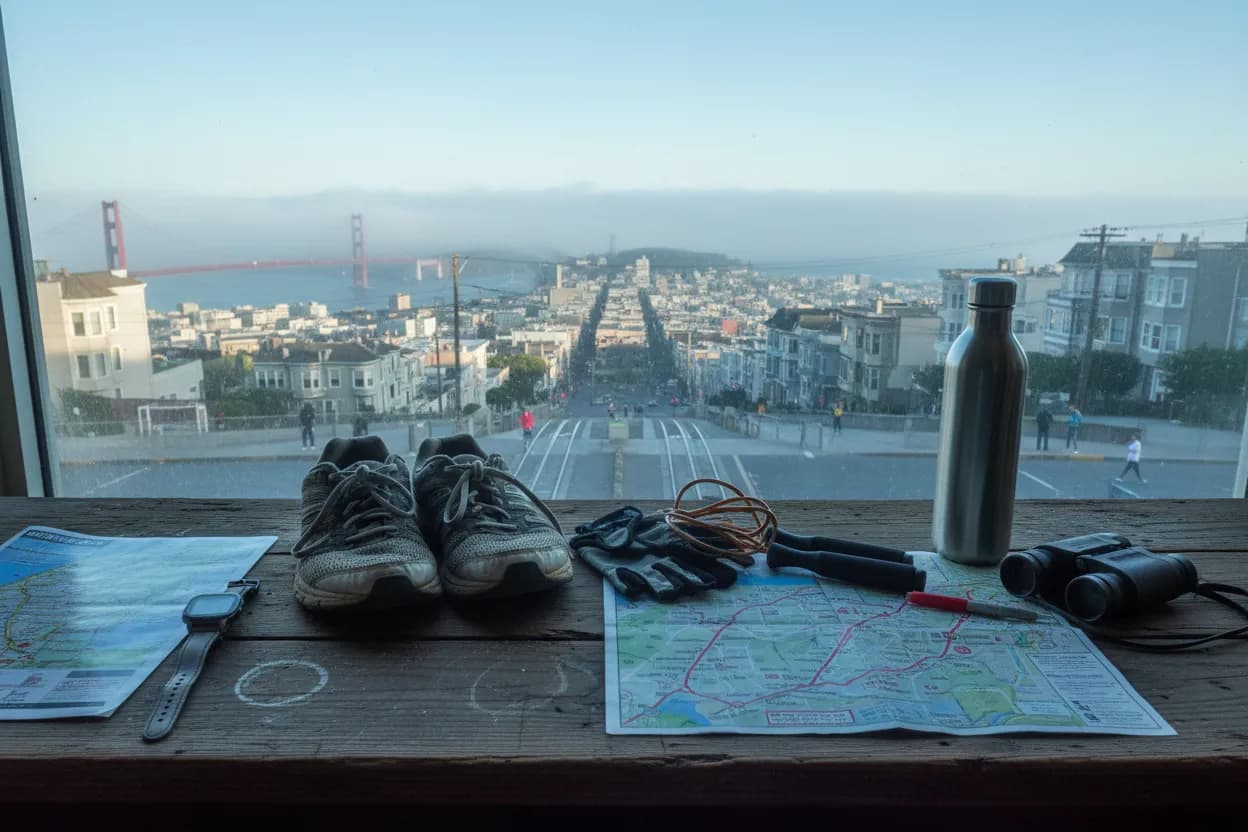
A smart San Francisco sports day should start with verification, not vibes. If the new york times has pushed more people into a sports conversation this week, use that attention as a reason to organize friends, not as proof that anything special is happening locally. The city rewards groups that check access, transit, timing, and backup options before committing. Treat this as a beginner-friendly route framework: pick whether your group wants to play, watch, or simply meet around sports culture; confirm the official venue or park information; run the trip through SFMTA; and keep a second plan ready. San Francisco can be easy to enjoy, but only if you assume details may change.
Want a quick sanity check before you gather the group? Text Karpo with your starting point, sport preference, time window, and backup tolerance, and ask for a verified public-route plan.

Turn the sports interest into a social plan
Start by separating the search hook from the actual local plan. The phrase the new york times may be why a friend dropped a link into the chat, but your San Francisco decision should come from official pages and real constraints: who is coming, how far they can walk, whether anyone needs accessible routing, and whether the group wants action or atmosphere.
Make the first version of the route simple enough to explain in one message. Use a three-part plan: meet near transit, do one sports activity or viewing stop, then move to an easy post-game or post-play hangout area that does not depend on private access. Avoid promising celebrity sightings, guaranteed crowds, or special events unless an official source confirms them.
For a beginner-friendly group, the win is not maximum intensity. It is reducing confusion. Name a meeting time, a decision deadline, and a backup choice. If someone joins late, they should still understand where the group is, what to bring, and how to leave without derailing everyone else.
Choose participation or spectating first
The most important fork is participation versus spectating. A participation plan might mean using a public recreation space, joining a casual activity, or choosing a low-pressure sport where equipment and skill gaps are manageable. Because official recreation details can change, check the relevant San Francisco Recreation and Park Department page before treating a court, field, or facility as available.
A spectating plan has different risks. You need to verify the official venue schedule, entry rules, seating or standing expectations, and transit impact before leaving. Do not rely on reposted calendars, screenshots, or social chatter. If the official page does not confirm an event, access condition, or timing, keep the language in the group chat conditional.
For mixed groups, choose the softer commitment. A short watch party at a public-facing venue or a casual skills session is easier than a rigid full-day itinerary. Beginners are more likely to return when the plan includes permission to observe, leave early, or switch to the backup without embarrassment.
Match the venue to the group energy
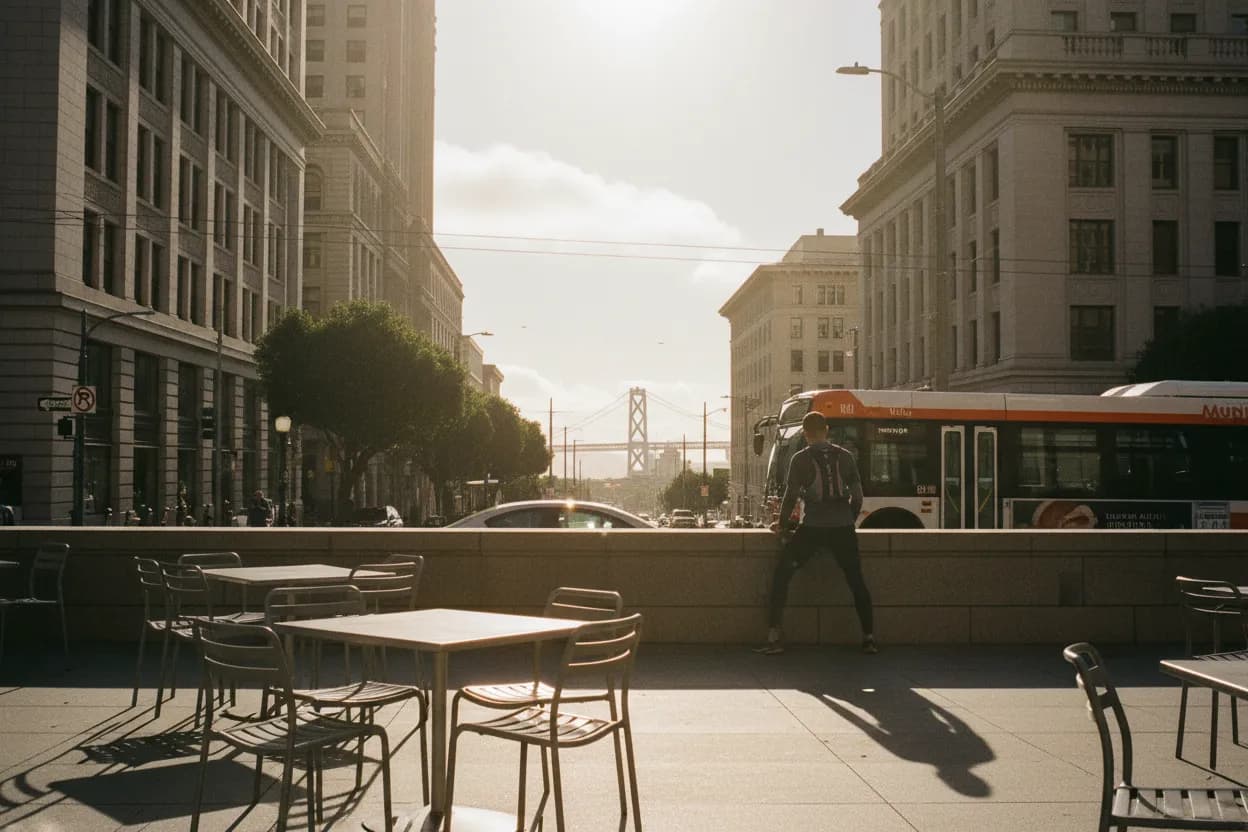
San Francisco sports-social planning works best when the venue matches the group’s social energy. A loud spectating environment suits people who want collective emotion. A public court, field, or open recreation setting suits people who want movement without a ticketed atmosphere. A transit-adjacent meeting point suits groups with different neighborhoods, schedules, or mobility needs.
Use official sources to narrow the choice instead of trying to prove the perfect spot from memory. SFMTA’s site directs riders to Muni routes and stops, visitor transportation options, travel maps, and a trip planner covering Muni, biking, walking, driving, and parking. That matters because a good venue on paper can become a bad group plan if the arrival path is unclear.
Crowd risk is not only about major events. A small space can feel crowded if the group arrives at a peak time, if nearby street activity changes circulation, or if transit delays compress arrivals. Build in a meeting buffer and choose a place where people can wait safely without blocking sidewalks or entrances.
Plan equipment seating and transit early
Before anyone leaves, write down the practical items: what equipment is needed, who is bringing it, whether seating is required, and what happens if the space is occupied. For public recreation, verify official access details and assume availability can change. For spectating, verify the official venue information rather than guessing about bags, seating, or entry procedures.
Transit planning should happen before the hype message goes out. SFMTA provides a Trip Planner and sections for Muni routes and stops, accessibility, travel maps, visitor transportation, biking, walking, driving, and parking. Use those tools to compare the easiest route for the least experienced person, not just the fastest route for the local who knows the city.
If your group includes people carrying gear, factor that into transfers and walking distance. If someone is driving, do not assume parking will be easy. SFMTA includes drive and park information, but conditions can change, so the safer approach is to give both a transit route and a driving check rather than forcing one mode on everyone.
Keep beginners from feeling stranded
A beginner-friendly sports route needs an exit plan. Share the nearest transit option, the expected end point, and the backup meeting place in the first message. If the activity is more intense than expected, a newcomer should be able to switch from playing to watching without feeling like they failed the group.
Use plain labels in the plan: meet, verify, play or watch, regroup, backup. Avoid insider shorthand, neighborhood assumptions, or vague instructions like “just meet near the stop.” SFMTA’s public tools are useful because they let people check routes and stops themselves, including by Muni, walking, biking, driving, and parking.
Also set a communication rule. If the official schedule changes, a route alert appears, or the venue page does not support the original plan, one person sends the update and the group moves to the backup. That keeps the day social instead of turning it into six separate arguments in a chat thread.
Verify schedules before leaving
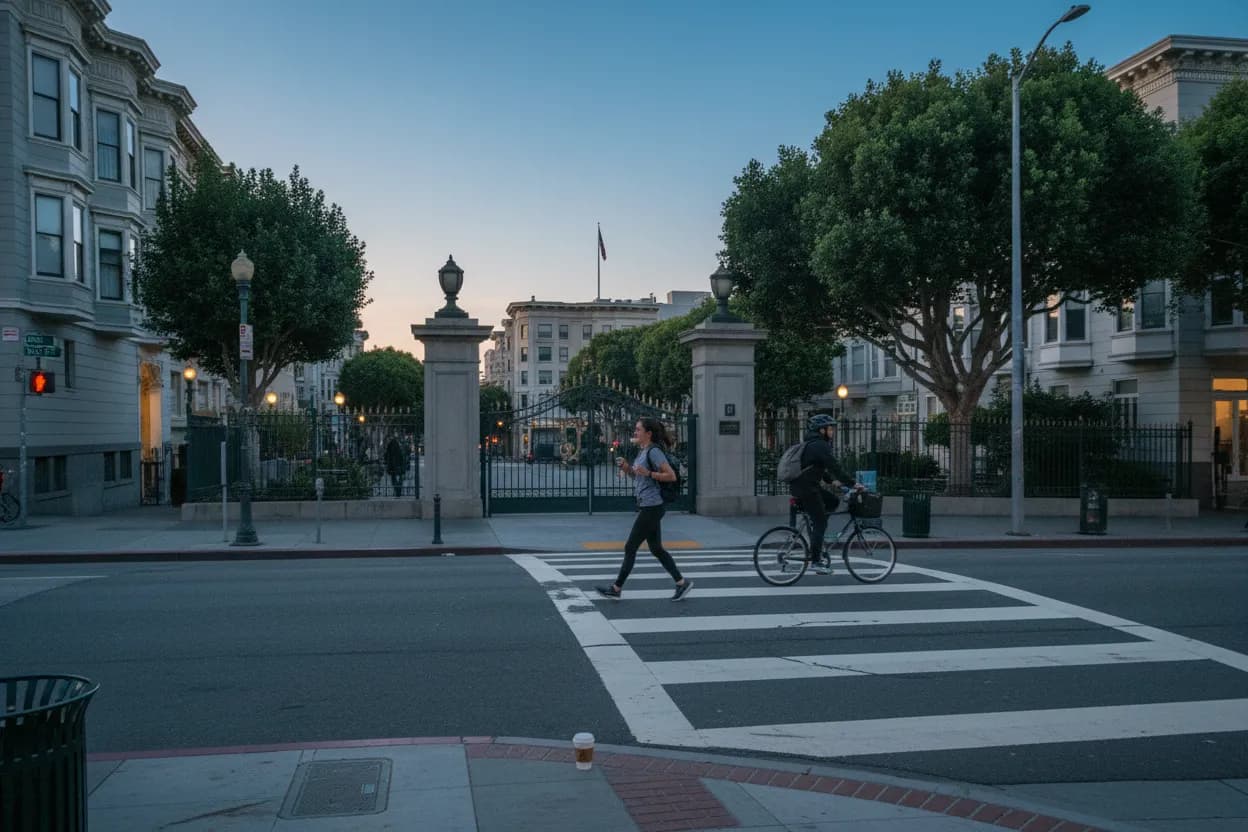
Make the final check on the day of the outing. SFMTA’s homepage displays alerts, travel and transit updates, meetings, service news, and service-change notices. On Tuesday, August 11, 2026, the site also points users toward current travel updates and notes that Muni service changes start August 29, which is exactly why same-day verification matters.
For recreation spaces, use the official San Francisco Recreation and Park Department site and verify any changing details before treating a location as open, reserved, or suitable. If a page does not load or information is unclear, do not fill the gap with guesses. Move to the backup or choose a lower-risk public meeting plan.
Your final group message should be short: confirmed source, route option, arrival window, what to bring, crowd-risk note, and backup. That is the difference between chasing a trend and running a useful San Francisco sports-social day. The city is better when the plan is public, flexible, and honest about uncertainty.
Tags: #AskKarpo #BeforeYouGo #SanFrancisco #SFSports #SportsSocial #Muni #SFMTA #PublicTransit #CityGuide #LocalLife #BeginnerFriendly #TransitPlan #CrowdCheck #BackupPlan
Sources consulted: sftravel.com · sfmta.com · sfrecpark.org
All trademarks are the property of their respective owners.
Ask Karpo first
Ask Karpo first before you turn a sports idea into a group outing. Share your start point, time window, preferred activity, mobility needs, and backup comfort level, and ask for a verification-first San Francisco route that keeps the plan public, practical, and change-ready.