You walk up Audubon Avenue on a June morning and the metal shutters tell a different story than they did in March. What started as one tribute—a green-eared foundling painted on a bodega gate—has multiplied into a full block of unsanctioned gallery work, each rolling door a canvas for artists who showed up with spray cans and a shared reference point. The Mandalorian's latest film dropped in February, and by summer the neighborhood turned a stretch of Washington Heights into an improvised exhibition space where Grogu's oversized eyes stare out from laundromat fronts and corner store security gates.
The Original That Started the Whole Thing
The first mural appeared on a shuttered storefront between 173rd and 174th, painted overnight by someone who left no signature but nailed the character's proportions. You can still see the original if you come before the bodega opens—the owner leaves it down until mid-morning because tourists started showing up with cameras. The paint has a matte finish that catches light differently than the newer pieces, and there's a deliberateness to the shading around the ears that the later tributes don't quite match. Locals will tell you it went up the weekend after opening night, that the artist used house paint mixed with acrylics because the texture holds better on corrugated metal. By the time the second mural appeared three blocks north, people were already stopping to photograph the first one, and the owner realized he had accidental foot traffic.
When the Laundromat Became a Landmark
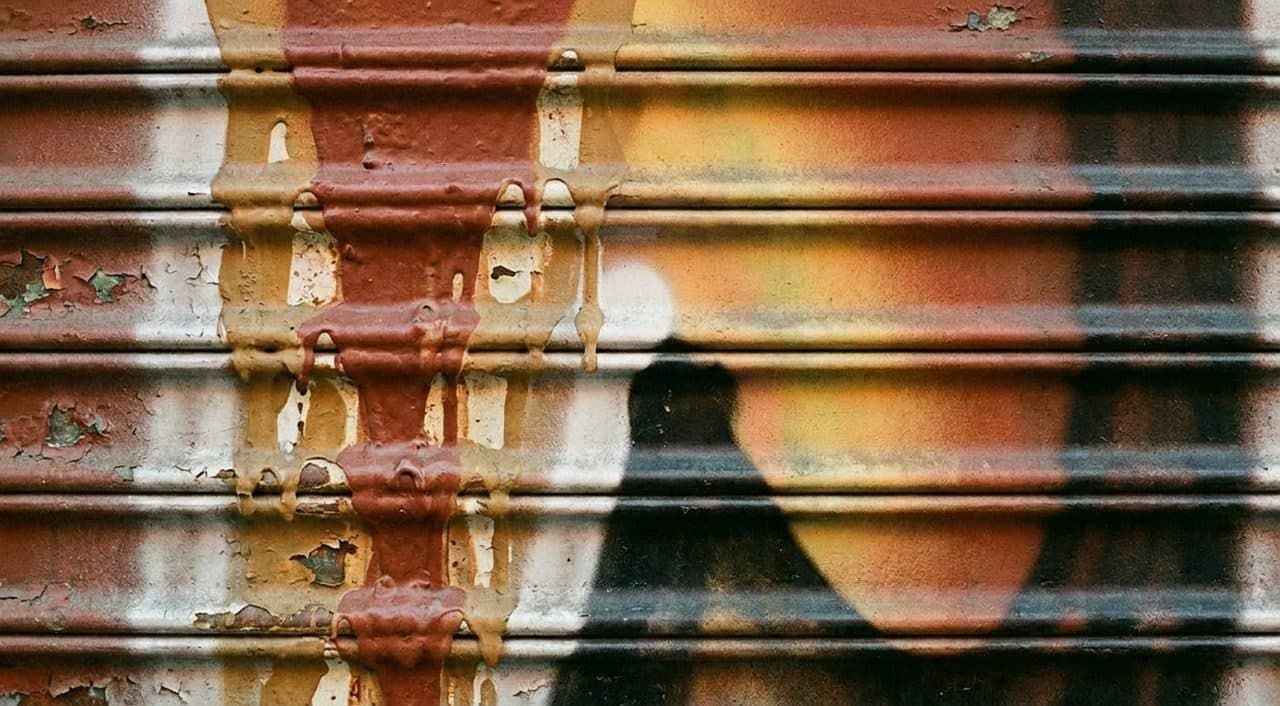
The laundromat on the west side of Audubon got the second treatment, and this one's different—Grogu rendered in a style that borrows from graffiti traditions, all sharp angles and exaggerated features, the kind of work that announces the artist knows their way around a spray can. You can smell the paint if you lean close, still faintly chemical even weeks later because the shutters get rolled up and down twice daily and the friction keeps the scent alive. The owner initially threatened to paint over it, then watched as people started doing their laundry specifically at this location, waiting for machines while taking selfies with the mural behind them. Now she rolls the gate down an hour before closing so the evening light hits it properly, and she's mentioned to regulars that her son wants to commission a second piece on the side wall.
The Rolling Gallery Effect
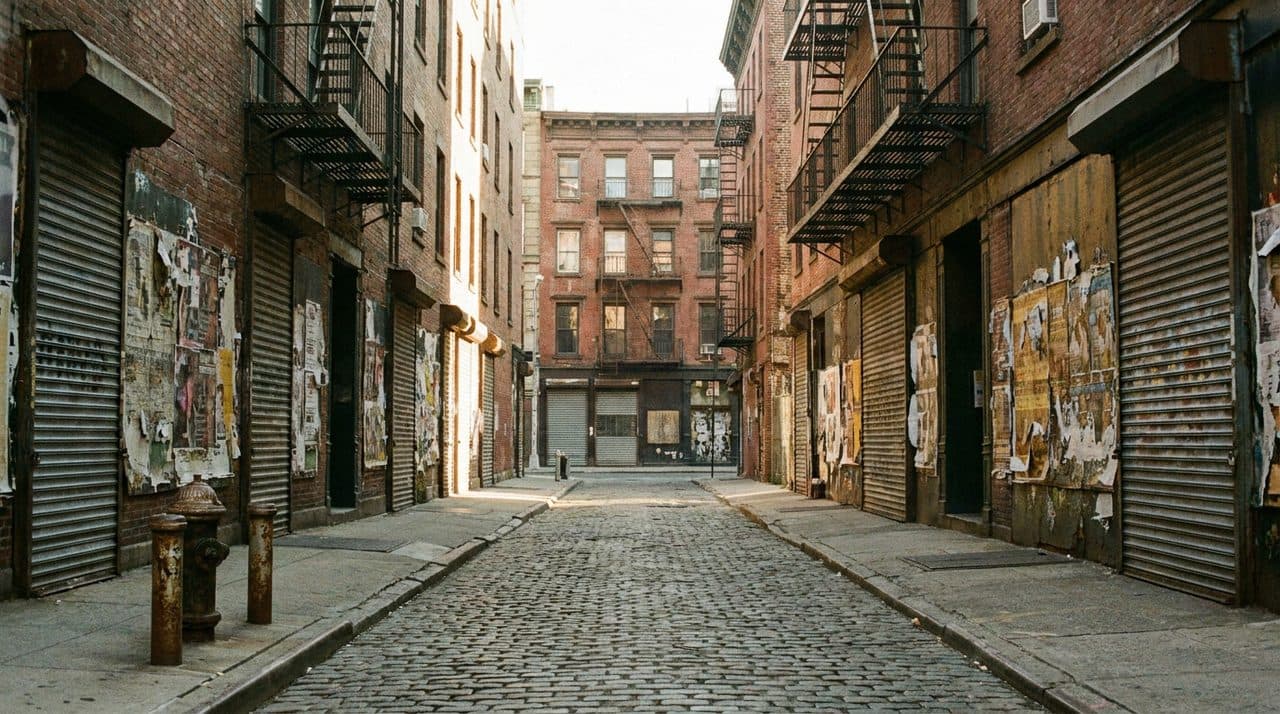
What makes this work as a walking route is the rhythm of discovery—you're not looking at a planned installation, you're catching pieces as they appear between functional storefronts. A pharmacy shutter shows Grogu holding a lightsaber, painted by someone with a steadier hand than artistic training. A shuttered restaurant two blocks up has a version that incorporates Dominican flag colors into the background, turning the character into a neighborhood claim rather than just fan art. You walk this stretch in the early evening and the metal is still warm from the afternoon sun, the paint slightly tacky in the humidity, and you realize the murals only exist in this liminal state—present when businesses close, erased by daylight and commerce. The temporality is the point. You're seeing art that lives in the margins of the workday.
Where the Technique Shifts
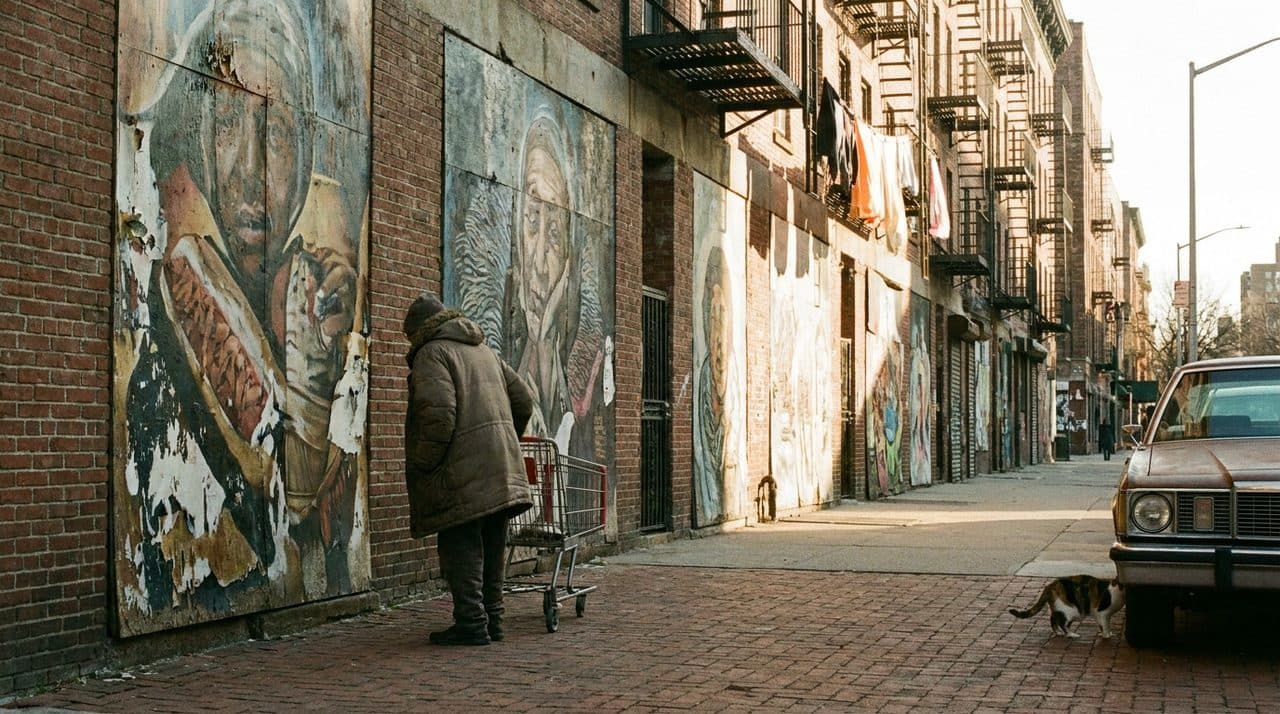
Past 176th Street the style changes noticeably. Someone with formal training got involved, and you can tell by the way light and shadow work on the character's face, the subtle gradations that suggest an understanding of form beyond cartoon reproduction. This artist—or artists, because the technique varies slightly between pieces—uses stencils for the fine details, and if you look closely at the edges you can see where tape was pulled away, leaving clean lines that contrast with the looser, more gestural work on earlier shutters. The neighborhood's art students from the community college apparently claimed this section, turning it into a showcase for different approaches to the same subject. One shutter has Grogu rendered in a woodcut style, all stark blacks and whites. Another uses pointillism, thousands of tiny dots that resolve into the character's face only when you step back to the opposite curb.
The Regulars Who Guard the Route
You'll notice the same people hanging around certain corners, not quite security but definitely watching. They're the ones who were here when the first mural went up, who know which artists painted which pieces, who'll tell you about the one that got buffed by the city after a noise complaint from a tenant upstairs. An older man sits on a folding chair outside the bodega most afternoons, and he's appointed himself unofficial historian of the project, explaining to anyone who asks that the murals represent something about how the neighborhood absorbs culture—not just consuming it but remaking it, putting a local stamp on a global phenomenon. He'll point out details you'd miss: the tiny signatures hidden in the folds of Grogu's robe, the dates spray-painted in corners, the way certain artists came back to touch up their work after rain damage.
The Side Streets Where It Gets Experimental
Wander the perpendicular blocks and you'll find the spillover pieces, the ones that didn't make the main route but show artists testing ideas. A parking garage gate has Grogu reimagined as a religious icon, complete with gilded halo. An abandoned storefront shows the character in profile, executed in a style that recalls 1980s subway graffiti, all wild letters and aggressive color choices. These feel less polished, more urgent, like the artists were working fast before someone stopped them. The metal here is older, rustier, and the paint sits differently on the oxidized surface, creating textures that weren't necessarily intended but add depth anyway. You catch the smell of Chinese takeout from a nearby restaurant mixing with the lingering paint fumes, and the sensory combination somehow fits—this collision of the everyday and the artistic, the functional and the decorative.
Practical Notes
The murals are visible year-round but best experienced late afternoon when businesses start closing and the shutters come down. Most pieces are concentrated along Audubon Avenue between the low 170s and high 170s, with spillover work on the side streets heading toward Broadway. The walk takes about forty minutes if you're stopping to look closely. Come on weekdays for fewer crowds—weekends bring families and tour groups who've seen this on social media. The neighborhood is accessible via the 1 train, and you're walking distance from multiple spots for Dominican food if you want to make an afternoon of it. No admission, no tickets, just a stretch of functional infrastructure that doubles as a gallery when the sun starts dropping. The murals exist in a legal gray area, so there's no guarantee what you see today will be there next month, which is part of the appeal—you're catching something temporary, something that exists because artists decided it should.
Tags: #StreetArt #WashingtonHeights #NYCMurals #TheMandalorianArt #GroguMurals #UnsanctionedArt #UrbanGallery #UpTownNYC #PublicArt #NiceButFree #HiddenNYC #NeighborhoodArt #ManhattanStreetArt #FanArtIRL #WalkingTour
Sources consulted: timeout.com · ny.curbed.com · nycgovparks.org
All trademarks are the property of their respective owners.