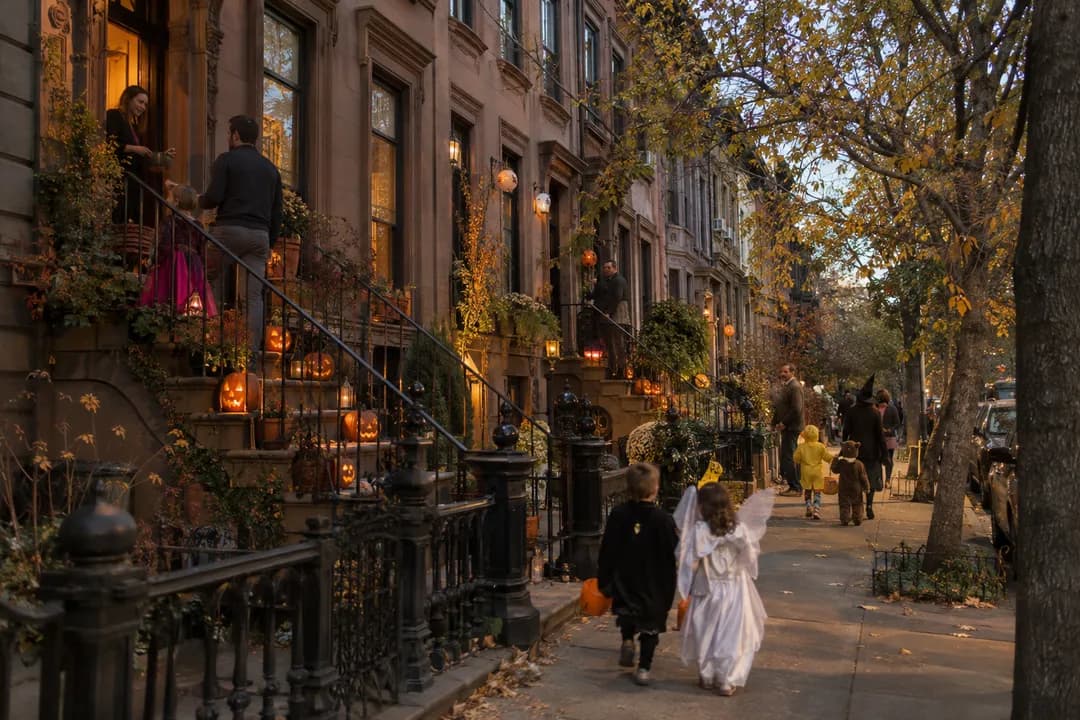
 Best Trick or Treating Neighborhoods Near Me: Park Slope
Neighborhood Guides
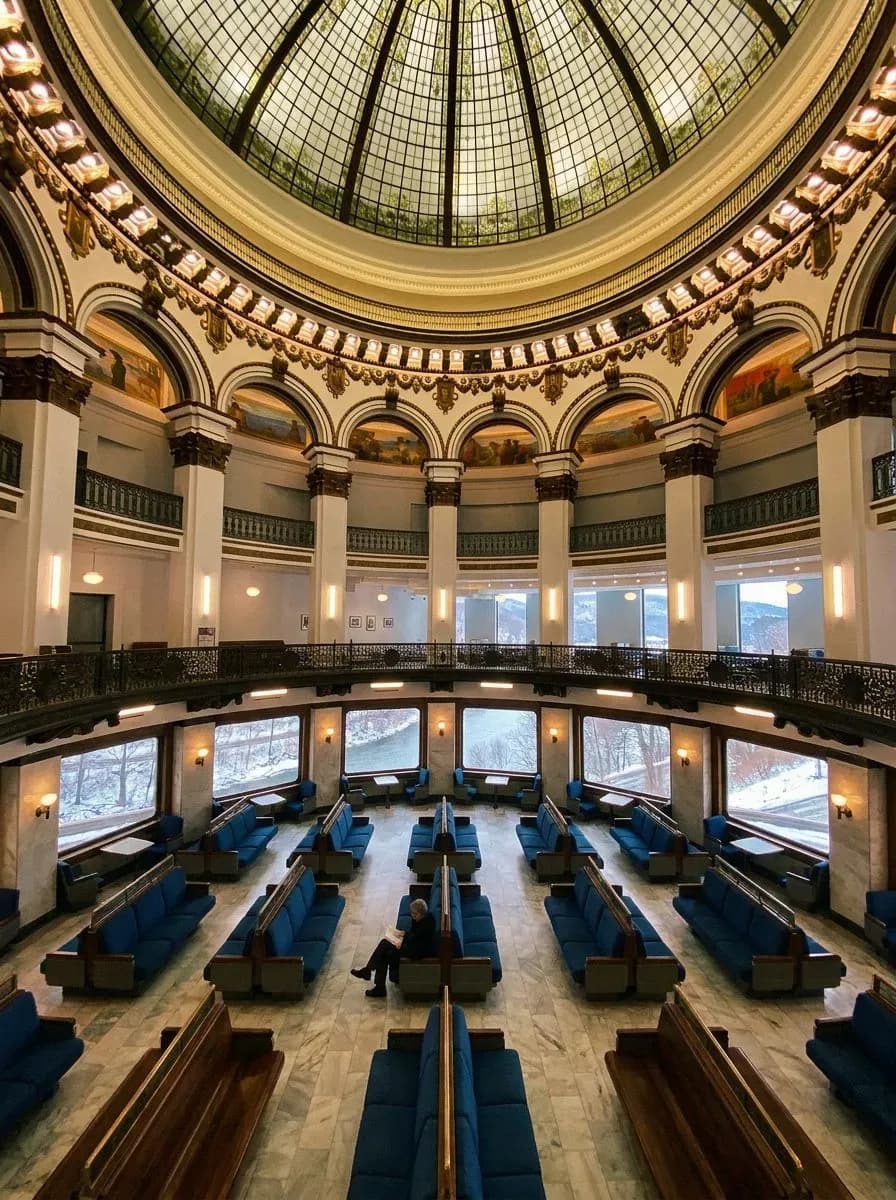
the metro-north harlem line's eastern-bank views when the hudson freezes
Why the less-celebrated Harlem Line out of Grand Central rewards winter travel devotees with frozen reservoir vistas, near-empty quiet cars, and the particular pleasure of choosing the route nobody talks about.
There's a train that leaves Grand Central most weekday mornings that almost nobody takes unless they absolutely have to. Not the Hudson Line with its famous river views and weekend escapists bound for Cold Spring, but its quieter sibling: the Harlem Line, which peels east through the Bronx and trades postcard scenery for something more private. By late winter 2026, when the reservoirs freeze and the platform crowds thin, it becomes exactly what a certain kind of traveler wants—a route chosen not because it gets you somewhere faster or more beautifully, but because the journey itself is the point, and nobody else seems to have noticed.
The fork nobody romanticizes
The Harlem Line and Hudson Line split in the Bronx near Yankees–East 153rd Street, with the Harlem Line heading east and the Hudson Line following the river. The Harlem trains swing onto the eastern tracks and skip the riverside route entirely, heading instead toward a string of small towns and frozen water that won't make anyone's Instagram grid. There's no dramatic shift, no announcement. One moment you're in the tunnel, the next you're committed to the less-storied path.
It's this quiet divergence that makes the line feel like a secret kept in plain sight. The Hudson Line gets the prose, the weekend guides, the couples with hiking boots. The Harlem Line gets commuters on autopilot and the occasional rider who's figured out that sometimes the better route is the one that doesn't try so hard.
Mid-morning departures and the math of solitude
Timing matters. Weekday mid-morning trains after ten a.m. are significantly emptier than peak-hour service, often with entire cars holding fewer than five passengers. It's not just less crowded—it's a different category of quiet. The kind where you can hear the rails underneath and the conductor's footsteps three cars away. The quiet car becomes redundant because every car is quiet, but you choose it anyway for the principle of the thing.
This is when the Harlem Line stops being transportation and becomes something closer to a private viewing box for winter light. You're not on your way to a meeting or racing a deadline. You're simply going, and the train is cooperating by refusing to perform. No Hudson River drama, no cliffside theatrics. Just the slow scroll of frozen water through bare trees and the occasional platform where the train barely stops long enough to matter.
Reservoir vistas and the architecture of pause
The reservoirs flash between trees like secrets the landscape is half-willing to share. They're not grand—no sweeping panoramas, no overlooks marked on maps. Just sudden glimpses of flat white ice, dark water at the edges, and the skeletal silhouettes of shoreline trees. It's modest beauty, the kind that rewards patience rather than demands attention.
By late winter, when the freeze is complete, the light does strange things across the surface. Early afternoon sun turns the ice a pale gold. Overcast days render it pewter. The train curves just enough that you'll catch a reservoir from three different angles before it disappears, each view slightly better than the last, then gone. No photo will capture it properly, which is perhaps the point.
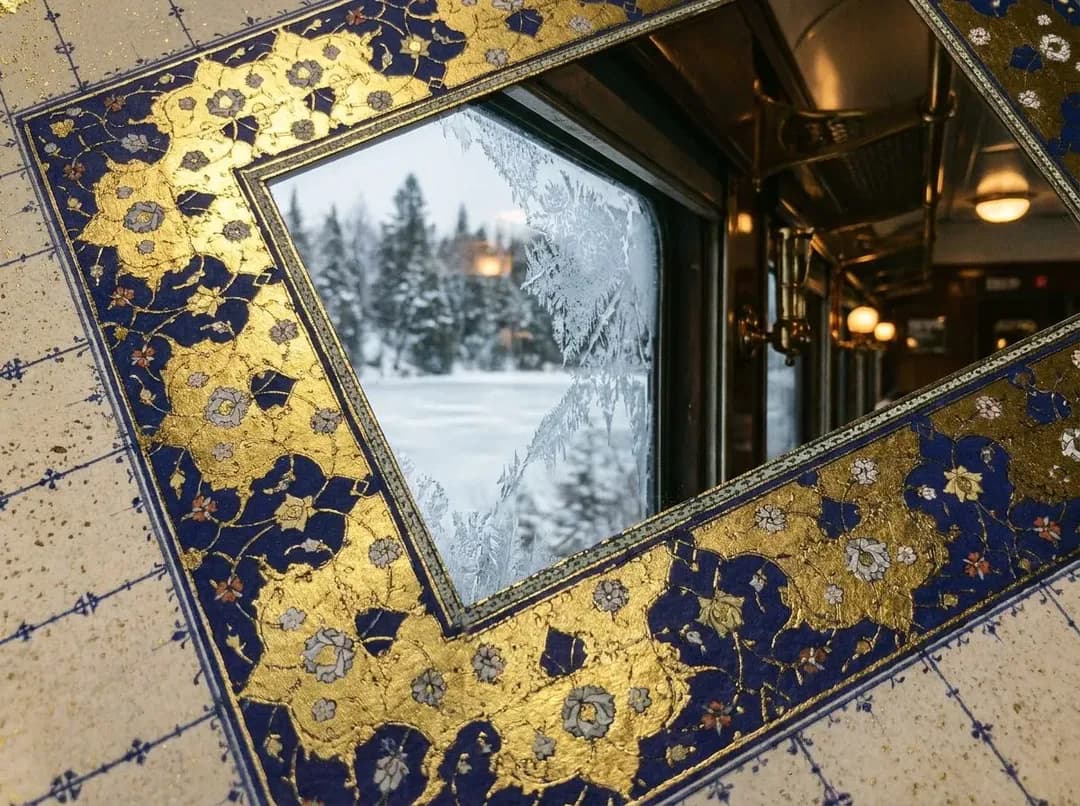
Victorian canopies and stations time forgot
The small stations along the Harlem Line carry an understated charm—Victorian canopies with decorative ironwork, wooden benches weathered to silver, platform edges where snow collects in neat drifts. Places like Goldens Bridge or Purdy's barely register as stops. The train pauses, the doors open to empty platforms, and you're moving again before you've fully registered arrival. It's train travel as meditation, each station a breath held and released.
There's no bustle here, no coffee cart or rushing crowd. Just the architecture of pause—shelters built when trains mattered differently, now serving a trickle of passengers who prefer the margin to the main route. The canopies frame the winter sky beautifully, their fretwork casting shadows on snow that nobody photographs because nobody thinks to.
The economics of the long way home
Off-peak one-way fares vary by destination and zone from Grand Central—a modest investment for two hours of solitude and scenery that doesn't shout. You're not buying a destination so much as buying time structured by someone else's schedule, which is oddly freeing. The train leaves when it leaves. You arrive when you arrive. Everything in between belongs to you.
Some riders treat these mid-distance stations as turnaround points, taking the next southbound train back into the city within the hour. It's a loop, a stolen afternoon, a excuse to stare out windows without the guilt of productivity. Others disembark for a walk through whichever small town the train has delivered them to, then catch a later return. The destination is negotiable. The departure is the point.
Why choose the route nobody talks about
The Harlem Line will never compete with its sibling for drama or fame, and that's precisely its appeal. It's the train for people who've done the Hudson Line, taken the requisite photos at Breakneck Ridge, and realized that sometimes the better experience is the one that doesn't come pre-celebrated. The eastern route offers the rare pleasure of opting out of the obvious, of choosing quiet over spectacle, of finding beauty in what gets overlooked.
Late winter is its season. The cold thins the crowds, the ice transforms the reservoirs, and the light slants through train windows at angles that make even empty stations feel composed. It's winter travel stripped of destination anxiety, just the journey and the odd satisfaction of being exactly where almost nobody else thought to go.
Practical notes
Metro-North Harlem Line trains depart from Grand Central Terminal, Park Avenue at 42nd Street, accessible via the 4/5/6/7/S subway lines. Weekday mid-morning departures after 10 a.m. offer the emptiest cars. Fares vary by destination; purchase tickets at vending machines in the terminal or via the MTA TrainTime app. Stations along the line have limited amenities—bring water, a book, and layers for variable train temperatures. Most trains and stations are accessible; verify specific accommodations on the MTA website. The quiet car is typically the first or second car behind the locomotive; look for posted signage.
Tags: #TheLongWayHome #HarlemLine #MetroNorth #GrandCentral #WinterTravel #NYCTrains #HudsonValley #QuietCar #TrainTravel #SlowTravel #ReservoirViews #NYCEscapes #MidweekGetaway #OffPeakTravel #WinterInNewYork
All trademarks are the property of their respective owners.
Ask Karpo for more information.
Keep reading
- Best Trick or Treating Neighborhoods Near Me: Park Slope
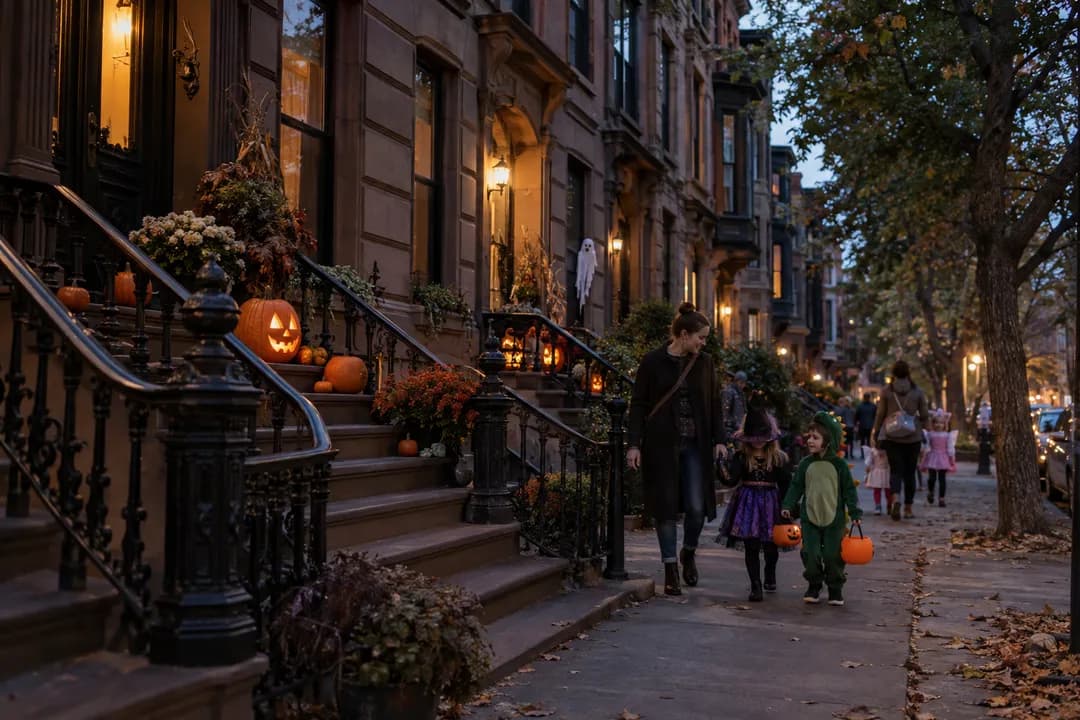 Best Trick or Treating Neighborhoods Near Me: Carroll Gardens
 Best Trick or Treating Neighborhoods Near Me: West Village