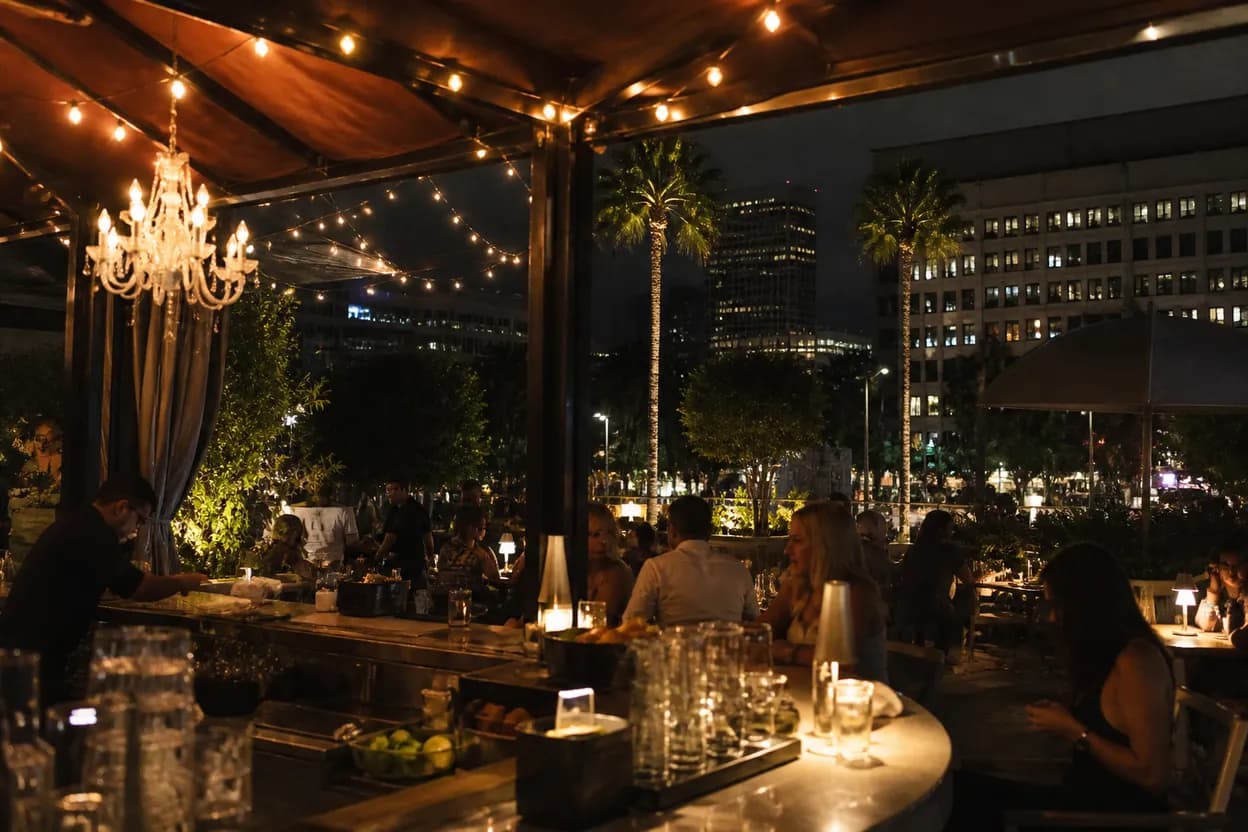
Los Angeles group dining can go sideways fast when the plan starts with hype instead of verification. If someone in the chat is talking about the last house, treat it as a conversation hook, not a promise that anything connected to it is happening in Los Angeles. The better move is to turn that attention into a workable dinner plan: pick a room that fits the group, check public information before you travel, use Metro tools if transit is part of the night, and keep a second choice close enough that a long wait does not become the whole evening. LA’s official tourism guide describes the city’s dining scene as ranging from street food to Michelin-starred restaurants, with global cuisines, modern dining rooms, and casual oceanfront patios, so the real task is narrowing the field responsibly.
Want a second set of eyes before your group commits? Text Karpo with the neighborhood, headcount, mobility needs, and timing, and ask for a verification-first dinner plan.

Use the trend as a dinner conversation hook
A phrase can be useful without being treated as evidence. If the last house is why your group suddenly wants to meet tonight, keep it in the low-stakes category: a topic for the table, not the basis for choosing a restaurant. Do not assume a local appearance, affiliation, private access, pop-up, screening, celebrity stop, or brand event unless an official public source for that specific venue or organizer says so.
That skepticism matters in Los Angeles because attention moves faster than logistics. A group meal needs more than a viral reference. It needs a realistic arrival window, an address everyone can reach, a way to handle late arrivals, and a clear answer to whether the place is built for lingering or for quick turnover. The trend can open the chat; it should not run the itinerary.
Use the phrase as your icebreaker, then pivot to verifiable decisions. Ask the group for the actual constraints: how many people, whether anyone needs step-free access or quieter seating, whether the meal is casual or reservation-driven, and whether transit or rideshare is the default. That turns a vague “Where should we go?” thread into a plan you can check.
Choose the room before choosing the menu
For groups, the room often matters more than the most photogenic dish. LA Tourism’s official dining overview points to a wide range of formats, from street food to Michelin-starred restaurants, along with sleek dining rooms and casual oceanfront patios. Those categories behave differently. A polished room may require tighter timing. A casual patio may be easier socially but more exposed to weather, crowds, or noise. A quick-service stop may be flexible but harder for a large group to sit together.
Before debating cuisine, decide what kind of evening the group can actually handle. If the group includes coworkers, out-of-town family, or friends who have not met, prioritize a place where conversation is possible and seating expectations are clear. If the group is celebrating, verify whether the restaurant’s official site or reservation channel describes large-party options. If it does not, do not assume the staff can absorb the headcount at peak time.
Also separate “recommended” from “available.” The official Discover Los Angeles restaurant pages include guides on group dining, iconic dishes, vegan brunches, tacos, KBBQ, family-friendly dining, and neighborhood eating. Those guides can help you shortlist, but the final decision should still be checked against the restaurant’s current public information. A city guide is a starting point, not a live seating guarantee.
Match the market or hall to the group
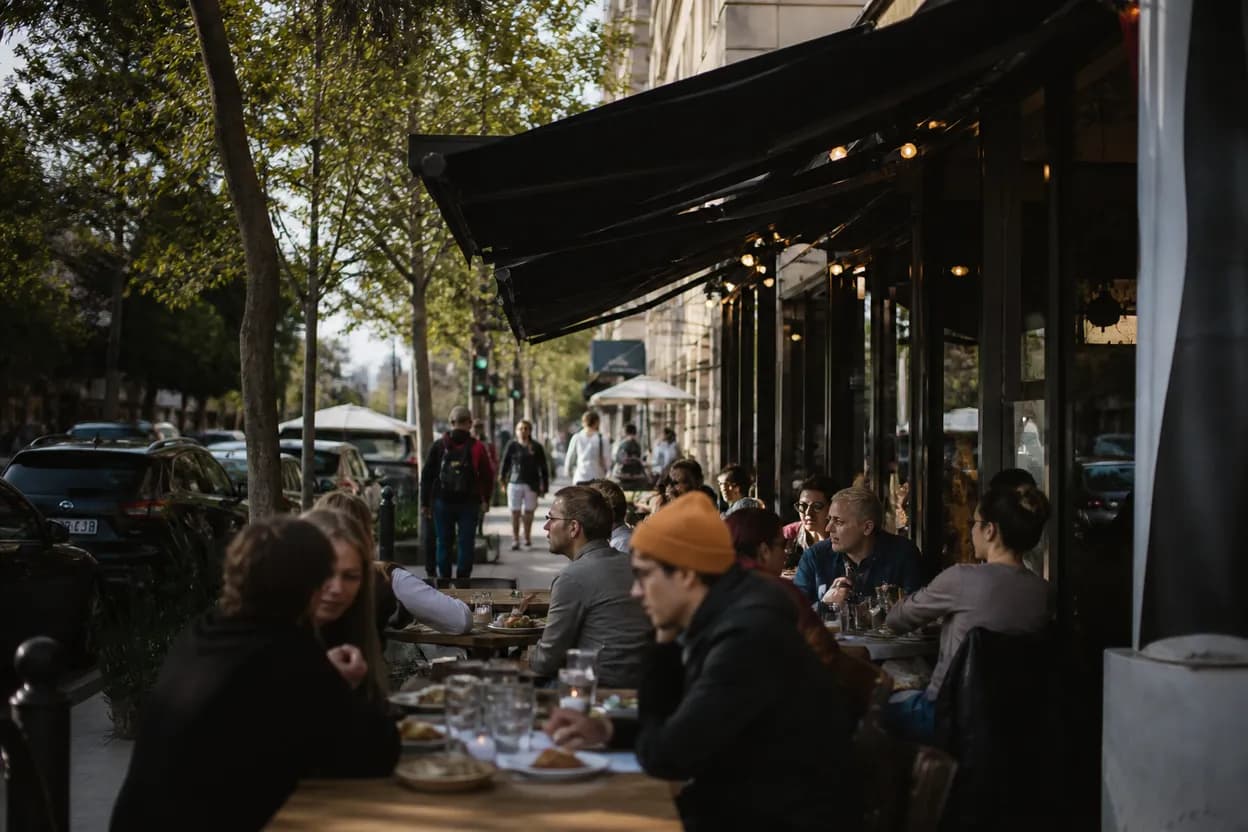
A market or food hall can be a smart compromise when one person wants tacos, another wants dessert, and someone else is not sure what they can eat until they arrive. The advantage is choice. The risk is coordination. Groups split up, tables fill, and vendor hours may not match the building’s general hours. Treat the format as flexible, not effortless.
Set rules before arrival. Choose one meeting point, one first ordering window, and one time when everyone reconvenes. If anyone has dietary restrictions, mobility needs, or a tight schedule, check the official website for the specific location and vendors before leaving. Do not rely only on a social post, a map listing, or a memory from a previous visit, because food tenants and service windows can change.
For a citywide Los Angeles plan, the best market or hall is not simply the buzziest one. It is the one your group can reach, navigate, and exit without drama. If half the group is coming from the Westside and half from the Valley or Downtown, the “best” choice may be the place that reduces total friction rather than the place with the longest online line.
Keep the first stop easy to reach
Access is part of the meal. Metro’s official site directs riders to arrivals, a trip planner, alerts, maps and schedules, and the official LA Metro app for real-time arrivals, step-by-step directions, and service alerts. If your group is using transit, check those tools close to departure, not just when the plan is made. A route that looked simple at lunch can feel different after work, during service changes, or when someone is already running late.
Metro also states that riders can pay fare with a credit or debit card in plastic or digital form by tapping on a bus or at train stations. That can simplify planning for visitors or mixed groups, but everyone should still verify current fare and service details on Metro’s official channels before travel. The point is not to memorize the system; it is to avoid discovering the basics on the sidewalk.
When selecting the first stop, favor clarity. A restaurant near a station, a well-known intersection, or a straightforward rideshare drop-off is easier than a hidden destination that requires several explanatory texts. If your group is large, tell everyone exactly where to meet outside before anyone goes in. The smoother the first five minutes are, the less pressure the restaurant has to solve your planning problem.
Save a nearby option for long waits
A backup is not pessimism; it is hospitality. In a city with a dining scene as broad as Los Angeles, there is usually another public option within reach, but that only helps if you choose it before the group is hungry and irritated. Pick a second place in the same area, not across town. A backup that requires a major relocation often becomes a second failed plan.
Define the trigger in advance. For example, if the quoted wait is longer than the group can tolerate, or if the seating setup does not work for the headcount, switch. Avoid arguing at the host stand. Make the backup part of the original plan so no one feels like the night has collapsed. The best group organizer is not the person who finds the flashiest table; it is the person who keeps the evening moving.
Do not promise the backup either. Verify its current public information before naming it in the group chat, and make clear that hours, capacity, and service style can change. If the second option is mainly for dessert, coffee, or a casual bite after dinner, say that. A backup works when expectations are modest and specific.
Verify vendor hours before leaving
The final check should happen the same day, as close to departure as practical. Confirm the address, posted hours, reservation status if applicable, large-party language, accessibility information if available, and any notices from the venue’s official page. If you are using a guide, article, or social recommendation, click through to the official source before the group starts moving.
Food safety is also part of verification. Los Angeles County Public Health’s Environmental Health division says its mission is to assess environmental conditions, reduce exposure to health risks, and educate the public so communities can protect themselves. Its official site includes food safety resources and guidance, inspection results, and recent consumer alerts. If someone in the group is concerned about a food business, inspection information should be checked through the county’s official channel rather than rumor.
For questions that need a direct public-health route, the Environmental Health page lists 1-888-700-9995 and Monday through Friday, 8:00am to 5:00pm. Because office hours, alerts, and online records can change, verify details on the official county page before relying on them. A few minutes of checking beats a night spent managing avoidable surprises.
Tags: #LosAngelesRestaurants #LAFood #GroupDining #DinnerPlans #RestaurantTips #LAMetro #FoodSafety #AskKarpo #BeforeYouGo #LosAngelesDining #LAEats #TravelSmart #CityGuide #Karpo
Sources consulted: discoverlosangeles.com · publichealth.lacounty.gov · metro.net
All trademarks are the property of their respective owners.
Ask Karpo first
Ask Karpo first before the group locks the plan. Send the neighborhood, party size, timing, transit preference, and any access or dietary concerns. Karpo can help you turn a buzzy prompt into a practical Los Angeles restaurant plan with official checks and a nearby backup.


