The Jackson Heights Tibetan Kitchen Where Every Momo Is Pleated to Order
A Red Awning and a Tibetan Flag
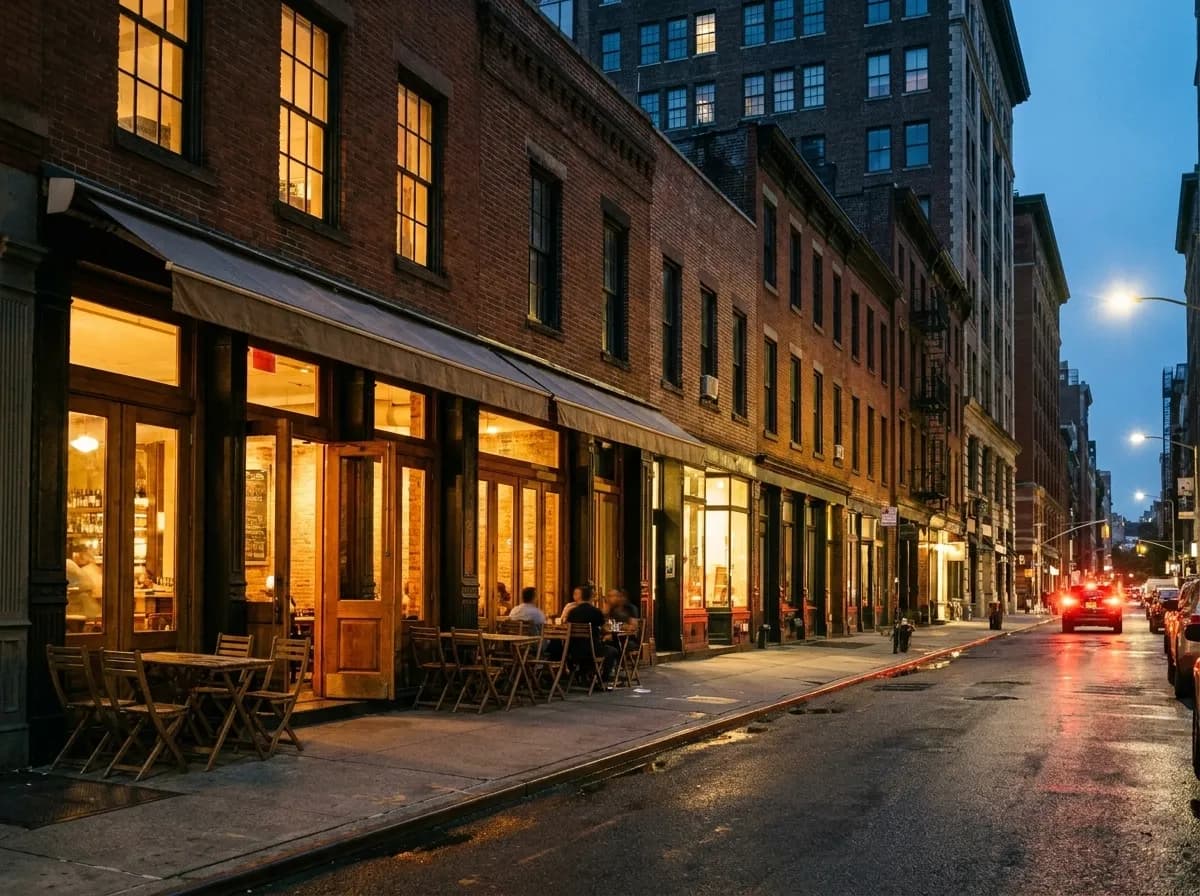
There's no name on the door. No neon sign flickering above the entrance, no chalkboard menu propped on the sidewalk to catch the attention of passersby. Just a small red awning, perhaps four feet wide, bearing the faded motif of a Tibetan flag—the snow lion and the radiating stripes of red and blue that most people walking down 74th Street won't recognize. The address circulates through the Jackson Heights Tibetan community via WhatsApp, shared in group chats and passed along in voice messages between friends. If you're not looking for it, you'll walk right past, your attention pulled instead toward the bright storefronts of the South Asian grocery stores or the ornate facade of the Hindu temple a few doors down.
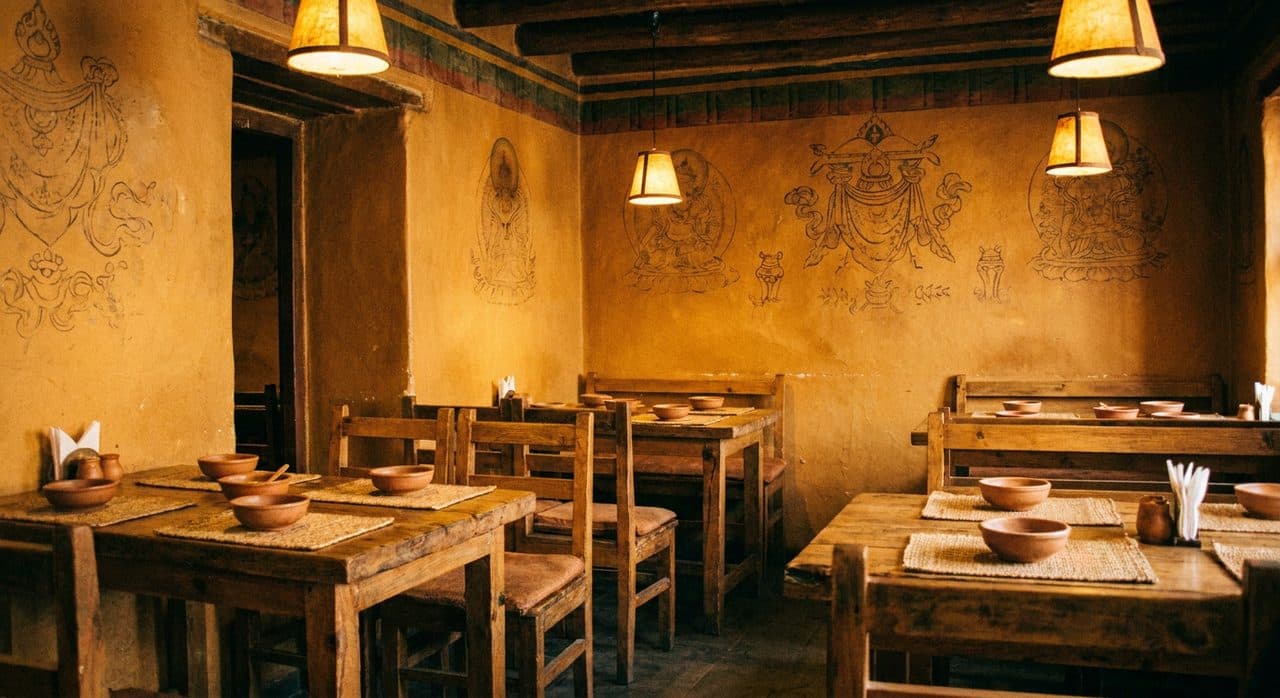
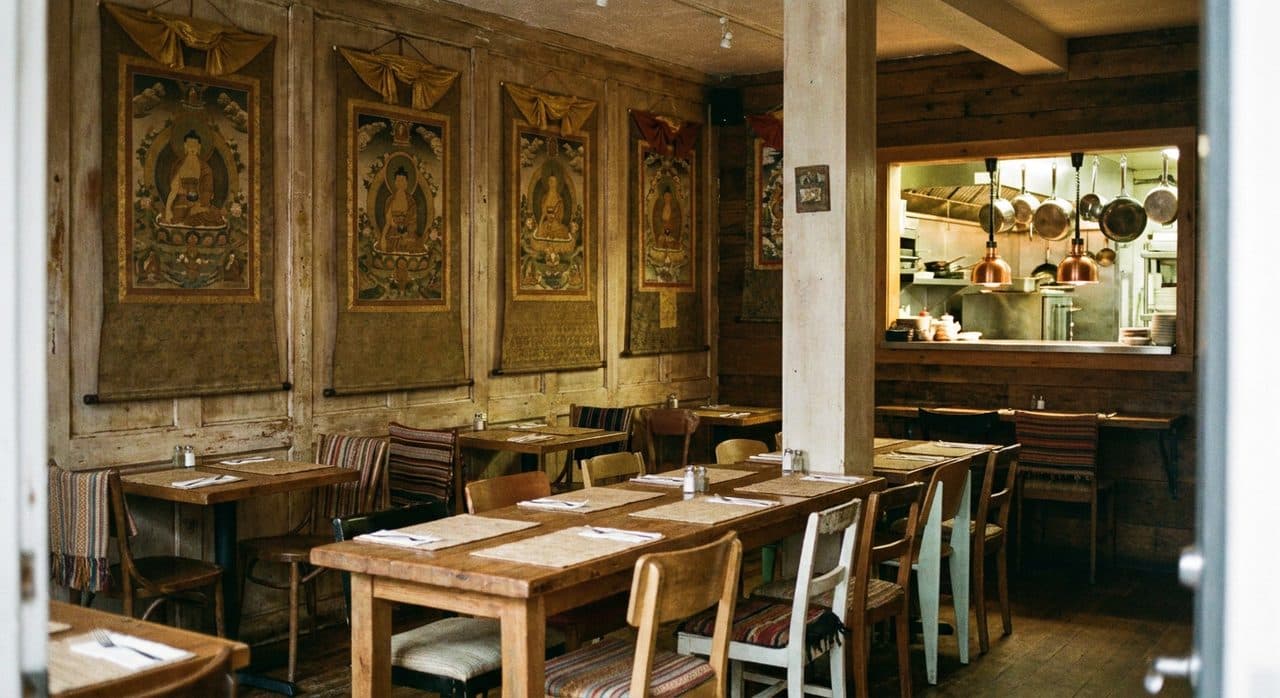
But step inside, and you enter a different world entirely. The space is modest—twelve tables, seating for perhaps forty people if everyone squeezes in. The décor is minimal: a few thangka paintings hang on the walls, their intricate Buddhist imagery rendered in gold and deep reds, and a framed photograph of the Dalai Lama watches over the room from its place near the kitchen door. The lighting is fluorescent, the tables are laminate, and the chairs are the kind you'd find in a church basement. None of it matters. What matters is what's happening in the kitchen.
Twenty-Four Pleats and the Patience to Make Them
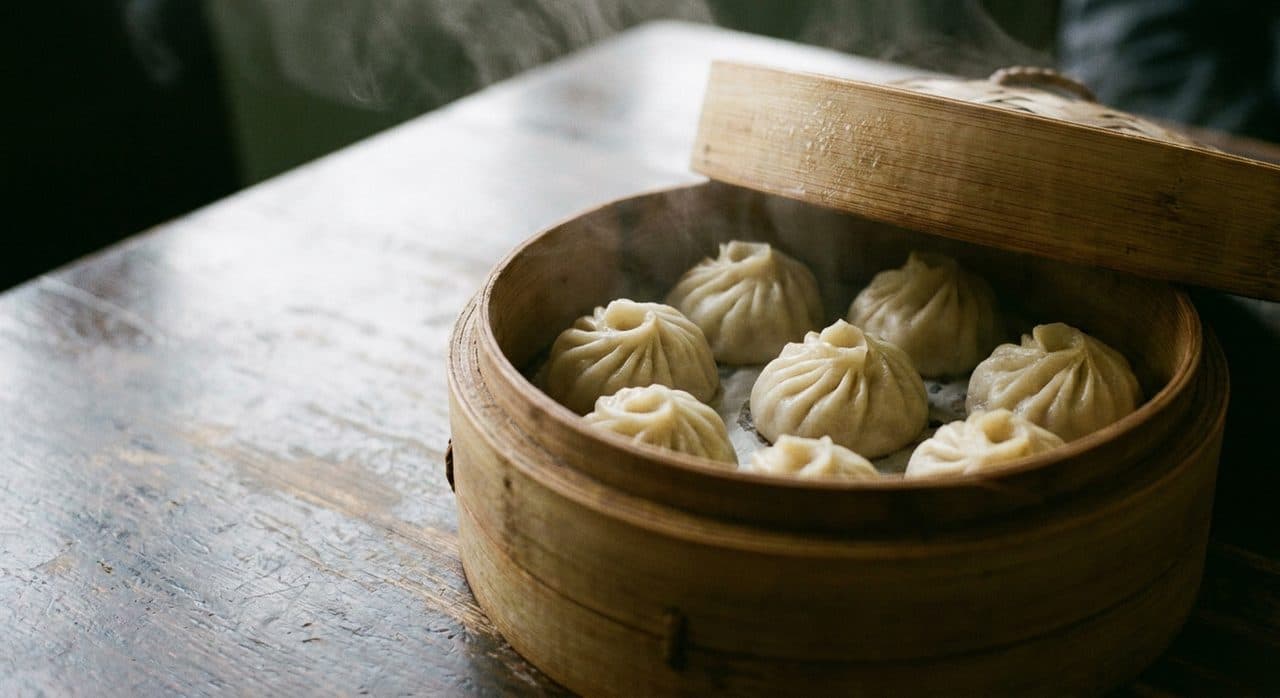
The momos arrive at your table still glistening with steam, their dumplings arranged in a tight circle on a metal plate. At first glance, they might look like any other momos you've had in Jackson Heights, a neighborhood where Nepali and Tibetan restaurants compete for dumpling supremacy on nearly every block. But look closer. Count the pleats. Where the Nepali-style momos common in the area feature twelve folds crimped around the top, these dumplings bear twenty-four—each one pinched with precision, creating a rosette pattern that's distinctly Lhasa in origin.
The difference isn't merely aesthetic. Regulars who've been coming here for years will tell you they can taste the distinction. The Lhasa-style fold creates a thicker seal at the top of the dumpling, which traps more steam inside during cooking. The result is a filling that stays juicier, more succulent, the meat releasing its moisture in a small rush when you bite through the wrapper. It's the kind of detail that separates a good momo from a transcendent one—and it's the kind of detail that only happens when someone is willing to pleat each dumpling by hand, to order, rather than pulling them from a freezer.
The kitchen is run almost entirely by a single Tibetan family from Lhasa. The matriarch oversees the dumpling station, her hands moving with the kind of muscle memory that comes from decades of practice. She doesn't count the pleats anymore; her fingers simply know. Watching her work through the pass-through window, you understand that this isn't cooking as labor. It's cooking as inheritance.
The Saturday Drive to the Bronx
The thukpa arrives in a bowl the size of a small basin, the broth a deep amber color that suggests hours of patient simmering. This is not the thin, salty soup you might find at lesser establishments. It has body, depth, a richness that coats your tongue and lingers. The secret is in the bones—specifically, yak bones, which lend the broth a particular sweetness and complexity that beef simply cannot replicate.
Sourcing yak bones in New York City is not a simple matter. The proprietor has solved this logistical puzzle through an unlikely connection: a halal butcher in the Bronx who happens to carry them. Every Saturday morning, he makes the drive north, navigating the Cross Bronx Expressway to collect his weekly supply. It's a ritual that speaks to the lengths this family will go to maintain authenticity—a refusal to compromise even when compromise would be so much easier.
The broth begins its journey early each morning, the bones roasting before they're submerged in water with aromatics that perfume the small kitchen. By the time the first lunch customers arrive, it has been simmering for hours. By dinner, it has transformed into something approaching alchemy. The hand-pulled noodles swim in this liquid, tender and chewy, accompanied by whatever vegetables are fresh and a generous portion of meat. It is the kind of dish that warms you from the inside, that makes you want to slow down and stay awhile.
The Quiet Rhythm of a Family Kitchen
Lunch service begins around eleven-thirty, though the hours are more suggestion than rule. If the family is still prepping, you wait. If they've run out of something, it's gone until tomorrow. This is not a restaurant that operates on the rigid schedules of the corporate dining world. It moves to its own rhythm, one dictated by the pace of hand-pleated dumplings and slow-simmered broths.
The family works in quiet coordination, communicating in Tibetan with occasional bursts of laughter. A teenage son buses tables after school, his homework spread out on a corner table during the lull between lunch and dinner. The father handles the front of house, greeting regulars by name and guiding newcomers through a menu that's handwritten and photocopied, the items listed in both Tibetan script and English. There's no pretense here, no performance of authenticity for the benefit of food tourists. This is simply how the family eats, and they're willing to share it with you.
The clientele reflects this intimacy. On any given evening, you'll find Tibetan families celebrating birthdays, young professionals grabbing a quick dinner before heading back to Manhattan, and the occasional adventurous eater who stumbled upon the address through word of mouth or a well-connected friend. Everyone is treated the same: with warmth, with generosity, and with the quiet assumption that you're here because you understand what makes this place special.
Beyond the Momos
While the momos deserve their reputation, the menu rewards exploration. The sha phaley—Tibetan meat pies, fried until the exterior shatters and the beef inside stays impossibly juicy—arrive two to an order and disappear in seconds. The thenthuk, a hand-pulled noodle soup with broader, more irregular noodles than the thukpa, offers a different textural experience, the pasta torn rather than stretched, each piece unique. For vegetarians, the potato momos are revelatory, the filling seasoned with Sichuan peppercorn and a whisper of fresh cilantro.
The drinks are simple: butter tea, served in small cups and refilled without asking, or sweet milk tea for those who prefer something less challenging. There's no alcohol license, no craft cocktail program, no sommelier's wine list. Just tea, made the way it's been made in Tibetan homes for centuries, and the occasional Coca-Cola for the kids.
Dessert is not a category that exists here in any formal sense, but if you ask nicely, there might be khapse—fried dough twisted into intricate shapes, dusted with sugar, the kind of thing that appears during Losar celebrations but occasionally makes its way to the table for favored customers. It's sweet without being cloying, a perfect final note to a meal built on subtlety and care.
Practical Notes
The restaurant operates Tuesday through Sunday, roughly 11:30 AM to 9:30 PM, though these hours flex based on the family's schedule and ingredient availability. Cash is preferred; cards are accepted reluctantly and with a small minimum. The space fills quickly during weekend dinners, so arriving early—before 6 PM—is advisable. There are no reservations. Expect to wait fifteen to twenty minutes for momos, as they're pleated fresh for each order. The address is 37-XX 74th Street (the exact number circulates via community channels; look for the red awning with the Tibetan flag motif, a few steps past the Hindu temple). Street parking is challenging; the 7 train to 74th Street-Broadway is your best option. Vegetarian options are available and clearly marked. The family speaks English, Tibetan, and some Hindi.
Tags: #JacksonHeights #TibetanFood #NYCRestaurants #Momos #Thukpa #QueensEats #HiddenGems #AuthenticCuisine #DumplingLovers #NYCFoodie #AsianCuisine #FamilyOwned #JacksonHeightsEats #TibetanCuisine #QueensNY
Sources consulted: timeout.com · nymag.com · thrillist.com · eater.com
All trademarks are the property of their respective owners.
Ask Karpo first
Want to know if the Tibetan kitchen is open today, which dumpling fillings are available, and whether the yak thukpa is on the menu? Ask Karpo before heading to Jackson Heights.