The Harlem Bar Running a Fantasy Football League and a Full Kitchen at Midnight
Where the Chalkboard Tells the Story
Walk past 116th Street on a Monday morning, and you might catch a woman in a flour-dusted apron erasing numbers through a window. The chalkboard behind the bar at this Harlem institution spans nearly six feet across, and by 10 AM, it displays the updated fantasy football standings for thirty-two team owners who have turned a neighborhood watering hole into something that feels closer to a private club. The board is visible from the sidewalk, which means regulars often know where they stand in the rankings before they've even pushed through the door.
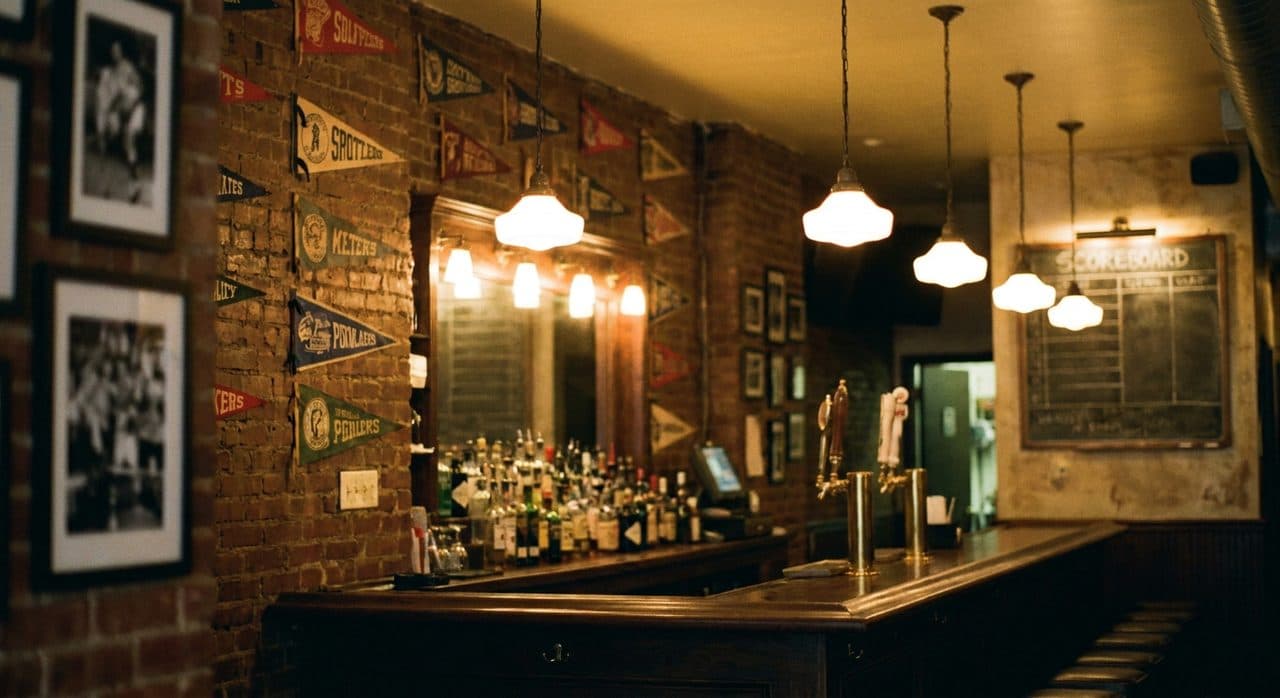
This stretch of 116th has weathered decades of change—the crack epidemic, the brownstone renaissance, the coffee shops with exposed brick that arrived and sometimes departed. Through it all, this bar has remained stubbornly itself: dim lighting, wood that's absorbed forty years of spilled beer, and a community that treats the place less like a business and more like an extension of their living rooms. The fantasy league, now in its fourth season, has become the purest expression of that ethos.
A Bet That Built a Community
The league exists because of a wager that backfired spectacularly. In the summer of 2021, a regular challenged the bar's head cook—a woman who had been running the kitchen for three years at that point—claiming she didn't know enough about football to organize a fair draft. The accusation stung. She had grown up in a household where Sunday meant her father commandeering the television and her mother serving plates of food timed perfectly to halftime. She knew football. She just hadn't felt the need to prove it.
She took the bet. By August of that year, she had recruited thirty-two players from the bar's regular crowd, established buy-in rules, and organized a draft night that packed the room beyond capacity. The doubter who sparked the whole thing finished ninth that season. She won the championship. She won it again the following year, which prompted exactly the kind of good-natured accusations of corruption that make a league feel alive. She has served as commissioner every season since, balancing her duties between the kitchen's back burner and the bar's front-of-house drama.
Draft Night and the August Ritual
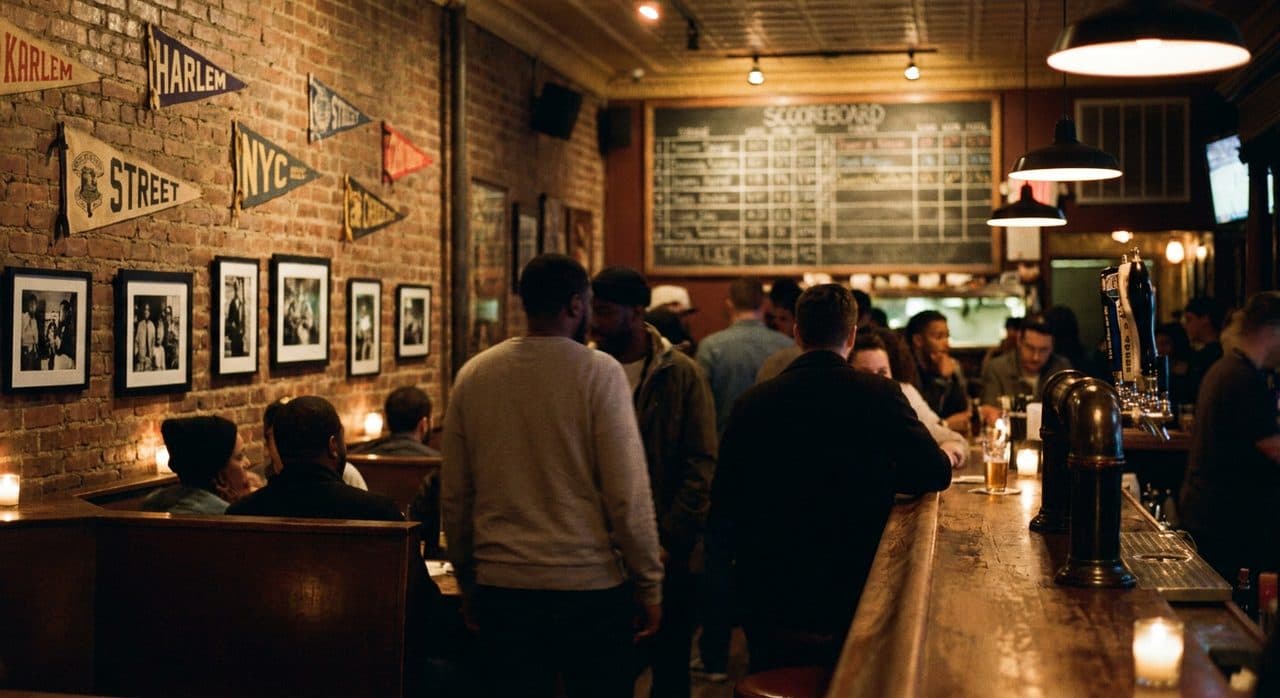
The last Thursday of August has become an unofficial holiday for the league's thirty-two owners. Draft night transforms the bar into something between a trading floor and a family reunion. Tables get pushed together. Laptops appear alongside pint glasses. The jukebox gets unplugged because the arguments are loud enough without competition.
The commissioner runs the proceedings from a corner booth, her laptop open to the league platform while a printed bracket sits beside her—backup, she says, for when the WiFi inevitably struggles under the weight of thirty-two phones refreshing simultaneously. The draft follows a snake format, and the room's energy shifts with each pick. Early rounds bring confident declarations. Later rounds bring desperate scrambles and the kind of reaches that will be mocked for months. By the time the last roster spot fills, usually around midnight, the kitchen has already started serving food that doesn't appear on any menu.
The Midnight Menu Nobody Posts
The bar's regular kitchen closes at 10 PM on most nights. But on NFL Sundays and Thursday game nights, something else emerges after 11 PM—a rotating selection of dishes that exist only in verbal form. There is no printed menu. There is no chalkboard listing. If you want to know what's available, you ask, and the answer depends on what the cook felt like preparing that week.
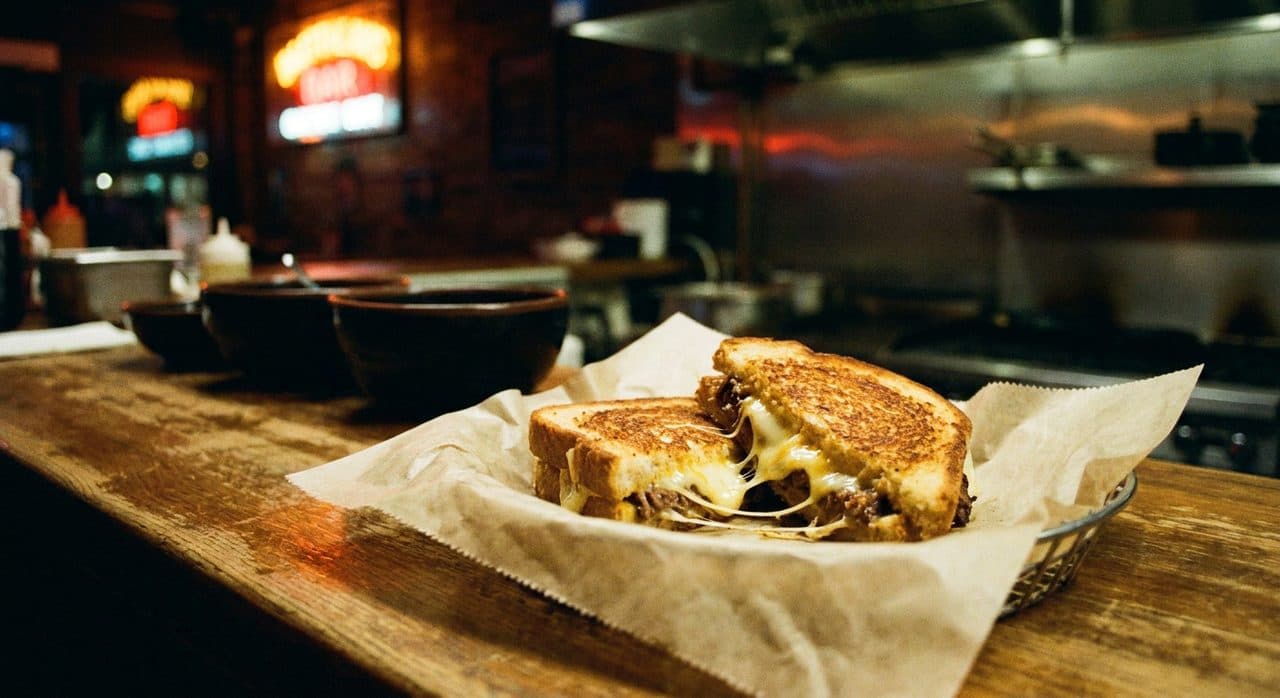
The current rotation includes a short rib grilled cheese that has developed a quiet following. The bread gets pressed until it shatters slightly at the edges, and the meat inside has been braised long enough to fall apart against your tongue. There's also a jerk chicken wrap that arrives with a heat that builds slowly, the kind that doesn't announce itself until you're three bites in and reaching for your drink. Neither dish appears on the regular menu. They exist only in this late-night window, served to people who have learned to ask.
The midnight menu started as a practical solution—the cook was already at the bar for games, and hungry people were ordering from delivery apps when a kitchen sat fifteen feet away. Now it has become part of the rhythm. Regulars time their arrivals accordingly. The uninitiated learn quickly.
Sundays Built Around the Screen
The bar opens at noon on Sundays during football season, which means the first wave arrives before the 1 PM kickoffs with coffee still on their breath. The television setup is modest by sports bar standards—three screens, none of them particularly massive—but the sight lines are good, and the sound stays at a volume that allows conversation without shouting.
What makes Sundays here different is the overlay of fantasy stakes. Every touchdown matters twice: once for the team on the screen, and once for whoever owns that player in the league. A running back breaking free in the fourth quarter can shift the mood of an entire section of the bar. The chalkboard won't update until Monday, but phones refresh constantly, and the mental math happens in real time.
By the late afternoon games, the crowd has settled into a rhythm. Food orders increase. The conversations grow looser. And when the Sunday Night Football matchup begins, the bar has achieved the particular density that makes a room feel alive—enough people to generate energy, not so many that you can't find a seat.
The Regulars Who Became Rivals
The league's thirty-two owners represent a cross-section of the neighborhood that would be difficult to assemble intentionally. There are construction workers and teachers, retirees and night-shift nurses, a postal carrier who has never missed a draft, and a woman who runs a nearby laundromat and talks trash with a precision that suggests professional training. Some have been drinking at this bar for decades. Others discovered it through the league itself, recruited by friends who needed to fill a roster spot.
The buy-in is modest enough to keep the league accessible but substantial enough to make losses sting. The prize pool goes to the top three finishers, with the champion taking the largest share. But the real currency is bragging rights, which circulate through the bar all year long. The chalkboard ensures that everyone's performance is public. There is no hiding a losing streak when your name is written in chalk six feet behind the bartender's head.
Practical Notes
The bar sits on 116th Street in Harlem, accessible via the 2 and 3 trains at 116th Street station. Sunday hours during football season run from noon until late, with the midnight menu appearing after 11 PM on game nights. The fantasy league draft takes place on the last Thursday of August; spectators are welcome, though seating fills quickly. The chalkboard standings update every Monday morning and remain visible through the front window. No reservations are taken. The crowd skews local and loyal, but newcomers who respect the room's rhythms are welcomed warmly. Cash is preferred at the bar, though cards are accepted.
Tags: #HarlemBars #FantasyFootball #NYCNightlife #MidnightMenu #SportsBar #LocalHangout #116thStreet #NFLSundays #NeighborhoodGems #HarlemEats #LateNightFood #NYCSports #BarCulture #HiddenKitchen #CommunitySpaces
Sources consulted: timeout.com · nymag.com · thrillist.com · eater.com
All trademarks are the property of their respective owners.
Ask Karpo first
Want to know if the midnight kitchen is running tonight, what's on the special menu, and whether it's a fantasy league night? Ask Karpo for a live 116th Street bar update.


