The Hackney Wick Canal Walk That Takes You From Flat White to Fried Chicken in Two Miles
The Regent's Canal towpath through Hackney Wick occupies a particular category of London geography — not hidden, not exactly, but persistently overlooked by anyone who doesn't already live within a ten-minute walk of it. This is the fate of much of East London's best infrastructure: known intimately to locals, mentioned occasionally in weekend supplements, and quietly bypassed by the crowds heading to more obvious destinations. The two-mile stretch from a converted paint factory to a railway arch chicken shop contains multitudes, and walking it on a Saturday morning remains one of the city's more satisfying ways to spend two hours.
Where the Canal Smells Like Coffee
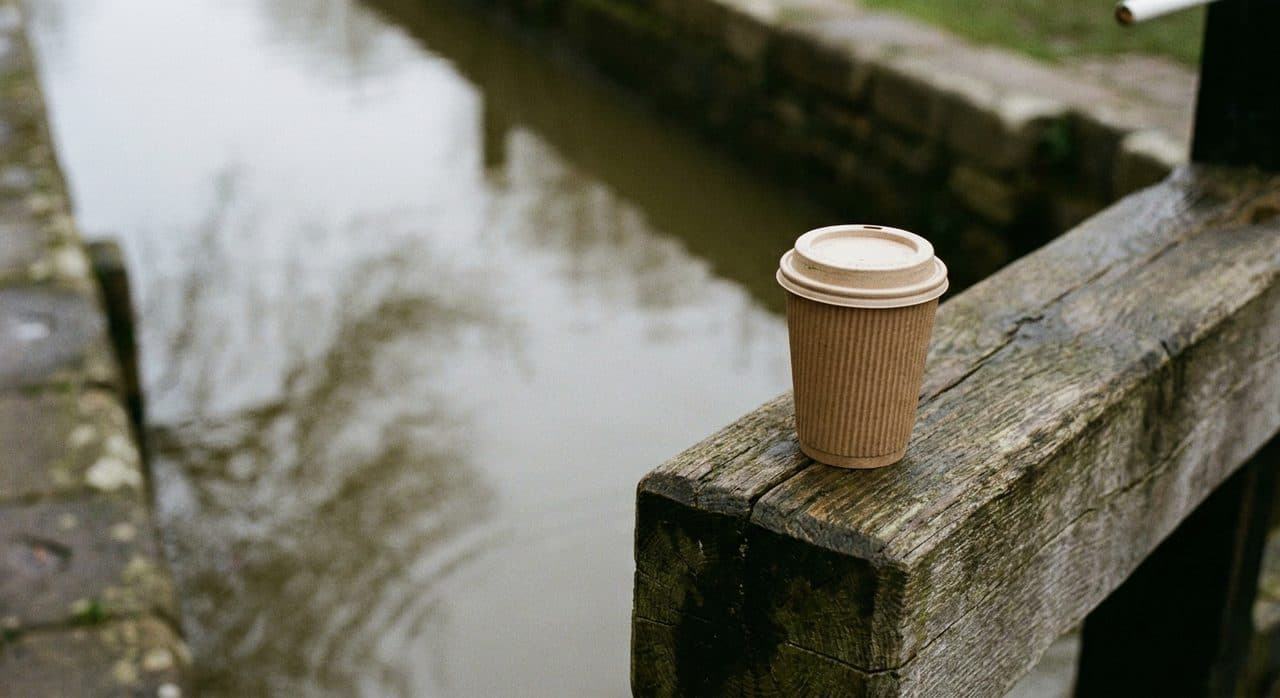
The walk begins at a roastery-café that has made its home in a former paint factory, the kind of industrial conversion that East London does particularly well. High ceilings, exposed brick, the persistent hum of roasting equipment in the back — the aesthetic is familiar, but the execution is genuine rather than performative. This is a working roastery first and a café second, which means the coffee is exceptional and the atmosphere carries the focused energy of people doing actual work alongside those nursing flat whites.
The building retains a ventilation quirk from its factory days: the canal-facing wall serves as a natural cooling space for freshly roasted beans during summer months. The Victorian engineers who designed the structure understood airflow in ways that modern architects often forget, and the canal breeze pulls through the building with surprising efficiency. On certain mornings, particularly when the air is still and the roasting schedule aligns, you can catch the smell of fresh roast while still on the towpath fifty metres away. It's the kind of detail that rewards early risers and repeat visitors, a sensory announcement that you've arrived at the right place.
Order something simple — the espresso is excellent, and the pastries rotate with the seasons — then step outside to the canalside seating. The water here moves slowly, narrowboats drift past at walking pace, and the city feels temporarily distant despite being thoroughly present. This is the starting line.
The Towpath's Quiet Rhythm
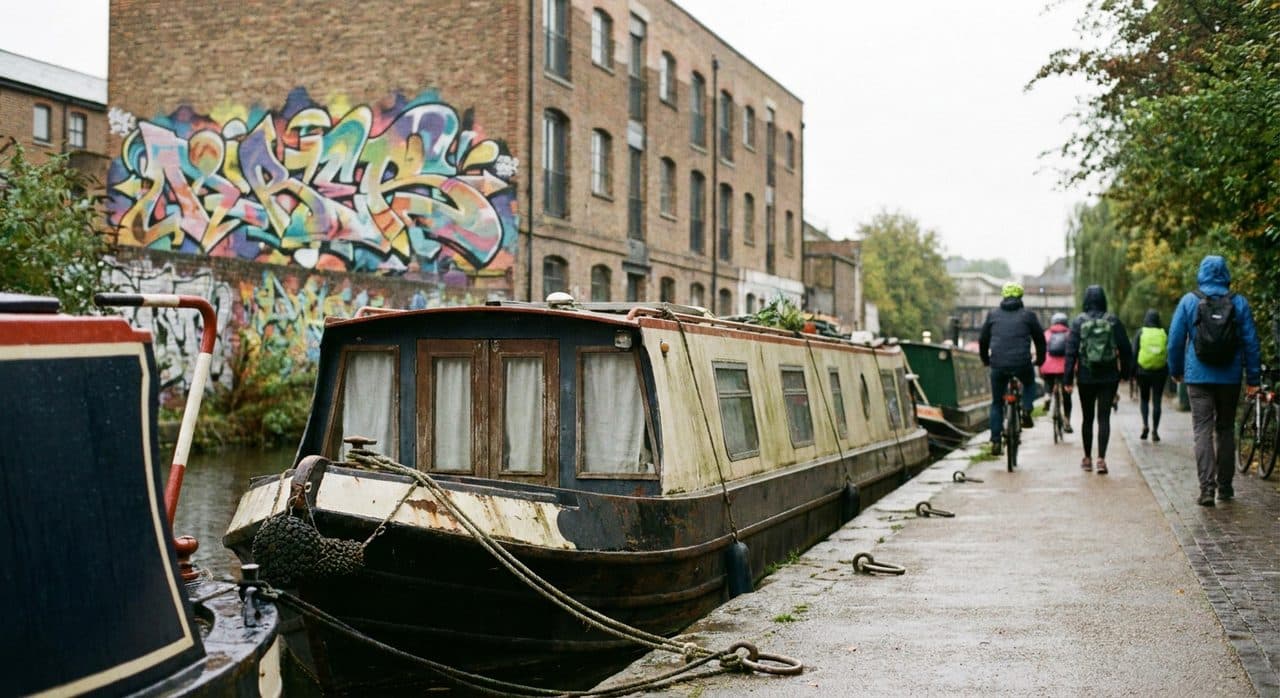
Heading east along the towpath, the walk settles into its particular rhythm almost immediately. The canal cuts through a landscape of converted warehouses, artist studios, and light industrial spaces that haven't yet been converted into anything. Graffiti murals cover the walls in layers, some commissioned, some not, creating an informal outdoor gallery that changes every few months. The path itself is well-maintained but narrow in places, requiring the occasional negotiation with cyclists and joggers moving at different speeds.
The water attracts a reliable cast of characters: mallards, coots, the occasional heron standing motionless near the bank with the patience of someone who has nowhere else to be. Narrowboat residents tend small container gardens on their roofs, and the smell of woodsmoke drifts from chimneys even in mild weather. There's a particular pleasure in walking at canal pace, which is slower than road pace and faster than standing still — a tempo that encourages noticing.
The towpath passes under a series of bridges, each one framing a different view of the surrounding neighbourhood. Some are Victorian iron, elegantly functional; others are concrete and utilitarian, products of mid-century rebuilding. Together they create a rhythm of light and shadow, open sky and brief darkness, that structures the walk into natural segments.
The Double-Level Corridor at Fish Island
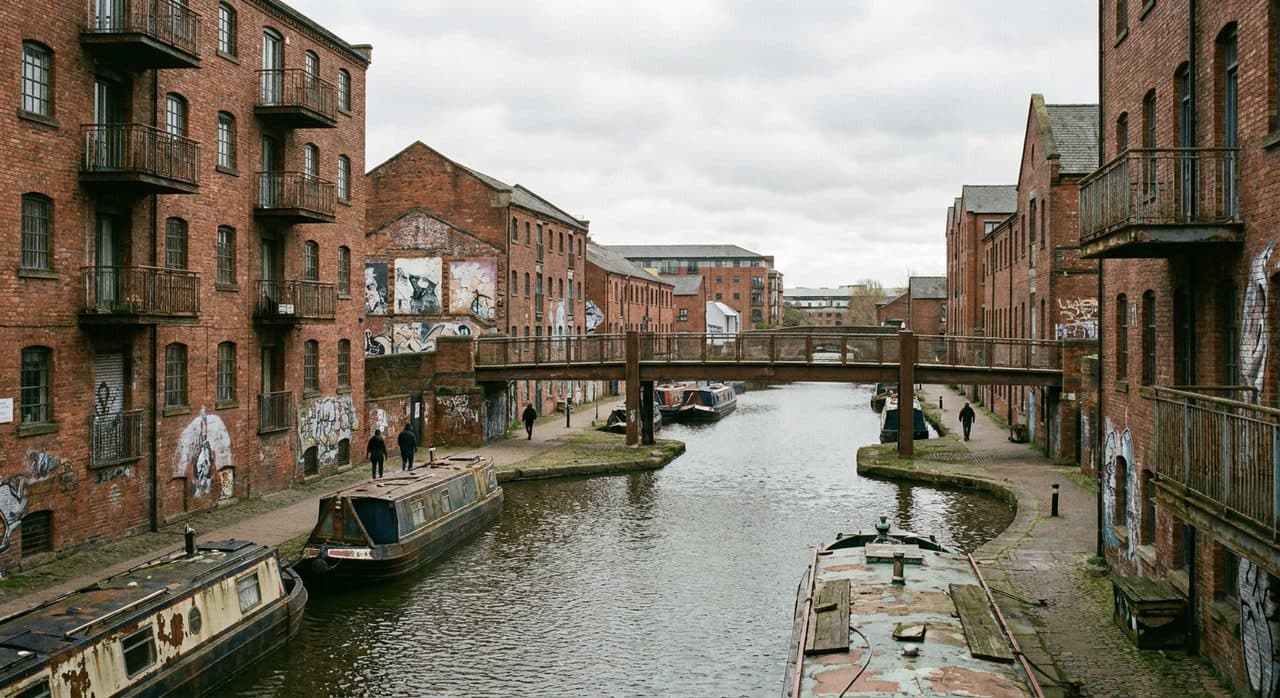
About halfway through the walk, passing through Fish Island, the towpath reveals one of East London's more peculiar pieces of infrastructure. Here, the canal's path drops below the Greenway, an elevated walking and cycling route built on top of the Northern Outfall Sewer — a Victorian engineering project that carries waste from North London to treatment works in Beckton. The crossover creates a double-level walking corridor unlike anything else in the city: towpath below, Greenway above, with staircases connecting the two at irregular intervals.
Most Londoners don't know this exists, including many who live nearby. The Greenway offers elevated views across the Olympic Park and the marshes beyond, while the towpath maintains its intimate relationship with the water. Walking between the two levels, ascending and descending the connecting stairs, produces a surprisingly cinematic experience — the city reveals itself differently from each vantage point, and the shift in perspective makes familiar landscapes feel briefly new.
This section of the walk rewards a slow pace and a willingness to explore. The staircases are easy to miss if you're moving quickly, and the Greenway itself stretches much further than most people realize, connecting eventually to the Royal Docks. For the purposes of this walk, a brief detour to the upper level and back down again adds perhaps fifteen minutes and considerably more interest.
Industrial Ghosts and Living Studios
The buildings along this stretch of canal carry their history visibly. Brick warehouses that once stored paint, varnish, and printing supplies now house artist studios, small manufacturers, and the occasional recording space. The transition from industrial to creative economy happened gradually here, without the wholesale demolition that characterizes development elsewhere. The result is a neighbourhood that feels layered rather than replaced, where the past remains legible beneath the present.
Some of the studios open their doors during periodic open-house events, revealing workspaces that range from immaculate to gloriously chaotic. Painters, sculptors, ceramicists, and practitioners of less easily categorized disciplines occupy these buildings, drawn by the combination of space, light, and rents that remain, for now, within reach of working artists. The canal provides a natural boundary, separating the creative enclave from the residential developments that press in from all sides.
Walking past these buildings on a Saturday morning, you might hear the sound of someone welding, or catch a glimpse of stretched canvases through a ground-floor window. The neighbourhood is working even when it looks quiet, and the evidence of that work gives the walk a texture that pure residential or commercial areas lack.
Where the Queue Begins at 12:30
The walk ends at a railway arch on the eastern edge of Hackney Wick, where a fried chicken operation has established itself as a destination worth crossing the city for. The spot started as a pop-up under a different arch in 2021, building a following through word of mouth and the particular alchemy of excellent product and limited availability. In 2023, it moved to its current permanent location, trading the improvised charm of the pop-up for a proper kitchen and slightly more seating.
The Saturday queue begins forming around 12:30 in the afternoon, a line of people who have learned through experience that arriving later means waiting longer. The chicken is brined, buttermilk-soaked, and fried to an architectural crispness that justifies the journey. Sides rotate but typically include slaw, pickles, and whatever seasonal vegetable the kitchen has decided to showcase that week. The portions are generous, the prices reasonable, and the atmosphere carries the particular energy of a place that knows exactly what it does well.
Regulars have discovered a workaround for the queue: texting ahead on Friday evenings to arrange a reserved box pickup. This requires having the number, which requires having visited enough times to ask for it, which requires having stood in the Saturday queue at least once. The system rewards loyalty without excluding newcomers, a balance that many popular spots fail to achieve.
Practical Notes
The full walk covers approximately two miles and takes between forty-five minutes and an hour and a half, depending on pace and detours. The towpath is paved but narrow in sections; comfortable walking shoes are sufficient, though you may want to step aside occasionally for passing cyclists. The roastery-café opens at 8am on weekends; arriving early guarantees seating and the best chance of catching that coffee-scented canal breeze. For the fried chicken, aim to arrive before 12:30 on Saturdays to minimize queue time, or build a relationship that earns you the Friday text-ahead privilege. The walk works in either direction, though starting with coffee and ending with chicken follows a more natural meal progression. Public transport access is good at both ends: Hackney Wick Overground station sits near the start, and various bus routes serve the eastern terminus. Dogs are welcome on the towpath and at outdoor seating areas, though the chicken shop's indoor space is small.
Tags: #HackneyWick #RegentsCanal #LondonWalks #EastLondon #TowpathWalk #FriedChicken #CoffeeRoastery #FishIsland #WeekendLondon #CanalWalk #HiddenLondon #LondonFoodie #UrbanWalking #SaturdayPlans #LocalLondon
Sources consulted: timeout.com · londonist.com · eater.com · theguardian.com
All trademarks are the property of their respective owners.
Ask Karpo first
Want to know if the canal walk roastery is open Saturday morning, what time the fried chicken queue starts forming, and the best weather window for this walk? Ask Karpo for a live Hackney Wick update.