The Greenpoint Natural Dye Studio Where You Leave With Something You Actually Made
A Working Dye Studio That Doesn't Treat You Like a Tourist
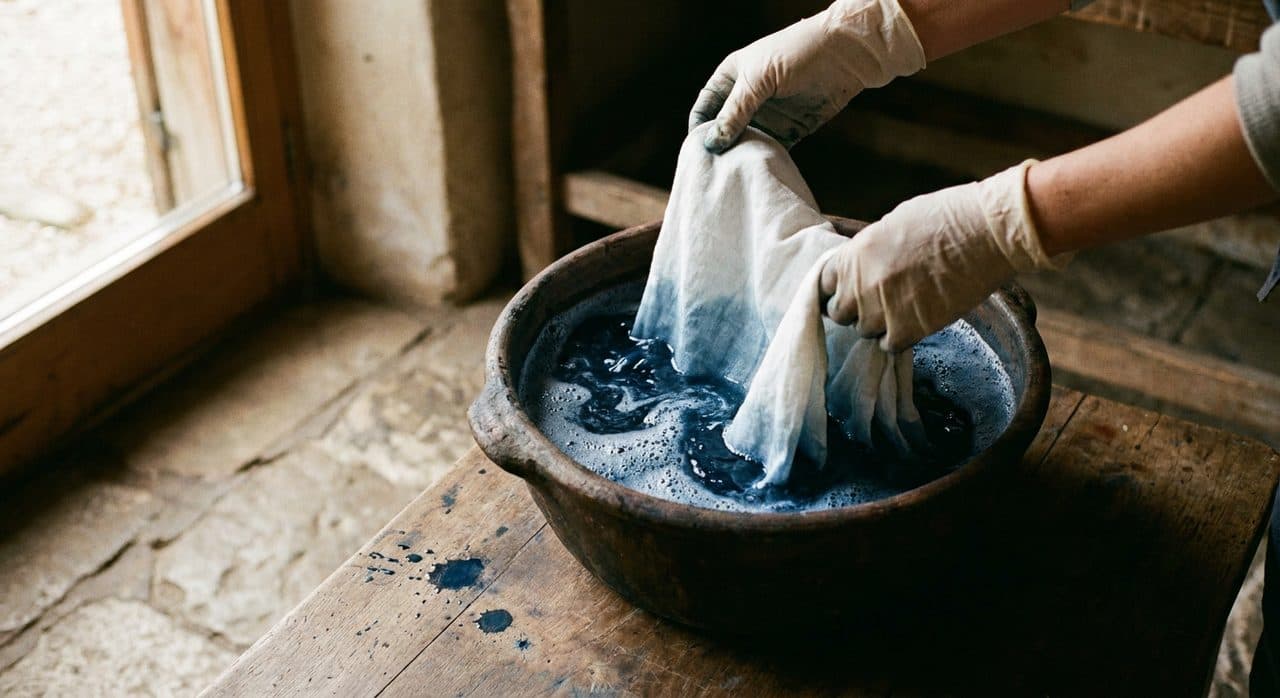
Tucked into a converted warehouse space on Greenpoint's quieter northern edge, Indigo & Iron operates less like a drop-in craft workshop and more like a functioning textile lab that happens to let curious strangers participate. The studio, run by fiber artist and natural dye specialist Elena Varga since 2019, offers three-hour sessions in plant-based dyeing techniques that have been used for centuries — indigo, black walnut, madder root — using methods that require genuine preparation, precise temperature control, and a willingness to get your hands stained for days afterward. This isn't the kind of place where someone hands you a pre-mixed kit and hovers while you follow laminated instructions. Varga maintains active dye vats that she tends like living organisms, because in the case of her signature indigo process, that's essentially what they are.
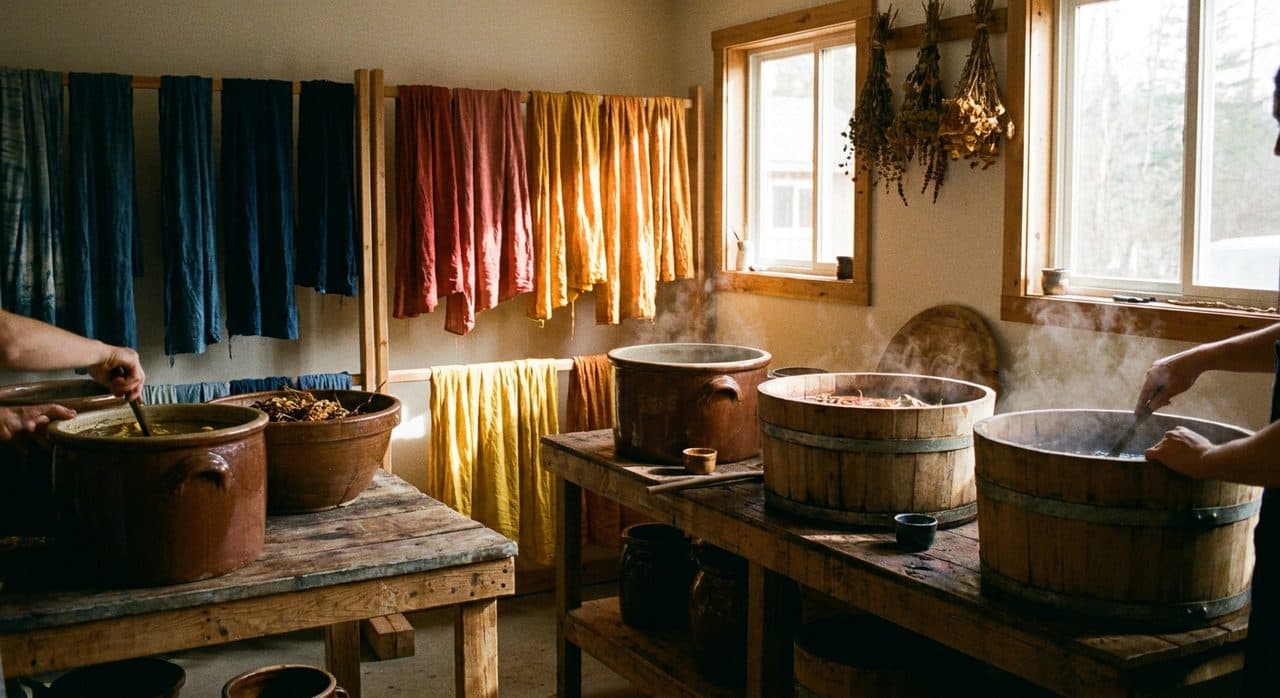
The space itself feels appropriately industrial: concrete floors, high ceilings, deep utility sinks stained with years of pigment, and drying racks strung with fabric in various stages of oxidation. Natural light floods through north-facing windows, which matters when you're trying to assess the true depth of a color that shifts dramatically between wet and dry states. Regulars know to wear clothes they don't mind sacrificing. First-timers learn quickly.
The Science Behind the Deepest Blues
What separates Indigo & Iron from the growing number of natural dye workshops popping up across Brooklyn is Varga's commitment to traditional fermentation-based processes. Her indigo vat is a fructose vat — a method that uses fruit sugar and an alkaline solution to create the reducing environment necessary to make indigo soluble in water. Unlike chemical reduction methods that produce faster results, this approach requires 48 hours of careful preparation and must be maintained at a steady 30°C to keep the bacterial fermentation active and the dye in its reduced state. The vat lives in a temperature-controlled corner of the studio, monitored with the attentiveness usually reserved for sourdough starters or newborns.
Because of the labor involved in maintaining this vat, Varga only activates it for Thursday evening and Saturday afternoon sessions. These two days consistently produce the most saturated blue results compared to the other plant dyes offered throughout the week — black walnut on Tuesdays yields rich browns, and madder root on select Sundays creates coral-to-rust tones depending on water mineral content. But the indigo sessions are the ones that book out weeks in advance, and for good reason. There's something almost alchemical about pulling fabric from a vat of yellowish-green liquid and watching it transform to deep blue as oxygen hits the surface. It never gets old, according to repeat participants, and some have attended a dozen times.
What You'll Actually Do for Three Hours
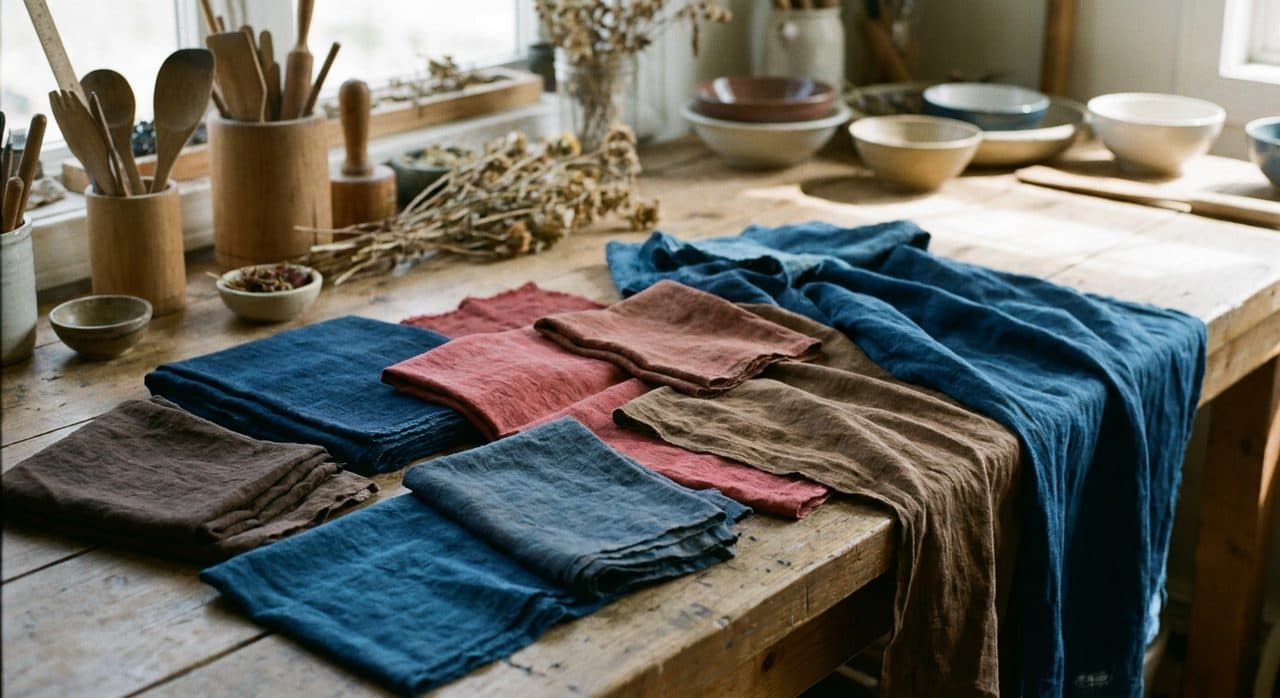
Sessions begin with a 30-minute orientation covering the chemistry and history of whichever dye is being used that day. Varga is an engaging instructor who manages to make discussions of pH levels and mordanting feel relevant rather than academic. She explains why certain fibers take dye differently (protein fibers like silk and wool absorb more readily than plant-based cellulose fibers like cotton and linen), how water quality affects outcomes, and why the particular shade you achieve will never be exactly replicable. This isn't a bug; it's the point.
The hands-on portion involves preparing your fabric with various resist techniques — shibori folding, binding, clamping, or stitching — before submerging it in the dye bath. Indigo sessions require multiple dips with oxidation time between each immersion; the longer you're willing to wait and repeat, the deeper your color. Participants typically complete two to four pieces depending on complexity, and the studio provides all necessary tools: binding threads, wooden blocks for clamping, rubber bands, and the oversized rubber gloves that will nonetheless fail to prevent blue-tinged fingernails.
The final hour involves rinsing, neutralizing, and beginning the curing process. You'll leave with damp fabric wrapped in newsprint, along with detailed care instructions for finishing the curing at home. Varga is emphatic that pieces need 48 hours of air exposure before washing, and that the first few washes should be done separately in cold water with a splash of white vinegar to set the dye.
Bring Your Own Fabric, But Do It Right
One of Indigo & Iron's more appealing policies is its openness to participants bringing their own materials. Vintage linens, thrifted silk scarves, plain cotton t-shirts, linen napkins from the back of your closet — Varga welcomes all of it, provided you follow preparation guidelines. Participants who bring their own fabric are asked to pre-wash and wet it before arriving; damp fabric entering the vat produces more even color absorption than dry material, which can result in splotchy or uneven uptake. The instructor recommends soaking your pieces for 30 minutes before the session begins — either at home before you leave, or in the studio's prep sinks if you arrive early enough to claim one.
This bring-your-own approach means you can transform something you already own into something genuinely new. Past participants have dyed wedding napkins, baby onesies, vintage tablecloths, and one memorable hand-sewn quilt top that took up an entire drying rack. The only restrictions: no synthetic fabrics (polyester won't absorb plant dyes), nothing with existing prints or finishes that might resist the dye, and please, nothing that hasn't been washed first. Residual fabric sizing or detergent buildup will interfere with dye uptake, and Varga can spot an unwashed piece from across the room.
The Linen Bundles That Require Strategic Timing
For those who don't have a stash of suitable fabric at home, the studio sells small bundles of undyed raw linen at the door for $12. Each bundle contains enough material for two medium-sized projects — a scarf and a set of napkins, or a table runner and a few dish towels. The linen is sourced from a Belgian mill and arrives unbleached, with a beautiful drape that softens further after dyeing and washing. It's genuinely good material at a reasonable price, which is precisely why supply is limited to 8 bundles per session and they sell out before the session officially opens.
Regulars have figured out the system: early arrivals 15 minutes before start time consistently secure these bundles, while anyone walking in at the scheduled hour will find the basket empty. If you're planning to rely on studio-provided fabric, treat the posted start time as a suggestion and the 15-minute-early window as the actual arrival target. The studio opens its doors at that point for setup and material purchases, even though instruction doesn't begin until the official start time. There's no reserved bundle system, no online pre-purchase option — it's first-come, first-served, and the early bird genuinely does get the linen.
The Crowd That Keeps Coming Back
Indigo & Iron draws a mix of complete beginners and semi-serious textile hobbyists, with occasional appearances from professional designers researching natural dye techniques for their own work. The vibe is focused but social — there's enough downtime during oxidation periods and drying intervals for conversation, and Varga encourages participants to wander and observe each other's techniques. Group bookings are available for parties of six or more, and the studio has hosted everything from bachelorette parties to corporate team-building events, though Varga notes that the most engaged groups tend to be friend clusters who are genuinely interested in the process rather than just looking for an activity.
The Thursday evening sessions (6:30 PM start) tend to attract working professionals looking for a weeknight creative outlet, while Saturday afternoons (1:00 PM start) draw a broader mix including parents with older children (ages 12 and up are welcome with a participating adult). Both indigo sessions maintain a cap of 12 participants to ensure adequate vat access and instructor attention. The other dye sessions — black walnut and madder — accommodate up to 10 participants and operate on a more flexible schedule, typically announced monthly via the studio's newsletter.
Practical Notes
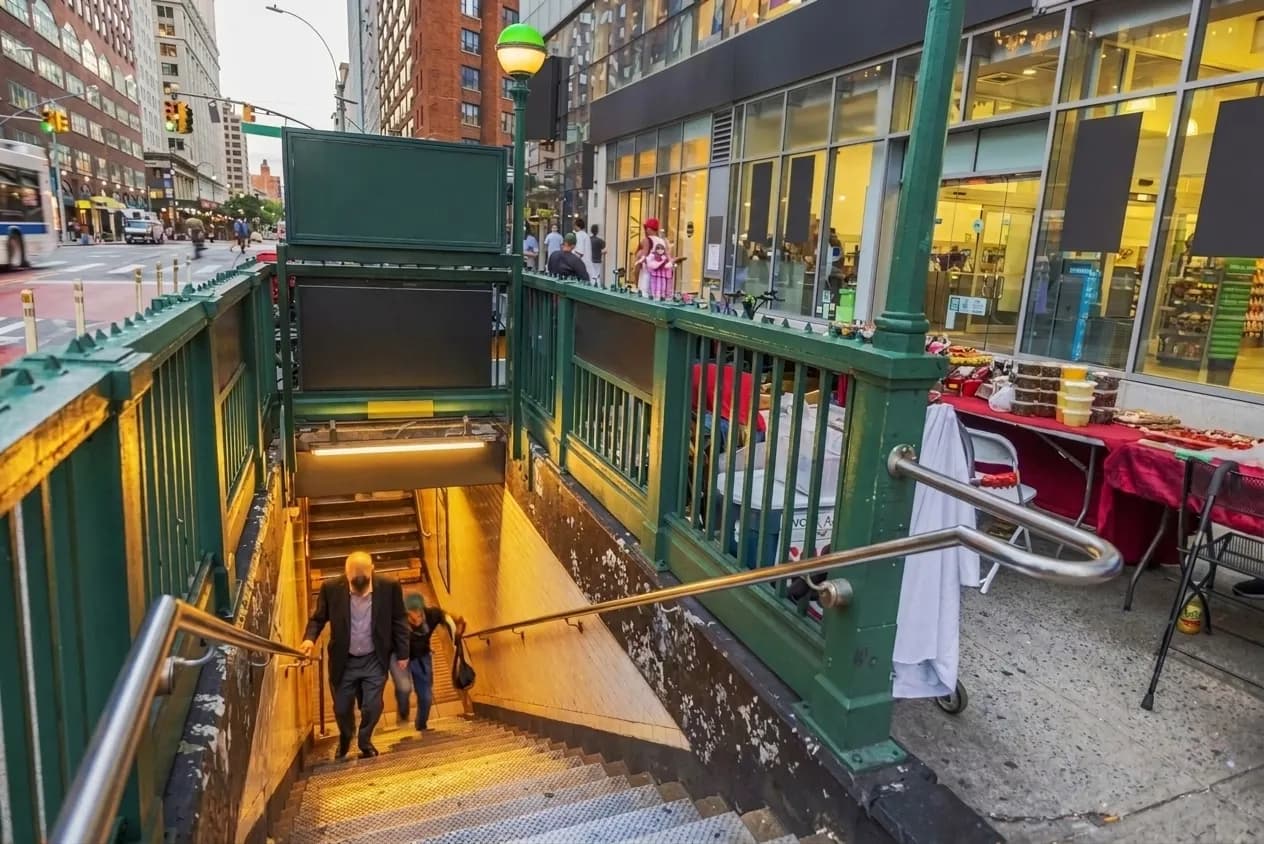
Indigo & Iron is located at 87 Clay Street in Greenpoint, a 10-minute walk from the Nassau Avenue G train station or a 15-minute walk from the Greenpoint Avenue stop. Street parking is available but competitive on weekends. Sessions cost $95 per person, which includes all dye materials, tools, and instruction; the $12 linen bundles are separate and cash-only. Advance registration is required through the studio's website, and cancellations made less than 48 hours before a session are non-refundable. Thursday sessions run 6:30–9:30 PM; Saturday sessions run 1:00–4:00 PM. Wear dark, fitted clothing (loose sleeves are a liability around dye vats), and bring an apron if you have one. The studio provides gloves but recommends bringing your own if you have sensitive skin or strong feelings about blue fingernails.
Tags: #Greenpoint #NaturalDye #IndigoDyeing #BrooklynWorkshops #NYCMakers #TextileArts #ShiboriNYC #CreativeWorkshops #HandmadeNYC #PlantBasedDye #BrooklynCreatives #WeekendActivitiesNYC #MakeItYourself
Sources consulted: timeout.com · nymag.com · thrillist.com · eater.com
All trademarks are the property of their respective owners.
Ask Karpo first
Want to know which dye colors are available this week, whether you should bring your own fabric or buy at the door, and how long the results need to dry before you can carry them on the subway? Ask Karpo for the workshop schedule, a materials list, and transit directions to Greenpoint before you head out.