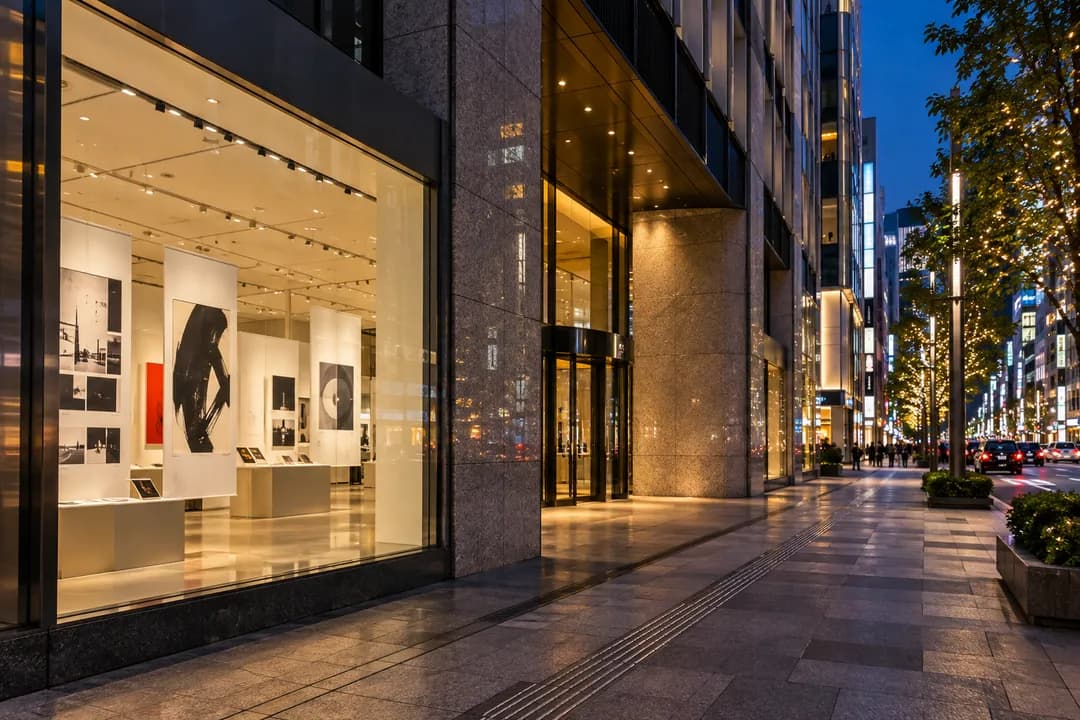
 Art Gallery Near Me: Ginza Graphic Gallery in Tokyo
Free Things to Do
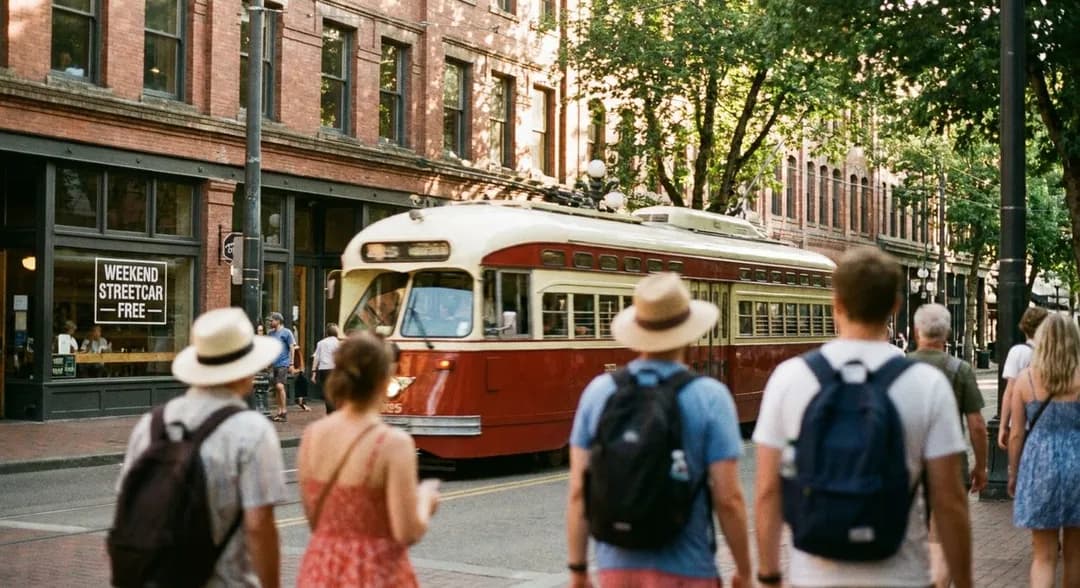
The Free Trolley Through Downtown Seattle Nobody Rides
The First Hill streetcar runs free on weekends through summer; board at Pioneer Square for waterfront views
You step onto the First Hill Streetcar at Pioneer Square on a Saturday morning and realize you're one of maybe four people aboard. The red and white car hums along its tracks through neighborhoods most tourists never see, past construction sites and coffee shops where locals actually go, and you haven't paid a cent. Weekend rides are free through September, but somehow the cruise ship crowds haven't caught on.
The Route Nobody Bothered to Market
The streetcar runs a 2.5-mile loop from Pioneer Square through the International District, up to Capitol Hill, then back down through First Hill. You board at the Occidental Avenue station, where the tracks curve past century-old brick buildings that still smell like rain even in July. The car climbs east on Jackson Street, wheels screeching slightly on the turns, and you watch the waterfront fade behind you. This isn't the tourist trolley that crawls along the waterfront—this is the working transit line that happens to be free on Saturdays and Sundays from Memorial Day through Labor Day. Most riders are hospital workers heading to Swedish or Harborview, people visiting the Seattle University campus, or residents of the apartments that have sprouted along the route. The cars run every 10-15 minutes from 6am to 11pm on weekends, though the free fare only applies until 7pm on Sundays during Mariners home games.
Where to Sit for the Best Unfiltered Views

Grab the forward-facing window seat on the right side, three rows back from the front door. This spot gives you an unobstructed view as the streetcar climbs the hill past the old fire station on 9th Avenue, where you can see straight down the cross streets to Elliott Bay. The morning light hits different here—it bounces off the glass towers downtown and creates this sharp contrast with the older brick buildings in the International District. You'll pass the massive red gate at Hing Hay Park, then the streetcar slows as it navigates the turn onto Broadway. The windows fog up slightly from the temperature difference between the air-conditioned interior and the outside humidity. If you're riding in late afternoon, switch to the left side for the return trip—the sun will be setting over the Olympics, and you'll catch it between buildings as you roll back downhill.
The International District Stop Most People Skip
Get off at 12th Avenue and Jackson, right in front of the historic Eastern Hotel building with its faded painted advertisements still visible on the brick. Walk half a block south to Tsukushinbo, a Japanese spot where the lunch specials run until 2:30pm on weekends and cost less than a museum admission. The streetcar shelter here has a bench that faces west, and if you time it right around 1pm, you'll see three different streetcars pass within twenty minutes—the frequency increases midday. This stop also puts you at the edge of Little Saigon, where the bakeries on 12th Avenue sell bánh mì for five dollars and the Vietnamese iced coffee is strong enough to carry you through an entire afternoon of riding. The sidewalk vendor who sets up near the Uwajimaya entrance on weekends sells fresh lychee from a cooler, and he'll let you taste one before buying.
The Hospital District Stretch Where Locals Actually Live
Between the Broadway and Terrace Street stops, the streetcar passes through First Hill's residential blocks where pre-war apartment buildings stand next to modern medical towers. You'll see the kind of Seattle that doesn't make it into guidebooks—corner grocery stores with hand-written signs, a used bookshop that's only open Thursday through Sunday, the community garden tucked behind Swedish Medical Center where someone has planted sunflowers that are blooming right now in August. The car slows to a crawl along Broadway, and you can read the menu boards in restaurant windows. There's a pho place at Broadway and Columbia where the staff knows the streetcar drivers by name, and they'll wave through the window during shift changes. This section also has the steepest grade on the route—you can feel the electric motor working harder, and there's a faint burning smell from the brakes as the car descends back toward downtown.
The Capitol Hill Terminus Where Time Stretches
The northern end of the line terminates at Broadway and Denny, where the streetcar pauses for exactly four minutes before reversing direction. The operator steps out for a quick break, and you're free to stay aboard or explore the immediate blocks. Cal Anderson Park is two blocks west, and on weekend mornings the farmers market vendors are still breaking down their stalls around noon. The streetcar shelter here has a covered waiting area where buskers sometimes play—last month there was a cellist who performed every Saturday at 11am, setting up right next to the tracks. The reversal process is quieter than you'd expect. The operator walks to the opposite end of the car, switches the controls, and you're moving again within five minutes. If you've timed it right, you can complete the full round trip in about 40 minutes, which means you could theoretically ride it six times during the free fare window and still have time for lunch.
The Pioneer Square Return Where Everything Connects
The streetcar drops you back at Occidental just as the afternoon tour groups are gathering for their underground tours. You've circled through three distinct neighborhoods, climbed 450 feet in elevation, and spent nothing. The station here connects to the Link light rail if you want to continue north to the University District or south to the airport, but there's something satisfying about staying small-scale, about using this modest streetcar line that most Seattle residents forget exists. The tracks gleam in the afternoon sun, and you can already see the next car approaching from the south, its destination sign flashing "Capitol Hill" in orange LEDs. The real trick is riding on Sunday mornings before 9am, when the streets are emptiest and you can hear the electric hum of the motors echoing off the buildings.
Practical Notes
The First Hill Streetcar operates daily, with free fares on weekends from Memorial Day through Labor Day (typically late May through early September), ending at 7pm on Mariners game day Sundays. Board at any of the ten stations along the route—Pioneer Square (Occidental Avenue) offers the easiest connection to other transit lines. No ticket or ORCA tap required during free fare periods, though you should tap your ORCA card during paid hours (weekdays and some Sunday evenings). The streetcar is fully accessible with level boarding at all stops. Bikes are allowed but space is limited to two per car. Check King County Metro's real-time arrival board at any station, or use the Transit GO app for live tracking. The route occasionally experiences delays when cars or delivery trucks block the tracks on Broadway—add an extra 10 minutes to your timing if you're trying to catch a connection.
Tags: #SeattleTransit #FreeSeattle #FirstHillStreetcar #DowntownSeattle #PioneerSquare #CapitolHill #InternationalDistrict #SeattleOnABudget #HiddenSeattle #PublicTransit #StreetcarLife #PNWTravel #SeattleWeekend #LocalsKnow #ExploreSeattle
All trademarks are the property of their respective owners.
Ask Karpo for more information.
Keep reading
- Art Gallery Near Me: Ginza Graphic Gallery in Tokyo
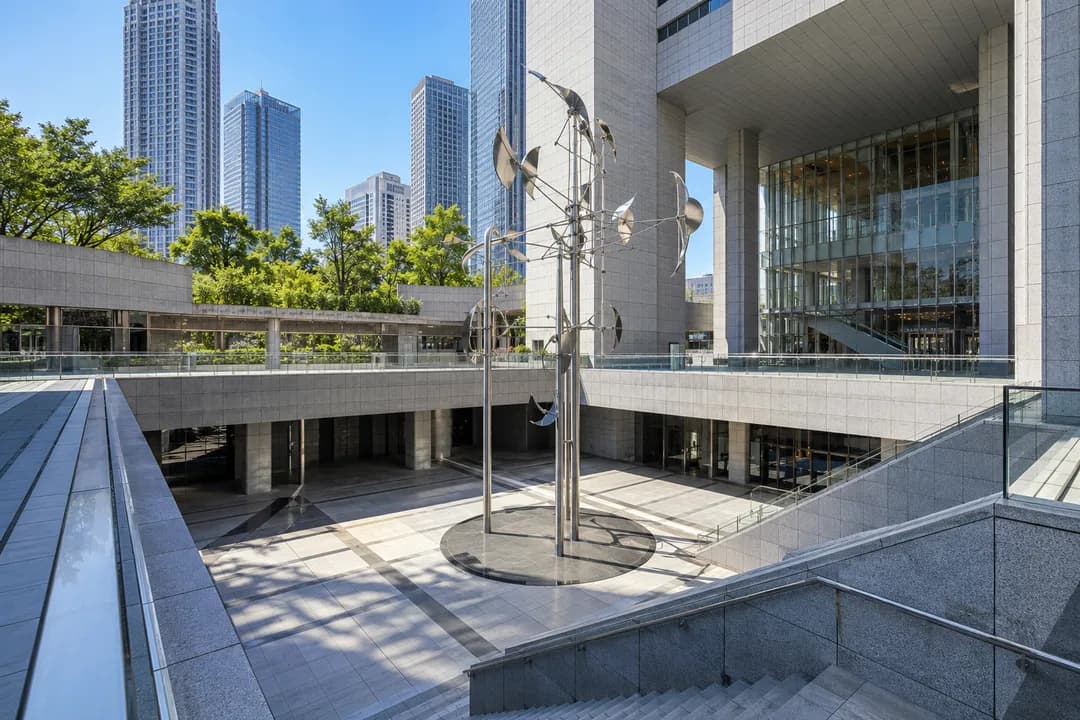 Art Gallery Near Me: Tokyo Opera City Art Gallery
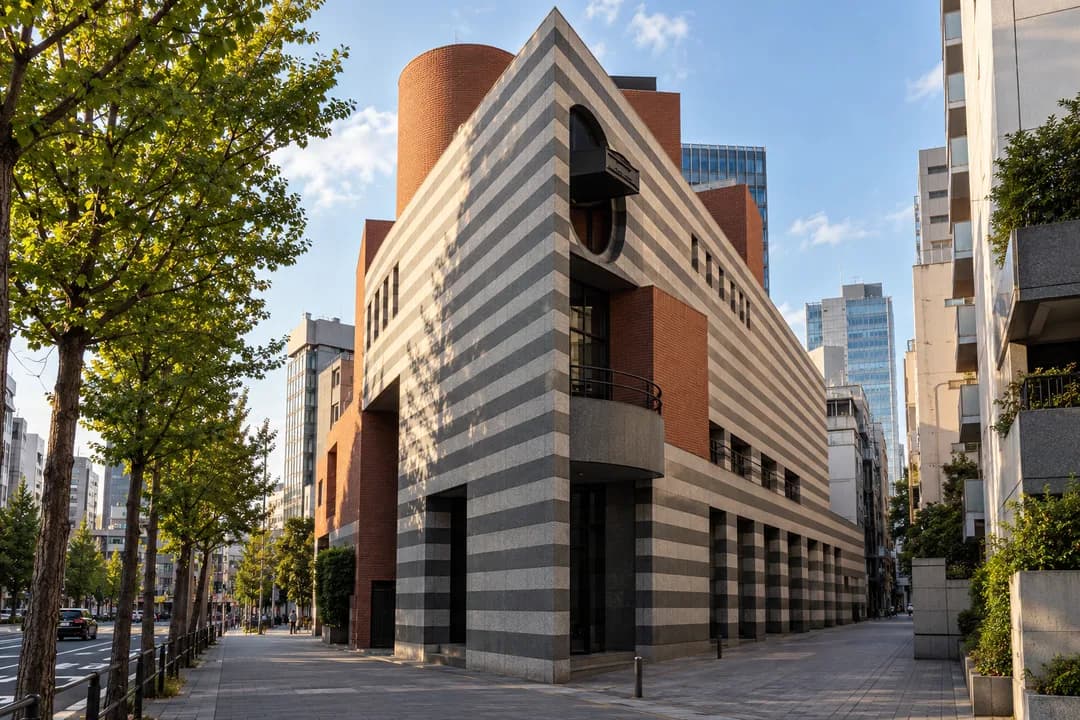 Art Gallery Near Me: Watari Museum of Contemporary Art