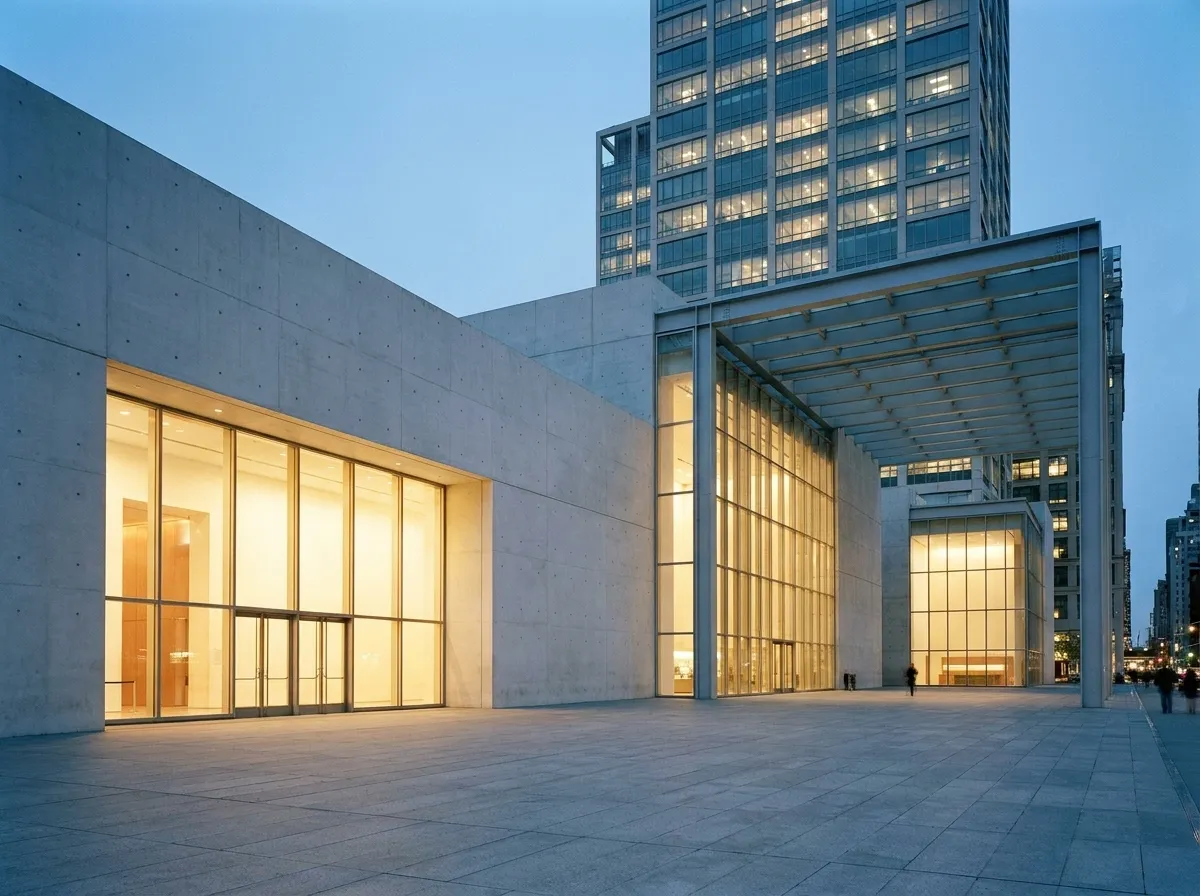
You're walking past a building on North 6th Street that looks like someone gift-wrapped a warehouse in corrugated metal, and through the glass doors you catch the tail end of a saxophone run that makes your chest cavity vibrate. It's 2pm on a Thursday and National Sawdust's main hall is hosting what they call an open rehearsal—which means you can walk in, find a seat in their 200-capacity space, and watch musicians work through tomorrow night's $45 program for exactly zero dollars.
The Architecture Listens Back
The room itself is the instrument here. Those wooden acoustic panels climbing the walls aren't decorative—they're parametrically designed to shift sound in real time, controlled by technicians in the booth who adjust frequencies as musicians play. You'll notice the ceiling panels angled at seemingly random degrees. During rehearsals, the sound engineer often stops performers mid-phrase to tweak a single panel's position, then asks them to replay the same four bars. You're hearing the space learn the music before the audience does. The seats are general admission during these sessions, but the second row on the left side, slightly off-center, catches the acoustic sweet spot where the room's geometry converges—locals who've been coming for months know to head there first.
What Actually Happens During a Run-Through
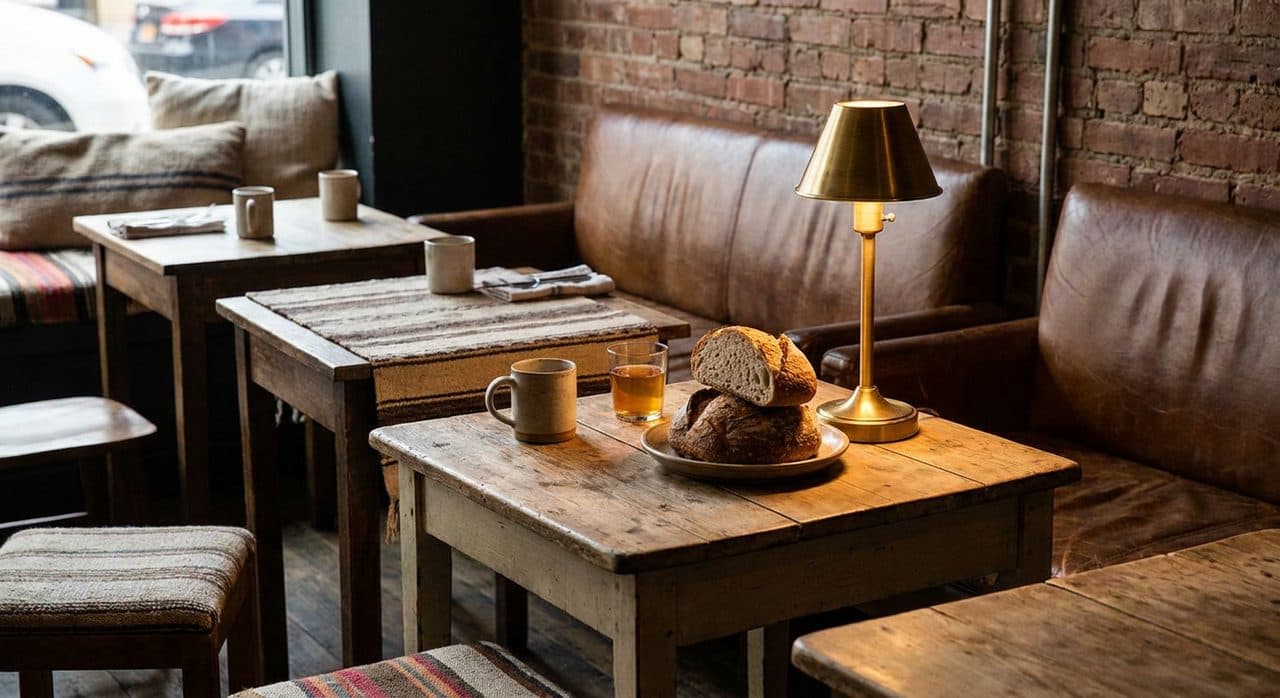
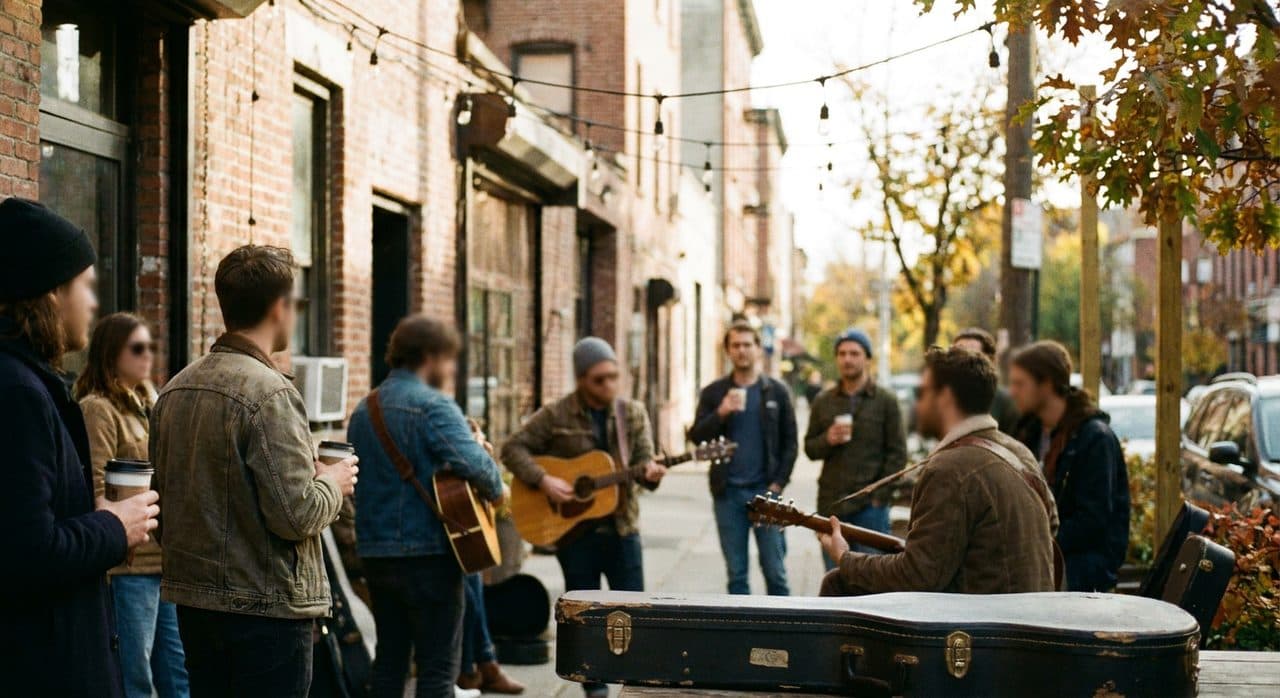
Forget the polished concert experience. Musicians show up in hoodies and running shoes, coffee cups balanced on amplifiers. The artistic director might interrupt a piece three measures in because the upright bass is bleeding into the vocal mic. You'll watch a cellist restart the same passage seven times, each attempt subtly different, while the composer scribbles notes in the third row. Sometimes they break to discuss whether a crescendo should hit at measure 34 or 36. Sometimes the drummer just stops and says "that felt weird" and everyone nods and starts over. The casual intimacy is the point—you're seeing the architecture of a performance before the walls go up. Bring a notebook if you want; half the audience is taking notes, and no one minds if you get up to examine the panel configurations between pieces.
The Thursday Afternoon Ecosystem
The crowd skews toward Pratt students with design portfolios, off-duty sound engineers, and retirees who discovered this years ago and treat it like their weekly social club. You'll see the same woman in the red scarf every week, always fourth row center, always knitting something complex during the quieter passages. There's usually a handful of musicians from other boroughs who come to study specific players—last month a trumpet player from Queens sat through three rehearsals of the same avant-garde piece, recording notes on his phone. The vibe is library-quiet during playing, but between pieces people chat openly, comparing observations. The staff doesn't enforce concert hall silence rules here. If your phone rings, you'll get gentle side-eye, but the musicians themselves sometimes check their phones mid-rehearsal.
The Genre Doesn't Stay in Its Lane
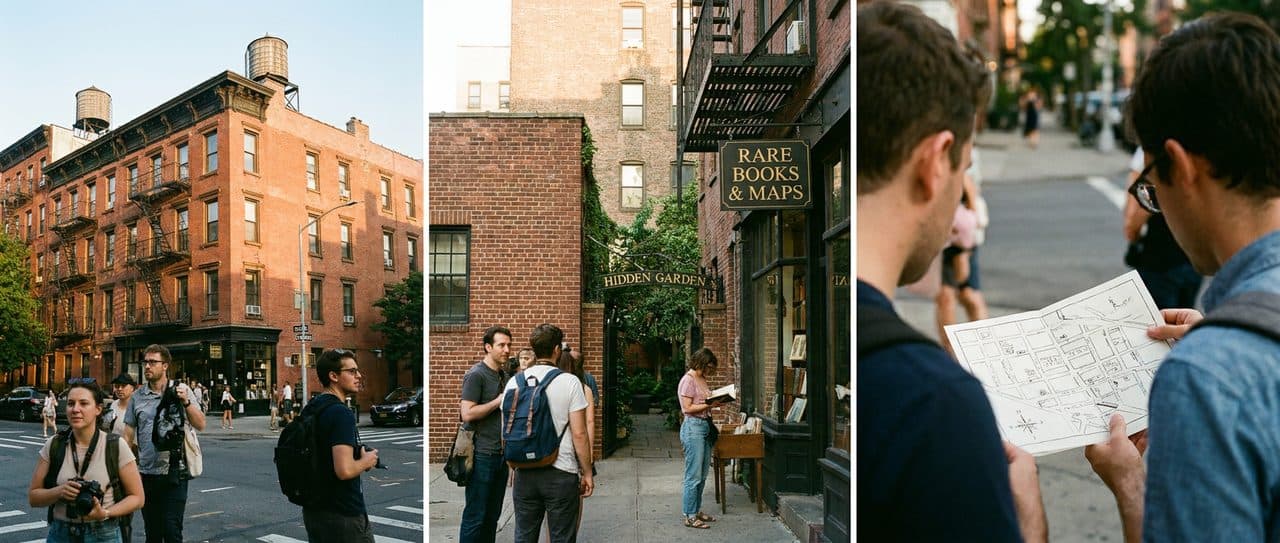
National Sawdust's programming director books everything from Hindustani classical to death metal chamber pieces, which means Thursday rehearsals become a genre roulette. One week you're watching a string quartet deconstruct Ligeti, the next it's a laptop musician building soundscapes from field recordings of Newtown Creek. The jazz programming tends toward the experimental end—think Tyshawn Sorey's drumming compositions or Vijay Iyer's piano works that blur into contemporary classical territory. The fall season typically brings more traditional jazz trios, while winter and spring lean harder into fusion and electronic integration. Check their online calendar the Monday before to see what's rehearsing—the listings include composer names and instrumentation, which gives you enough information to decide if you're in the mood for prepared piano or soprano saxophone.
The Unspoken Rehearsal Etiquette
You can arrive anytime after the 2pm start and leave whenever you need to—this isn't a trapped-in-your-seat situation. The side doors stay unlocked, and people drift in and out during natural breaks. That said, entering during an active performance, even a rehearsal one, gets you the universal "really?" look from the front rows. Wait for applause or discussion breaks. Photography without flash is generally tolerated, but video recording will get you a polite tap from the house manager—they're protective of the artists' process. The musicians can see you clearly; the lighting stays up during rehearsals. If you're visibly engaged, nodding along or leaning forward during complex passages, performers notice and appreciate it. The artistic staff sometimes asks audience members for feedback during breaks—"did that transition feel abrupt to you?"—so be prepared to have opinions if you've been watching intently.
What You Won't Find Here
There's no concessions stand, no bar service during Thursday sessions, no program notes handed out at the door. The lobby has a water fountain and that's your refreshment situation. The bathrooms are single-occupancy and there's often a line during breaks, so plan accordingly. Don't expect the full lighting design either—rehearsals run under work lights, which means you see every cable, every music stand, every abandoned coffee cup on stage. The space feels more workshop than venue, which is exactly what makes it valuable. You're not getting the finished product; you're getting the messy, human process of making something precise out of improvisation and notation. Some people find this boring. Those people don't come back. The ones who do come back are here for the mistakes, the do-overs, the moment when a musician finally nails a difficult passage and everyone in the room feels it land.
Practical Notes
Open rehearsals run Thursdays at 2pm, typically September through May, with breaks during major holidays and the venue's summer festival season. The building is at 80 North 6th Street, a five-minute walk from the Bedford Avenue L train stop—exit and walk north toward McCarren Park, turn right on North 6th. There's no RSVP system; you just show up. Seating is first-come, and the doors usually open around 1:50pm. Sessions run 90 minutes to two hours depending on the program's complexity. If you're coming from Manhattan during the day, the L train runs reliably, but Thursday afternoons can mean school groups and strollers, so budget an extra ten minutes. The venue's accessible entrance is on the North 6th Street side, level with the sidewalk. Check nationalsawdust.org/calendar Monday afternoons when they post the week's rehearsal schedule—not every Thursday has an open session, particularly during tech-heavy productions that need the space closed.
Tags: #FreeNYC #WilliamsburgBrooklyn #JazzRehearsals #NationalSawdust #FreeJazz #NYCInsider #BrooklynMusic #LiveMusic #ContemporaryJazz #HiddenGemNYC #North6thStreet #ExperimentalMusic #FreeConcerts #NYCCulture #BedfordAvenue
Sources consulted: timeout.com · ny.curbed.com · nycgovparks.org
All trademarks are the property of their respective owners.