NYC Restaurant Week — the city's twice-yearly fixed-price dining promotion — is the only window in the calendar when more than 600 New York restaurants, including some of the most-booked-out rooms in the city, serve three-course meals for $30, $45, or $60. The Summer 2026 edition runs July 20 through August 16, with an optional extension through Labor Day. The trick is knowing which 30 of the 600 restaurants are actually worth booking and which window of the four weeks to book them in.
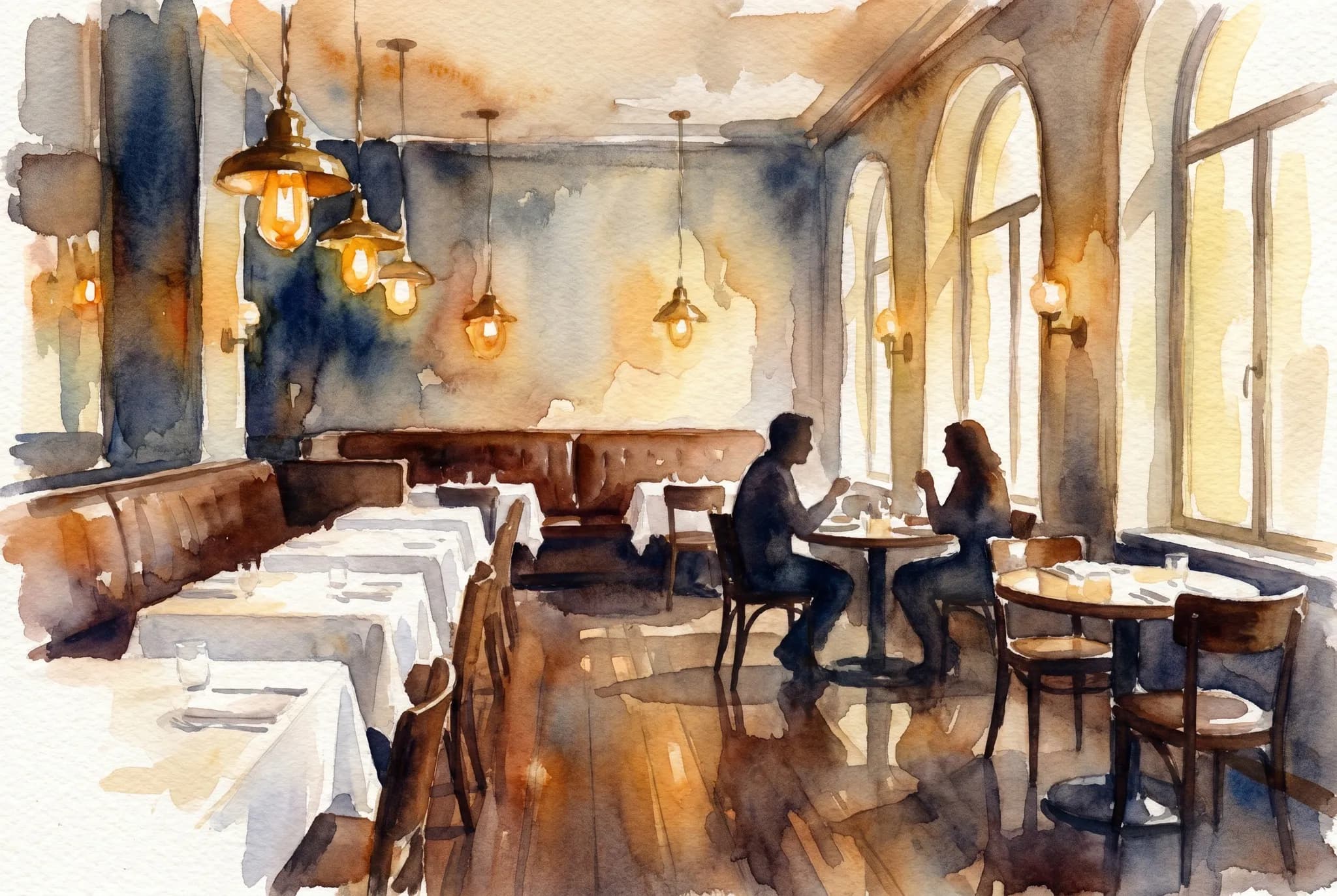
The Program, Briefly
NYC Restaurant Week was invented in 1992 by the NYC tourism board (then NYC & Company, now New York City Tourism + Conventions) as a one-week summer promotion to keep restaurant seats filled during the August lull. It worked. The format — fixed-price prix-fixe across hundreds of participating restaurants — has been copied by basically every American city. The New York original now runs twice a year: Winter (mid-January through early February) and Summer (mid-July through mid-August), each running roughly four weeks.
The current pricing is a three-tier system. Restaurants choose one tier and offer a three-course meal at that price: **$30** (entry tier, typically lunch at neighborhood restaurants), **$45** (mid tier, lunch or dinner at higher-end places), or **$60** (top tier, dinner at the genuine fine-dining contenders). The pricing is set by the city's tourism board annually. The 2026 Winter edition had over 600 participating restaurants; Summer is expected at similar scale.
Restaurants can offer the prix-fixe at any meal period of their choosing — lunch only, dinner only, or both. They can also blackout specific days (most exclude Saturday dinner). Not every dish on the menu is available at the prix-fixe price; the restaurant publishes a Restaurant Week menu that's usually a curated subset of the regular one.
Why It's Worth Caring About
The market reality of Restaurant Week is that it serves two different demographics. The first is the office-lunch and tourist-visit demographic — the folks who book the $30 lunch at a neighborhood Italian place they would've gone to anyway and consider the prix-fixe a mild discount. The program works for them, but it isn't interesting.
The second demographic is the one this article is about: people who use the four-week window as the only practical way to eat at restaurants that are otherwise booked out a month in advance, at prices that don't require a tasting-menu commitment. Restaurant Week is, in this reading, the city's annual access window. The $60 dinner tier is where the program is actually subsidized — the restaurants offering it are doing so as a marketing exercise, not a margin play, and they tend to use their Restaurant Week slots to seat first-time guests they hope to convert to regulars.
The Specific Sub-Tier Worth Targeting
The math that matters: the Summer 2026 Restaurant Week menu list is enormous (~600 restaurants). About 350 of those are at the $30 tier and most are restaurants you wouldn't bother going out of your way to eat at outside the program. About 200 are at the $45 tier — solid mid-range neighborhood spots, very good if you live in the neighborhood, not worth a trip otherwise. The interesting tier, for someone who wants to use Restaurant Week as a discovery tool, is the $60 dinner band.
That tier contains roughly fifty restaurants, and within it you'll find restaurants that would normally charge $150–$220 a person for the same dishes outside the prix-fixe. The list rotates year to year, but past Summer programs have included Manhatta, Loring Place, Le Coucou, Cosme, ABC Kitchen, Gramercy Tavern, Atoboy, Llama Inn, and the bar menus at restaurants whose dining rooms are normally booked four weeks out. The 2026 list will be published on the NYC Tourism website roughly two weeks before the program starts.
The right way to read the list when it drops: open the $60 tab first. Read it all the way through. Pick five restaurants you would normally pay full price for. Book them all on the first day reservations open (typically the Wednesday before the program starts, 9am via OpenTable and Resy depending on the restaurant). Cancel any that don't work out closer to the date. Restaurant Week reservations don't carry the same no-show penalty most of these restaurants enforce the rest of the year.
Which Weeks Within the Program
The Summer 2026 program runs four weeks (July 20 through August 16) with an optional Labor Day extension. The four weeks are not the same. Internally:
**Week 1 (July 20–26)** is the busiest week. The press coverage is fresh, the program just launched, the reservations made two weeks earlier are in full force. Tables are tight. Service is slightly hurried. Avoid if you can.
**Week 2 (July 27–August 2)** is the most balanced. The launch buzz has cooled, the kitchens have hit their stride with the prix-fixe menu, and the city is in its peak summer rhythm. The best week to book.
**Week 3 (August 3–9)** is when the prix-fixe menus start to slip slightly — proteins get more interchangeable, sauces get more familiar. Still good. Slightly less ambitious.
**Week 4 (August 10–16)** is the week the locals who've been waiting use up the leftover slots. Tuesday and Wednesday nights in Week 4 are the lowest-pressure slots in the entire program for the $60 tier. The wait list is shortest. The kitchen is rested into the rhythm. The August humidity has either driven half the city to the Hamptons (great for you) or settled into a dense heat (less great).
The optional **Labor Day extension** is hit-or-miss; not all restaurants opt in. Check individual menus.
What the Prix-Fixe Actually Looks Like
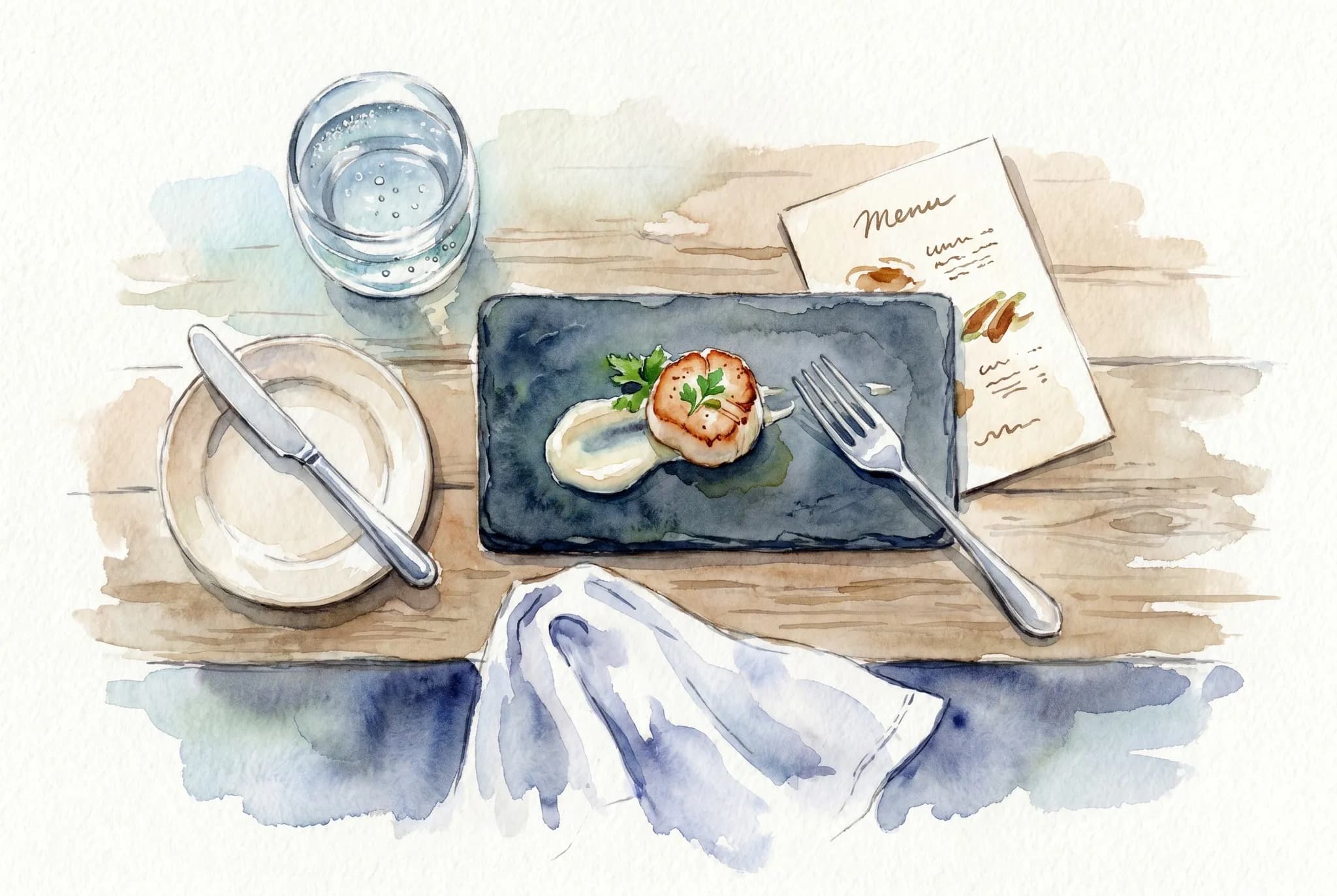
A typical $60 three-course menu at a $200-tasting-menu restaurant looks like this: choice of three appetizers (one usually a vegetable preparation, one a fish or charcuterie, one a richer starter), choice of three mains (one fish, one chicken or pasta, one meat), choice of two or three desserts. The portions are the regular portion size, not tasting-menu sizes. Wine and cocktails are not included; the restaurant typically offers a wine pairing add-on for $25–$45.
The dishes on the Restaurant Week menu are usually the dishes the restaurant wants to be remembered for. The chef is using the program to demonstrate the kitchen at its representative best, not to push the most experimental or expensive plates. This is good for first-time guests; it means the prix-fixe menu is a fair reflection of what the kitchen does.
It is not always good for repeat guests of the same restaurant. If you've been to Gramercy Tavern five times, the Restaurant Week menu will not surprise you. If you're using Restaurant Week to try a restaurant for the first time, the menu is exactly the one you want.
Why It Earns "Right on Time"
There is a small genre of New York annual moments that the calendar is built around — Marathon Sunday, the Met Gala block-off, Fashion Week, Restaurant Week, Open House Weekend, the Christmas-tree lighting. Of those, Restaurant Week is the only one that's both four weeks long (so easy to plan around) and built on actual access (so the value is real, not symbolic).
The other reason it earns the slot: it's the rare scheduled-by-the-city promotion that hasn't been diluted by adjacent unofficial extensions. Most cities now have rolling "winter restaurant weeks" running half the year. New York has kept the discipline of two windows, twice a year, four weeks each — which is what keeps the program meaningful. The window is finite. The list of participants is finite. The dates are fixed in advance. You plan, you book, you eat.
Practical notes
- When: Summer 2026 runs July 20 – August 16. Winter 2026 ran late January through early February. The next Winter edition will be January–February 2027.
- Pricing: Three tiers — $30, $45, $60 — for a three-course meal at the meal period the restaurant designates. Tax, tip, and beverages are extra.
- Where to find the list: nyctourism.com/restaurant-week — the full restaurant list, menus, and reservation links publish about two weeks before the program starts.
- Reservations: Restaurant-by-restaurant via OpenTable or Resy, opening on the first day of the program (or 1–2 weeks earlier for some participants). The $60 tier books out fastest for Thursday–Saturday dinner; Tuesday/Wednesday slots stay open longer.
- Best window: Tuesday or Wednesday dinner in Week 2 (July 27–August 2) for the highest-quality $60-tier experience. Saturday lunch in Week 4 (August 10–16) for the easiest $45-tier booking.
- What to do: Pick three restaurants from the $60 tier you'd normally consider out-of-budget, book all three on day-one of reservations, plan the rest of the week around them. The program is most valuable as access, not discount.
- What to skip: The $30 tier at restaurants you'd already go to. The Saturday-night slots at the marquee names (the kitchen is at capacity, not at its best). The "extension to Labor Day" promotions at restaurants that didn't list during the main program.
The point
Most cities run a Restaurant Week as a marketing exercise. New York runs it as the one window of the year when the city's actual fine-dining infrastructure is briefly accessible at a price that isn't a tasting-menu commitment. Four weeks, twice a year, with the same pricing tiers since 2018. The 600+ restaurant list looks overwhelming until you realize the $60 dinner tier is the only one worth caring about — and that's about fifty restaurants, of which maybe ten are the rooms you've been meaning to try and haven't gotten around to booking. Book the ten now. Eat them in Week 2. The next Summer Restaurant Week is July 2026.
#nycrestaurantweek #nycrw #restaurantweek #rightontime #nycdining #nycrestaurants #manhattandining #brooklynrestaurants #nycfoodie #finedining #summerinnyc #wheretobook #nyceats #nyctourism #prixfixe
Sources consulted: nyctourism.com · business.nyctourism.com · loving-newyork.com · overherenewyork.com · fox5ny.com
All trademarks are the property of their respective owners.


