Echo Park sits about fifteen miles inland, which historically meant it was a bad place to eat seafood and now means something more interesting. The distance never mattered much for the mariscos tradition that runs through this part of Los Angeles, because that cooking is built around cured, fried and stewed fish rather than around a pristine fillet. Searching seafood near me here works best if you separate two different questions: where to eat it, and where to buy it. The answers are not in the same places.
Seafood inland in Los Angeles is a supply question: some of it comes through restaurants and the better part comes through counters and markets. Tell Karpo whether you are cooking or eating out and it will send you to the right one.
Eating: mariscos is the neighbourhood's actual seafood tradition
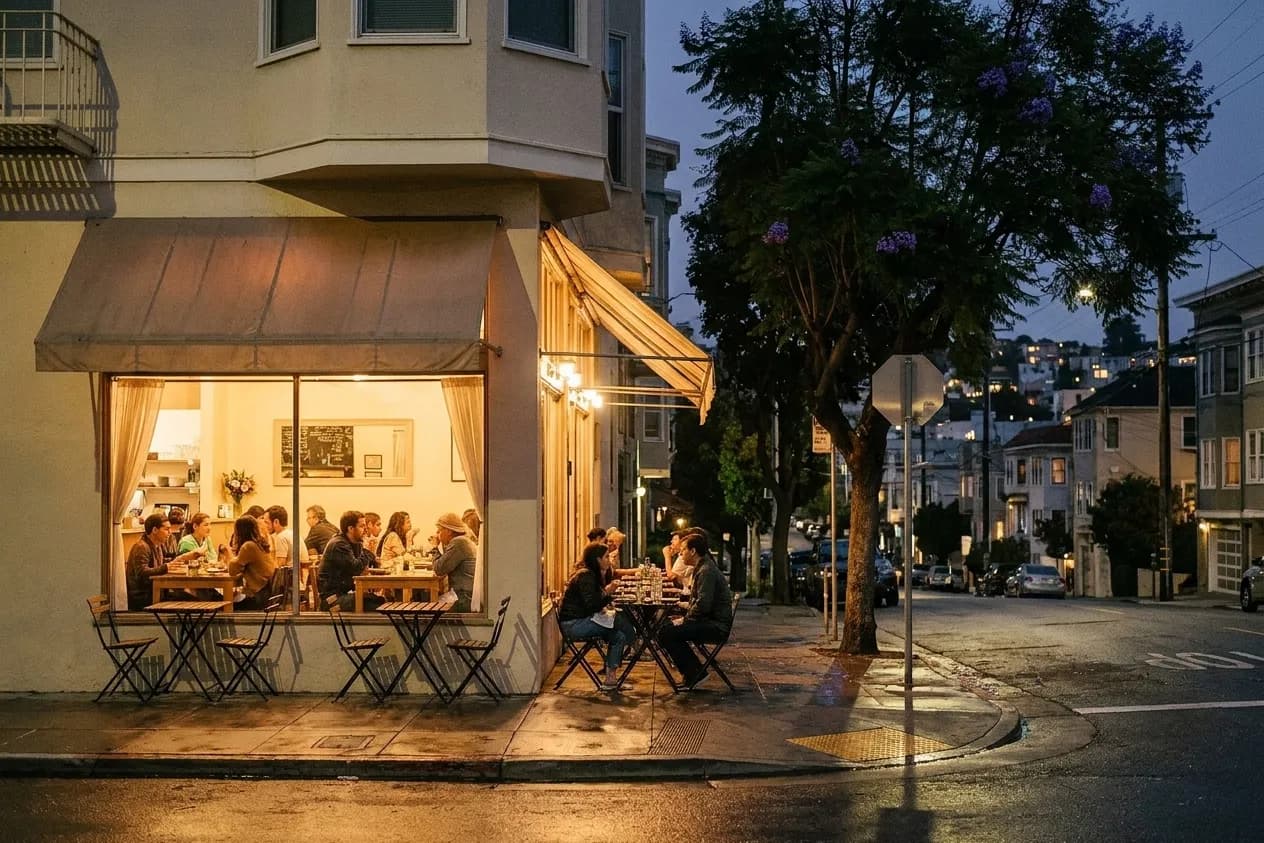
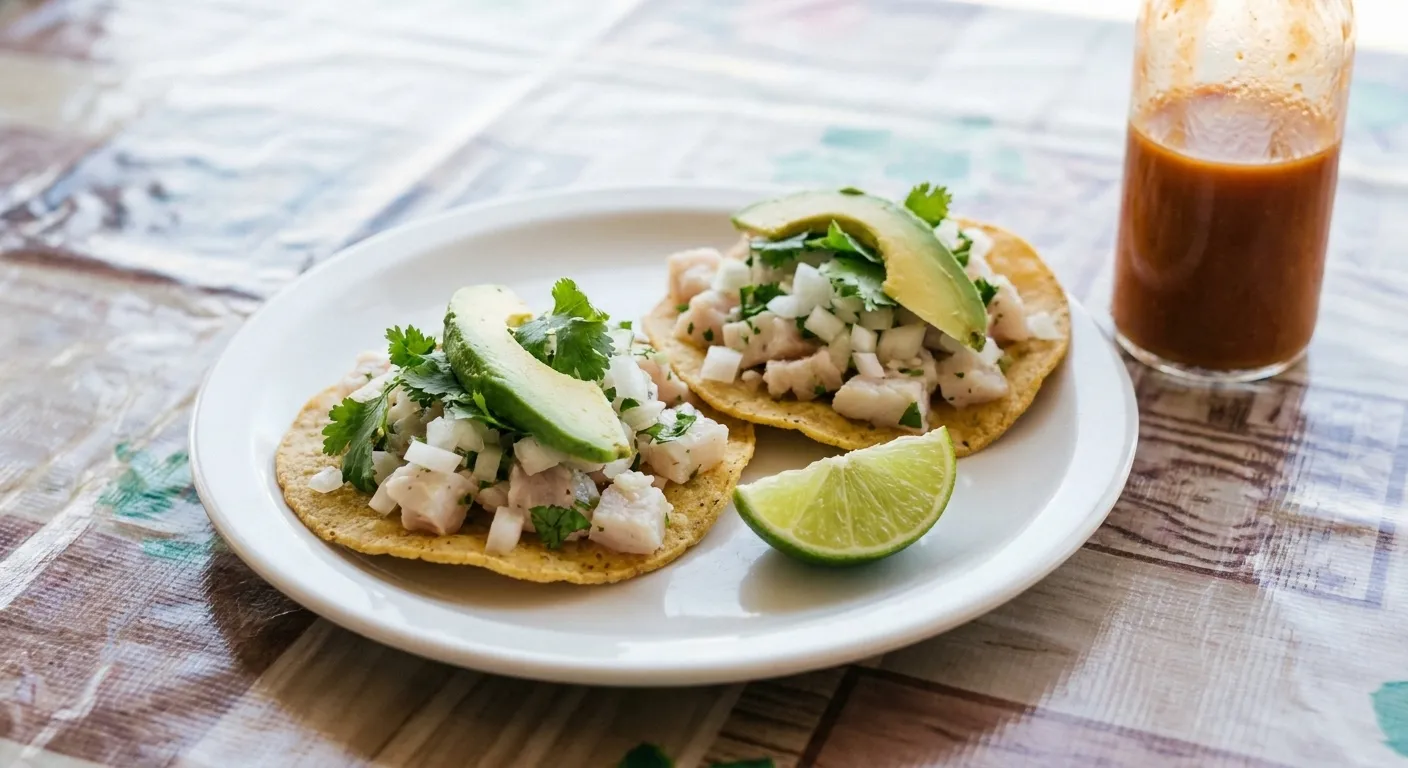
Ceviches and aguachiles, tostadas piled with cured fish, shrimp cocktails served in tall glasses, whole fried fish, and caldos — this is the seafood cooking of the eastside and it is genuinely good. It is also better suited to an inland neighbourhood than a delicate grilled fillet, because acid, chilli and frying are all techniques developed partly to handle fish that has travelled. Eating it at a counter at lunchtime is the single best seafood value in this part of the county.
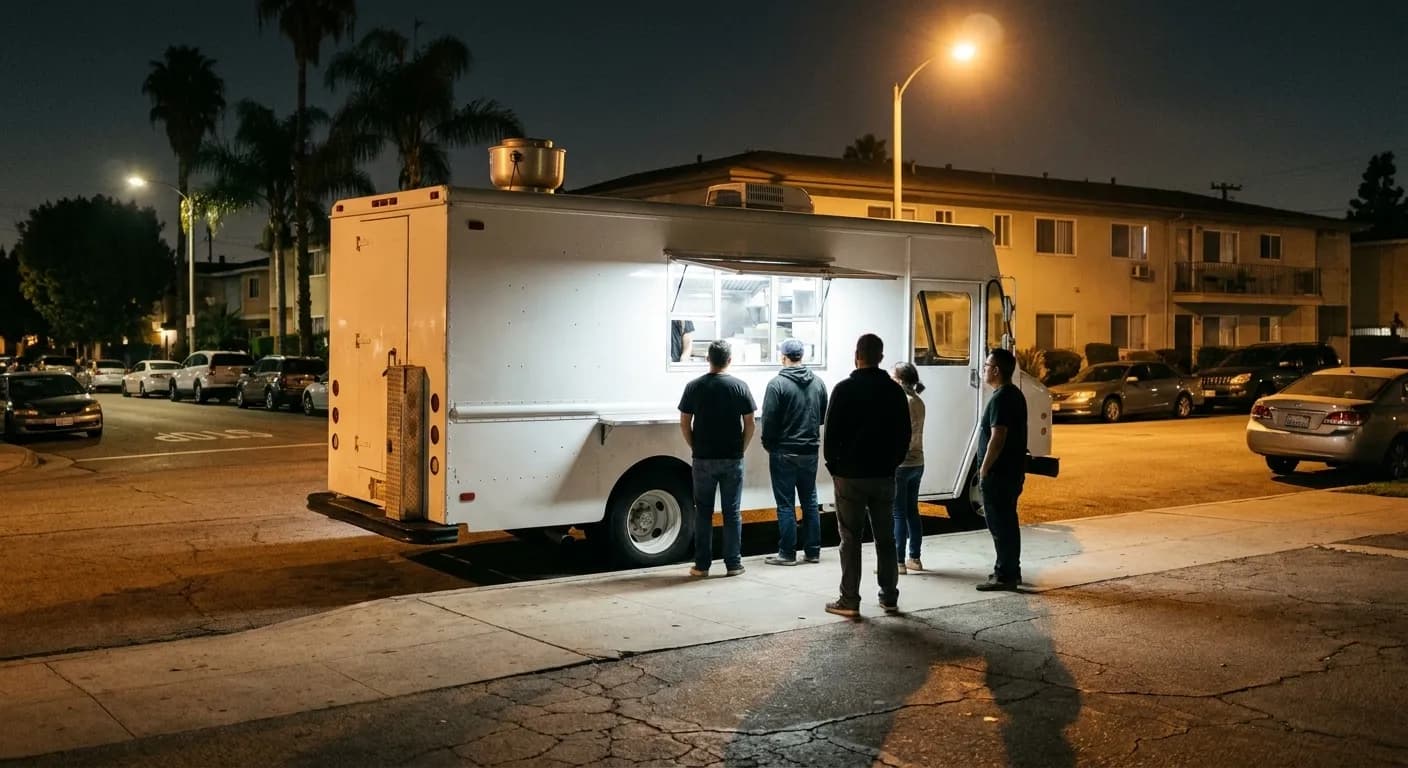
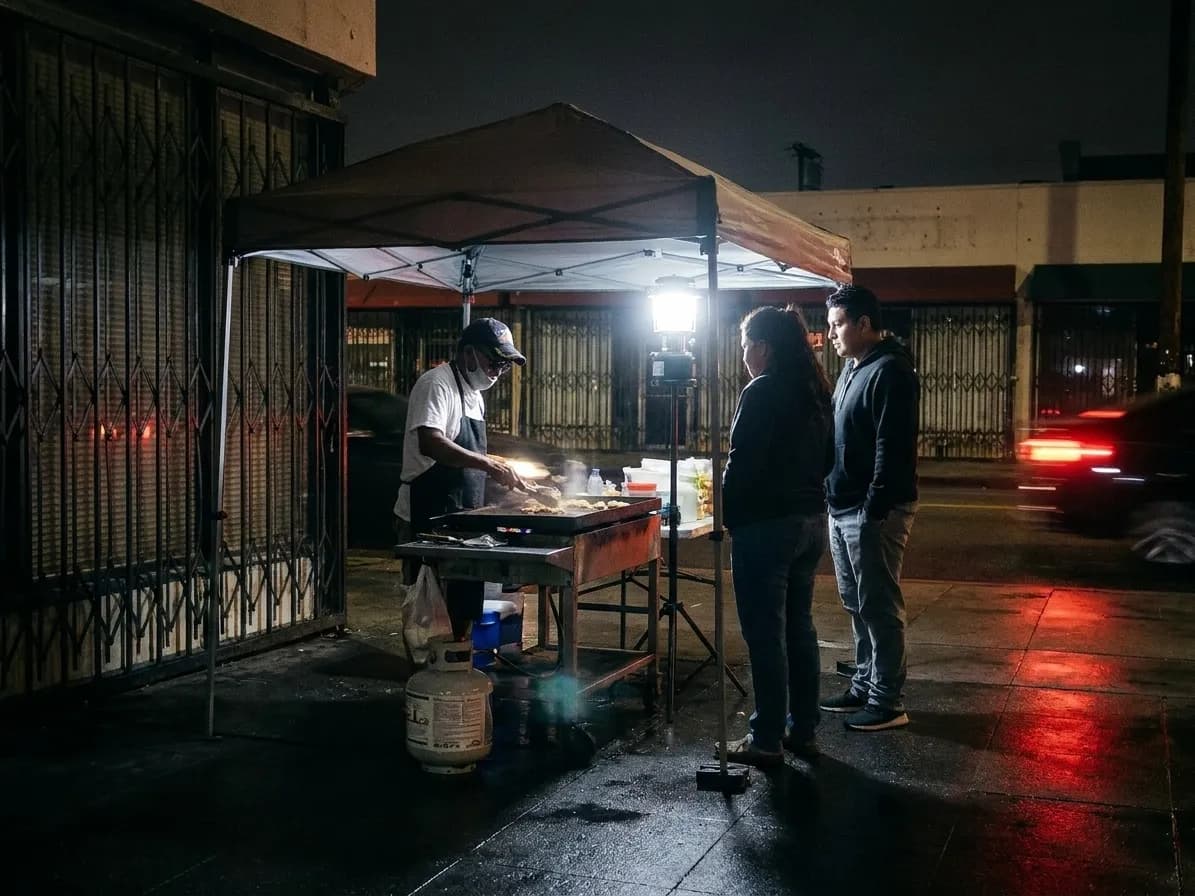
The related format is the seafood truck, which appears on the boulevards at weekends and in the evenings and does a shorter, sharper version of the same menu. Look for one with a queue rather than one that is convenient.
Buying: the markets do this better than the restaurants
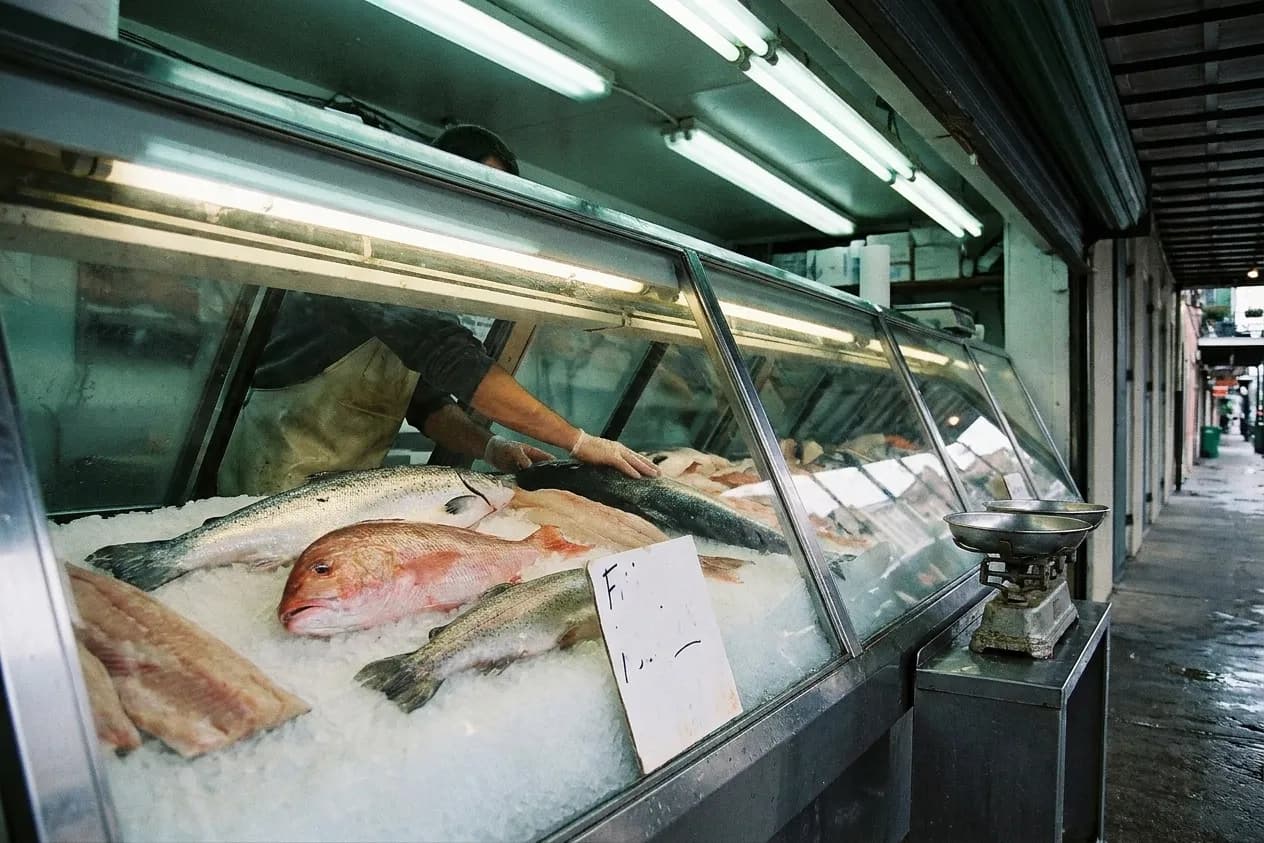
If you are cooking, the neighbourhood and the areas immediately around it have Latin and Asian markets with fish counters that are considerably better than a supermarket case and usually cheaper. Whole fish, heads and bones for stock, shrimp in several sizes, and a counter that will scale and gut for you at no cost. This is where people who cook fish in this part of Los Angeles actually shop, and it is invisible in a restaurant search.
How to judge a counter in five seconds
Look at the eyes and the gills on the whole fish, which should be clear and red respectively. Look at whether the fillets are sitting in liquid, which they should not be. Smell the air, which should smell of the sea and not of fish. And look at how much ice there is relative to product — a counter that is turning stock over keeps a deep bed and restocks through the day.
What is worth buying inland
The species that travel well and cook forgivingly: whole branzino or tilapia for roasting, shrimp, squid, and any firm white fish for frying or curing. Skip the delicate raw applications unless the counter specifically sells for that purpose. And ask what came in today rather than what is on offer — the honest answer is usually offered readily, and it is the only question that separates a good counter from an average one.
The Saturday version
The best use of all this is a single morning: buy at a market counter, pick up limes, chilli and tortillas on the same trip, and make ceviche or fried fish tacos at home in the afternoon. It costs a fraction of a restaurant meal, it is genuinely easy, and it is a more accurate version of how this neighbourhood eats seafood than any restaurant list would suggest.
Stock, hours and vendors vary from day to day, so check before making a trip for a specific counter.
Reading a mariscos menu
The vocabulary is worth ten minutes. Ceviche is fish cured in citrus, usually chopped and served with tostadas. Aguachile is a sharper, chilli-forward version, typically with shrimp and served much less cured. A cóctel is a shrimp or seafood cocktail in tomato and lime broth, served in a glass, and is a meal rather than a starter. Pescado zarandeado is a whole butterflied fish grilled with a chilli paste and is the dish to order for a table.
Two ordering notes. Aguachile is genuinely hot in most kitchens and asking for it milder is completely normal. And the mixed or campechana options are usually the best value on the board, because they use several things at once and are portioned generously.
The seasons still matter inland
Distance from the water does not exempt you from the calendar. California's commercial salmon season has been closed or curtailed in recent years, and Dungeness crab openings shift with whale migration closures, so a menu offering either outside its window is selling something frozen or imported. Shrimp, squid, tilapia and farmed fish are year-round and honest about it.
For a mariscos counter this matters less than it does at a fine-dining fish restaurant, because the cooking is designed around what is available. But it is still worth asking what came in today, and the counters that can answer readily are the ones to keep going back to.
Tags: #LosAngeles #LA #SoCal #NeighborhoodGuide #LocalGuide #ByTheBlock #EchoPark #Seafood #LAEats #LAGuide #ExploreLA #LALocal #LAWeekend #LANights
Sources consulted: la.eater.com · latimes.com · wildlife.ca.gov
All trademarks are the property of their respective owners.
Ask Karpo first
Karpo is a proactive AI assistant that lives in iMessage. Tell it if you are cooking and it will send you to a counter instead of a table.