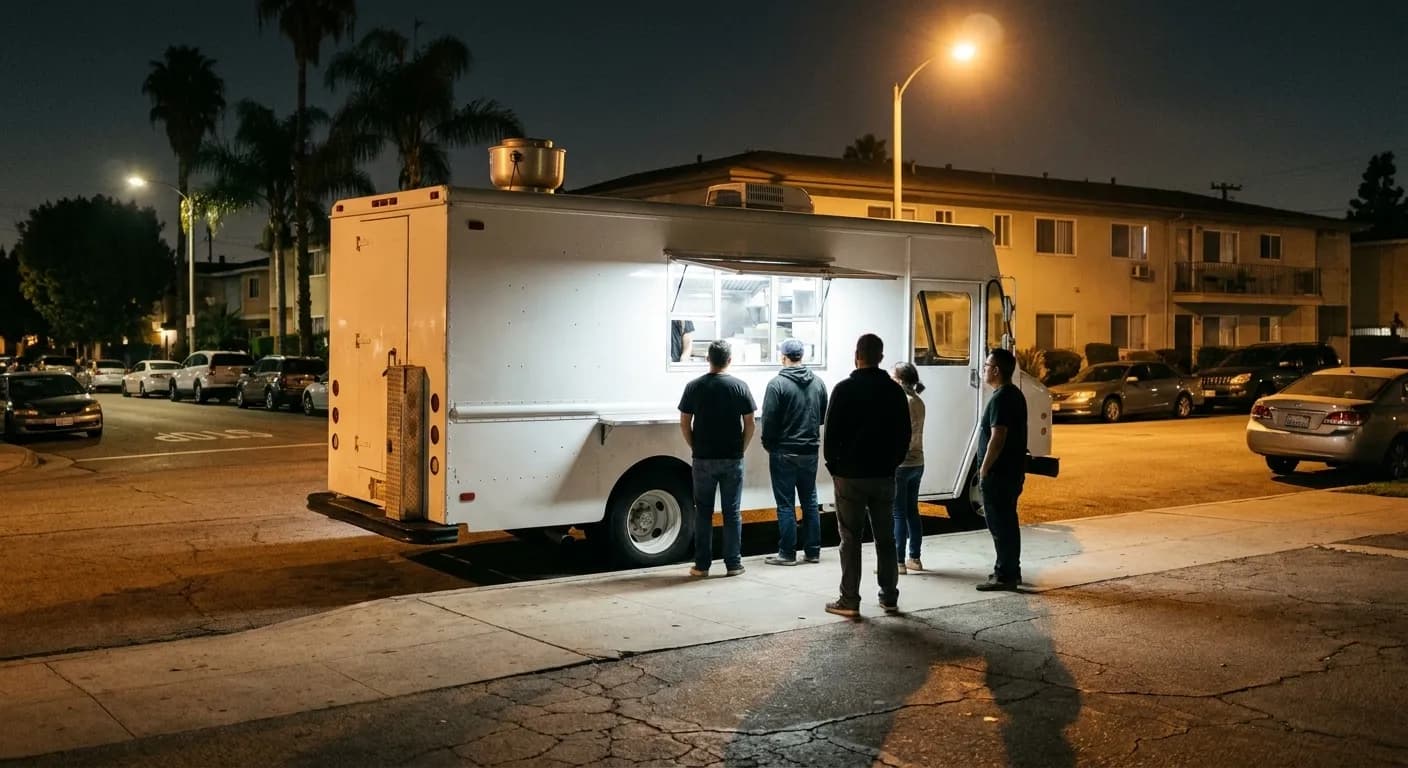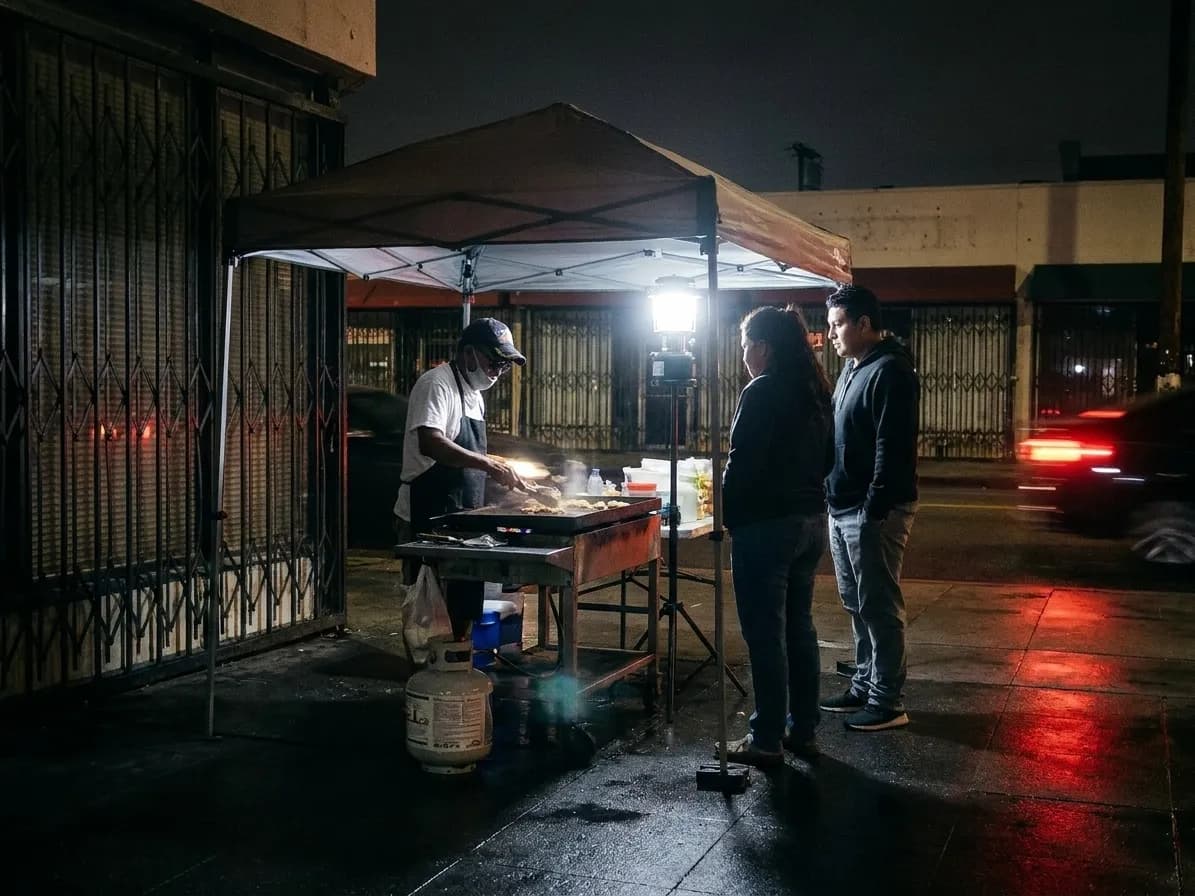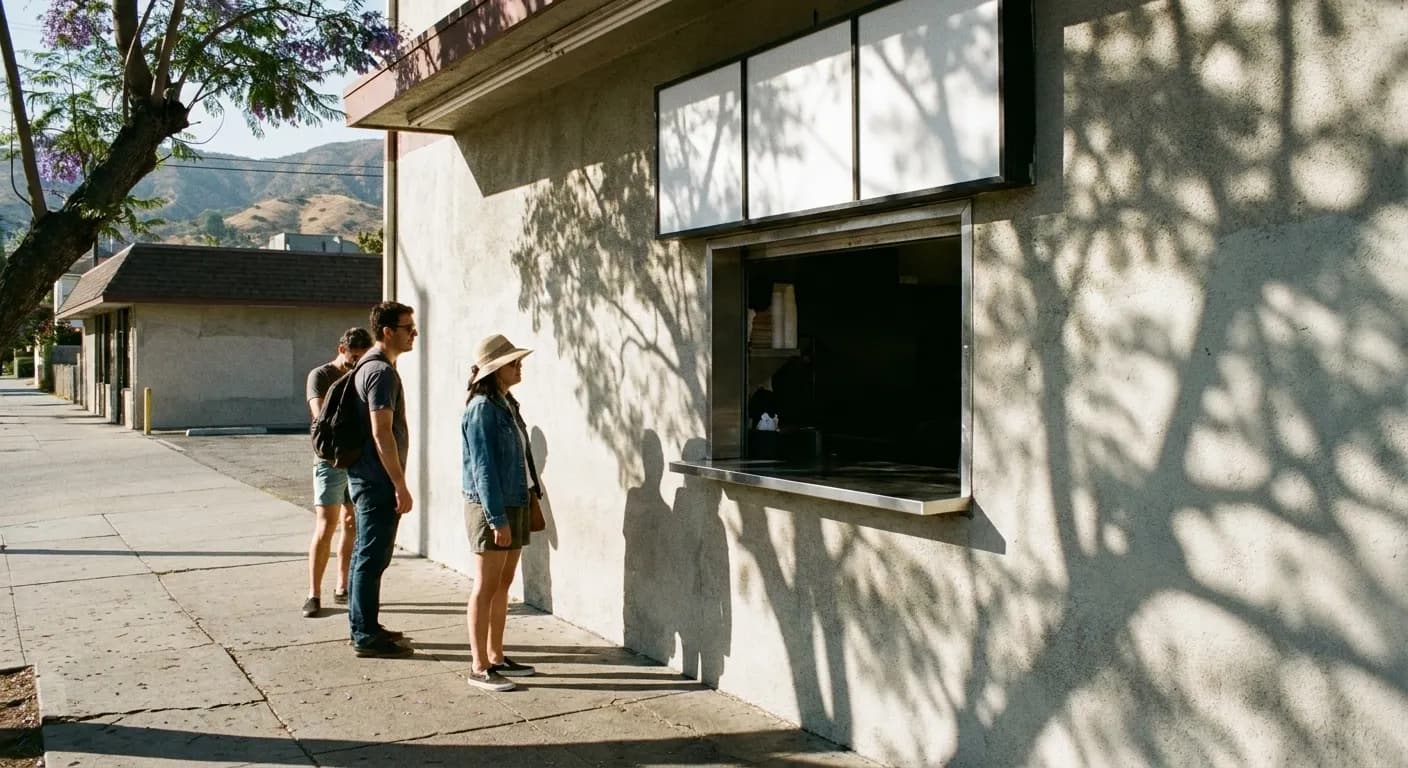
Echo Park has enough good pizza within a short walk to make a crawl genuinely worth doing, and it is the kind of neighbourhood where a crawl is the right format — dense, walkable, and full of shops that sell by the slice rather than only by the pie. The part people get wrong is the sequence. Three stops in the wrong order means you are full at the second and disappointed at the third. Sequenced properly it is one of the better cheap evenings in Los Angeles.
Doing several pizza stops in one evening is a pacing problem before it is a taste one, and the order of the stops is what makes or breaks it. Tell Karpo how many stops you want and it will sequence them.
The rules of a crawl that works
One slice per stop, no sides, water between stops, and walk the whole route rather than driving between them. That is the entire method and every part of it matters. A second slice at the first shop ends the crawl. A soda at each stop fills you faster than the pizza does. Driving removes the twenty minutes of walking that make the next slice appealing.
Three stops is the right number for most people and four is ambitious. Two is not a crawl, it is dinner. Build the route so the walking legs are roughly equal, because a long gap between stops two and three is where groups lose momentum and decide to go to a bar instead.
Sequence by style, lightest first
The ordering principle is the same as for a tasting menu: lightest and most delicate first, richest last. Start with a plain or thin-crust slice where the crust and sauce are the whole story, move to something with more topping and more fat in the middle, and finish with the heaviest thing on the route — a thick square, a deep pan, a loaded slice.
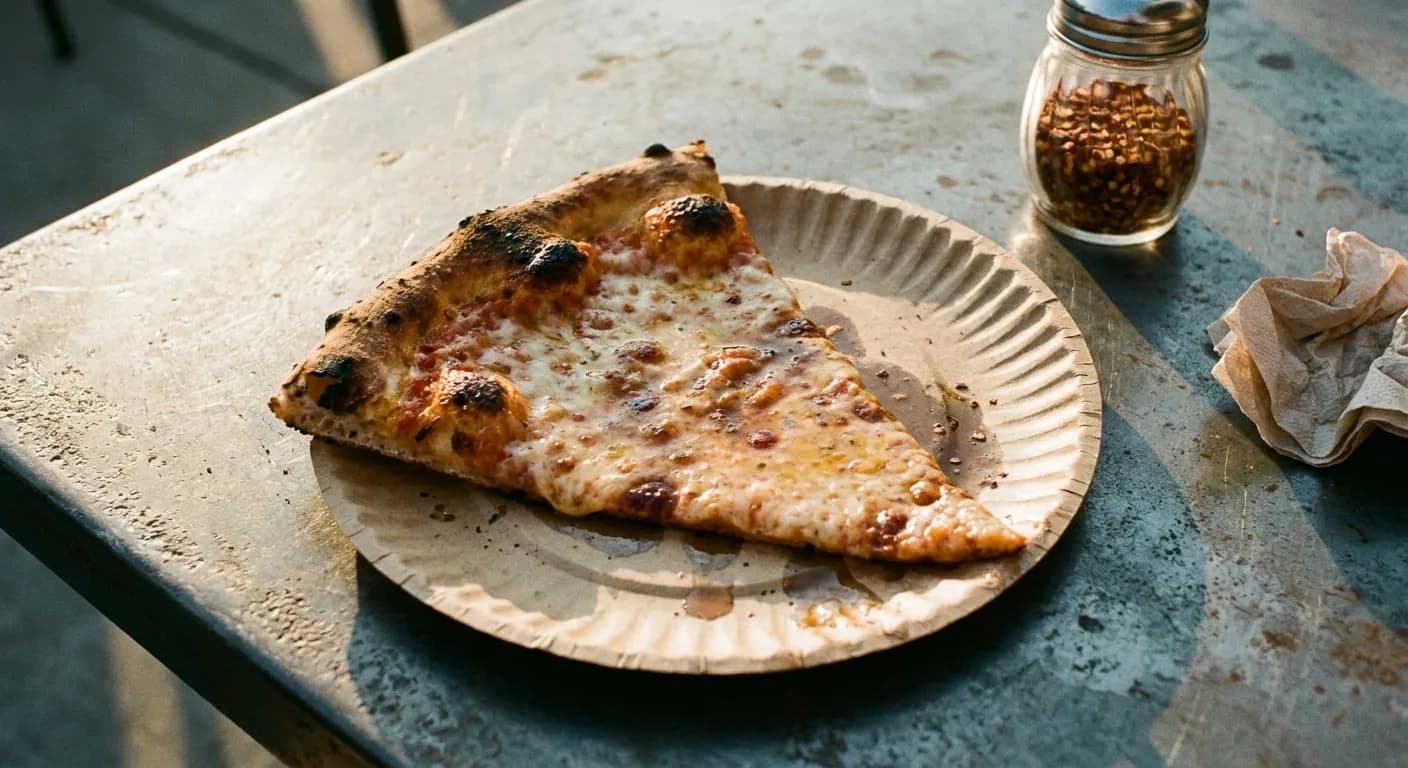
Doing it the other way round ruins the middle of the crawl. After a heavy slice with three toppings, a delicate margherita reads as bland rather than clean, and you will misjudge a shop that is actually the best on the route. Style order is more important than geographic order, and if the two conflict, take the extra walking.
Reheat versus fresh, and how to tell
Slice shops keep whole pies in a case and reheat to order. How they reheat is the single biggest quality variable on a crawl. A hot deck oven crisps the base again in a couple of minutes and the slice arrives structurally intact; a low warming shelf produces something limp. You can see which you are getting while you queue.
The other variable is age. A shop with steady turnover is cutting from pies made within the hour; a quiet shop may be reheating something from much earlier. On a crawl, prefer the busy stop even if it means waiting five minutes — that wait is a quality signal, not a cost.
Timing the route
Early evening is the sweet spot. Pies are fresh, the shops are busy enough to be turning over but not so busy that each stop takes twenty minutes, and the walking is pleasant. Later than about nine and you are into reheat territory at several stops; much earlier and you are eating dinner at five.
This neighbourhood is hillier than it looks on a map, so plan the route to climb early and descend late. Parking is easiest if you park once near the middle of the route and walk out and back rather than trying to find a space near each stop.
What to do with the leftovers of the evening
A pizza crawl leaves you pleasantly full rather than stuffed if you follow the one-slice rule, which means the evening can continue. This neighbourhood has bars, live music and a lake to walk around within the same few blocks, and finishing a crawl with a walk rather than a fourth slice is the version people repeat.
Hours at small pizza operations change frequently and several close on a weekday that suits the owner. Check before building a route around a specific shop, and have a fourth option in mind so a closed door does not break the sequence.
Doing it with a group
A crawl scales well up to about six people and badly beyond it, mostly because ordering gets slow. The fix is to send one person ahead to order for everyone at the next stop while the group finishes the current one, which keeps the sequence moving and stops each shop absorbing fifteen minutes of queue.
Splitting slices is also worth agreeing in advance. Six people each taking a whole slice at three stops is a lot of pizza; six people splitting three slices per stop tastes the same range and leaves everyone able to finish. The second version is what makes a four-stop crawl possible.
Tags: #LosAngeles #LA #SoCal #NeighborhoodGuide #LocalGuide #ByTheBlock #EchoPark #Pizza #FoodCrawl #LAEats #LAGuide #ExploreLA #LALocal #LAWeekend
Sources consulted: laist.com · eater.com · latimes.com
All trademarks are the property of their respective owners.
Ask Karpo first
Karpo is a proactive AI assistant that lives in iMessage. Give it your stops and it will put them in the right order.