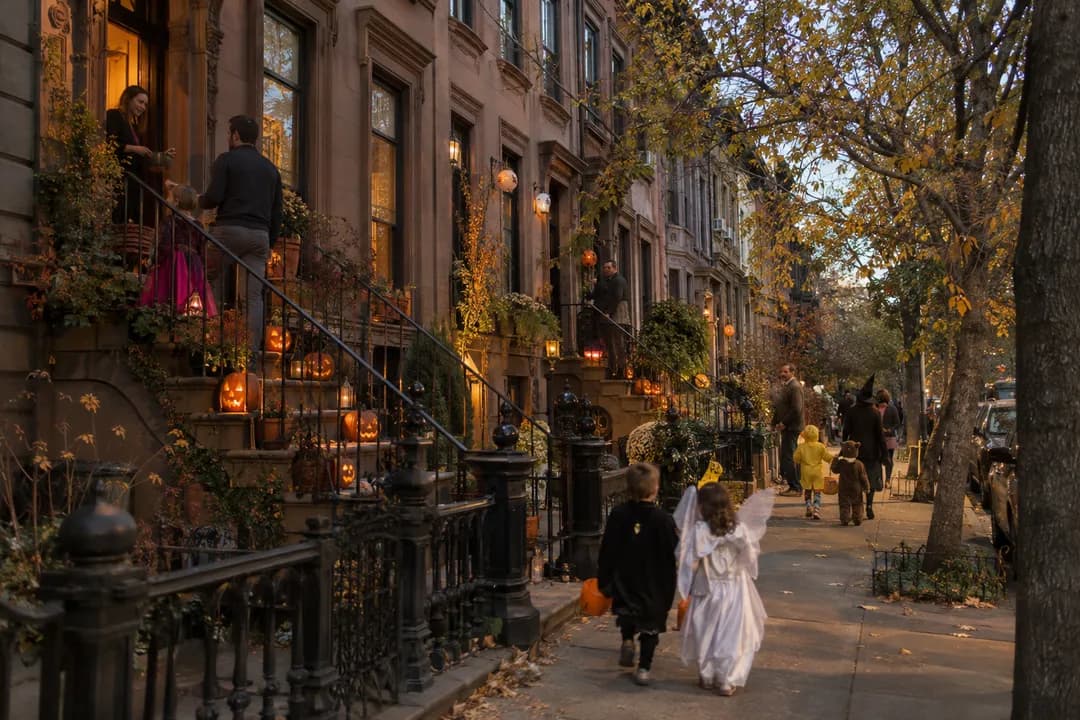
 Best Trick or Treating Neighborhoods Near Me: Park Slope
Neighborhood Guides

The East River Ferry Route That Feels Like Leaving the City
Astoria to Wall Street via Greenpoint and Williamsburg; the front deck at dusk is the ticket
You board at Astoria's Hallets Cove landing around 5:47 PM on a Wednesday, when the commuter crush has thinned but the after-work crowd hasn't yet discovered they're hungry. The front deck is where you want to be—not the enclosed cabin with its recycled air and phone conversations, but outside where the wind strips away the day and the city starts to feel like something you're watching rather than trapped inside.
The First Twenty Minutes Are Still City
The ferry pulls away from Astoria and the skyline arranges itself into that postcard view everyone pretends not to photograph. But you're facing the wrong direction for postcards. You're watching the Socrates Sculpture Park slide past, then the industrial bones of Ravenswood where the power plant's stacks rise like brutalist monuments. The water here is green-brown, honest about what it carries. A crew member named Luis—been doing this route for four years—once told a regular that the river's clearest at slack tide, about forty minutes before the schedule says high or low. Something about sediment settling. You feel the engine's vibration through the metal bench and taste salt that isn't quite salt, more like mineral and diesel and something older.
Greenpoint Appears Like a Hinge

The ferry angles toward Greenpoint's India Street pier and suddenly you're seeing the neighborhood from its working waterfront side, not the coffee shop face it shows McCarren Park. Warehouses with painted-over signage. A community garden clinging to a lot between marine suppliers. The Manhattan skyline is there, sure, but it's backdrop now, not destination. An older Polish woman who boards here most evenings—always carries a canvas bag from Polka Dot Bakery—sits on the starboard side because the setting sun hits differently there, warmer on the face. She's never said this, but you notice patterns. The stop is three minutes, maybe four. Someone's always running down India Street, waving, and the crew always waits.
Williamsburg Is Where Tourists Remember They're On Water
North 6th Street landing fills with people holding expensive cameras and wearing boat shoes that have never seen a boat. They crowd the rails and block the sight lines you've been cultivating. But here's what they miss: move to the very front tip of the bow, that triangle of deck space where the rail makes a point. There's room for maybe two people if you don't mind standing close. From there you see the water split around the hull, watch the ferry's wake spread in perfect chevrons. The Domino Sugar refinery looms to your left, half-renovated into something it wasn't born to be. The Williamsburg Bridge cables catch the dropping sun and turn copper-gold for maybe eight minutes. Time it right—between 6:15 and 6:23 in late September—and the light does something optical, makes the bridge look like it's floating.
The Middle Stretch Empties Your Head

Between Williamsburg and Dumbo the ferry finds open water, relatively speaking. The engine settles into a deeper rhythm. Manhattan and Brooklyn pull apart and you're in the space between, neither here nor there, suspended. This is the part where conversations quiet down. Even the tourists stop narrating their experience for their phones. The helicopter traffic from the Downtown Manhattan Heliport crosses overhead, rotors chopping the air into pieces. You can see both rivers from here if you know where to look—the East obviously, but also where it meets the Hudson at the Battery, that confluence of currents that used to terrify Dutch sailors. A Pakistani man who drives for the MTA and takes this ferry home told someone at the rail once that this middle section, this twenty-minute stretch, is the only time all day he doesn't hear sirens. The city is right there, climbing into its evening self, lighting windows, but you're outside it. The wake trails behind like proof you've been somewhere.
Dumbo Brings the Architecture Back
The ferry slides under the Brooklyn Bridge and suddenly you're in that famous sandwich of stone and steel, the Manhattan Bridge ahead, the Brooklyn behind. Dumbo's landing sits in shadow even when the rest of the river glows. The buildings here are converted warehouses trying hard to be sophisticated, and mostly succeeding. More people board—design types with portfolio cases, parents with strollers engineered like spacecraft. The ferry feels fuller now, heavier in the water. But if you've held your spot at the front, you're fine. The bridges from below are a different species than bridges from above. You see the bolts, the rust, the way the structure actually works instead of just what it does. A maintenance worker once pointed out the inspection cables running along the underside of the Brooklyn Bridge—thin as thread from this distance, strong enough to hold a crew.
Wall Street Arrives Too Soon
The final stretch passes the South Street Seaport, and now you're definitely back. The buildings crowd close, glass and steel pressing in from both sides. The ferry slows, angles toward Pier 11, and you can feel the city's gravity reasserting itself. The front deck crowd starts gathering bags, checking phones that have been pocketed for thirty-five minutes. You stay put until the last moment because the landing process is its own small theater—the crew throwing lines, the synchronized dance of metal and rope. Wall Street's landing dumps you at the base of the Financial District where the evening shift is beginning—people heading to dinners they'll expense, bars where they'll complain about people they work with. You step onto the pier and the city swallows you back.
Practical Notes
The East River Ferry runs year-round with reduced frequency November through March. Astoria departures from Hallets Cove hit roughly every thirty-five to forty minutes during evening rush, less frequent after 7 PM. Single ride costs $4.50 with OMNY or MetroCard, $6 cash. The front deck closes in heavy weather or when temperatures drop below 25 degrees—check the NY Waterway alerts before committing to the outdoor experience. No reservations, first-come seating. The full Astoria-to-Wall Street run takes about forty-five minutes depending on stop traffic. Bikes allowed, no additional fee. Weekend schedules shift—verify times via the NYC Ferry app. Best months are September and October when the air's cool enough to keep crowds manageable but warm enough that the deck stays open past sunset.
Tags: #NYCFerry #EastRiver #LongWayHome #AstoriaQueens #Greenpoint #Williamsburg #WallStreet #NYCWaterways #SlowTravel #CommuterLife #BrooklynBridge #CityEscape #FerryCommute #NYCInsider #UrbanWater
Sources consulted: timeout.com · atlasobscura.com · nycgo.com
All trademarks are the property of their respective owners.
Ask Karpo for more information.
Keep reading
- Best Trick or Treating Neighborhoods Near Me: Park Slope
 Best Trick or Treating Neighborhoods Near Me: Carroll Gardens
 Best Trick or Treating Neighborhoods Near Me: West Village