 Wine Tasting Near Me: Inside Williamsburg's Working Winery
Creative Workshops
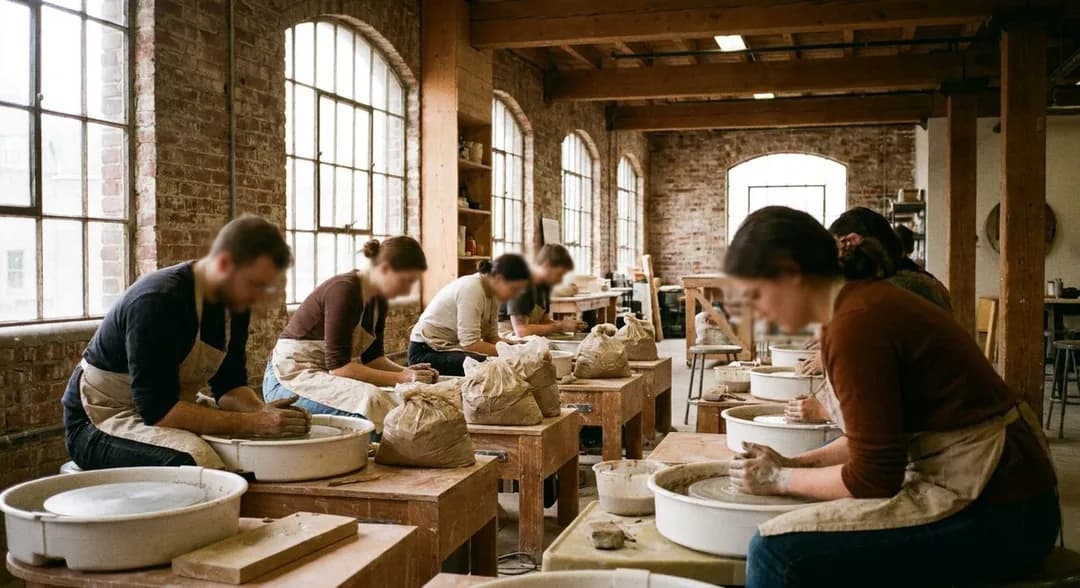
The Brooklyn Navy Yard Ceramics Studio Open to Walk-Ins on Sundays
Building 92's lower level; the wheel stations rent by the hour with clay included
You walk into Building 92 on a Sunday afternoon and the smell hits you first—wet clay, slightly metallic, earthy in a way that makes your hands itch to touch something. Most people come to the Brooklyn Navy Yard for the museum upstairs or the weekend food vendors, but downstairs there's a ceramics studio where you can rent a wheel by the hour and nobody asks if you know what you're doing.
The Setup Nobody Mentions in the Listings
The studio occupies the entire lower level, which used to be storage for naval uniforms back when this building processed new recruits. Now it's fifteen pottery wheels arranged in three rows, each station with its own wedging board and a plastic bin of Laguna B-Mix clay. You book online but walk-ins work if you show up before 1pm—after that, the regulars claim everything until closing. The front desk keeps a waitlist in a physical notebook, the kind with the black-and-white speckled cover, and they'll text you when a wheel opens up. The Sunday-only policy exists because the weekday schedule belongs to a professional ceramics collective that pays monthly rent, but the Navy Yard development corporation mandated public access hours as part of their lease agreement.
Where the Clay Actually Comes From
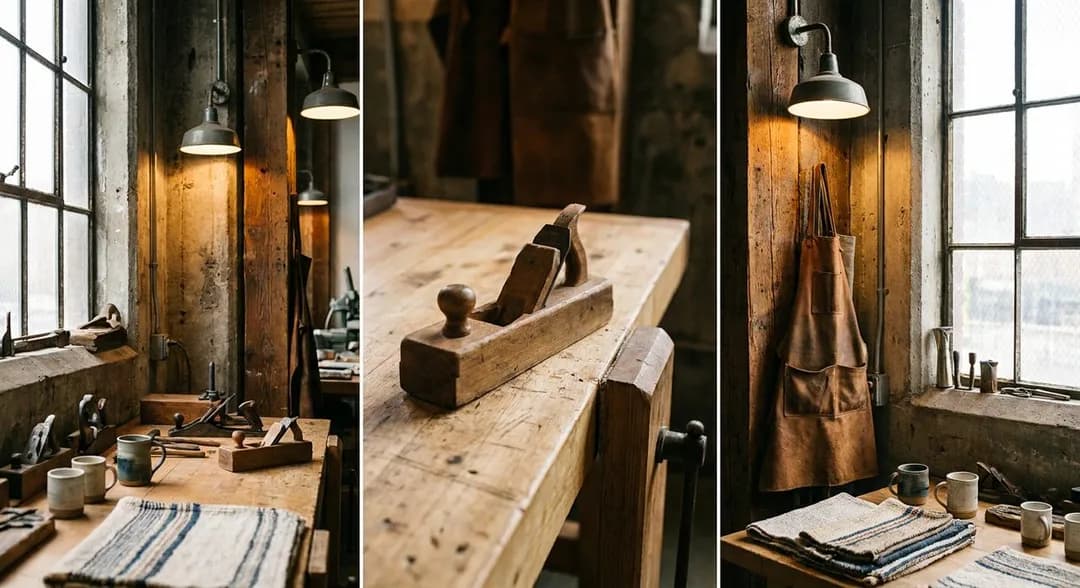
Your hourly rate includes five pounds of clay, which sounds like nothing until you realize that's enough for two medium bowls or one ambitious vase that will probably collapse. The studio sources from a supplier in New Jersey who delivers monthly in a truck that parks on Flushing Avenue, and if you're there during a delivery—usually the first Sunday of the month around 10am—you can buy twenty-five-pound bags at cost, roughly eighteen dollars versus the thirty-two they charge at Brooklyn art supply stores. The clay stays workable because someone keeps the storage room at exactly sixty-two degrees with a humidity level that makes your skin feel slightly damp. You'll see people bringing their own clay in ziplock bags, which is technically allowed as long as you're not using porcelain, since porcelain dust does something to the ventilation system that requires expensive filter replacements.
The Wheel Stations Have Personalities
Station seven has a wobble that experienced throwers actually prefer—it creates this gentle oscillation that helps with certain bowl shapes, though you won't understand why until you've been coming here for months. Station twelve sits directly under a heating duct that dries your piece too fast if you're working in summer, but in January it's the only comfortable spot in the room. The wheels themselves are Brent Model C's from the early 2000s, heavy enough that they don't skitter across the floor when you're centering a stubborn lump of clay. Each one has a foot pedal that responds differently—some touchy, some requiring your full weight—and the Sunday regulars have their preferences memorized. You'll notice people gravitating to the same stations week after week, and if you accidentally take someone's usual spot, they'll hover nearby with this specific kind of polite tension until you figure it out.
What Happens to the Pieces You Make
The firing schedule runs every other Wednesday, which means you leave your work on the designated shelf with your name and phone number written in underglaze pencil on the bottom. Bisque firing costs eight dollars per piece regardless of size, which makes large sculptural work a genuine bargain compared to studios that charge by cubic inch. Glaze firing adds another twelve dollars, and you can use any of the studio glazes—forty-something varieties organized by cone temperature on metal shelving that looks like it came from a restaurant supply warehouse. The firings happen overnight and you get a text when your piece is ready for pickup, usually by Friday. About thirty percent of beginner work cracks or explodes in the kiln, especially if you've trapped air bubbles or made the walls uneven, and the staff dumps the casualties in a bucket by the loading dock where people scavenge shards for mosaic projects.
The Unspoken Etiquette and the One Staff Member Who Enforces It
Deb works the front desk most Sundays and she'll tell you directly if you're hogging the sink or leaving clay scraps on the wedging table. She's been in the Brooklyn ceramics scene since the 1980s, taught at RISD for a decade, and treats the studio like it's her kitchen—which means you clean your station properly or you hear about it. The sink has three compartments: one for getting the worst clay off your hands, one for rinsing tools, one for washing bats and buckets. You use them in order. The sponges live in a specific drawer and you squeeze them dry before putting them back, otherwise they mildew and Deb adds your name to a mental list of people who don't get reminded when wheels open up. There's a rhythm to Sundays here—quiet focus until around 3pm when people start chatting across stations, comparing glaze tests, offering technique tips that may or may not be useful.
The View Nobody Talks About and the Coffee Situation
The studio has narrow windows at sidewalk level that frame passing feet and the occasional dog nose pressed against the glass. It's surprisingly meditative, watching shoes go by while your hands work clay into something that might become a cup. The building sits close enough to the East River that you can hear ship horns on foggy days, this low sound that vibrates through the floor and into your wheel. There's no coffee service in the studio but the weekend food market sets up in the courtyard between Buildings 77 and 92, and Hungry Ghost Coffee runs a cart there until 4pm. Get the cortado and bring it down in a to-go cup—the studio allows drinks if they have lids. The bathroom situation requires walking back upstairs to the museum level, which means you plan your hydration carefully during a two-hour session.
Practical Notes
Building 92 sits at 63 Flushing Avenue, accessible via the B67 bus from downtown Brooklyn or a fifteen-minute walk from the Clinton-Washington G train stop. The ceramics studio operates Sundays only, 10am to 6pm, with the last wheel rental starting at 4pm. Hourly rates run thirty-five dollars for the wheel and clay, with firing costs additional. Book online through the Brooklyn Navy Yard website under "Building 92 Programs," though walk-ins get accommodated if you arrive before 1pm. Parking exists in the Navy Yard lots for eight dollars flat rate on weekends. Bring an apron or wear clothes you don't mind staining—clay washes out of most fabrics but the iron oxide in some glazes doesn't. The studio provides basic tools but serious throwers bring their own ribs and trimming tools. No kids under twelve at the wheels, though the museum upstairs runs family clay workshops on select Sundays.
Tags: #BrooklynNavyYard #NYCCeramics #PotteryWheel #BrooklynMakers #TheOddEdit #Building92 #WalkInStudio #NYCWeekend #BrooklynWeekend #CeramicsStudio #HandmadeNYC #NYCArtStudio #NavyYardBrooklyn #SundayInBrooklyn #NYCInsider
Sources consulted: atlasobscura.com · timeout.com · nytimes.com
All trademarks are the property of their respective owners.
Ask Karpo for more information.
Keep reading
- Wine Tasting Near Me: Inside Williamsburg's Working Winery
 Handmade Pasta Near Me: Misi's Glass-Walled Kitchen On The Waterfront
 Cooking Class Near Me: Chelsea's Carriage House Cooking School, Explained