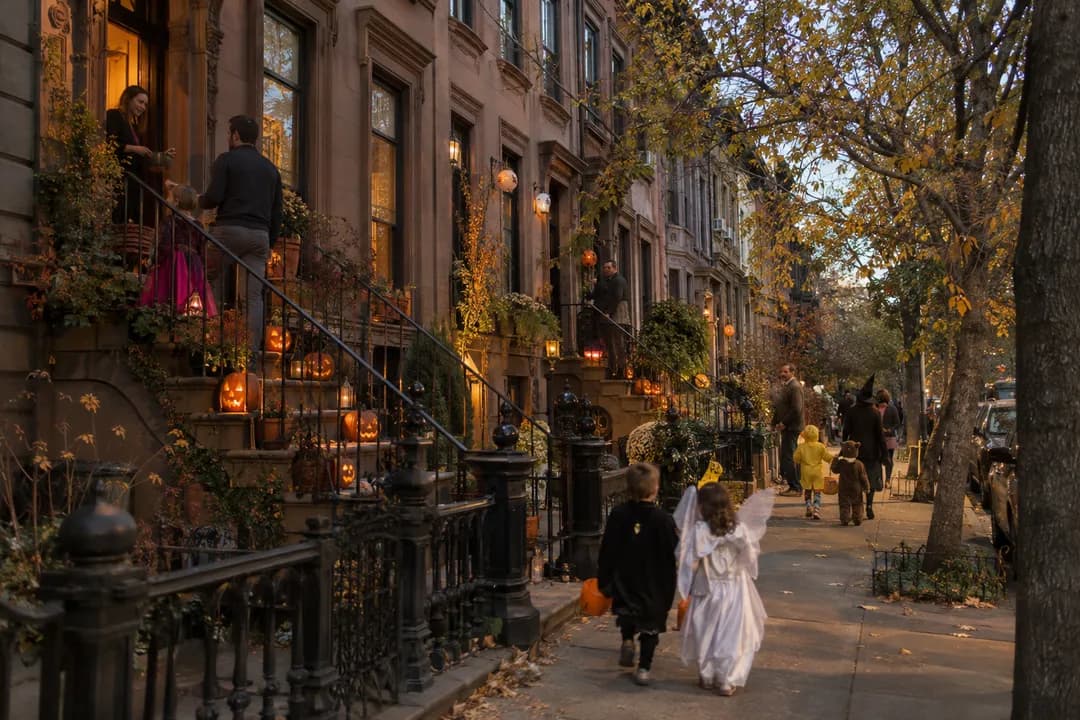
 Best Trick or Treating Neighborhoods Near Me: Park Slope
Neighborhood Guides
The Bronx River Pathway Nobody Finishes
Start at Shoelace Park, walk south through the gorge; most turn back at the botanical wall
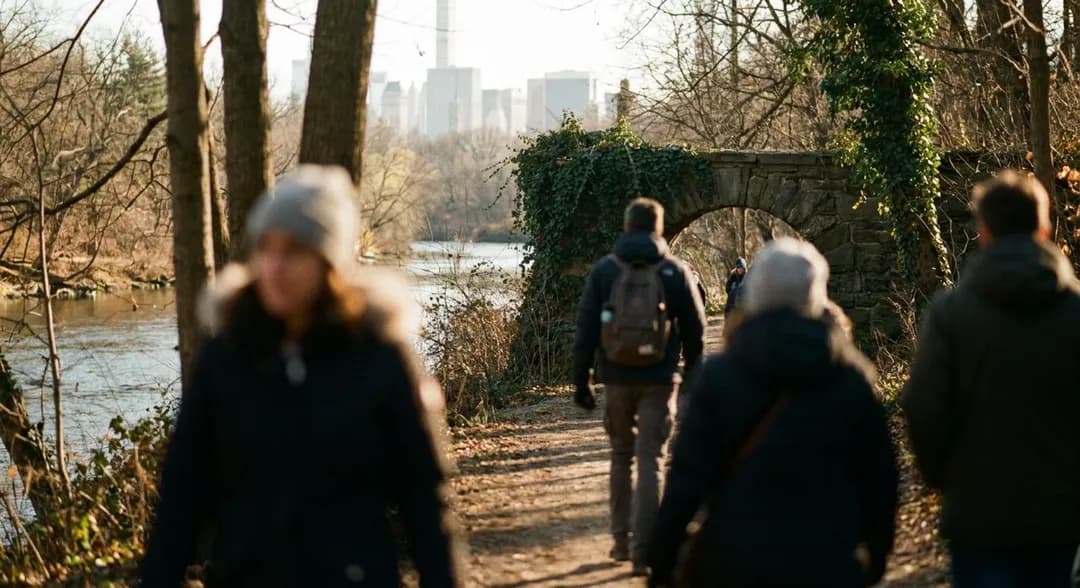
You start at Shoelace Park because the real entrance is unmarked—a gap in the chain-link where Bronx Park East meets East 219th Street. The Bronx River Pathway stretches 23 miles north to south, but this middle section through the gorge is where most people give up. Not because it's difficult. Because they don't know what comes after the botanical wall.
The Gap Nobody Mentions
Shoelace Park earned its name from the way the pathway loops and doubles back on itself through this section. You'll see the official trailhead sign, but ignore it. Walk fifty feet south instead to where the pavement cracks open near the old water fountain that hasn't worked since 2019. The actual path drops down here, closer to the river level. You'll hear the water before you see it—a constant rush that drowns out Bronx Park East traffic within thirty seconds. Thursday mornings around 9am, you'll pass the same elderly man in a Yankees windbreaker who walks his beagle off-leash here. He nods but never speaks. The beagle's name is Reggie.
Where the Gorge Swallows Sound
The pathway narrows as limestone walls rise on both sides. This section floods during heavy rain, which is why you'll see the high-water marks—pale sediment lines about three feet up the rock face. The Parks Department doesn't advertise this. In summer, the temperature drops eight degrees as you descend. The air smells like wet stone and decomposing leaves even in July. You're walking through what geologists call the Bronx River gorge, carved during the last ice age. Graffiti appears on the western wall: "TAKI 183 WAS HERE 1971" in faded red spray paint, though whether it's authentic or a recreation, nobody can confirm. The pathway surface shifts from asphalt to packed dirt to wooden boardwalk sections that creak under your weight.
The Botanical Garden's Secret Side
Most people hit the New York Botanical Garden's southern wall and assume it's the end. The twenty-foot brick barrier runs along the path for nearly a quarter mile, topped with iron spikes and security cameras. What you don't see from Google Maps: there's a service gate at the wall's midpoint, unmarked except for a small bronze plaque reading "Maintenance Access 7B." On weekdays between 2pm and 4pm, this gate is often propped open while grounds crew move equipment. You're not supposed to walk through, but if you do, you'll find yourself in the native plant garden's back section, completely empty of tourists. Stay on the gravel service road and you'll loop back to the public pathway within five minutes. The botanical garden's head of security, whose name tag reads "Martinez," has seen this happen hundreds of times and only stops people if they're carrying cameras with telephoto lenses.
The Bridge That Leads Nowhere
Past the botanical wall, the pathway becomes concrete again and crosses a small pedestrian bridge. The bridge has no official name but locals call it "the Nowhere Bridge" because it appears to lead into dense forest on the opposite bank. Most walkers photograph the river from here, then turn back. If you continue, the forest opens after about two hundred feet into a cleared meadow that was once part of the Lorillard estate. Stone foundations poke through the grass—servants' quarters from the 1850s. You can still see the outline of what was a carriage house. The Parks Department installed a single bench here in 2016, positioned to face the river. Someone has carved "M+R 2018" into the backrest. The bench gets full sun until 3pm, then falls into shade as the western treeline blocks the light.
The Confluence Point
The pathway splits here, though the eastern fork is barely visible—more of a deer trail than a maintained path. Take it anyway. It follows a tributary stream for about a quarter mile until you reach the confluence point where this unnamed creek meets the Bronx River proper. The water runs clear over smooth stones, shallow enough to wade in summer. You'll find glass bottles from the 1940s embedded in the creek bed, their labels long gone but their shapes intact—Coca-Cola, milk bottles, medicine vials. This section floods completely during spring melt, which is why the Parks Department doesn't maintain it. But in late summer and fall, it's the quietest spot in the entire Bronx. You can hear nothing but water and wind through the sycamore trees. The cellular signal drops to zero.
Where Everyone Actually Stops
The official pathway continues south past the confluence, but within a quarter mile you'll hit the Bronx Zoo's northern perimeter fence. This is where the journey genuinely ends for most people—not at the botanical wall, but here, staring at twelve-foot chain-link topped with razor wire. The zoo's maintenance road runs parallel on the other side. If you arrive around 4:30pm on weekdays, you'll see the animal care staff driving golf carts back to the main facility. Sometimes you can hear the sea lions barking from the aquatic bird house. The pathway technically continues, but it requires backtracking north for half a mile to pick up the southern section near the Bronx River Parkway underpass. Most people don't bother. They sit on the rocks near the fence, eat whatever snacks they brought, and walk back the way they came.
Practical Notes
The pathway is accessible year-round, dawn to dusk, though the Parks Department recommends avoiding it after heavy rain due to flooding. The closest subway is the 2 or 5 train to East 180th Street, then the Bx12 bus north to Bronx Park East. No parking lot exists at Shoelace Park—street parking only, and it's competitive on weekends. Bring water; there are no facilities between the trailhead and the zoo fence. The entire walk from Shoelace Park to the zoo perimeter and back takes roughly two hours at a casual pace. Wear boots if it's rained within the past 48 hours. The pathway is maintained but not monitored—cellular service is spotty throughout the gorge section.
Tags: #TheLongWayHome #BronxRiver #NYCHiddenGems #BronxHiking #UrbanTrails #NewYorkWalking #NYCParks #BronxExploration #SecretNYC #RiverWalks #BronxBotanicalGarden #BronxZoo #NYCOutdoors #HiddenPathways #TheBronxNYC
Sources consulted: timeout.com · atlasobscura.com · nycgo.com
All trademarks are the property of their respective owners.
Ask Karpo for more information.
Keep reading
- Best Trick or Treating Neighborhoods Near Me: Park Slope
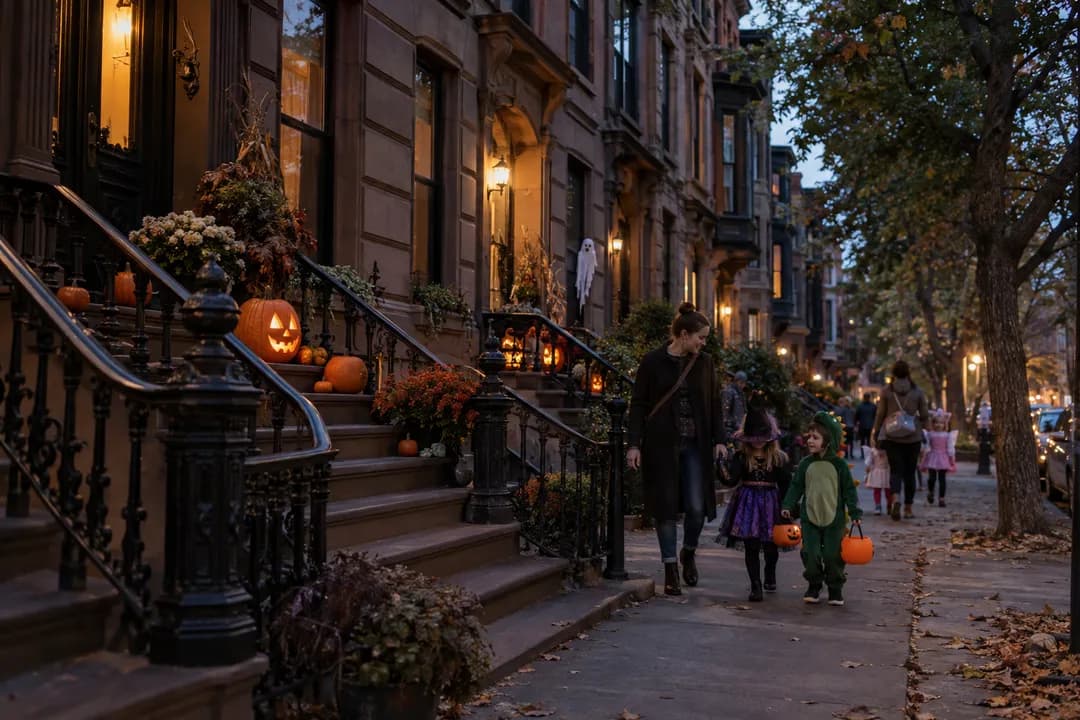 Best Trick or Treating Neighborhoods Near Me: Carroll Gardens
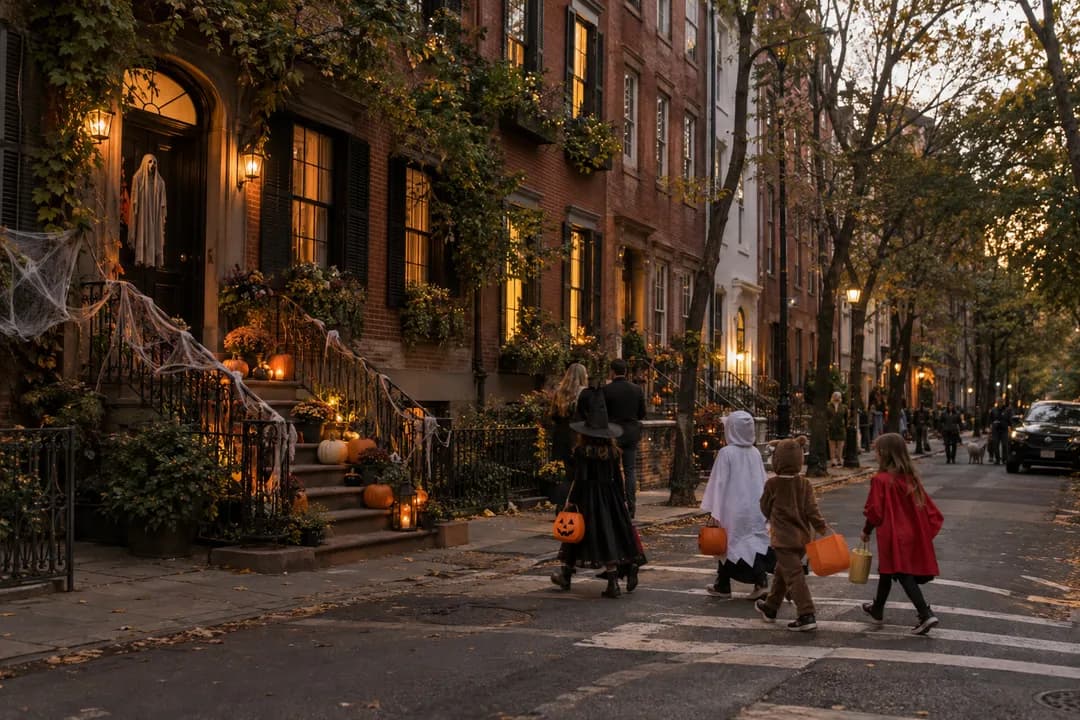 Best Trick or Treating Neighborhoods Near Me: West Village